The Royal Navy will receive all eight of its Type 26 frigates as planned, despite speculation over build slots being offered to the Norwegian navy, Defence Minister Luke Pollard has confirmed.
It came in response to a written question from Conservative MP Ben Obese-Jecty, who asked the Defence Readiness and Industry Minister whether he discussed build slots for the next-generation anti-submarine warships with his Norwegian counterpart during their meeting last month.
Mr Pollard said he was delighted to have discussed the "broad and ever-closer" strategic partnership with the Norwegian State Secretary, adding that all planned warships are expected to be delivered on schedule throughout the late 2020s and 2030s.
He added: "Norway's biggest ever defence procurement deal will see a combined fleet of 13 anti-submarine warfare frigates – eight British and at least five Norwegian – operate jointly in Northern Europe, significantly strengthening Nato's northern flank."
Win-win situation
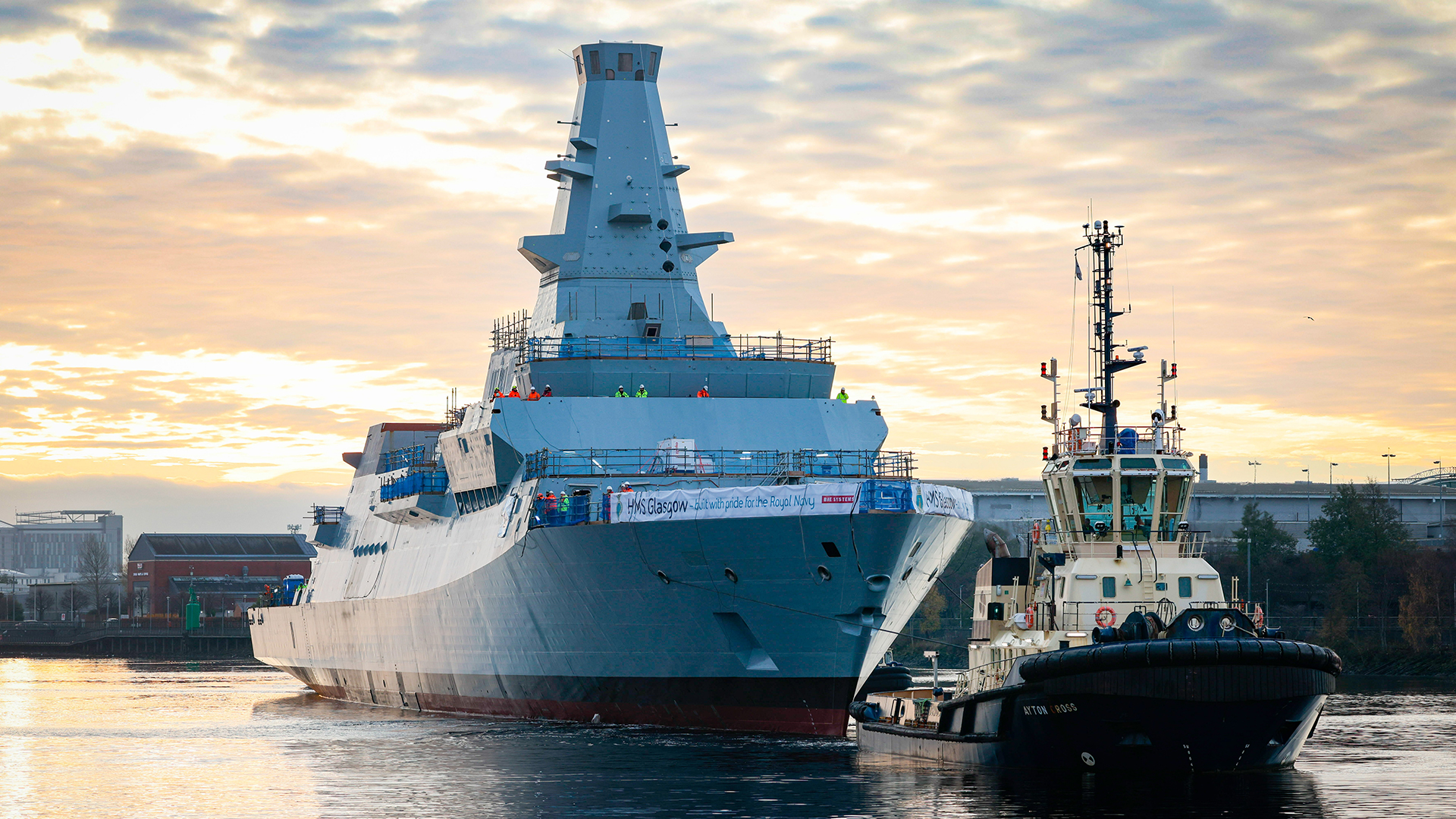
Last summer, it was announced that Norway had placed a £10bn order for at least five Type 26 frigates – built at BAE Systems' sites in Govan and Scotstoun in Glasgow – described as the biggest warship export deal in UK history.
However, it sparked concerns that the Royal Navy's own ships could be deprioritised or cut.
The deal will see the Royal Navy and the Royal Norwegian Navy working side by side using the interchangeable fleet of the British-built vessels in the North Atlantic as part of the new Lunna House Agreement.
The 13 warships – bolstered by autonomous systems – will patrol the gap between Greenland, Iceland and the UK, checking on Russian naval activity and protecting critical infrastructure.
Although Norway's decision to purchase the British-built vessels may mean short delays for the Royal Navy, former Commodore (Ret'd) Steve Prest argues that the impact will be minimal and could even solve problems for the UK fleet.
"I doubt there'll be much in the way of delay to getting them into service simply because the Royal Navy would not be able to crew them in the timeframe in which they're currently due to be delivered," he told BFBS Forces News.
"I don't actually see this having much overall impact on the Navy's ability to deliver its operational outputs. I think we should see this as a positive.
"Whilst ideally we would have had ships sooner and quicker and they'd be in service now five years ago, we've got to deal with where we are."
Join Our Newsletter