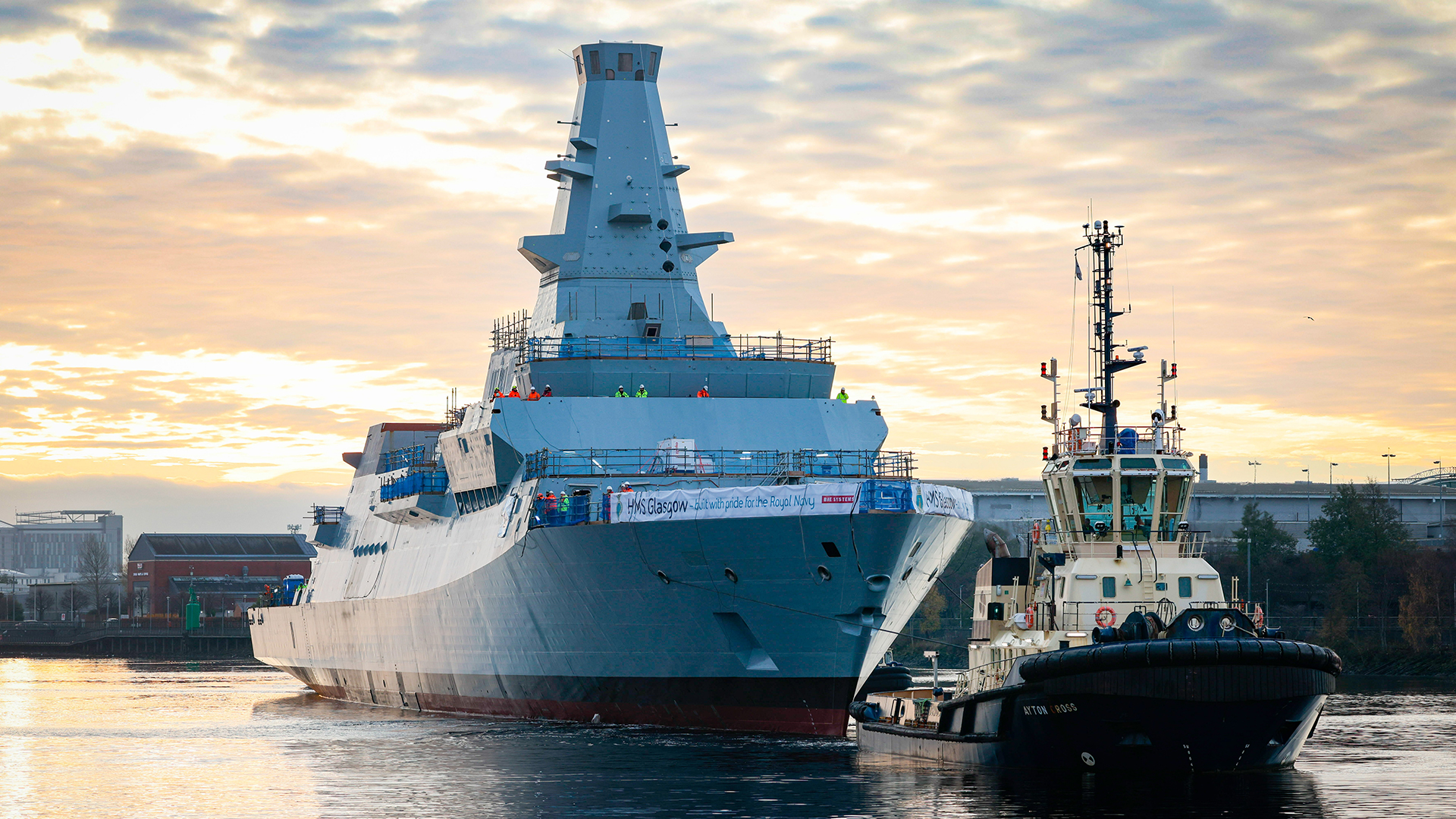
UK and Norway to both operate advanced Type 26 frigates to counter Russian undersea threat

The UK and Norway have signed a major defence agreement that will see them operate together to counter Russian undersea threats.
The partnership comes as the Prime Minister hosted Norwegian premier Jonas Støre at RAF Lossiemouth in Moray.
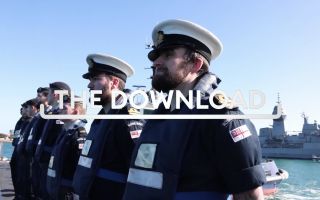
The Royal Navy and the Royal Norwegian Navy will work side by side using an interchangeable fleet of British-built Type 26 frigates in the North Atlantic as part of the new Lunna House Agreement.
Protecting national security
It comes after the UK signed a £10bn deal with Norway to supply the country with no fewer than five Type 26 frigates designed for anti-submarine warfare in September.
"At this time of profound global instability, as more Russian ships are being detected in our waters, we must work with international partners to protect our national security," Sir Keir Starmer said.
"This historic agreement with Norway strengthens our ability to protect our borders and the critical infrastructure our nations depend on."
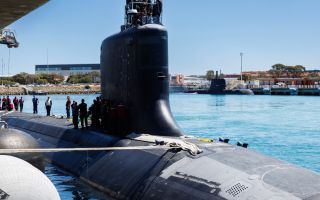
The deal will see a combined fleet of at least 13 warships, bolstered by autonomous systems, patrol the gap between Greenland, Iceland and the UK, checking on Russian naval activity and protecting critical infrastructure.
The latest announcement follows the revelation that there was a 30% increase in Moscow's vessels threatening UK waters in the past two years.
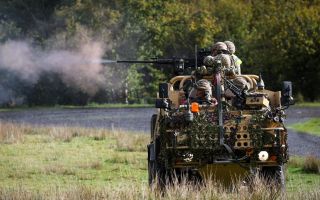
During the visit, Sir Keir and Mr Støre will meet UK and Norwegian troops working together and will thank them for their service over the Christmas period.
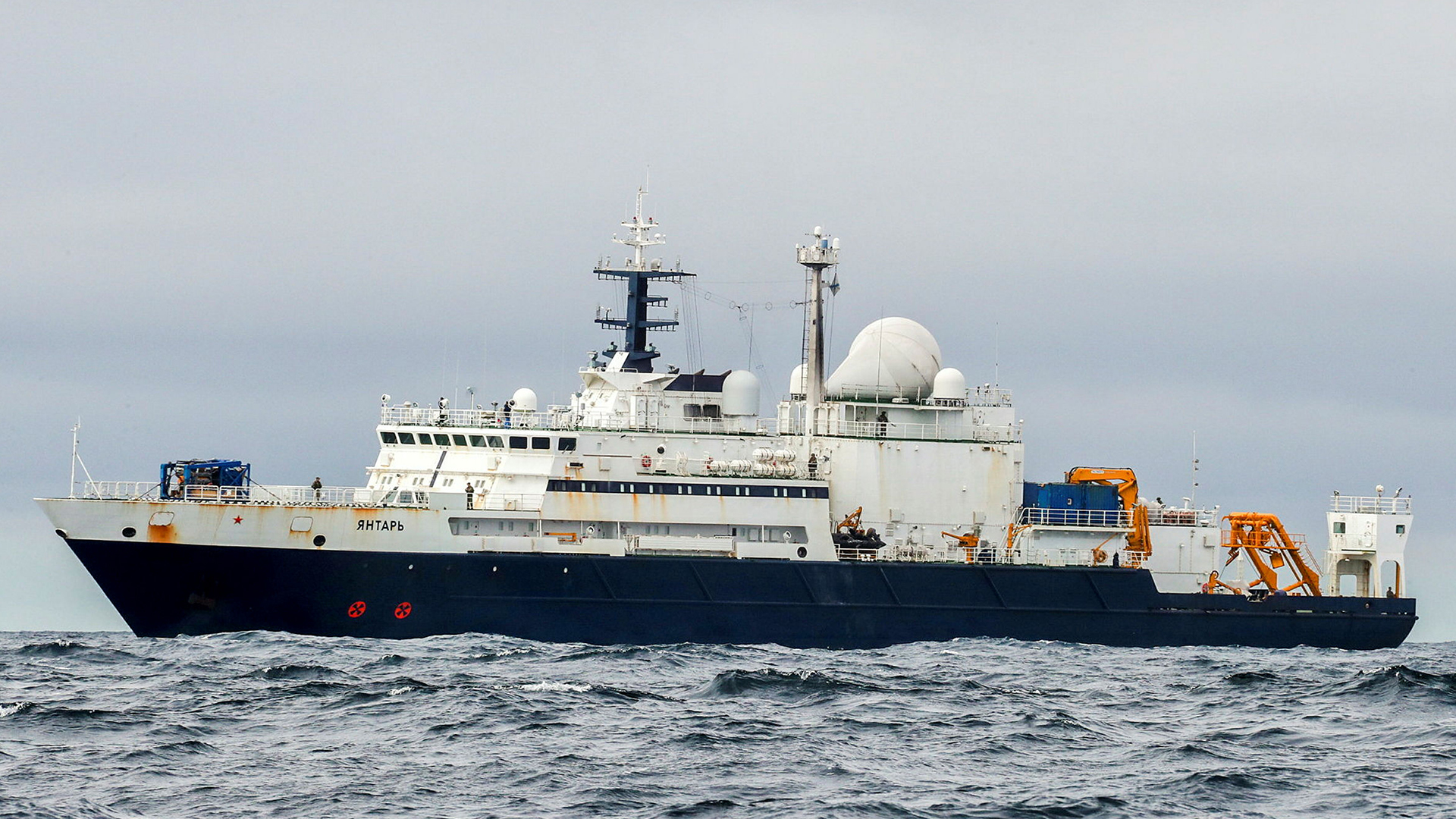
The two leaders will hear firsthand from P-8 Poseidon maritime patrol aircraft crews who have been hunting Russian vessels, including the spy ship Yantar, which was found in waters in the north of Scotland.
Hard power, strong alliances
"In this new era of threat and with increasing Russian activity in the North Atlantic, our strength comes from hard power and strong alliances.
"When our critical infrastructure and waters are threatened, we step up," Defence Secretary John Healey said.
"For over 75 years, the UK and Norway have stood shoulder-to-shoulder on Nato's northern flank, defending Europe and keeping our people safe. This partnership takes us further, making our nations more secure at home and strong abroad."
More than just warships
Alongside the Lunna House Agreement, the UK will join Oslo's programme to build offshore support vessels, which will act as motherships for uncrewed mine-hunting and undersea warfare systems.
The Lunna House Agreement will also involve:
- Year-round training of Royal Marines in Norway, preparing them to fight in sub-zero conditions
- Royal Navy adopting advanced Norwegian naval strike missiles
- Deeper collaboration on Sting Ray torpedoes, helping to boost munitions stockpiles
- Joint wargaming between the Armed Forces
- UK and Norway leading Nato's adoption of autonomous systems in the High North
Join Our Newsletter