Between Iran and Oman lies a shipping channel just 21 miles wide at its narrowest point and widely considered the most important maritime chokepoint on earth – the Strait of Hormuz.
Roughly a fifth of the world's oil is shipped through this narrow passage, much of it destined for Asian markets including China, India, Japan and South Korea.
Following the US-Israeli attacks on Iranian ships, Tehran has looked to close the route, threatening to "set fire" to any ships attempting to pass through.
Iranian General Ebrahim Jabbari would later double down, warning that "not a single drop of oil will leave the region".
But the closure of these vital shipping lanes will also hurt Iran militarily and economically, as it would other Gulf nations like Saudi Arabia. Both countries are heavily reliant on energy exports.
As one of the most important energy chokepoints on earth, many of the world's navies have maintained a presence here, seeking to safeguard shipping routes and a free and open maritime order.
As geopolitical tensions rise and the cost of war mounts, the strategic importance of this strait grows even greater.
The cost of disruption
Armed forces are among the world's largest consumers of crude oil. A lifeblood of any war effort, it powers anything from aircraft and warships to general industry supporting military operations.
Although exact usage and figures are often classified, aviation fuel accounts for the largest share of military consumption.
Many nations rely heavily on Middle Eastern fuel, and analysts warn that prolonged threats to shipping through the strait could drive up global oil prices and shipping costs.
Saudi Arabia supplies the largest amount of crude oil in the region, roughly 10.1 million barrels per day, as some reports suggest, followed by the United Arab Emirates and Iraq.
Among its buyers, Japan and South Korea account for 95% and 70% of their imports, respectively.
Although the US is less reliant on Middle Eastern oil than it was throughout the 1970s and into the early 2000s, disruptions can still influence global oil prices, in turn affecting the US energy markets.
It is for this reason that the US places the Strait of Hormuz at high significance and has channelled its efforts to safeguard it.
On Tuesday 3 March in a post on X, the Commander of US Central Command (Centcom), Admiral Brad Cooper, claimed his forces had destroyed 17 Iranian ships, including its most operational submarine "which now has a hole in its side".
He added that Iran no longer has a ship presence in the Arabian Gulf, the Strait of Hormuz or the Gulf of Oman.
Nevertheless, the threat has not entirely dissipated as Iranian-backed proxy groups such as the Houthis – an armed political and religious group championing one of Yemen's Shia Muslim minority, the Zaidis – have staged attacks on vessels in the Red Sea and threatened action to support its ally Iran earlier this week.
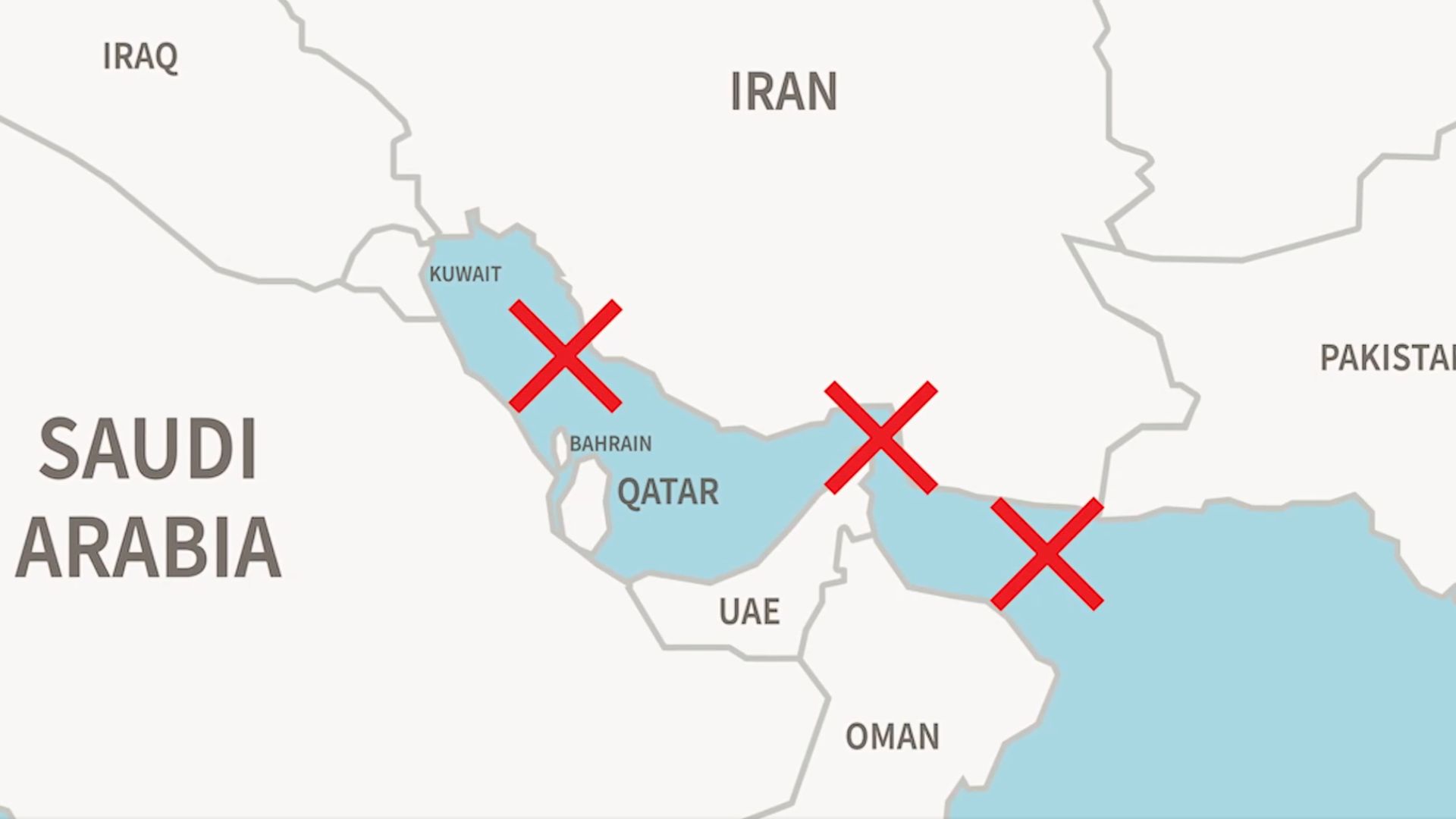
How could Iran close the Strait of Hormuz?
Under the United Nations Convention on the Law of the Sea, coastal nations may establish a territorial sea extending up to 12 nautical miles from their coastline.
At its narrowest point, the strait and its shipping lanes lie entirely within Iran and Oman's territorial waters.
Though it is unclear how Iran plans to close the strait, Nick Childs, an expert in maritime security at the International Institute for Strategic Studies, said Iran had developed a "considerable array" of capabilities, including sea mines, fast attack vessels, submarines, drones and missile systems.
"If used in a comprehensive campaign, these could cause very significant disruption and also potentially seriously hazard US and other naval units, including mine countermeasures vessels seeking to keep the waterway open," he told Sky News.
But deploying sea mines and missile systems would take time.
With the latest wave of US and Israeli strikes reportedly destroying or damaging at least 17 Iranian vessels since the Operation Epic Fury commenced, such a strategy may not be feasible.
In the meantime, President Trump announced his plans to offer risk insurance and "guarantees" for vessels travelling through the Gulf.
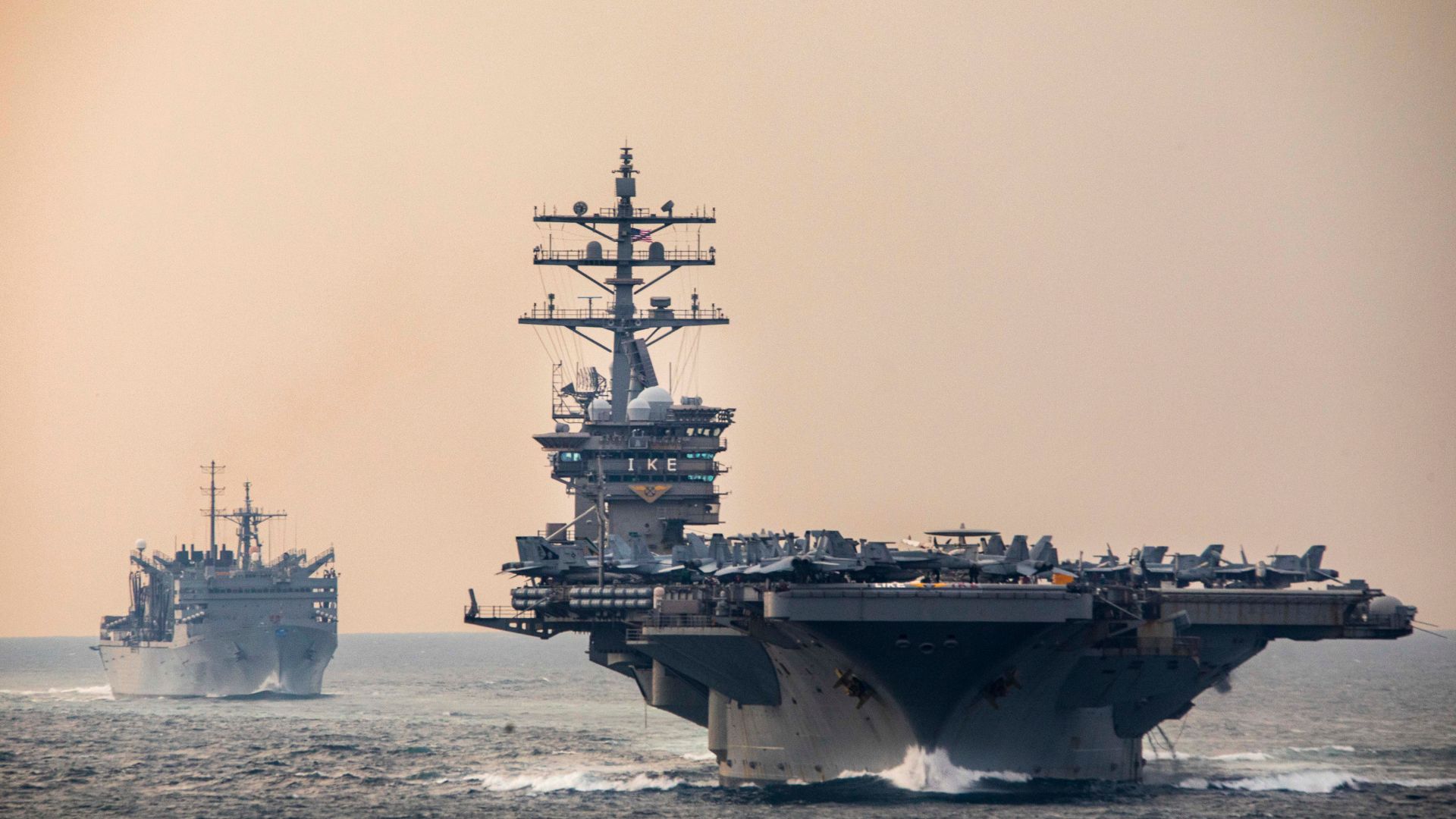
And if necessary, he said the US Navy would begin escorting tankers through as soon as possible.
The US calls for aid
In a post on Truth Social, President Trump claimed his forces had "already destroyed 100% of Iran's military capability," but warned the threat of drones, mines, and close-range missiles could persist in the waterway.
"Hopefully, China, France, Japan, South Korea, the UK, and others, that are affected by this artificial constraint, will send ships to the area so that the Hormuz Strait will no longer be a threat by a nation that has been totally decapitated," he said.
The president later doubled down during a brief interview with the Financial Times. He said that the US had aided Ukraine in the war with Russia, and he expects Europe to help with efforts in the Strait of Hormuz.
He delivered a stark warning, saying: "If there's no response or if it's a negative response, I think it will be very bad for the future of Nato."
Asked what such a response might involve, the president said it would mean "people who are going to knock out some bad actors along the [Iranian] shore".
Centcom had already confirmed it took out more than a dozen Iranian vessels with mine-laying capabilities, just days after the Islamic Republic vowed to block the strait.
'It's not Nato's war'
However, European leaders have since rejected the call for support, wary of following suit – particularly if it would involve boots on the ground.
Opening a press conference at Number 10, Prime Minister Sir Keir Starmer said that as the war enters its third week, he has been clear in his objectives.
"First, we will protect our people in the region," he said.
"Second, while taking the necessary action to defend ourselves and our allies, we will not be drawn into the wider war.
"And third, we will keep working towards a swift resolution that brings security and stability back to the region and stops the Iranian threat to its neighbours."
Meanwhile, a spokesman for Friedrich Merz, the German Chancellor, said: "It is not Nato's war. Nato is an alliance to defend the alliance area.
"The United States did not consult us before this war, and so we believe this is not a matter for Nato or the German government."
But while Sir Keir has indicated that the UK is considering sending ships and mine-hunting drones to the Middle East, and was working with allies on a "viable plan" to reopen shipping lanes, the closure of the world's most critical shipping channel continues to have far-reaching ramifications day by day.
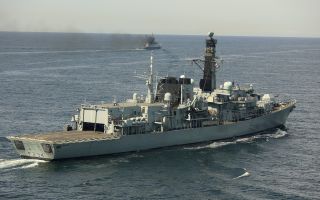
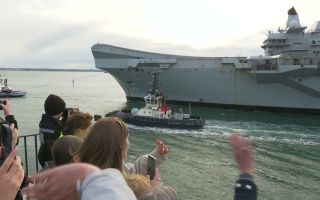
And with the recent departure of HMS Middleton early this month – the last of the minehunters to be based in Bahrain – the question now is what, if anything, the Royal Navy can contribute to the international effort.
Join Our Newsletter