Epic Fury: Expert spots US using new Tomahawks and techniques amid strikes on Iran

The US campaign against Iran is not just notable for the volume of strikes – munitions analysts say America is showcasing new variants, first-time deployments and lessons drawn from recent wars during Operation Epic Fury.
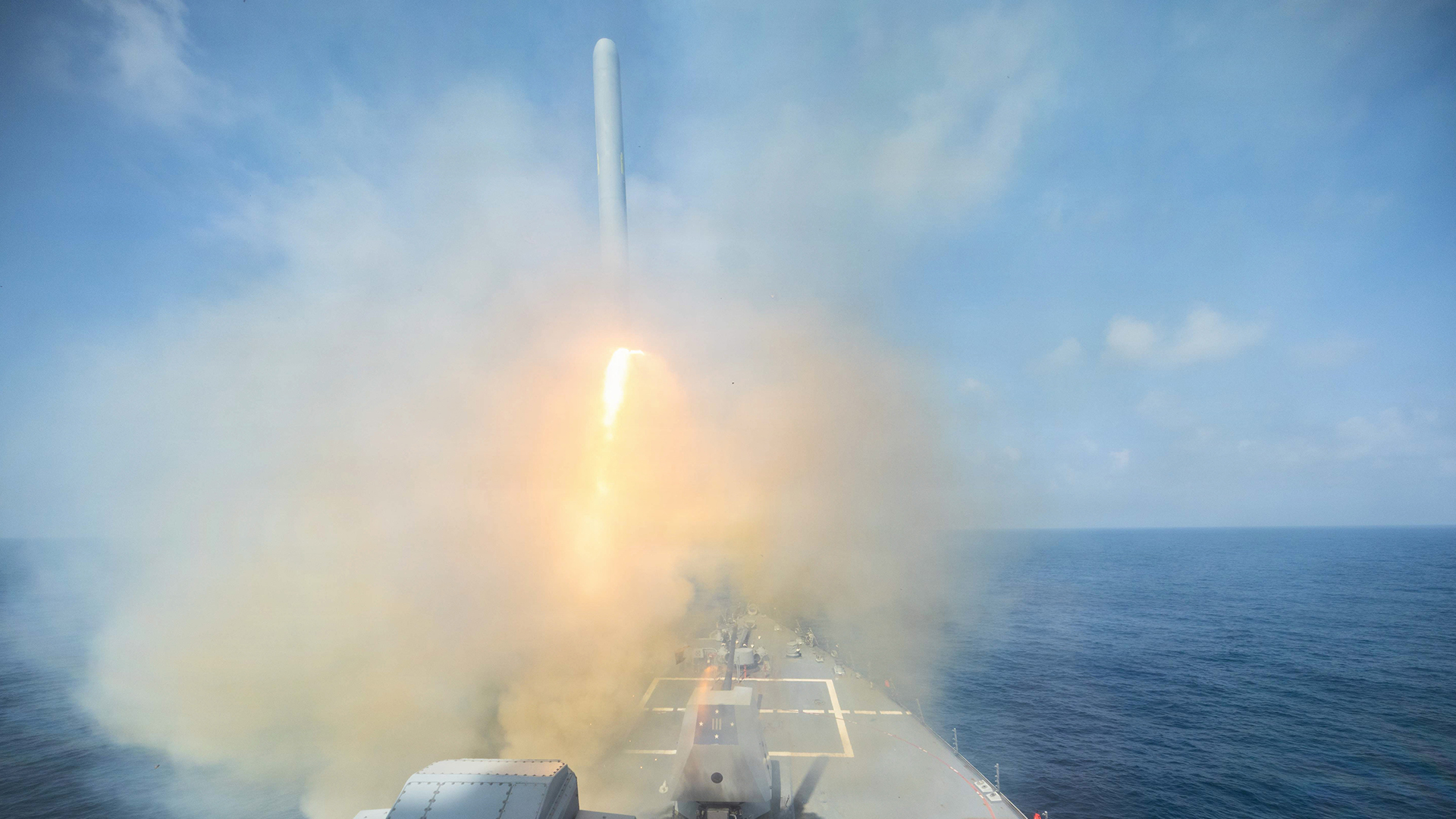
Munitions analyst Colby Badhwar has been monitoring the US- and Israeli-led op closely and says US destroyers have been seen using what appears to be new types of Tomahawk land attack cruise missiles.
He told BFBS Forces News: "The interesting thing about Tomahawk is that there was one or two pictures showing something unique, which was a Tomahawk that appeared to have sort of a black coating on it, which is something that we have not seen before."
He said this indicates that it may be a "low observable variant".
"It's the same kind of coating that we see on a different American cruise missile called the Long Range Anti-Ship Missile, and it has that black coating to make it less visible to any radars."
Mr Badhwar also flagged another significant difference from footage that is emerging from the conflict on social media.
"There were also videos taken of Tomahawks flying over Iran showing their wings swept forward, which is not the typical configuration of the wings on a Tomahawk cruise missile," he said.
"So those two things indicated that there may be some, at least one or two, new variants of the Tomahawk missile."
New precision strike missile
Another first during this conflict is the US using their new aero ballistic ground-launched precision strike missile.
He said: "There was one picture published by CENTCOM showing that missile being fired from a HIMARS somewhere in the Middle East. So that was quite notable for me as somebody that tracks that programme quite closely.
"That was notable to see that that's being deployed for the very first time because it's fairly new. The United States Army has probably only received about 80 of those missiles to date from the manufacturer. So they've evidently elected to use that for the first time.
"As far as ballistic missile defence goes, specifically around Patriot, the United States Army continues to learn a lot of lessons from the Ukrainian experience," Mr Badhwar continued.
"They train the Ukrainians to use Patriot. And in some ways, the Ukrainians are, sort of, the foremost experts now because they have had so much experience dealing with Russian ballistic missile threats.
"Obviously, American Patriot crews now are getting a lot of experience of their own dealing with the Iranians. But there's a lot of lessons learned in both directions now at this point.
"But the United States has definitely been better prepared to deal with what's coming out of Iran because of the fact that the Ukrainians have been operating Patriot, and a lot of lessons learned come back from that."
The headache of Shaheds
Like Russia in Ukraine, Iran has deployed thousands of Shahed drones during this nascent conflict, triggering air defence responses from the UAE, while UK fighter jets have also been in the air, preventing drone impacts on nations like Qatar.
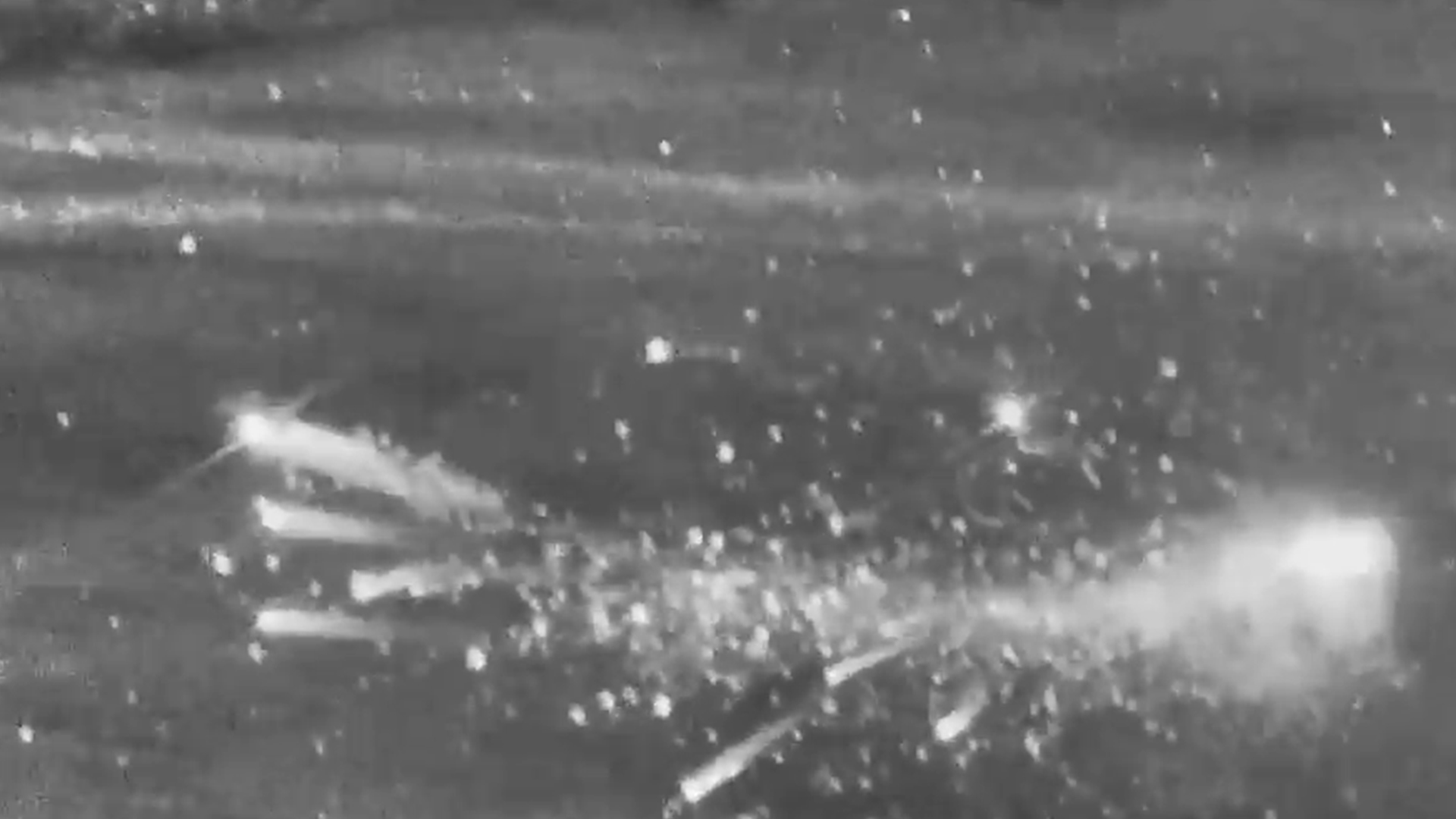
"When we look at the Shaheds and using the UAE as an example, the last figures I saw from their Ministry of Defence were that they were doing a lot of work on the UAE. Basically, all the missiles were being intercepted, but the few leaks that they've had have been the Shaheds," Mr Badhwar said.
"This is kind of interestingly the weak point – even though it's the lowest cost, lowest tech weapon that the Iranians have – due to the mass and just the fact that sometimes having a small, simple system can more easily slip through the cracks of an integrated air and missile defence network that's more focused on those higher end ballistic threats."
"That's somewhere where I think the United States and allies still need to do some work and learning from the tactics that the Ukrainians have adopted to more effectively deal with that threat.
"And the Americans, as they announced that they were using their own copies of these Iranian Shahed-136 drones as well, they have a reverse-engineered variant, and they've deployed those in combat as well."
Mr Badhwar believes there are a lot more lessons that still need to be learned to improve their ability to deal with that threat.
Despite its relative infancy as a conflict, Operation Epic Fury has already marked several significant firsts in technology and technique – as it unfolds, we may well see other examples of new variants and new approaches to the ever-evolving modern-day battlefield.
Related topics
Join Our Newsletter