Hundreds more battle-proven lightweight multirole missiles to be supplied to Armed Forces

Hundreds more lightweight multirole missiles (LMMs) are being supplied to the Armed Forces, having been used to great effect in the Middle East.
The missiles will start to be delivered over the next few months, with deliveries continuing throughout this year as the Armed Forces bolster their defences against aerial threats.
The latest contract with Thales was placed by the National Armaments Director Group in May, following a previous order for LMMs in April.
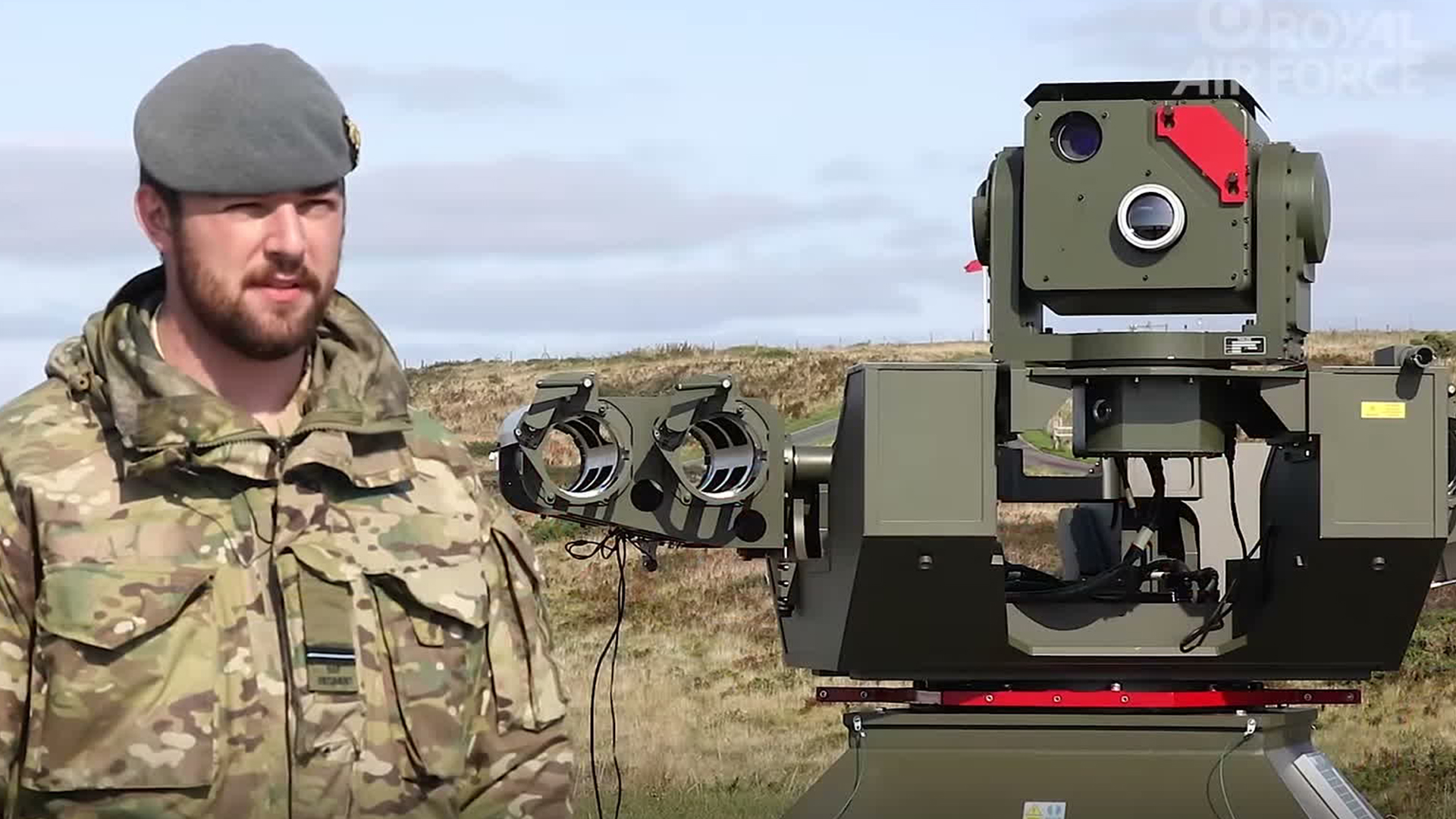
LMMs have played a crucial role in the Middle East, with more than 100 drones being destroyed using the missiles, including by RAF Regiment gunners using the Rapid Sentry air defence system.
"These interceptor missiles are battle-proven – successfully used in action by our RAF sharpshooters over recent months," Defence Secretary John Healey said.
"With these LMMs, our dedicated Armed Forces will continue to keep our partners more secure in the Middle East and beyond."
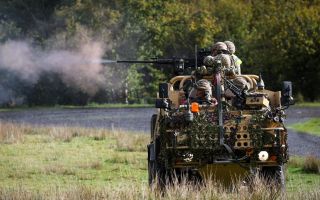
The LMM can also be fired by an individual soldier or from a vehicle such as the Stormer.
The missiles are also deployed on Royal Navy Wildcat helicopters to take out any drones that may be fired at UK bases in Cyprus.
In Royal Navy service, the missile is known as the Martlet.
The latest order for the missiles forms part of wider work by the MOD and National Armaments Director Group to increase resilience in munitions and supply chains, and to ensure that the Armed Forces can sustain operations alongside their allies.
Since the launch of Operation Epic Fury and Iran's response in late February, the British government has deployed more weaponry and over 1,000 personnel, aircraft and ships to protect British and allied assets in the Middle East.
Related topics
Join Our Newsletter