Pull to stop the bleeding: The tourniquet inspired by a lawnmower starter cord
The tourniquet, a familiar device amongst military folk, has been around for centuries and has remained pretty much exactly the same throughout history.
But could this be about to change?
Legend has it Alexander the Great used a tourniquet after a snake bite.
- How Ukraine has rediscovered the strategic value of blood learned in Second World War
- Battlefield blood transfusions enter drone warfare era through landmark military-NHS partnership
- Dried blood plasma project to help save soldiers' lives
Soldiers in the US Civil War were advised to carry a bandana and a stick that could be fashioned into a windless.
Some soldiers on foot patrol in Afghanistan and Iraq would go out with tourniquets already strapped to their limbs, to speed up the process.
Research was even done to consider sewing them into uniforms.
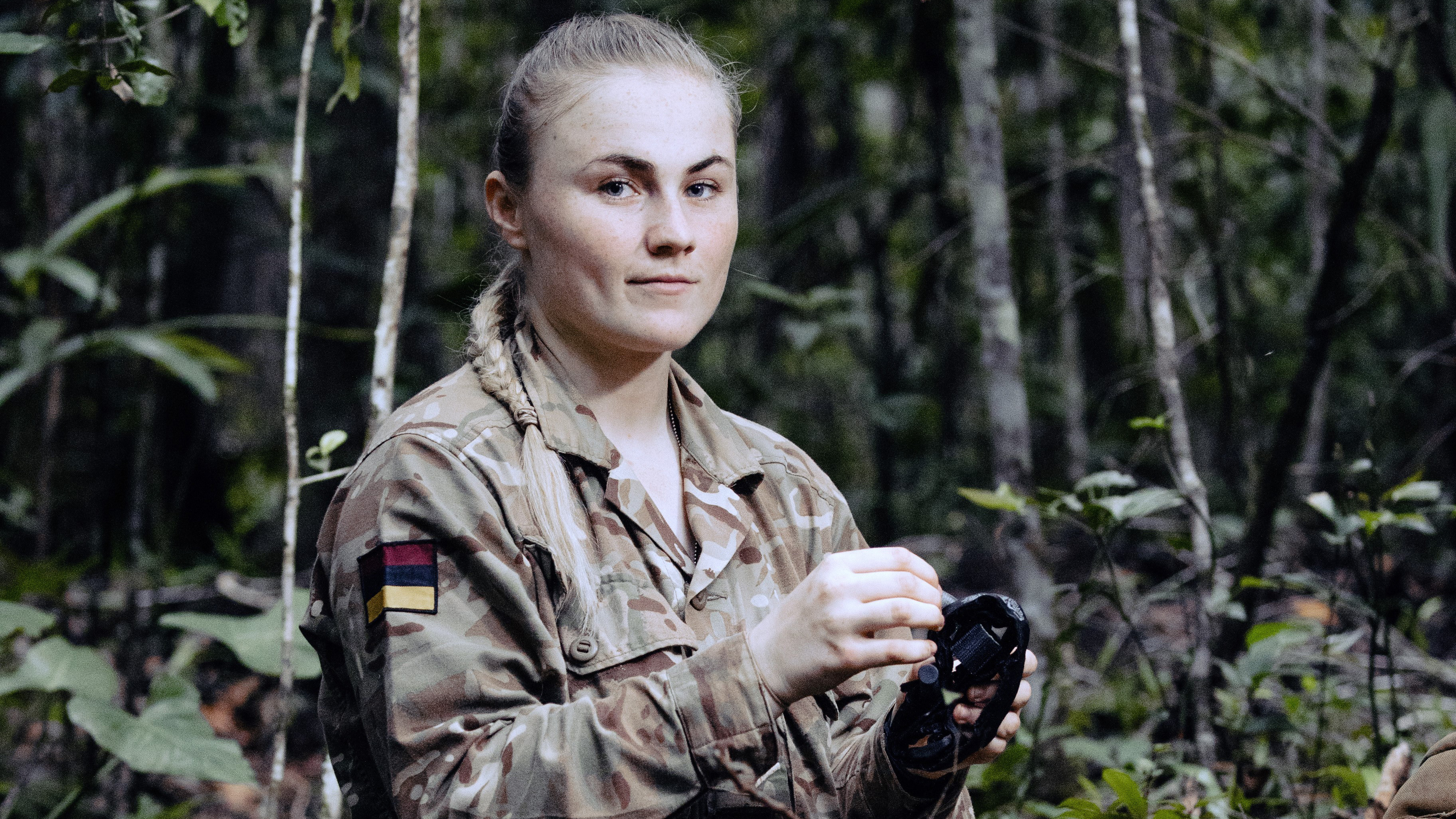
Although some medics dislike the device, complaining of tissue damage, improper application and risk of amputation, there is little doubt this simple and ancient gadget is life-saving.
A modern tourniquet is characterised by a long strip of material or Velcro, and a piece of plastic that can be twisted, applying enough pressure to stop blood flowing to the wounded area.
But after centuries of use, is it time it had a face-lift?
After coming face to face with tourniquets for the first time during his compulsory national service in Norway, former engineering student and inventor Gard Moe decided there was room for improvement.
He saw two main problems with the old device – 1) people needed to be taught how to use it and 2) it's difficult to apply yourself, particularly if you are weak after being wounded.
The need for another soldier to help the casualty apply the tourniquet, meant two soldiers out of the fight.
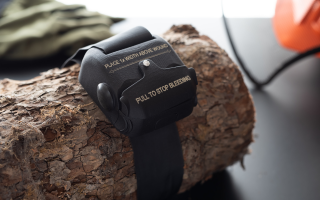
Gard says his design was inspired by the starter cord of a lawnmower.
The device is still simple and involves no electronics but Gard's big selling point is the ease of application.
If conscious – a casualty could apply it entirely themselves.
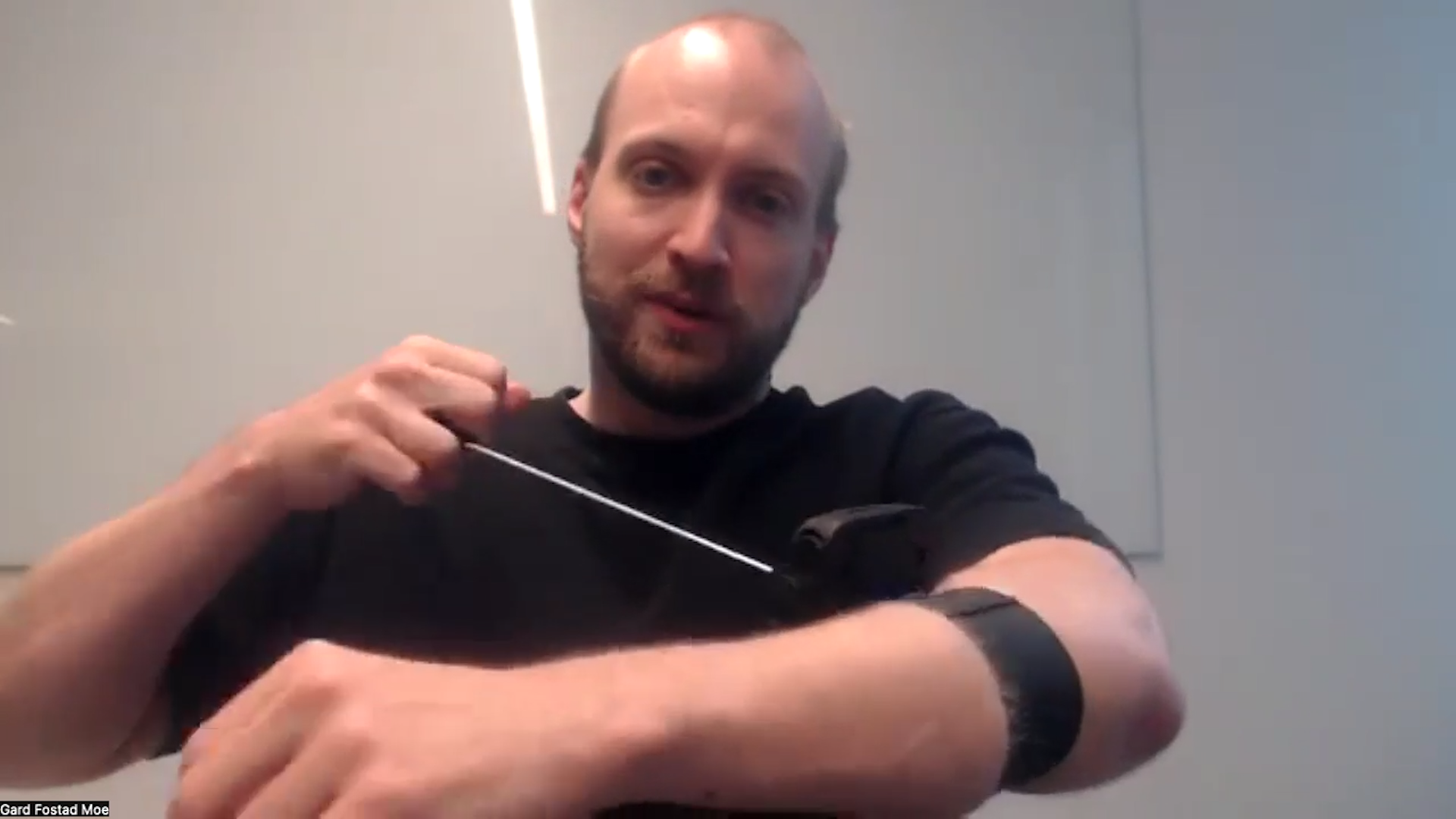
Gard demonstrates the tourniquet on a Zoom call from his home in Norway.
He slides a cuff onto his arm, tightens it – then tugs twice on the 'lawnmower' style chord.
With just those two pulls the tourniquet is applying enough pressure to adequately reduce blood flow to the wound, he says.
He also says the wider strap spreads the pressure, causing less pain and less damage.
On the front of the casing are simple instructions.
His hope is that his tourniquet could be taken off the wall by a novice and applied immediately – just like the mobile defibrillators which have popped up everywhere in recent years.
The new-style tourniquet is a little bulkier to carry round than the traditional device, but Gard says it's worth it.
He says they initially started looking into it when Ukraine were running low on tourniquets and looking to source them from anywhere and everywhere.
Some suppliers produced tourniquets of dubious quality. And Gard was sure the design could be improved.
Gard's invention is in the final stages of testing. When we spoke, he'd just completed heat trials – checking the device worked at 71°C and -51°C.
Once finished, he hopes to get it to market, through his company Aristeia.
First though, he admits, he'll need to find his new creation a name!
Related topics
Join Our Newsletter