How Ukraine has rediscovered the strategic value of blood learned in Second World War

For two decades, military medicine was built around a simple target – the golden hour.
Wounded service personnel would be stabilised, evacuated and sent to a field hospital within 60 minutes.
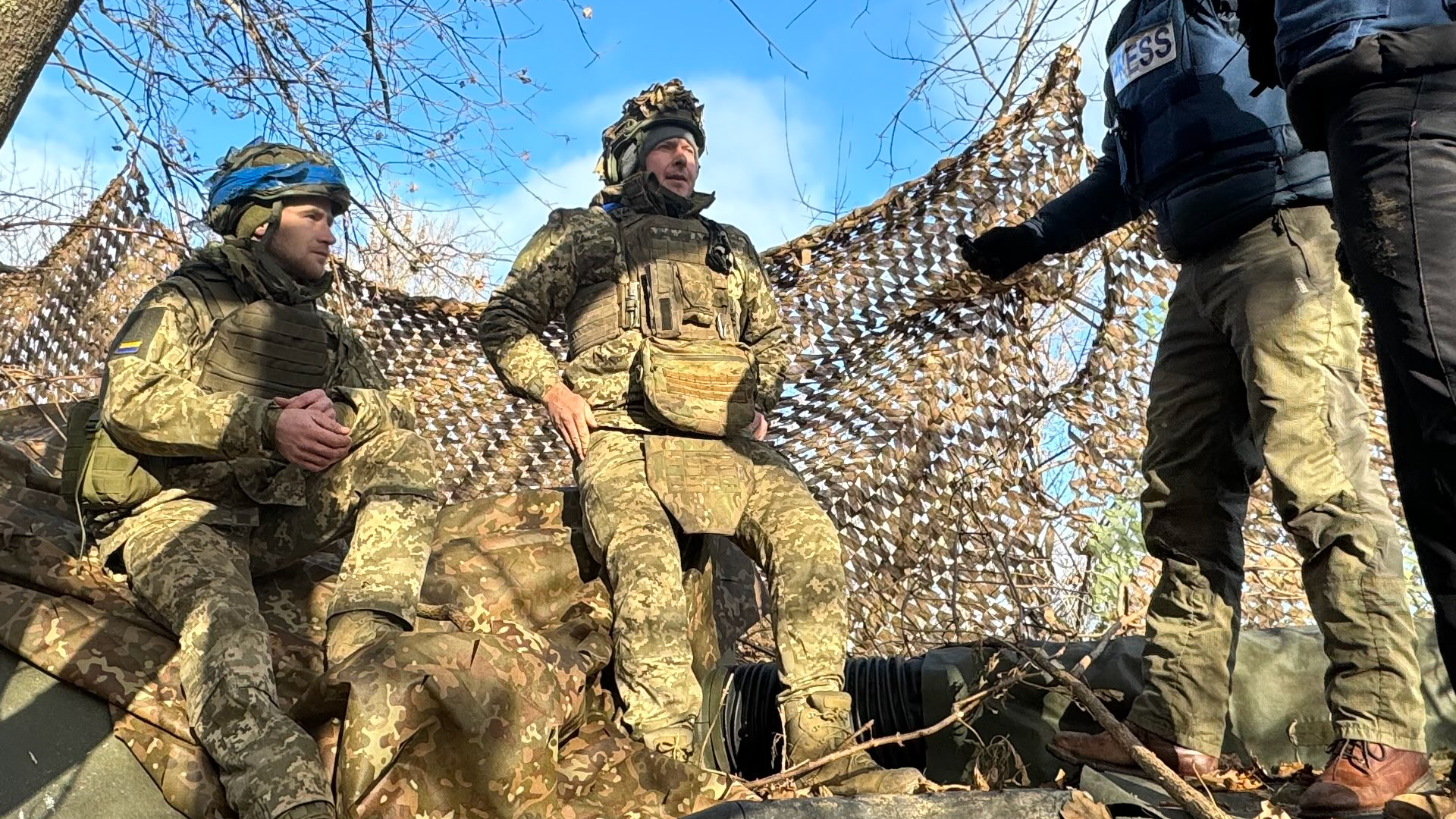
In Ukraine, that 'luxury' in large-scale combat has all but disappeared.
Trapped by artillery fire, drones and contested terrain, military casualties can spend 36 hours or more waiting to reach life-saving treatment.
As senior military officials face the consequences, they are rediscovering lessons first learned by British doctors and scientists during the First and Second World Wars, when blood became one of the most vital weapons of survival on the battlefield.
The return of a forgotten battlefield
Roderick Bailey, a Sunday Times bestseller and historian at the University of Oxford who specialises in the history of medicine and the study of war and conflict, spoke to BFBS Forces News about his latest book – The Lifesavers: The Trailblazers of the Second World War Who Took Blood into Battle.
The author, who was a reservist in the Intelligence Corps and completed a tour of Afghanistan in 2011, says the book highlights a universal truth about the experiences of service personnel during the Second World War, paralleling how modern troops are facing similar conditions on the ground in Ukraine today.
Speaking to BFBS Forces News, he said: "The Lifesavers is a story of facing up to the realities of being dropped suddenly into a really high-intensity war where you haven't got what you need.
"The challenges are immense and you have to hit the ground running."
Warfare has shifted from counter-insurgency – seen during Operation Herrick – to an industrial war in Ukraine, fought between two conventional, heavily armed militaries and drone warfare which has seen unmanned aircraft kill more people than artillery.
He said: "There are very strong parallels between Ukraine and the Second World War in terms of blood supply.
"We're talking about epic periods of time required to recover casualties from the frontline.
"Terrible injuries associated with aerial bombardment and shelling.
"But also, the innovations and improvisation required to cope with the terrible scenes that we see in Ukraine."
A war of logistics
The challenges facing medical personnel in Ukraine are immense and, Mr Bailey believes, directly comparable to the First and Second World Wars.
Logistics are crucial to the success of wartime blood transfusions, heavily relying on keeping donated blood cold and the use of chemicals to prevent coagulation.
In Ukraine, power shortages and attacks by Russia on medical supply routes make keeping blood cold and transporting it efficiently difficult to say the least.
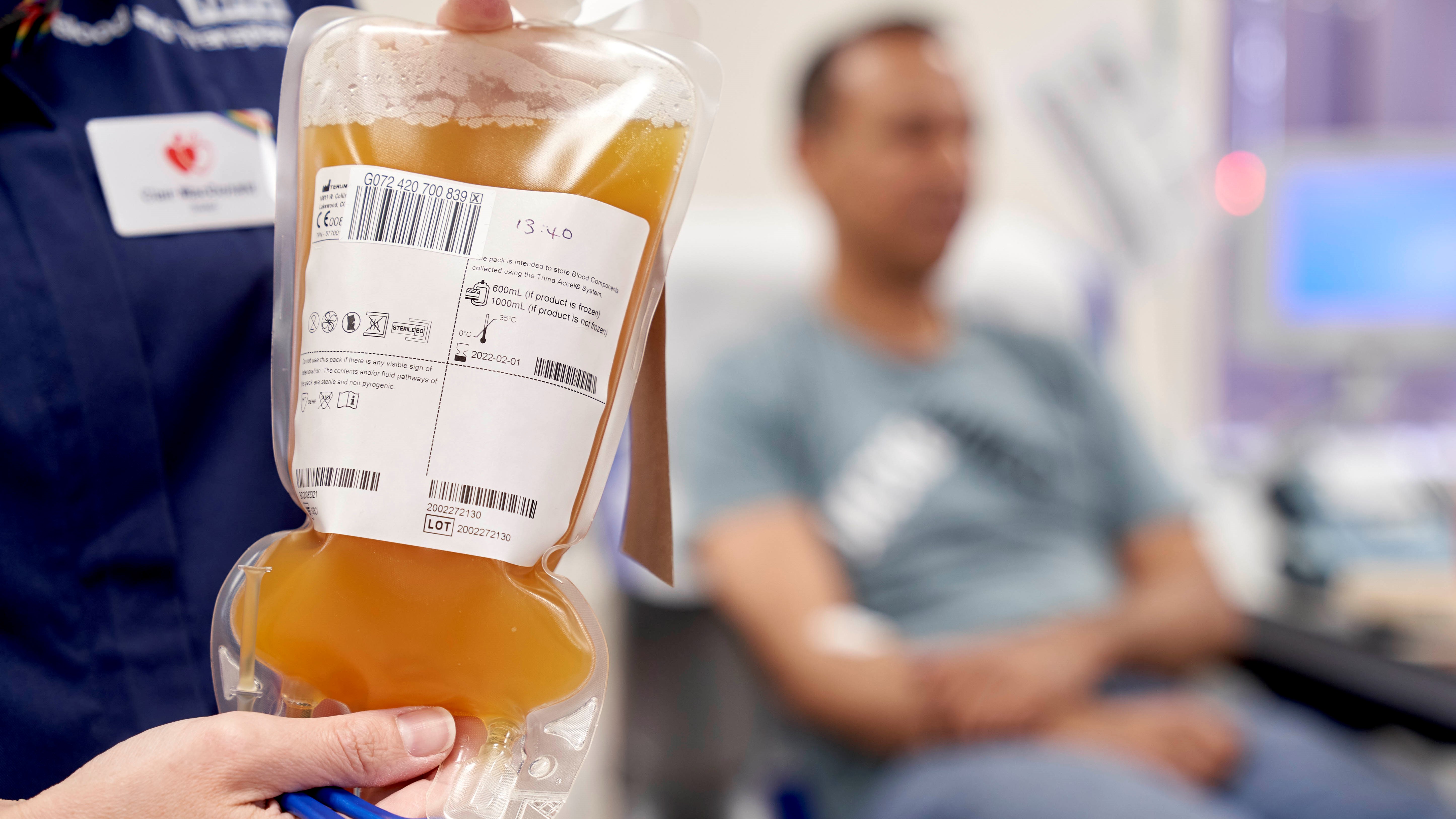
Mr Bailey believes the core problem facing blood services in Ukraine today would be instantly recognisable to wartime planners during the Second World War.
How do you keep a vital resource, such as lifesaving blood, usable in a war-torn country?
During the Second World War, the British improved blood preservation from two weeks to four weeks through enhanced chemicals and pioneered the use of dried plasma (a blood product in powder form), which helps stop severe bleeding, could be stored for longer and at room temperature.
However, following the war, the use of dried plasma stopped due to fears of blood recipients contracting bloodborne viruses from poorly screened donors.
Today, dried plasma, essential for various military operations including special forces and amphibious landings, has seen a revival due to rigorous screening tests and its advantages in extreme scenarios.
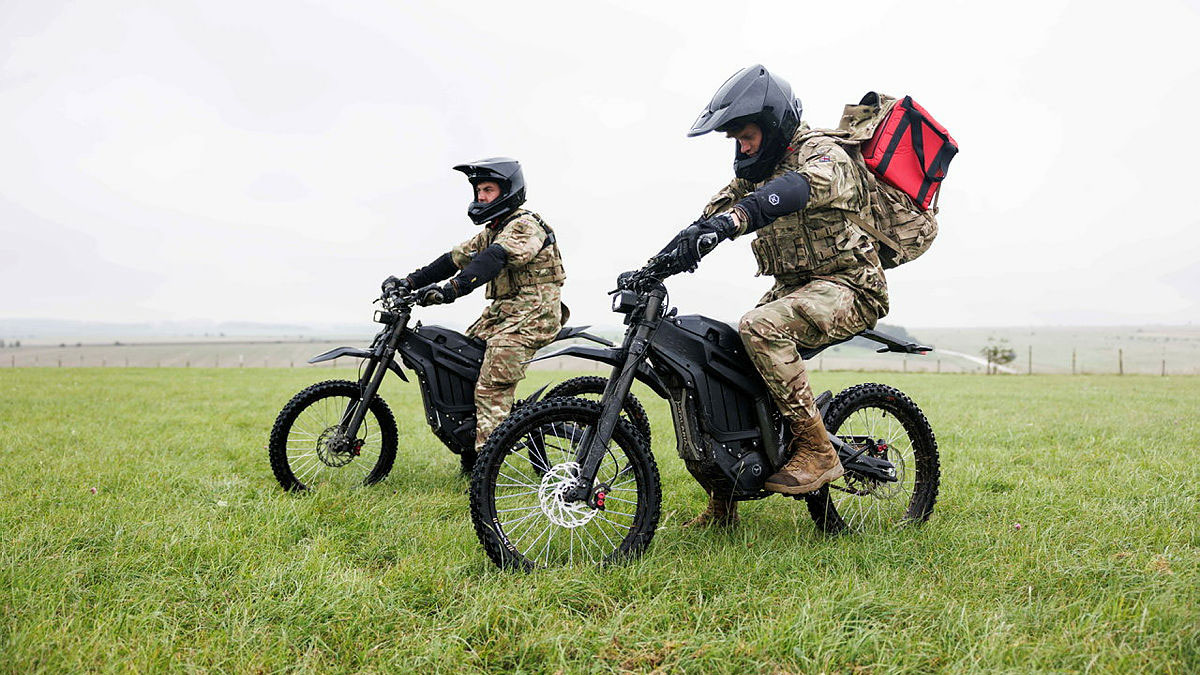
The MOD and NHS are collaborating on a project that aims to deliver blood and plasma within 30 minutes of injury in active war zones.
How blood affects survival rates
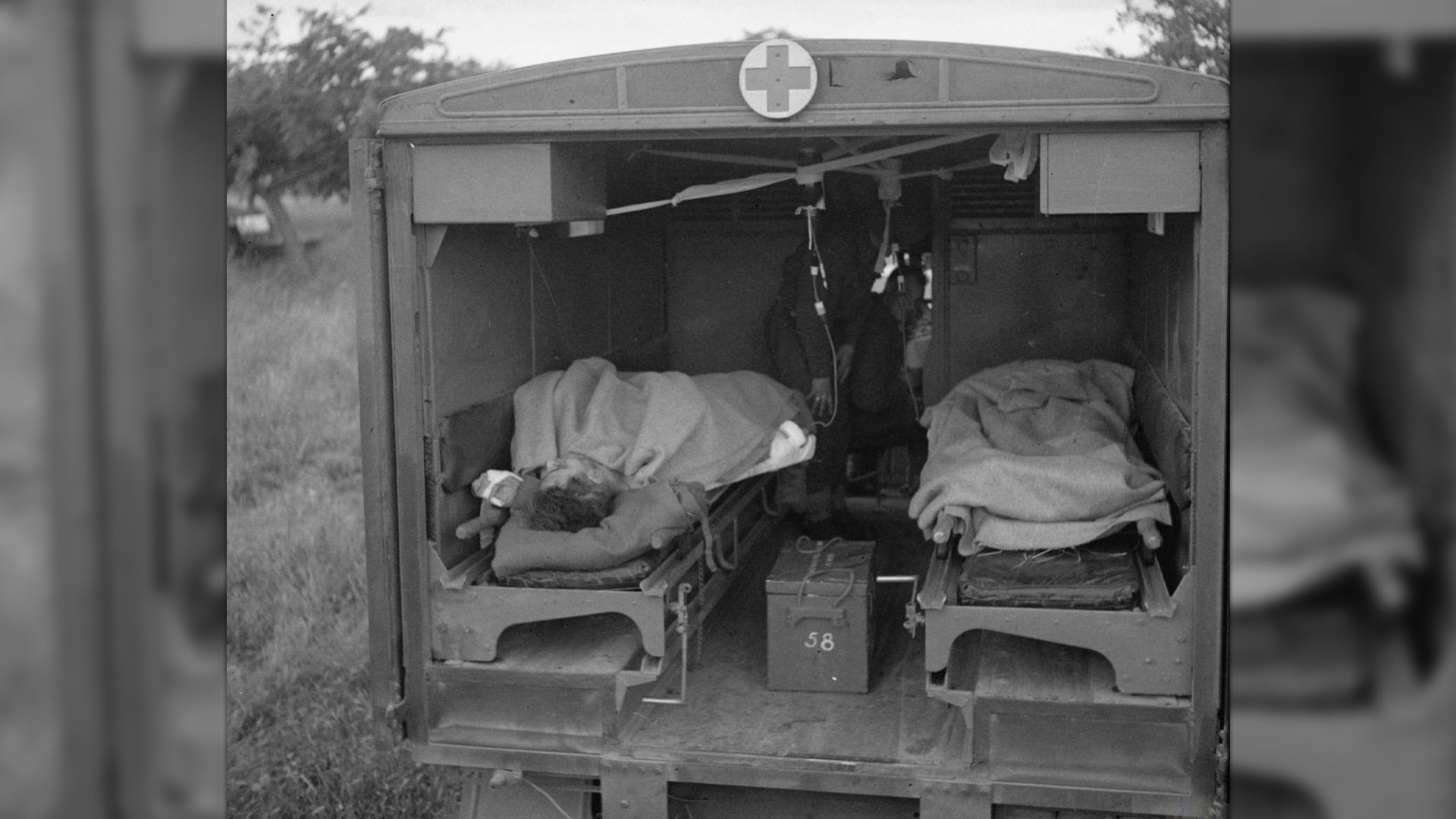
During the Second World War, while in North Africa, one in 10 casualties received whole blood, dried plasma or serum.
And, by the end of the war in north west Europe, when, Mr Bailey says, "they really know what they're doing" the statistics were one in six.
He said: "So there are many of us today walking around who owe their lives to our grandfathers and great grandfathers being saved by this organisation."
The Lifesavers were a small group of trailblazing men and women who, unlike many Senior Officers at the time, saw the vital lifesaving benefits of blood transfusions on the battlefield.
Men such as Brigadier Lionel Whitby, who was lightheartedly referred to by Sir Gordon Gordon-Taylor, the President of the Royal Society of Medicine, as "the greatest vampire the world has known".
The First World War veteran received a blood transfusion after losing a leg during the Battle of the Somme in 1918 and so knew first-hand how vital research into how to improve the process was.
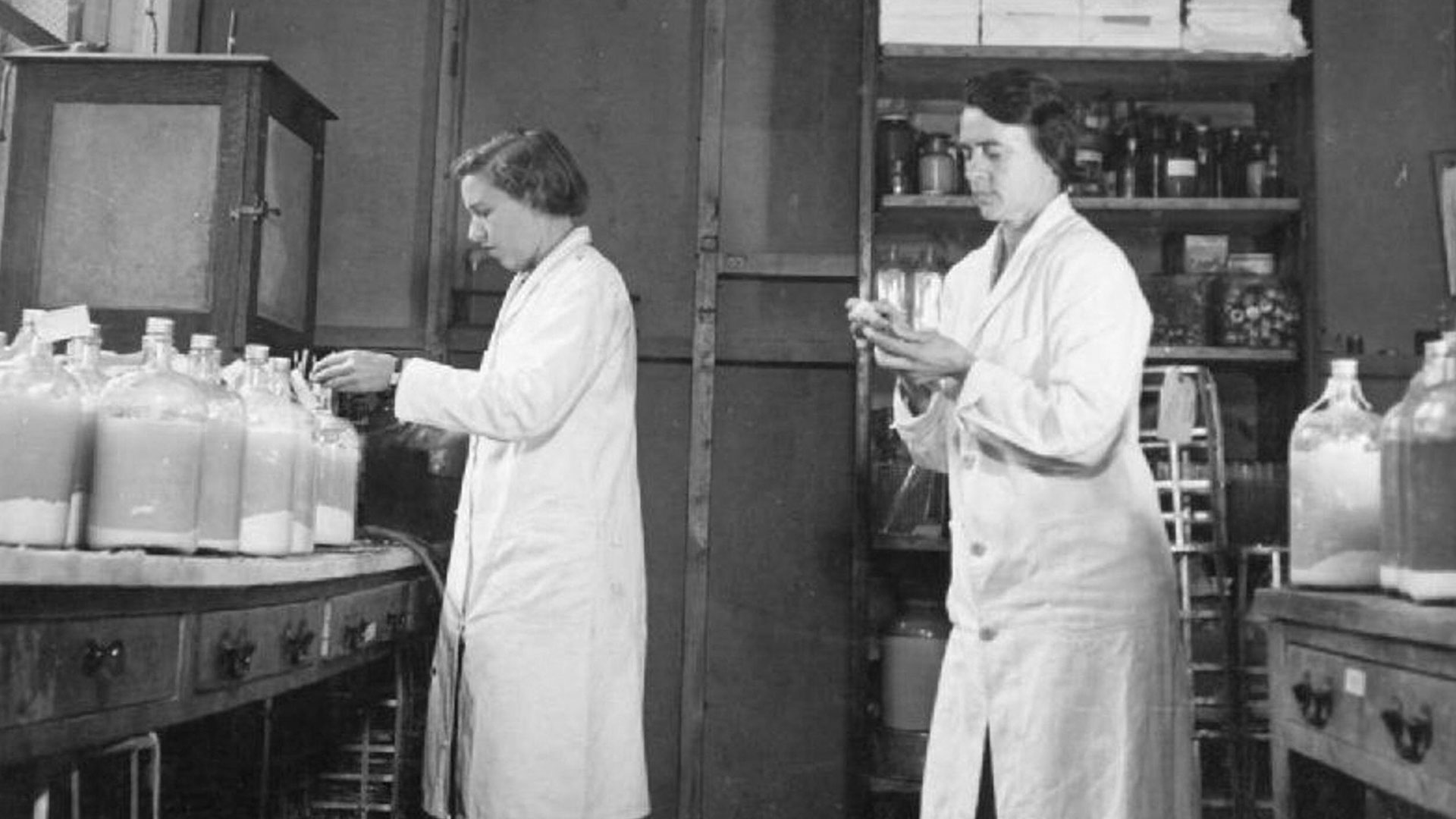
He and his wife organised Britain's wartime blood collection system, mobilising civilian donors and using an overwhelmingly female workforce.
Bottles for Buttle
Meanwhile, Major Gladwin Buttle, a man described by Mr Bailey as a "very unusual character" who fought his corner and was a master of improvisation, discovered a new use for empty gin and whiskey bottles found in officers' clubs in Cairo.
Blood was transported in sterilised glass bottles and so, when there was a shortage, Maj Buttle forged ahead with a makeshift plan.
As reported in The Royal Gazette Weekly in May 1954, blood was "energetically" taken from servicemen in the Nile Delta and put in the clean alcohol bottles.
The reporter, John Deane Potter, said: "By the time the British Forces swung across the Mediterranean in pursuit of the defeated, retreating Nazis, 100,000 servicemen had given their blood in Africa to save their comrades."
Maj Buttle countered shortages of personnel by recruiting people such as conscientious objectors and former Italian prisoners of war.
Mr Bailey said: "The outcome of all of that is remarkable.
"There's no question that their role had a very decisive impact on improving survival rates."
What modern medics are relearning from WW2
History often repeats itself.
In some areas, Ukraine has returned to techniques that wartime doctors understood generations ago.
Mr Bailey believes a medic on the frontline in Ukraine today reading his book might be surprised at how sophisticated the UK’s understanding of blood was 85 years ago.
He said dried plasma was "the backbone of the British Army's casualty care in many corners of the Second World War" and that he's not surprised there has been a spike in interest in dried plasma in Ukraine.
It is ideal for many scenarios facing medics in Ukraine today where they cannot rely on the availability of temperature-controlled blood supplies.
The historian believes one surprise in the book might be the advantages of whole blood.
We have become accustomed to using blood products – the individual materials that are most useful such as red blood cells, platelets and immunoglobulins.
However, since Op Telic and Op Herrick, there has been a revival of interest in the benefits of whole blood and the impact it makes on recovery.
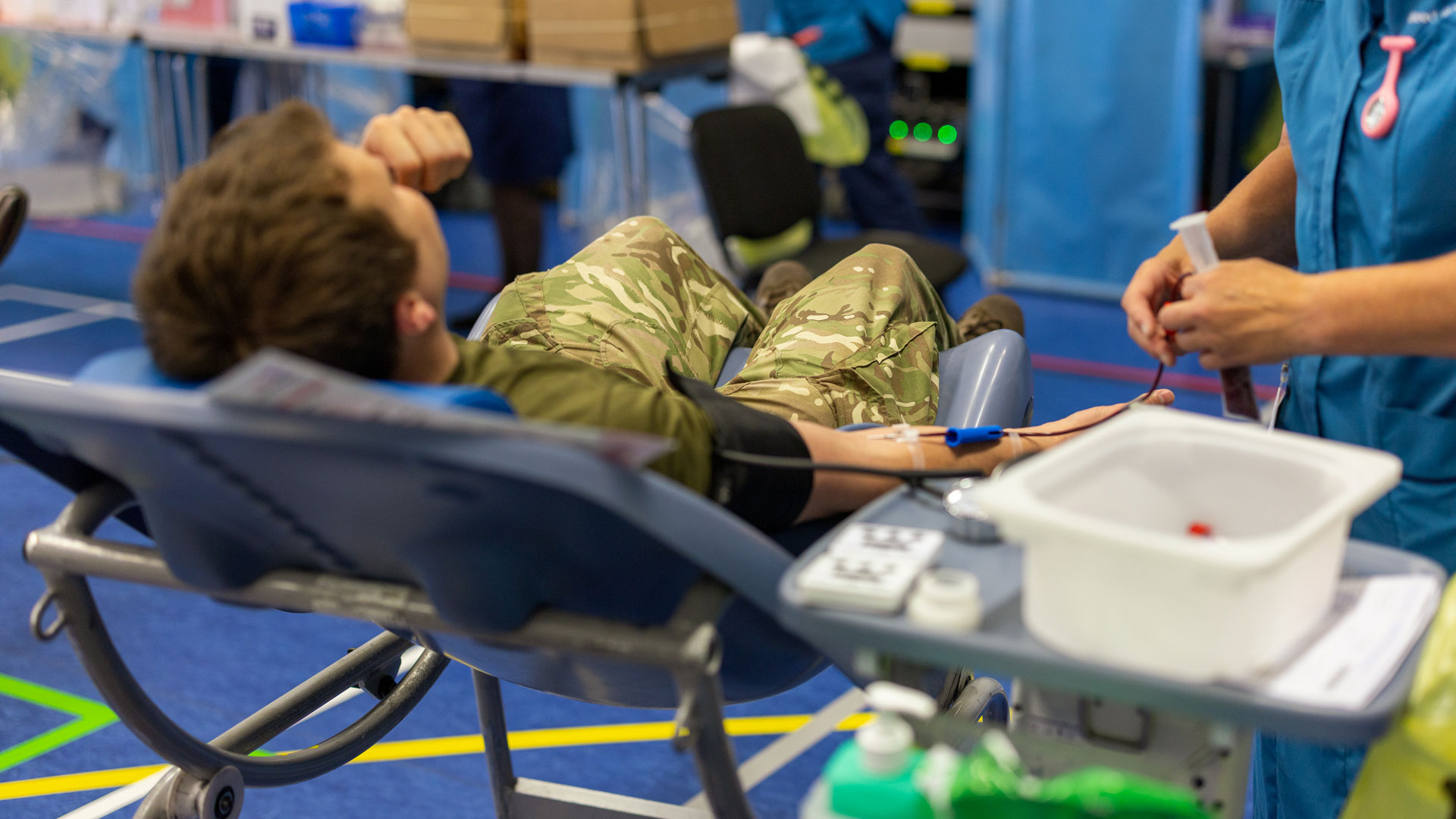
He said: "It's also in some ways much easier to administer because you can get that from a donor, a walking blood bank, if you like."
This reduces the dependence on complex and often disrupted supply chains.
Blood as a strategic resource
During the Second World War, commanders knew that blood supply availability was crucial for military efficiency and effectiveness as it saved lives and helped return personnel to duty, minimising public and political criticism.
The British forces were pioneers in this regard.
In contrast, Nazi Germany failed to prioritize blood, missing its lifesaving potential and demonstrating a shortsighted approach to medical care.
The UK Armed Forces recognised that saving lives helped maintain public support and ensured that returning veterans could contribute positively after the war.
Mr Bailey said: "The story of blood in the Second World War is not just about battlefield medicine, but it is about society and culture and it's about improving survival rates, which really impact on the military, but also on society."
The Lifesavers: The Trailblazers of the Second World War Who Took Blood into Battle by Roderick Bailey is now available to buy.
Related topics
Join Our Newsletter