Royal Navy's new homegrown paramedic graduates to add new frontline capability
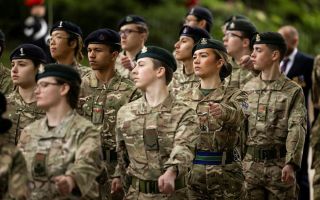
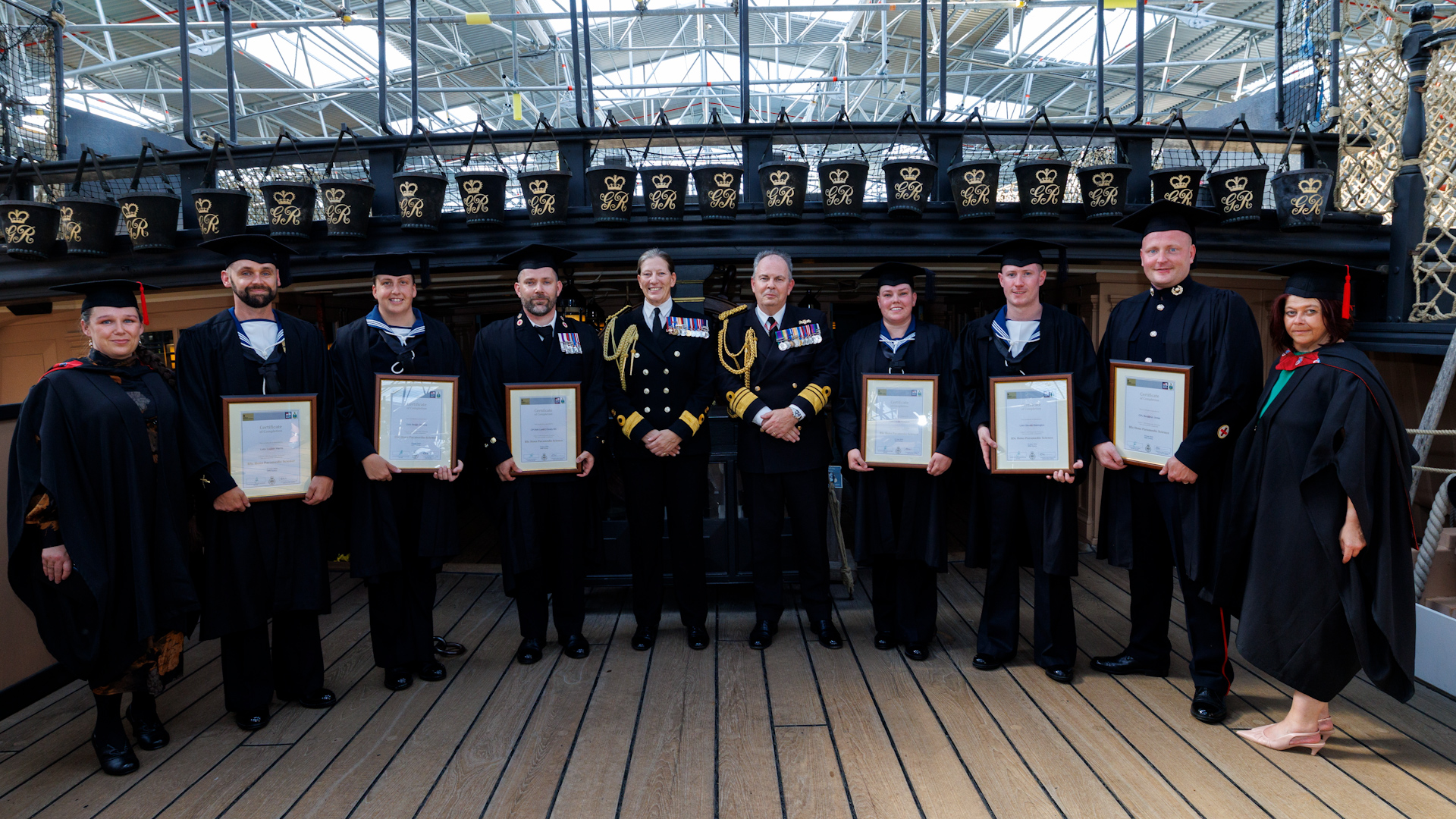
The Royal Navy's first internally trained paramedics have graduated with a ceremony on HMS Victory to mark the major milestone.
The enhanced paramedic training programme is designed to improve the Royal Navy's operational readiness, with clinicians who are able to operate in remote and high-threat environments.
Previously Royal Navy medics obtained paramedic qualifications externally, but evolving operational requirements, particularly Commando Force and Littoral Strike activities, highlighted the need for increased specialist skills.
The programme, delivered in partnership with the NHS and the University of Lancaster, combines academic study with extensive clinical placements and exposes trainees to a wide range of real-world emergency scenarios.
In addition, they are also gain experience of modern maritime operations.
Quality care tailored to operational environments
Leading Hand Steven Babbington, one of the graduates from this cohort, highlighted the importance of training Royal Navy Paramedics internally.
He said it "allows the Royal Navy to develop clinicians who understand the unique demands of military medicine from the outset".
"It strengthens the Medical Services' capability and ensures we can provide high-quality pre-hospital care that is tailored to the operational environment."
The six graduates completed a Bachelor of Science (Honours) in Paramedic Science in 2025 before consolidating their clinical skills within NHS Ambulance Trusts across the UK.
In additional to the regular training civilian paramedics receive, they were taught skills for military operations at sea and on land such as:
:: Austere and remote conditions
:: Prolonged Field Care
:: Operational adaptability
:: Maritime and expeditionary medicine
:: Independent decision-making
In contrast to civilian paramedics who generally work within structured emergency response systems, Royal Navy paramedics must be prepared to stabilise, treat and sustain patients over longer durations while fully integrated into operational teams.
Royal Navy paramedics enhance survivability by providing early advanced interventions such as haemorrhage control, airway management and critical care stabilisations.
Ensuring patients are treated, held or evacuated appropriately, paramedics not only maximise the effectiveness of limited medical resources, they also reduce the burden on Medical Officers during operations and in the field.
Related topics
Join Our Newsletter