Teen forces train throughout summer despite MOD cooling plans for cadet growth

A delay to funding expansion plans for the UK's military-sponsored youth organisations – known collectively as the cadets – has caused disappointment, senior figures affiliated with the organisations have said.
The Ministry of Defence had previously announced a cadet strategy with an ambitious plan to expand participation across organisations like the Sea Cadets, Army Cadet Force (ACF) and the RAF's Air Training Corps (ATC) by 30% by 2030.
But the publication of the delayed Defence Investment Plan in June revealed that those plans, and the £70m budget to fund them, have been shelved until the next decade.
Financial pledge followed by disappointment
Compounding the delay is a substantial reduction in MOD funding. According to a source speaking to BFBS Forces News, financial support for these organisations has fallen by millions of pounds over the last five years.
Across the UK, approximately 140,000 teenagers are members of these military-linked organisations – led by adult volunteers, including many veterans.
"If we go back to the publication of the [Strategic Defence Review in 2025], clearly that was an unprecedented level of recognition in the cadet forces and the contribution they make," said Colonel Simon Banks-Cooper, an Honorary Colonel of the ACF who sits outside the chain of command.
"It's because of that impact on society that having a growth target of 30% by 2030 was absolutely fabulous. That was swiftly followed by a promise of £70m of new money which, whilst not a windfall, was clearly a good start to invest in that growth."
But the news of those growth plans – which the Government announced with fanfare in July 2025 – now being shelved came as a bitter blow to honorary colonels like Col Banks-Cooper.
"I have to say that I am personally, and I know my honorary colonel colleagues feel the same, we are disappointed," he said.
"We're disappointed because it's a loss of momentum. There's now a risk that we lose some impetus and, in a worst-case scenario, that aspiration wanes completely."
Giving young people the chance to flourish
These are fears and criticisms that the minister responsible for cadet forces, former wing commander Calvin Bailey, has attempted to downplay, telling BFBS Forces News that cadets are a core part of society and the Government views them "with great love".
Asked why the ACF's budget had been cut by so much, Mr Bailey said the DIP included a "definite uptick" in funding for cadet forces, and acknowledged the delay to the previously announced growth plans.
"But there is real ambition to make sure that we keep funding our cadet forces, making sure that the places our cadets go to and operate out of are safe and fit for purpose," the Minister for Veterans and People added.
Mr Bailey, who as a teenager was himself a cadet, links his experiences in the youth movement with his subsequent 24-year career in the Royal Air Force and his role today as a government minister.
"I was 17 when I learned to fly, which was prior to me driving," he said. "That was something I did with the cadet forces.
"I don't know of any other organisation that provides those opportunities that allows our children to take all of those benefits and then go off and flourish in the world in whatever way they want."
Making new friends
Mr Bailey is not wrong. In fact, a study led by Professor Simon Denny found there was a high return on investment for the taxpayer cash used to fund the cadets.
He estimated that in health and wellbeing benefits alone, that return is valued at £120m annually. But you only need to speak to the teenagers themselves to hear how these organisations are transforming lives.
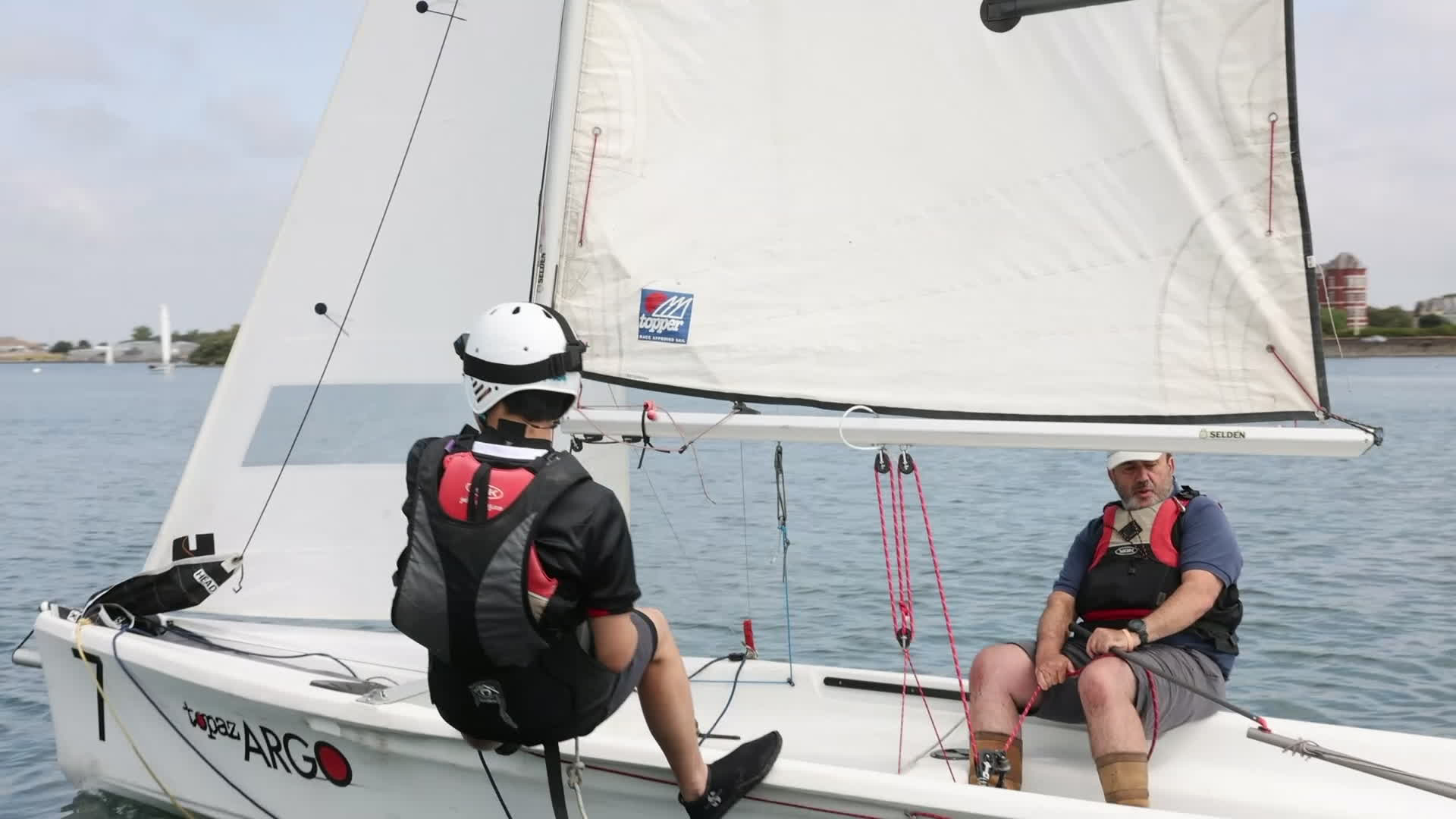
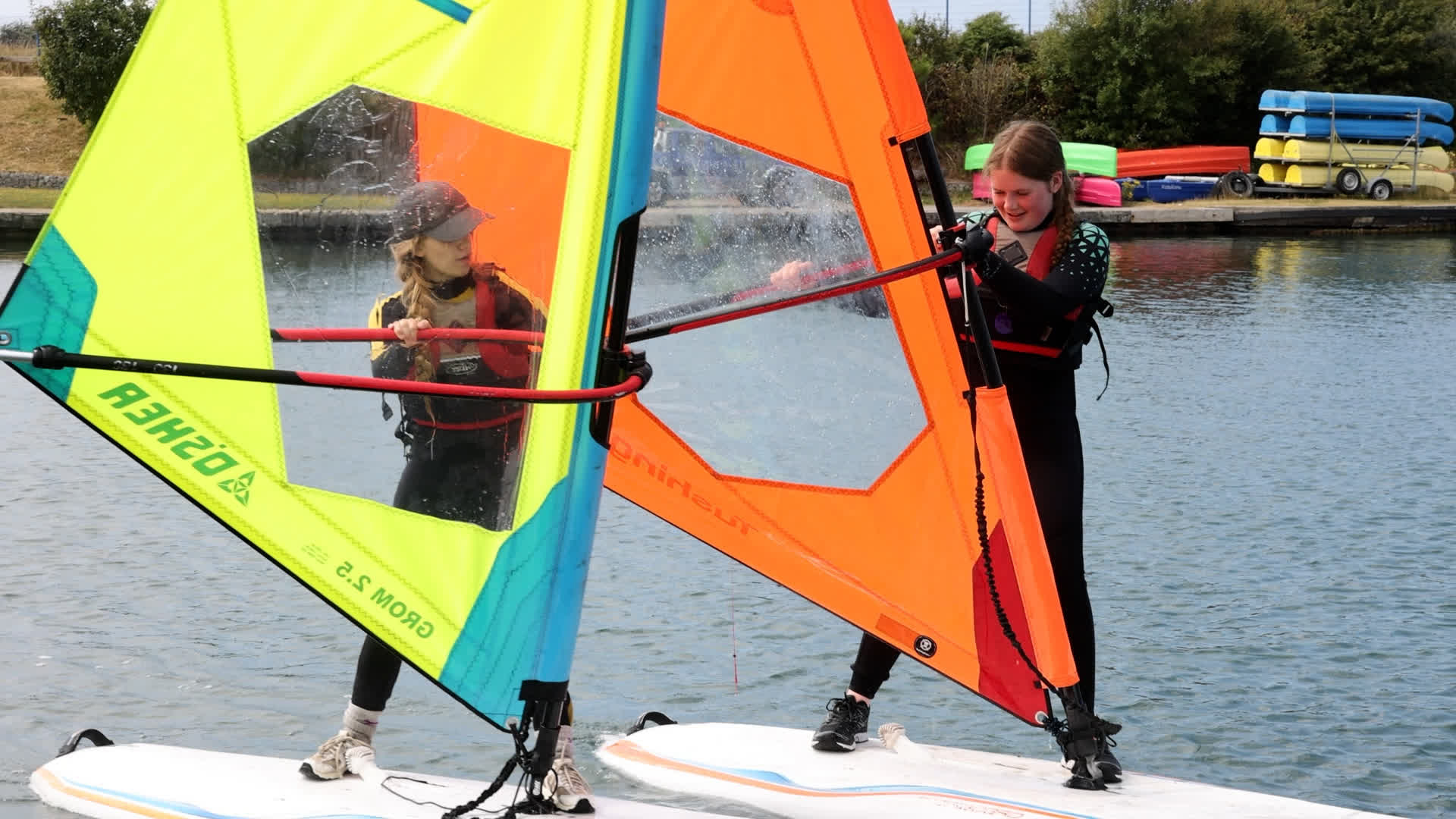
BFBS Forces News visited two training camps in July. The first was a Combined Cadet Force – Royal Navy Section – sailing week in Southport, where schoolchildren from across the UK had come together to gain real-world qualifications on the water.
The second was an ACF annual camp near Liverpool, attended by 400 youngsters from Humberside and South Yorkshire.
Zach, 16, was four days into a Level 3 seamanship course. He's a pupil of fee-paying Haberdashers' Boys' School in Hertfordshire, which has its own CCF detachment.
"I've mostly been learning how to sail better than I was before. So like fixing things about my technique and getting my understanding of the boat better," he explained.
During the week-long residential course run by Royal Navy personnel, Zach met Alfie, a 14-year-old boy from an academy school in Manchester.
He was also gaining qualifications on the water and making new friends in the process.
"I've been learning how to use a powerboat successfully and safely," Alfie said. "It's been really good – the instructors are nice and treat you well."
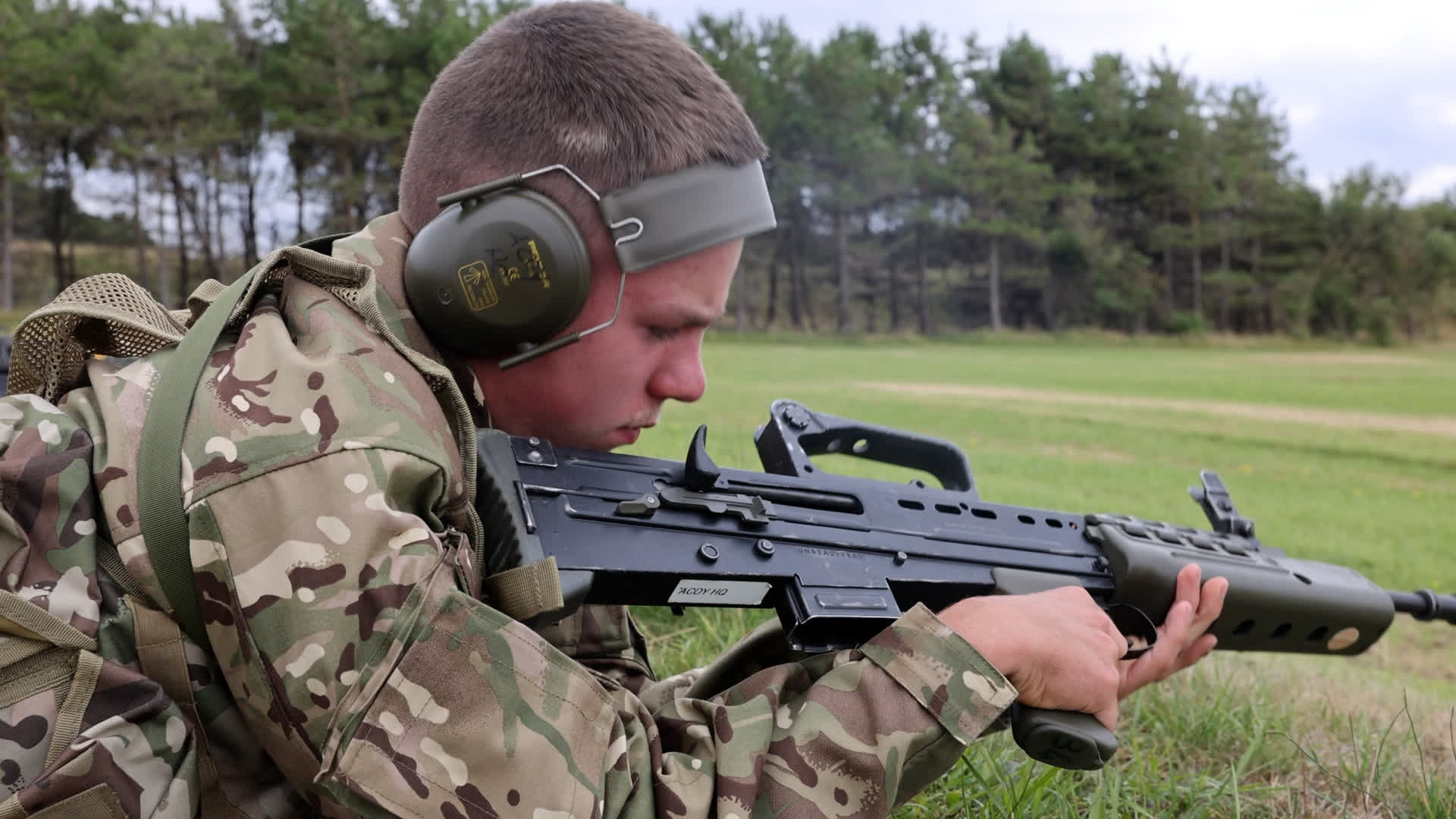
At Altcar Training Camp near Liverpool, 17-year-old George was enjoying what could be his last annual trip away with cadets before he pursues a career in the British Army – just one of hundreds of teens who make the leap from military-sponsored youth clubs to regular service each year.
"I joined at 13," he said. "I was always wanting to join the Army and my parents were very supportive of that, so I joined the cadets just to see if I liked the lifestyle and all that. And I do, so I just carried on."
Society benefits too
The cadet organisations are – officially – not there to help with the recruitment woes of the UK Armed Forces, which have steadily started to grow over the past two years.
But it's hard not to see the obvious link between putting teenagers in Army uniforms and teaching them how to fire rifles, with the likelihood that many will naturally move on to regular military service.
It is perhaps why these organisations were included in the Government's Strategic Defence Review last year.
For Col Banks-Cooper, though, the benefits of cadet service should be viewed primarily as a society-wide gain.
"Generations of cadets keep coming back to do this same activity," he said. "And what it really demonstrates is that the young people, and the adults that are looking after those young people, are all getting something out of this both personally and from a career perspective.
"And we can't forget that there is a real sense of service going on that people want to give something back."
Related topics
Join Our Newsletter