Specialist divers from the Royal Navy will use a remotely controlled submersible vehicle – proven in combat by Ukrainian forces – to assist with a potential mission in the Strait of Hormuz.
The Video Ray Defender-Viper system is capable of finding, identifying and safely destroying underwater devices, and forms part of an arsenal of kit loaded onto RFA Lyme Bay.
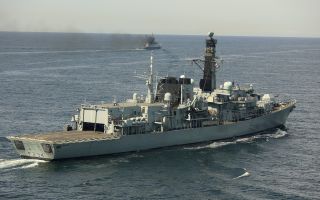
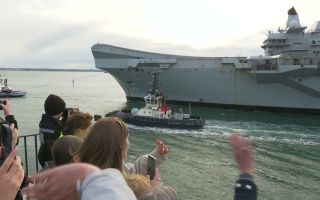
The vessel, now repurposed as a minehunting mothership, set sail from Gibraltar early last week, bound for the Middle East.
Exposing hidden threats
Having undergone a crash course in recent weeks, specialists from the Diving Threat and Exploitation Group (MXTG) will operate the small yet effective systems, particularly suited to dealing with buoyant mines that sit just below the surface of the ocean.
Cheap to manufacture and highly devastating, these mines inflict massive damage to the hulls of passing surface ships and submarines.
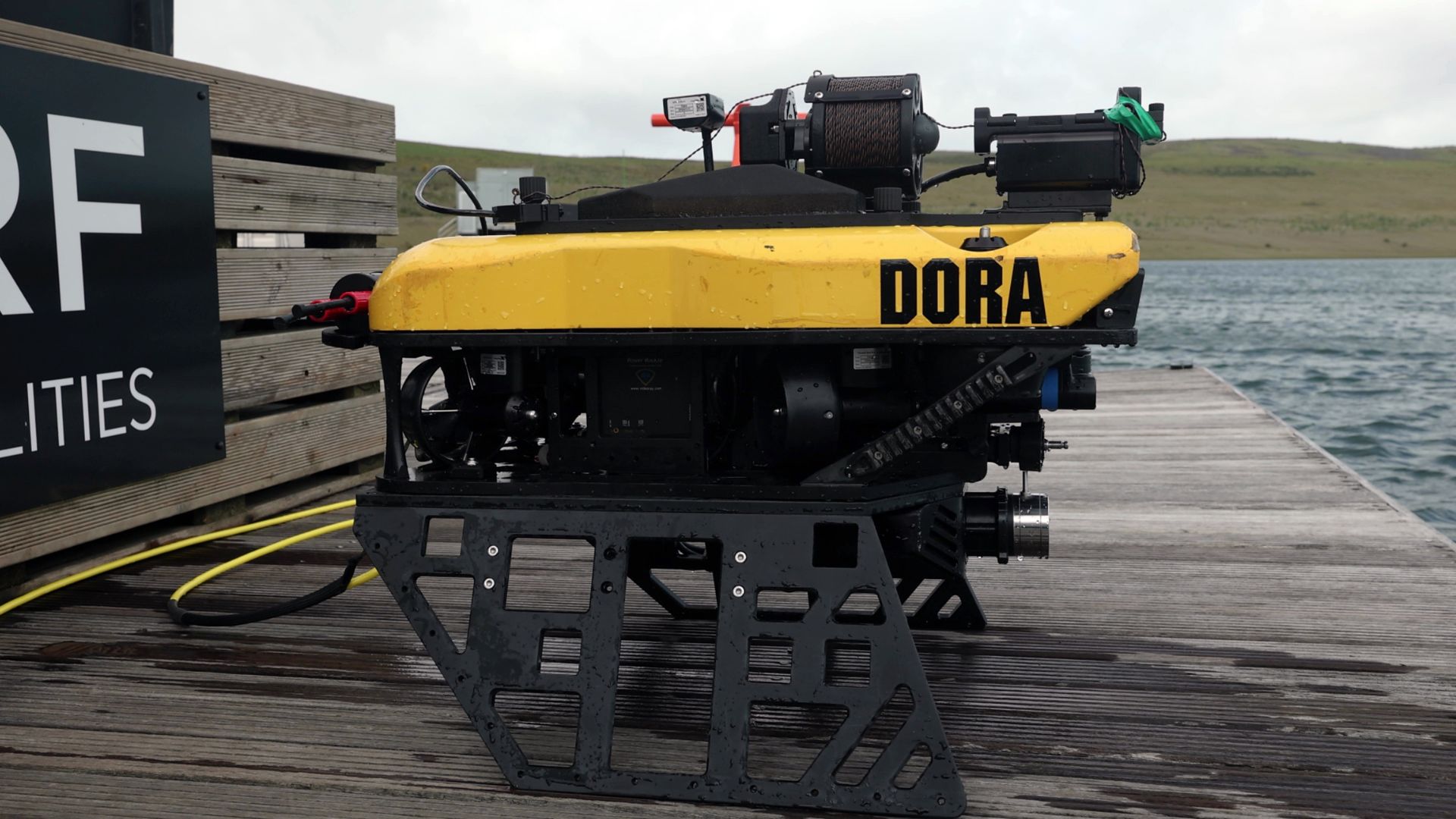
The Defender-Viper comprises two pieces of kit: the Defender vehicle itself, and the Viper, which nails a demolition charge to a mine.
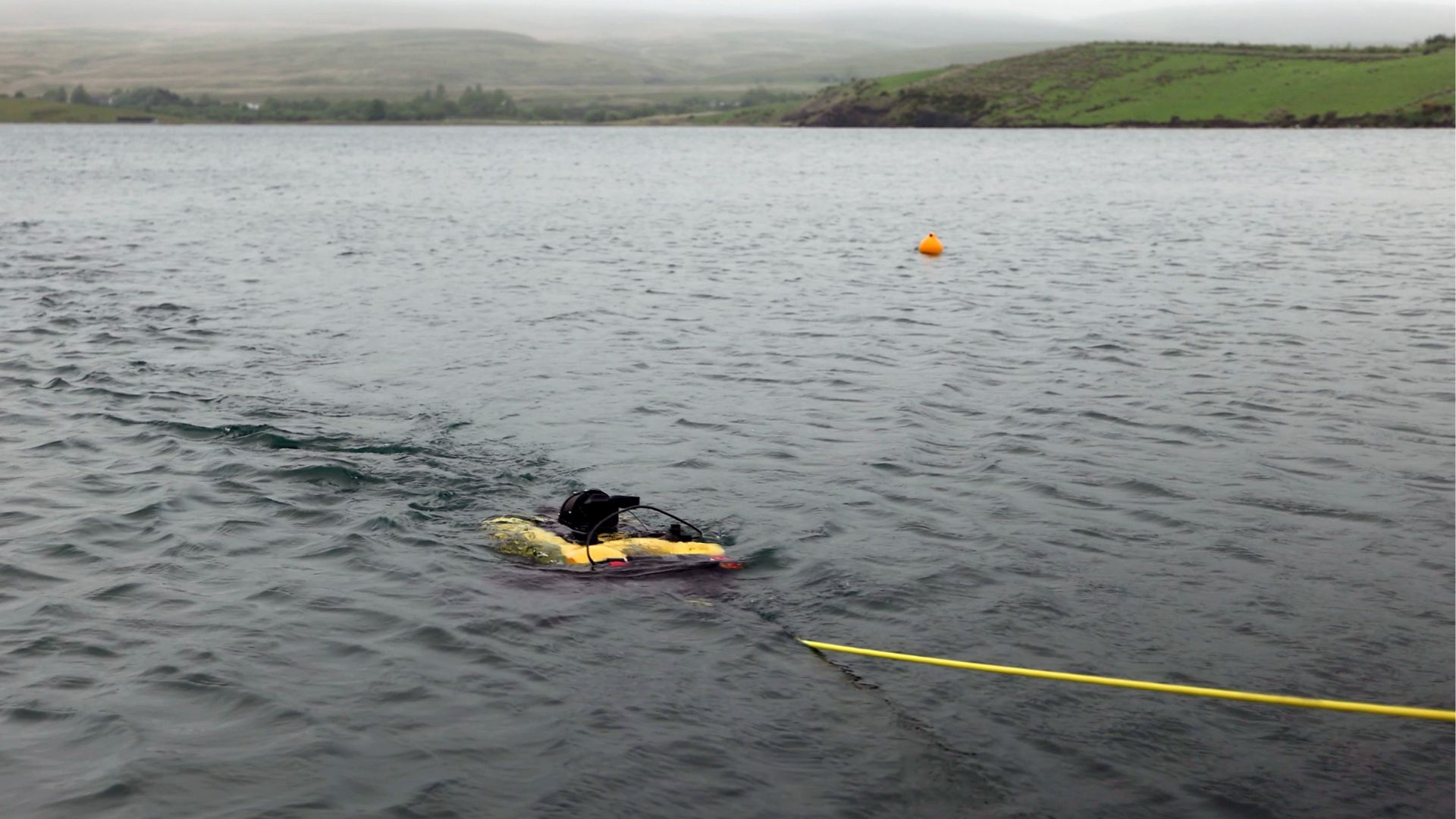
It is controlled from a laptop, a small boat, or from a small command centre set up in a shipping container or compartment on board a ship.
The system can be steered manually or target independently following pre-set coordinates, and video and sonar feeds are constantly fed back to the operator.
Once in position, the Viper is fired into the mine, attaching the weapon while the Defender retreats, unravelling the firing cable as it goes – rather like a barb from a bee.
Now at a safe distance, the operator fires the weapon, shouting: "Standby to fire... firing now" and the charge detonates.
Carrying a shaped charge that focuses the force of the explosion in a precise direction, the vehicle is capable of penetrating steel more than one metre thick. Meanwhile, Defender is hauled back to the mother vessel, ready for its next mission.
Seeing beyond
Able Seaman Charlie Rich – who has spent five-and-a-half years as a clearance diver – is among those trained to use the new kit, and was impressed by its ability in low-visibility conditions.
"There are occasions when it is so dark, visibility is so bad that you're literally hoping to bump into something. With this, the sonar is fantastic, so we can see through the darkness and murkiness," he said.
"The system has the potential to be phenomenal – and we still possess our fundamental skills to fall back upon if it doesn't work for some reason and get in the water."
The Royal Navy has said further training with Defender-Viper will be conducted before a dozen-strong 'mission team' joins RFA Lyme Bay ahead of the potential mission.
There are still conflicting reports over whether Iran has laid mines in the Strait of Hormuz.
Despite repeated searches of the critical strait, the US have found no concrete evidence and is yet to confirm.
Still, the deployment of RFA Lyme Bay has signalled that the UK – along with other nations – is aware of this dangerous and persistent threat, as they look to reopen the key trade route.
Related topics
Join Our Newsletter