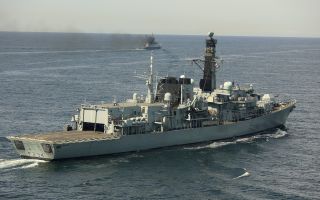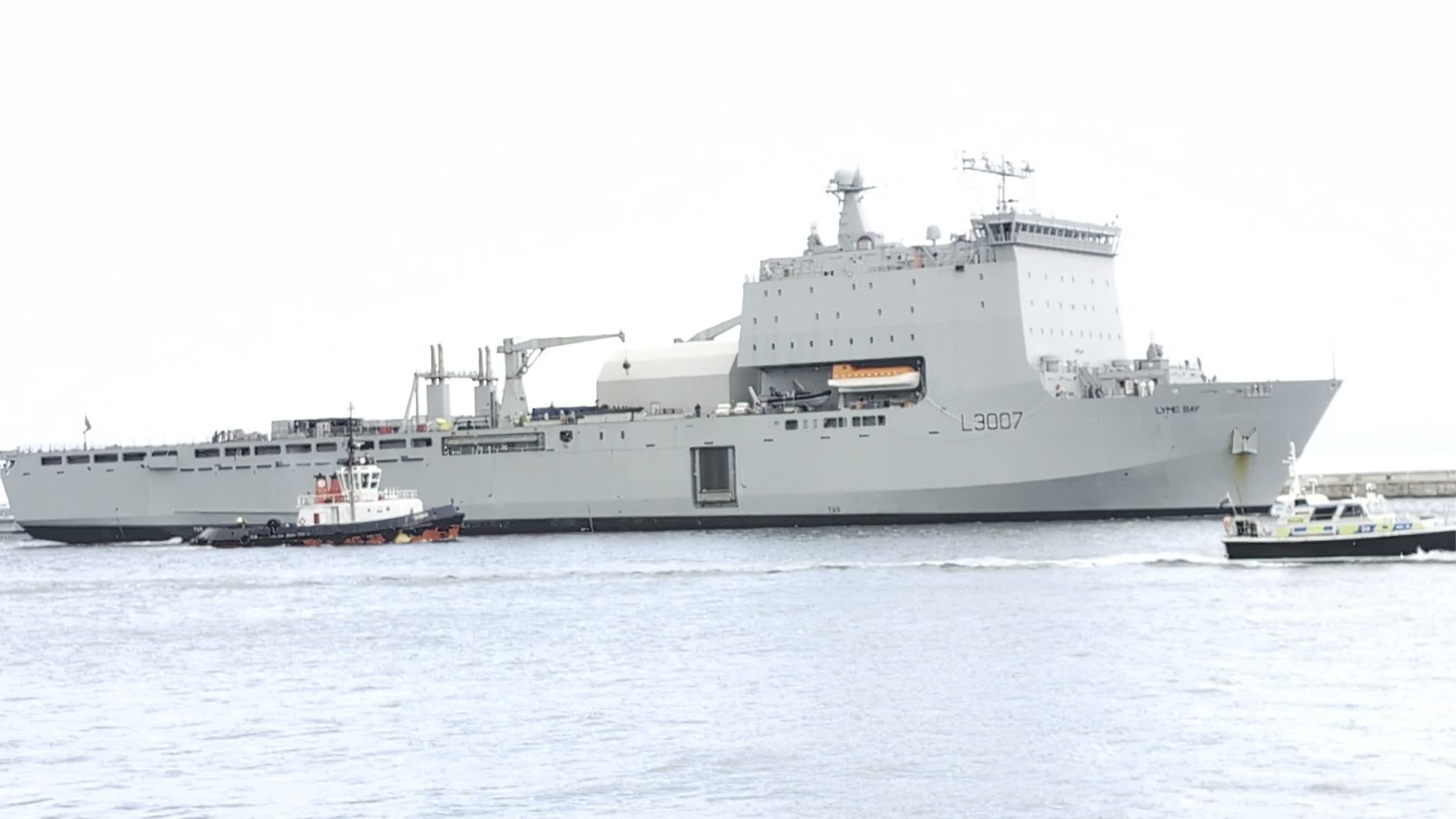
After weeks of preparation, RFA Lyme Bay has left Gibraltar, fully repurposed as a minehunting mothership ahead of a potential mission in the Strait of Hormuz.
She has sailed with more than 100 expert minehunting personnel from the Royal Navy's Diving and Threat Exploitation Group (DTXG) and Mine and Threat Exploitation Group (MTXG) on board to operate the array of cutting-edge vessels to secure and safeguard freedom of navigation in the critical waterway.
The deployment comes amid growing concerns that the strait, through which roughly one-fifth of the world's oil passes, could remain closed indefinitely if the proposed peace agreement between Iran and the US fails to materialise.
Her deployment to the strait marks the beginning of a new era of maritime warfare, a defence expert previously told BFBS Forces News, as underwater mines continue to remain one of the most significant strategic threats.
Delivering a credible, modern capability
According to the Royal Navy, all the technology loaded onto RFA Lyme Bay has undergone thorough testing in the UK, having already been used in various exercises around the globe.
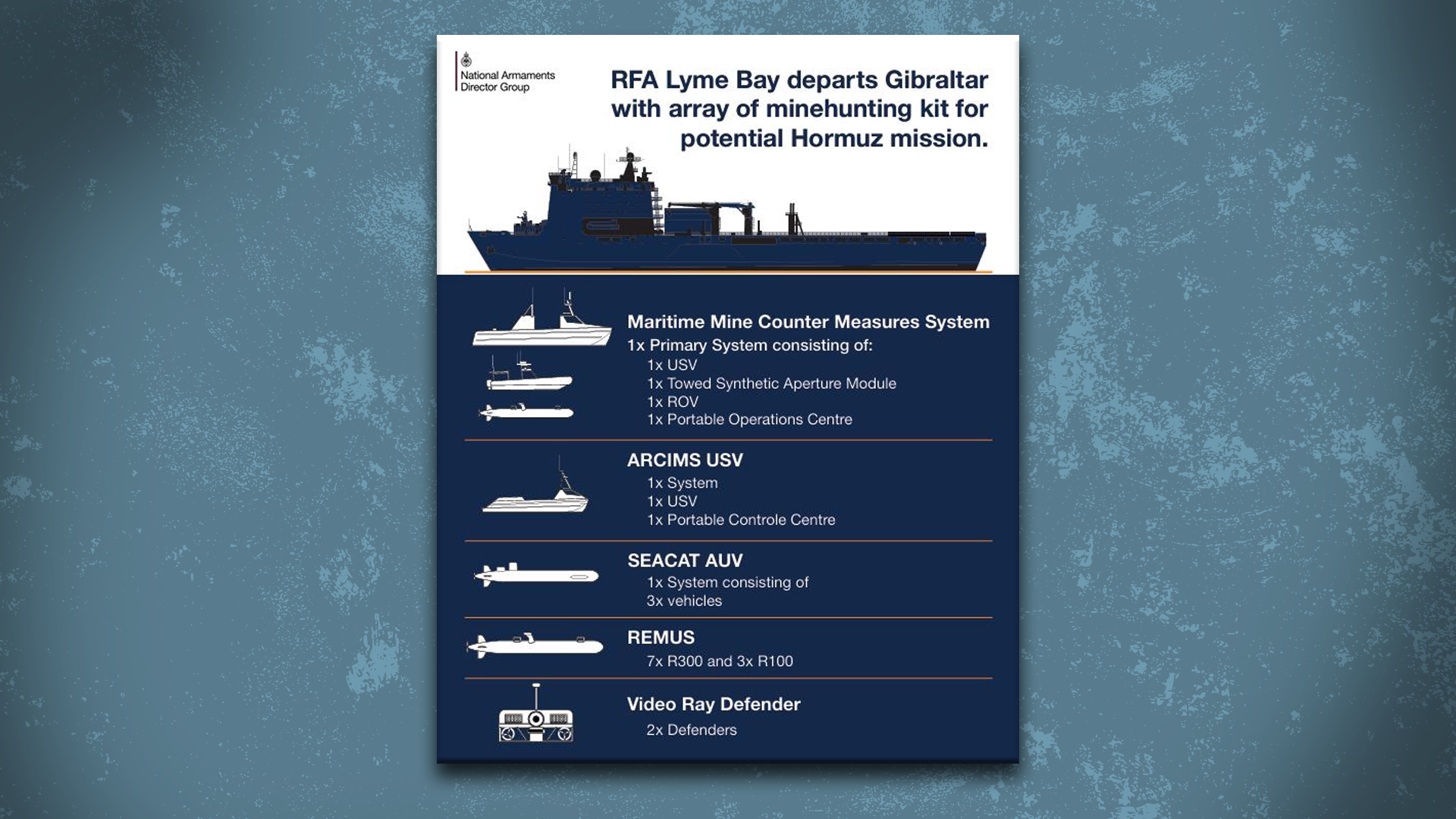
The kit on offer includes RNMB Ariadne, a 12m uncrewed surface vessel (USV), which can carry a sophisticated payload and is operated from a remote command centre.
This means mines can be rapidly detected more cost-effectively and safely than in the past.
Other equipment comprises a multi-role crewless boat which can deploy Seacat, the Royal Navy's surface-to-air missile system, an autonomous underwater vehicle (AUV) that can generate detailed 2D and 3D sonar imagery of the seabed, and the Remus uncrewed underwater vehicle (UVV).
Bright yellow, torpedo-like submersibles act as the eyes and ears of the Royal Navy's mine warfare experts. Operating autonomously, they scan the seabed to locate underwater threats while keeping personnel safely out of harm's way.
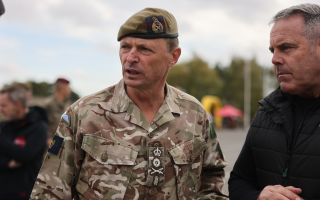
Commander Dan Herridge, Commanding Officer of MTXG, said personnel will embark on RFA Lyme Bay with a clear purpose, to "deliver a credible, modern Mine Countermeasures capability".
"Enabled by the Minehunting Capability Programme, they will employ cutting-edge sensors delivered through autonomy and AI to detect threats to the maritime community in some of the world's most challenging environments," he said.
"Working closely with specialists from DTXG, these threats will be neutralised. This deployment reflects a significant, collective effort from across the enterprise, bringing together people, platforms and technology at short notice to field an effective modern capability and ensure the Royal Navy remains ready to counter evolving maritime threats."
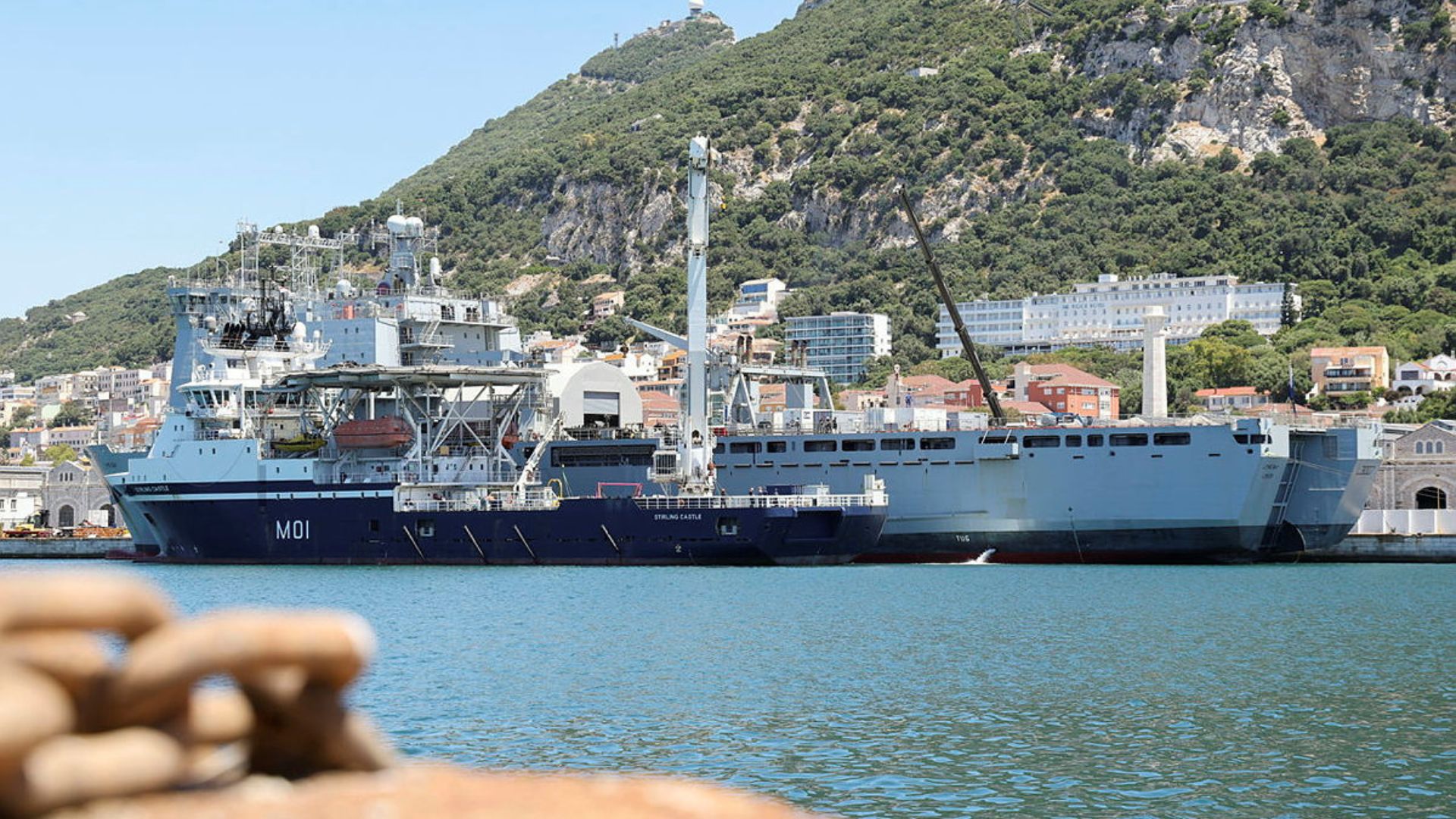
All bases covered
Many of the 100 personnel have operated previously in the Middle East on traditional minehunting ships, bringing with them a wealth of knowledge and experience that can prove vital for operations in the Gulf.
Discussing the Bay-class landing ship's deployment, Rear Admiral Philip Game, Director Operations for NAD Plans and Portfolio, said: "We are working alongside British industry to deliver advanced autonomous capabilities directly to the frontline.
"This mission is not just a temporary crisis response; it reflects our role as a trusted advisor and strategic partner, deploying UK tech to protect global commerce and reinforce our long-standing security commitments in the Gulf."
Aside from loading up with new equipment, the vessel underwent a cyber check to ensure she and those on board are protected from digital spies and hackers ahead of her deployment.
While she was docked in Gibraltar, experts from the Royal Navy Digital's Maritime C5i Support Unit (MCSU) conducted an assessment of the support ship's IT and personal electronic devices, including mobile phones, tablets, and smart watches.
The team identified both strong areas and room for improvement, including anti-virus management and adherence to the portable electronic device policy.
Related topics
Join Our Newsletter