Strait of Hormuz: Closure of one of world's most important shipping lanes in numbers

The Iran war has impacted many areas of society – from food prices to jet fuel – but, given its location, Operation Epic Fury has dramatically affected the global shipping industry.
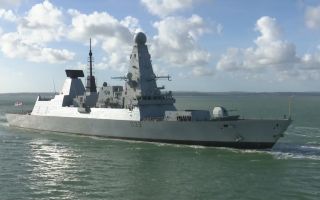
The situation has led world leaders to try to find a diplomatic solution to the closure of one of the world's most important shipping lanes, with the UK and France announcing last month that the pair will coordinate a peaceful mission to defend the freedom of navigation in the Strait of Hormuz once the war is over.
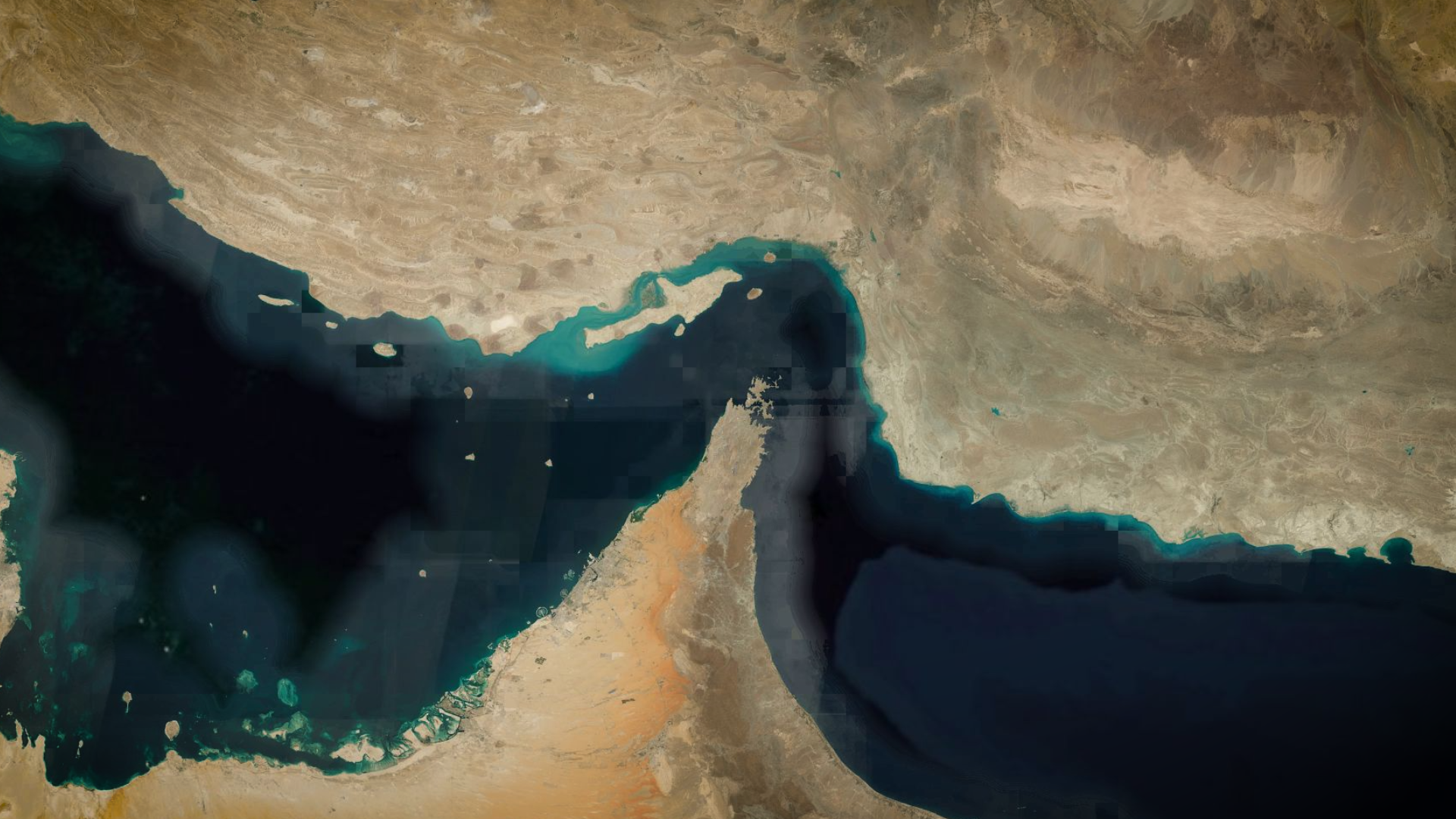
The Strait of Hormuz is a narrow waterway south of Iran and one of the world's most important trade routes, through which a fifth of the global oil and seaborne gas is shipped from production facilities and refineries in the Gulf to buyers around the world.
90% – the amount that shipping traffic has reduced since the war began
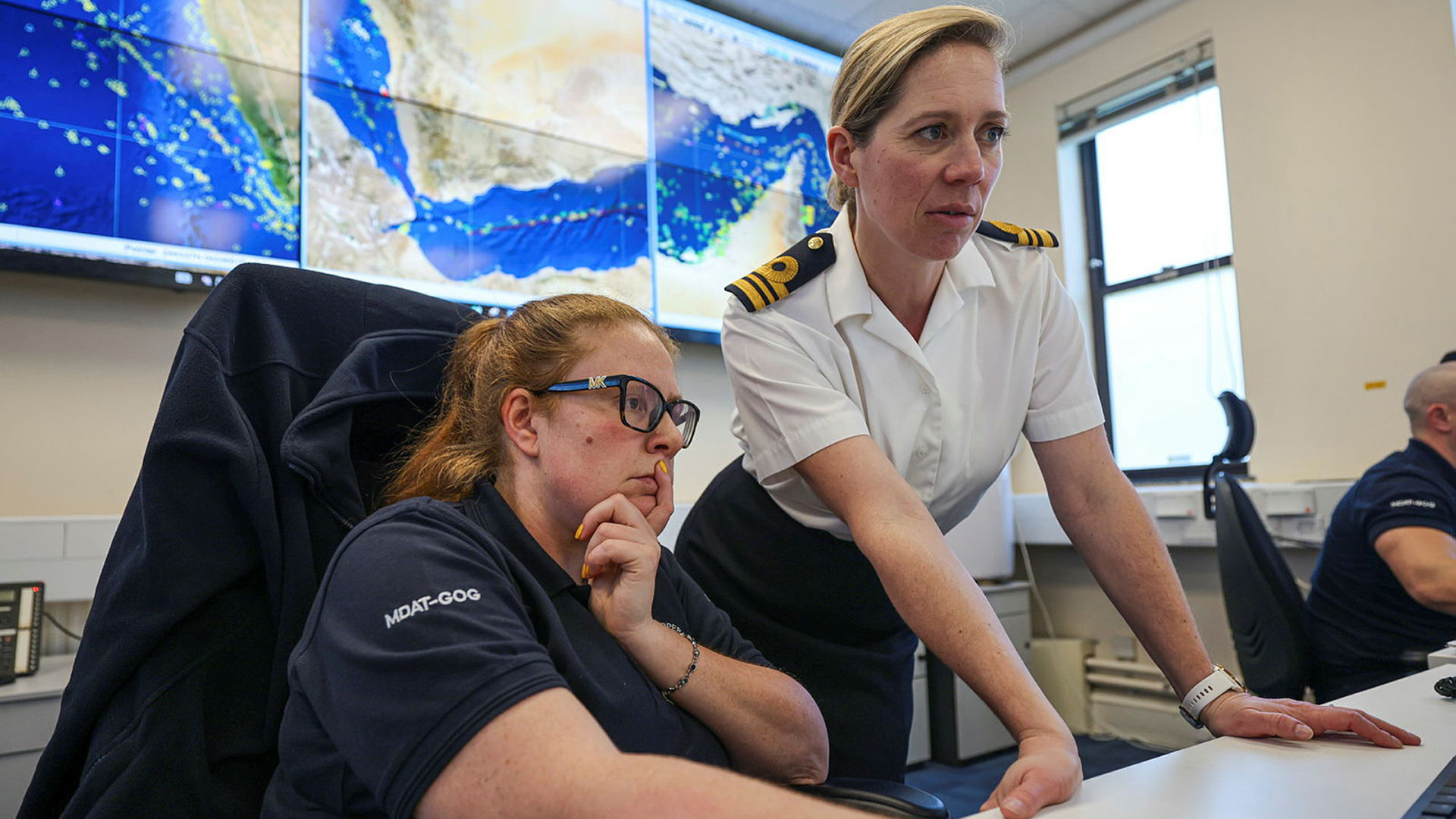
Shipping traffic in the Strait of Hormuz has decreased by more than 90% since the Iran war began, experts from the Royal Navy-led monitoring the region's waters have said.
The attacks or threats of attack – despite claims by Iranian authorities, there has been no evidence yet of the strait being mined – on shipping vessels have all but closed the traffic separation scheme, the 'shipping motorway', traditionally used by shipping to enter and exit the Gulf safely.
Before the strait was shut, around 130 ships a day were sailing through; now it is fewer than 10 vessels daily, a 2:1 split of ships leaving and entering, according to the team at UK Maritime Trade Operations (UKMTO), based at Portsdown Hill, overlooking Portsmouth.
Two dozen – the number of ships 'attacked'
The experts found that more than two dozen ships have been damaged or suffered casualties attempting to get out of the Gulf since the war began at the start of March.
Reports have gone "through the roof", with the centre recording 41 incidents between March and April, especially in the Strait of Hormuz.
The incidents include 26 'attacks' where ships or their crew were damaged or suffered collateral damage, such as shrapnel from an intercepted drone, four incidents of merchant ships being harassed, and nine vessels experiencing near-misses.
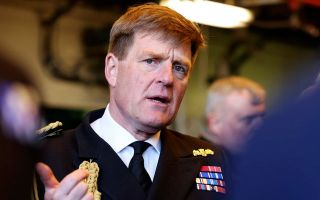
"The most distressing calls are those from ships under attack," Commander Jo Black, UKMTO's head of operations, said.
"It's an absolutely terrifying experience for them – they're civilians, they're not prepared for this. Drones, missiles, small arms fire aimed at their bridge or engine room, and threats to their safety – so they're stressed, many speak only very rudimentary English, and they're trying to describe things often beyond their comprehension."
Cdr Black explained that the team tries to reduce their stress and get a picture of what is going on in the region, so that they can share it with other seafarers and organisations.
20,000 – the sailors impacted by an impending humanitarian crisis
The team have warned of an impending humanitarian crisis impacting upwards of 20,000 sailors holed up in the Middle East.
The sailors are stuck because between 850 and 870 merchant ships, including tankers, natural gas transporters, container vessels, and cargo ships, are clustered in anchorages inside the Gulf.
The UKMTO staff are concerned about the impact on the crews of the trapped ships.
"Our first concern is for the safety and security of seafarers," Cdr Black added. "Crew changes are not taking place. Sailors are not going home, food and supplies are getting through, but are reduced and there's also the impact on mental health longer term.
"It's not an issue yet, but if the situation persists, it's likely to become one."
The UKMTO
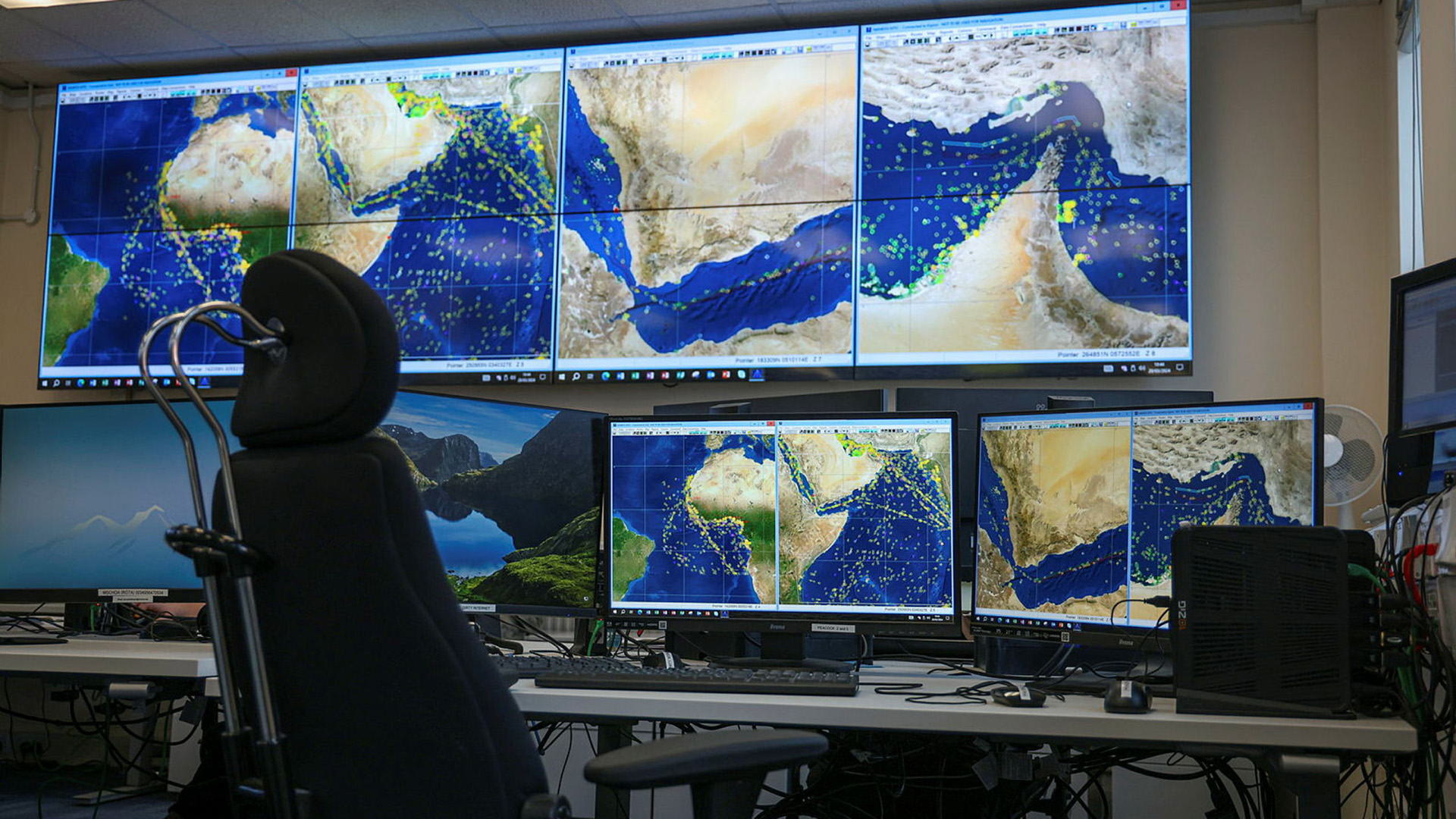
The centre builds a comprehensive picture of maritime activity across the Middle East, using mostly open-source information: AIS transponders which transmit the ship's identification information and movements, social media, voluntary reports from ship's masters, and news outlets.
The UKMTO, which was created in the wake of 9/11, acts as both '999 call centre' for seafarers passing through the Red Sea, Gulf, and northern Indian Ocean, and an information service, warning of threats and dangers to mariners lawfully plying their trade.
Related topics
Join Our Newsletter