It's a first: Royal Navy specialists launch submersible from Japanese warship
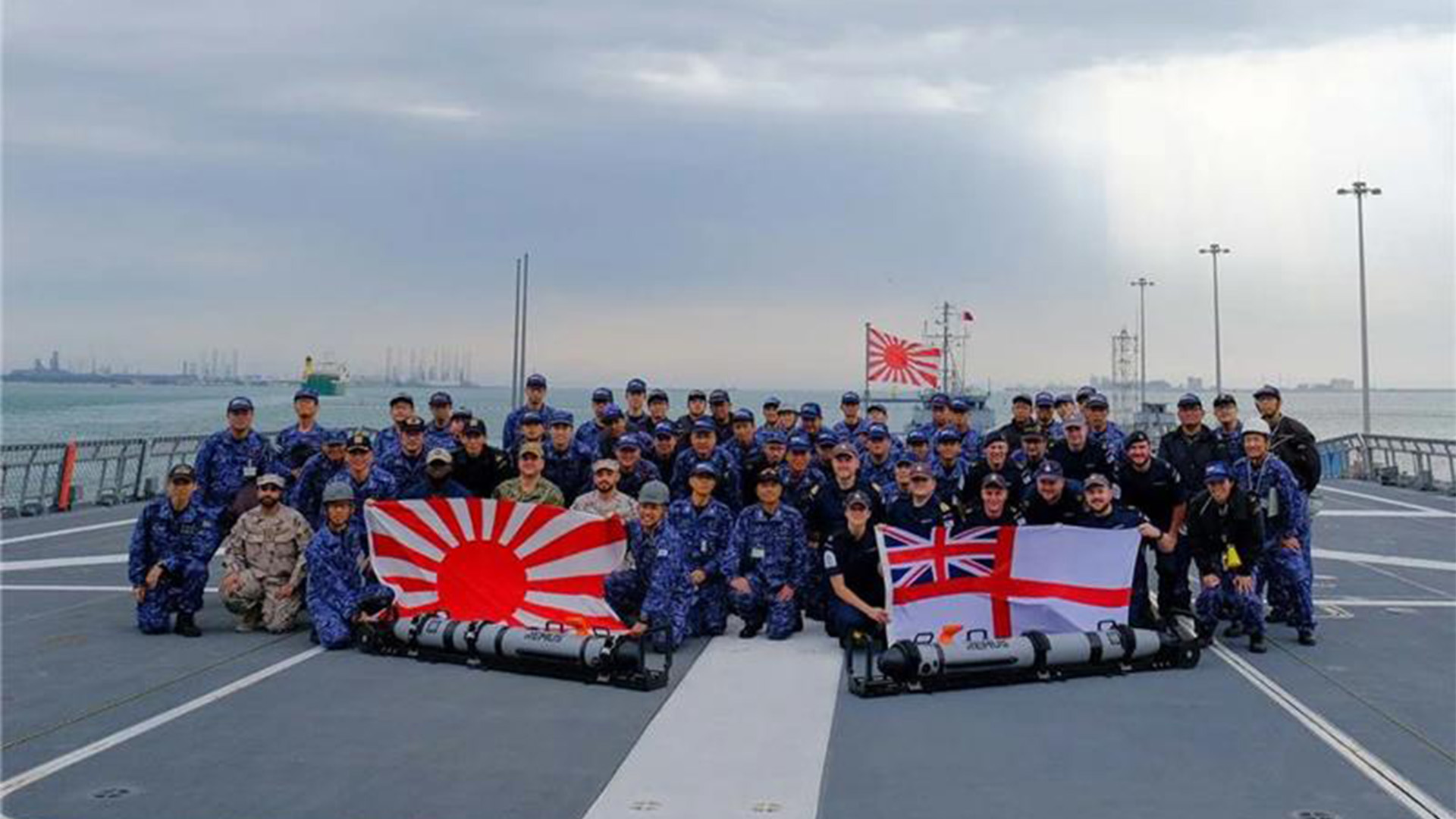
Royal Navy mine disposal experts have been working with their counterparts from Japan - launching a submersible from a Japanese warship for the first time.
The British sailors, who are part of X-Ray Unit 1 of the Mine and Threat Exploitation Group (MTXG) boarded the Japanese minesweeper JS Bungo during International Marine Exercise 2025 (IMX 25).
The team members are specialists in operating uncrewed underwater vehicles to detect potential threats under the sea.
The JS Bungo, a Uraga-class mine countermeasure vessel from the Japan Maritime Self-Defence Force, was the lead ship on the exercise.
X-Ray Unit 1 deployed its Remus 300 submersible from the Japanese vessel.
IMX 25 is the second largest global maritime exercise in the world, involving over 30 nations, international organisations and more than 5,000 personnel.
It's held across the Red Sea, Gulf of Oman and Gulf of Aden - and takes place in the air and on land as well as at sea.
"IMX 2025 has helped to continue demonstrating the collective commitment to the rules-based order within the region," said Lieutenant Craig Wadley, the officer in charge of X-Ray Unit.
"[It] has allowed X-Ray Unit 1 to work alongside the Japan Maritime Self-Defence Force to better understand our shared tactics, techniques and procedures."
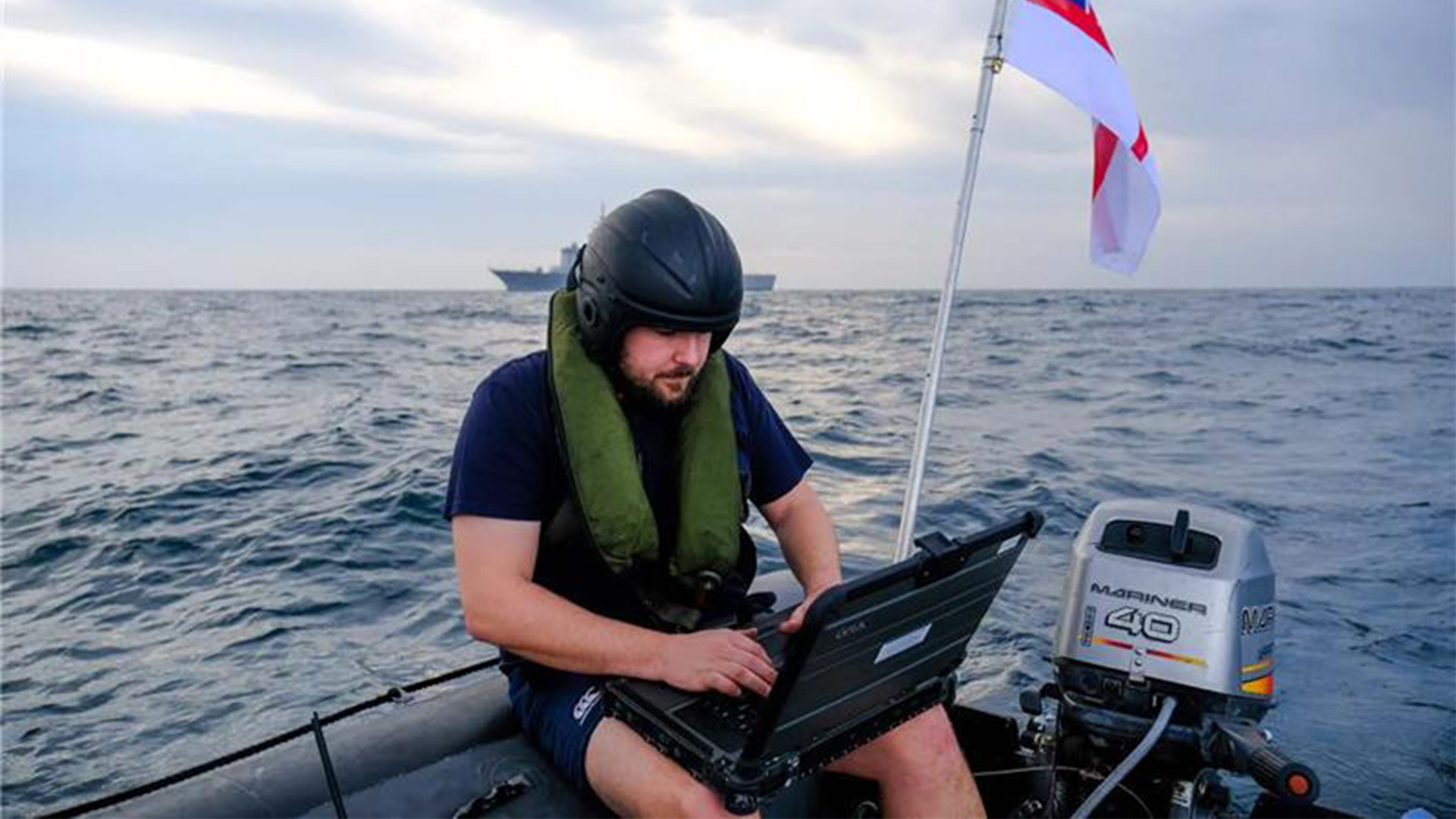
Members of MTXG X-Ray Unit 3 and divers and bomb disposal teams from the Diving and Threat Exploitation Group were also on the exercise, as well as Royal Marines from 42 Commando.
"The Royal Navy is more than ships; our talented people enhance regional stability and maritime security," said Captain Brian Drewett, who worked on the planning phase of IMX 25.
"Collaborating with the US and allies, IMX shows how our people boost global maritime security, build interoperability and strengthen relationships."
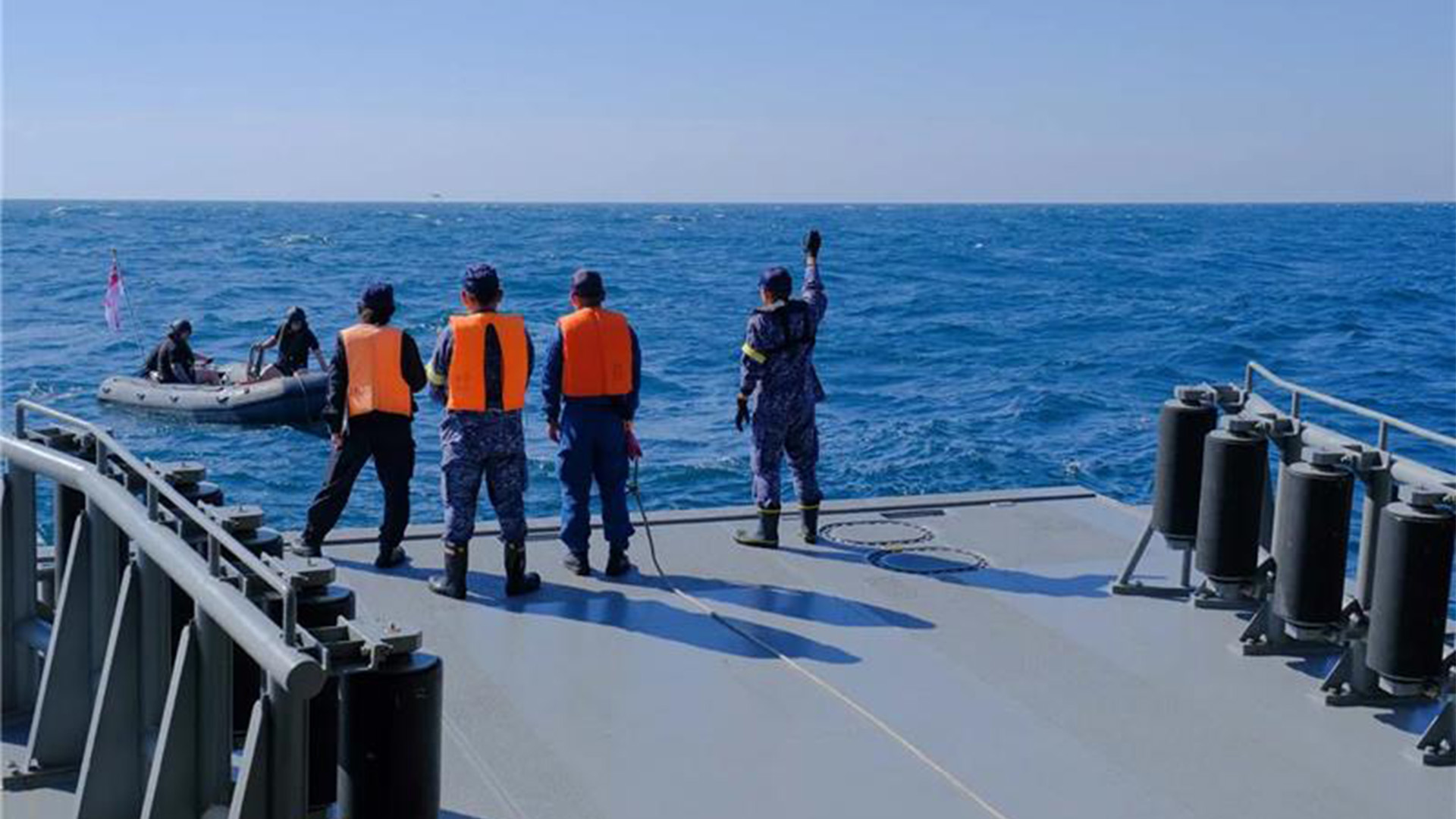
The Royal Navy team also took the opportunity to develop working relationships with the Japanese navy.
"Through this exercise, we successfully demonstrated the ability to deploy UK uncrewed underwater vehicles from Japanese minesweeper tender ship Bungo, as well as the capability to launch and recover UK boats," said JMSDF Captain Amano Shinsuke.
"This represents a significant advancement for future combined operations."
Join Our Newsletter