Ensuring safety in the strait: Mine-hunting drones transferred across from HMS Stirling Castle
HMS Stirling Castle has arrived in Gibraltar for the transfer of autonomous mine-hunting drone boats to RFA Lyme Bay.
The two ships are moored next to each other so the unmanned surface vessels (USVs) can be craned over to Lyme Bay, which is intended to act as a mothership for clearance operations in the Strait of Hormuz.
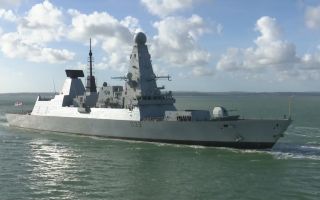
HMS Stirling Castle is a commercial vessel which has been adapted to protect seabed infrastructure and communications.
RFA Lyme Bay has been in Gibraltar since deploying to the Eastern Mediterranean early in Operation Epic Fury in case of possible non-combatant evacuation operations following the US/Israeli attacks on Iran.
Lyme Bay is a logical option for a mothership in the Gulf of Oman as she is larger with more accommodation and carries Phalanx air defence systems for protection.
Footage provided to BFBS by Daniel Ferro (X/@Gibdan1) shows Stirling Castle has brought a variety of autonomous systems to Gibraltar.
These include Royal Navy Motor Boat (RNMB) Ariadne. This USV is 12 metres long and can deploy and tow the Thales TSAM.
TSAM stands for Towed Synthetic Aperture Multiviews, which is an advanced, side-scan sonar system used for naval mine countermeasures.
Also carried on HMS Stirling Castle is Atlas Elektronik's RNMB Halcyon. This class of craft is operated by the Royal Navy's Mine Threat and Exploitation Group.
RNMB Halcyon can deploy a variety of payloads which detect mines or trigger mines to think a ship is passing by.
It is believed no mines have been detected so far by the US Navy working in the Strait of Hormuz.
However, the threat of them means the assumption has to be that they could be present.
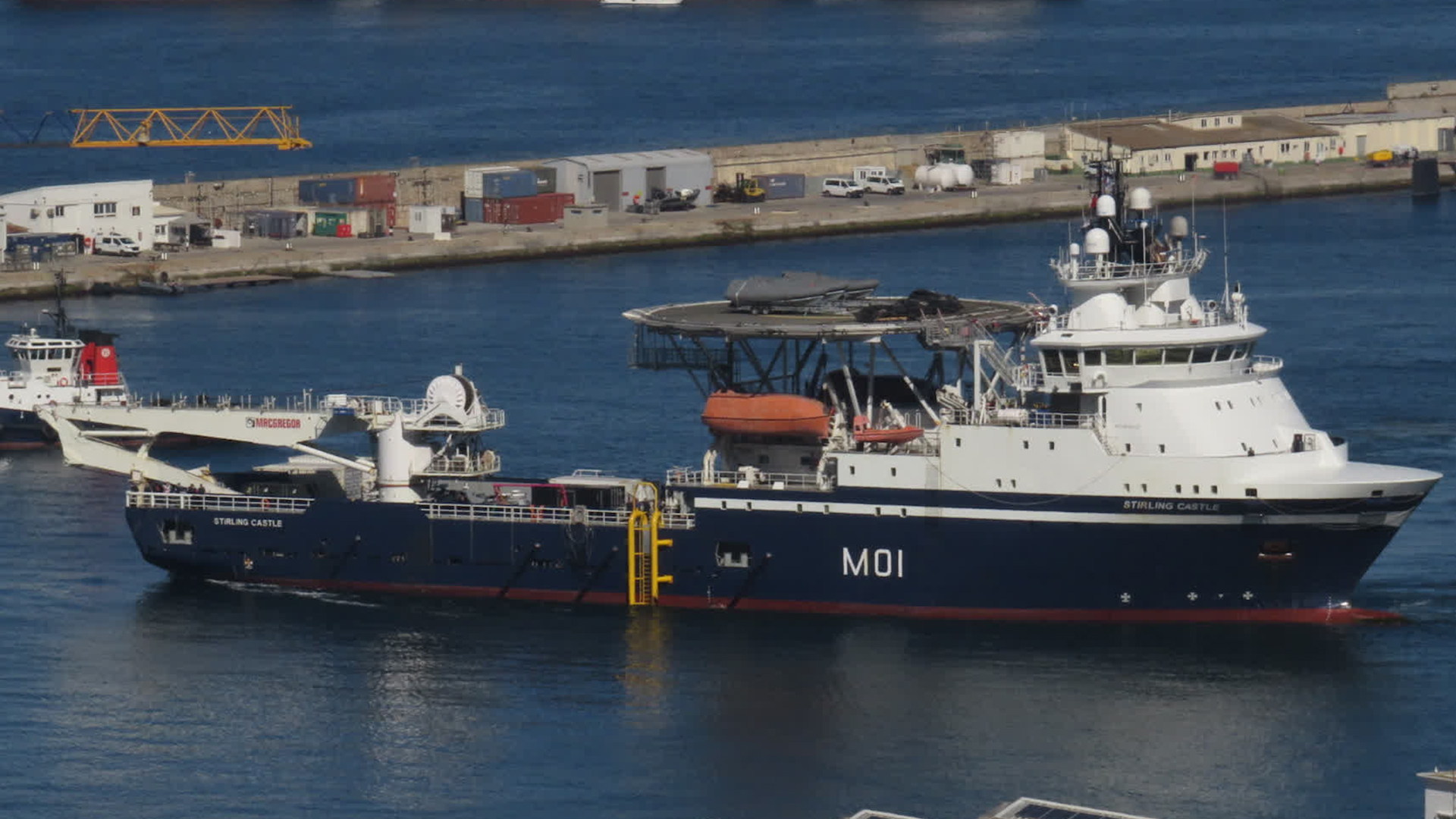
Also spotted on HMS Stirling Castle's flight deck are what are believed to be Kraken USVs, which are operated by 47 Commando Royal Marines as part of Project Beehive.
These are similar to the Sea Baby drones used by the Ukrainians in the Black Sea.
They are fast and carry surveillance cameras, allowing the Commandos to stand off from the mine-hunting USV and outrun any Iranian fast attack craft if necessary. They can also deploy smaller aerial drones.
Having Stirling Castle and Lyme Bay alongside each other allows a good size perspective of the two vessels, showing the RFA ship is significantly larger.
It's unclear if RFA Lyme Bay will take the long route around Africa to reach the Arabian Sea, as happened with RFA Tidespring during the Carrier Strike Group 25 deployment.
If so, it is likely the journey would take around a month.
If the Suez Canal/Red Sea route is taken then HMS Dragon and vessels deployed as part of Operation Aspides, the EU naval mission to protect commercial shipping, would probably act as escorts past the Houthi threat in the Bab-el-Mandeb strait.
RAF Typhoons flying from Cyprus would also likely to be tasked with protecting the vessels.
Join Our Newsletter