UK has 'stepped up' to fill gaps in Nato left by US, alliance's top British officer says

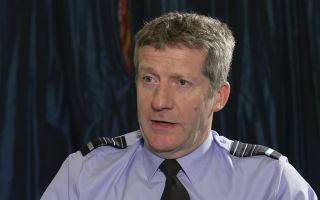
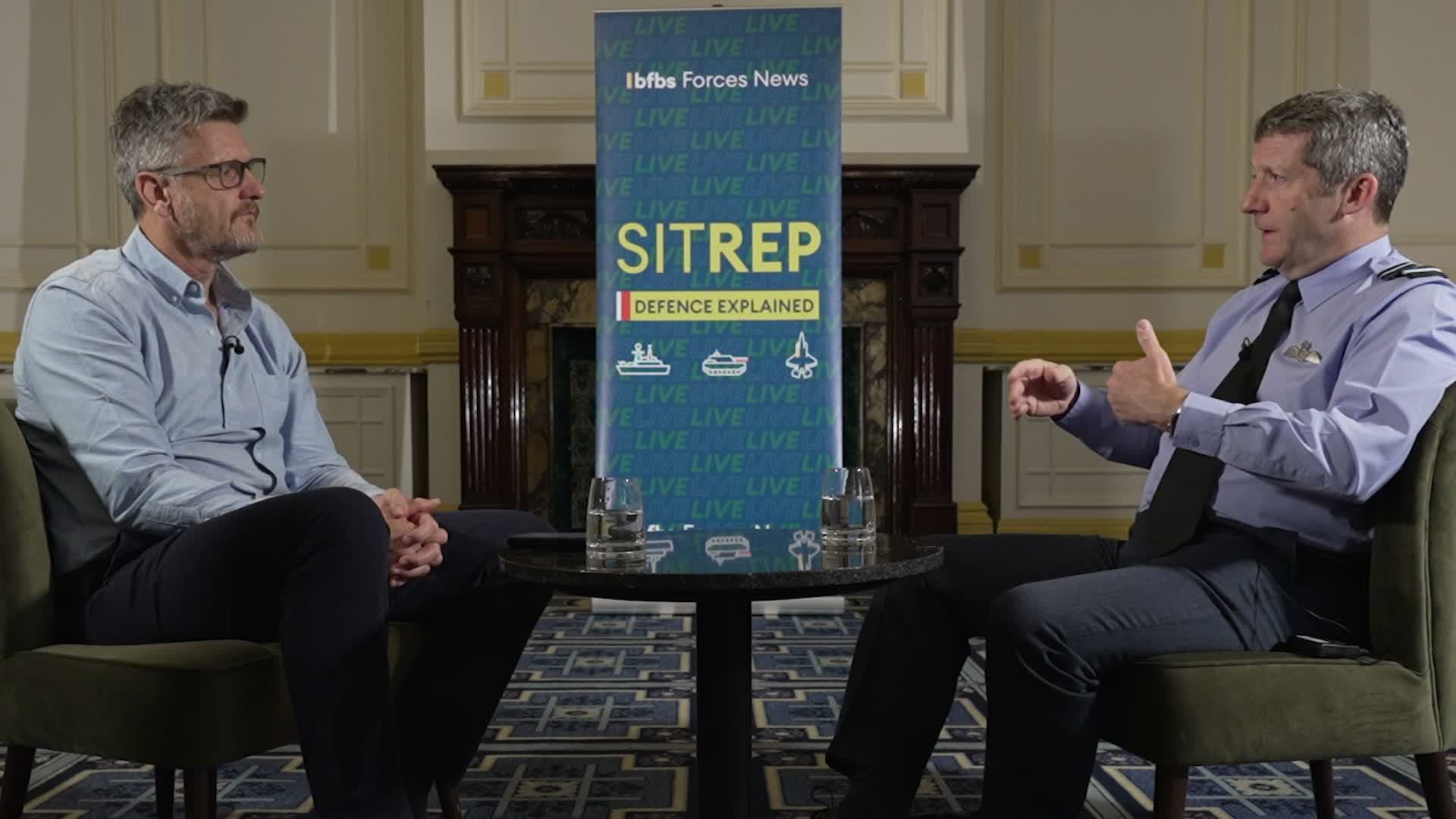
The UK has "stepped up" to fill gaps in Nato that were left by the USA, the alliance's most senior British officer told BFBS' Sitrep podcast.
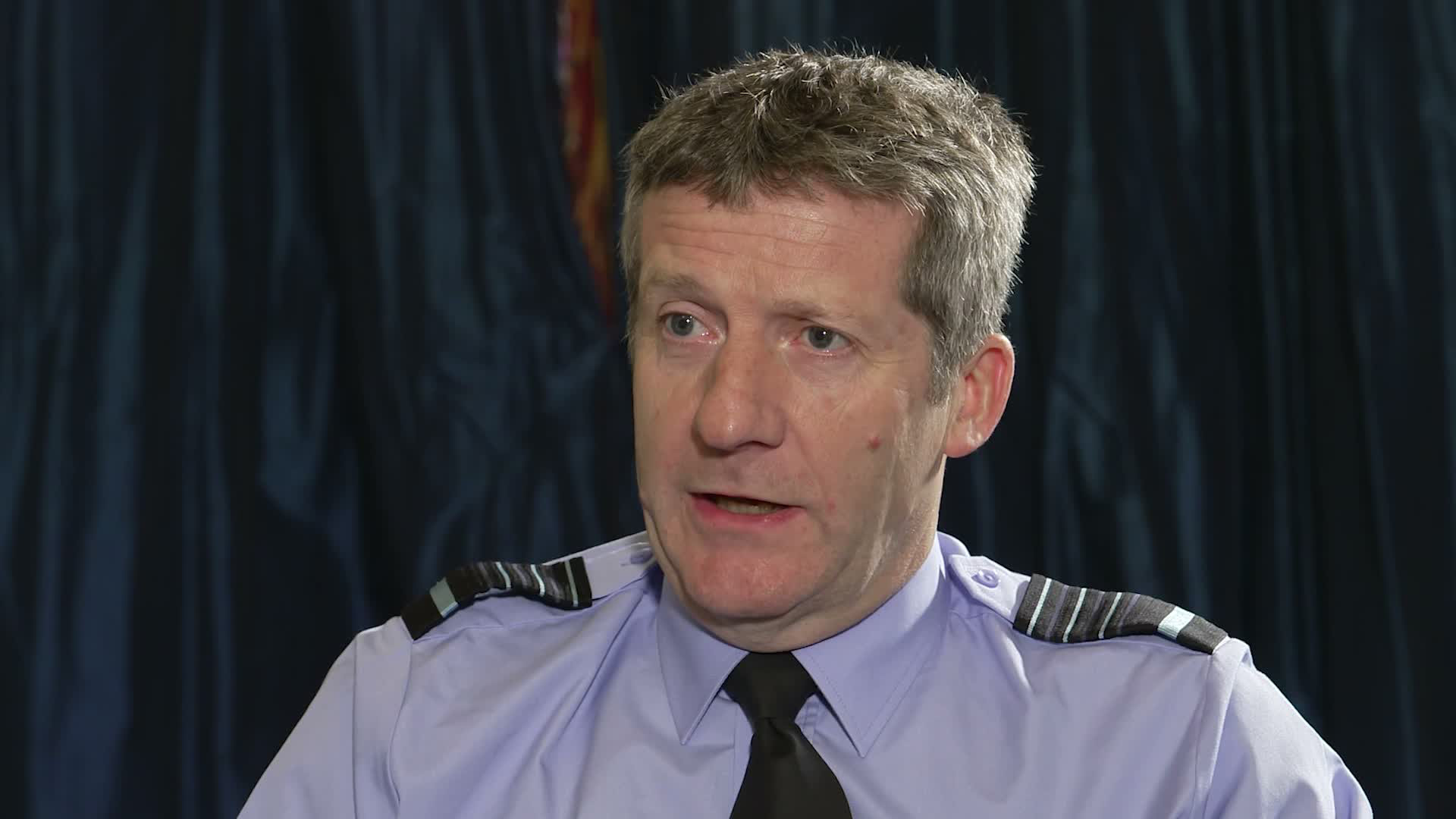
Air Chief Marshal Sir John Stringer, Deputy Supreme Allied Commander Europe (DSACEUR), was speaking after a Nato summit in Turkey where the alliance reaffirmed its support for Ukraine and declared an "ironclad" commitment to Nato's Article 5.
However, he also made clear that the UK has no "opt-out" on Nato's 5% defence spending target, at a time when the nation has no clear path to such a high level of financial contributions.
Stepping up
"The UK's been able to find some other areas where it can give more. But the story is the same across a bunch of European nations and Canada as well. So, it's really heartening to see people- actually, we can take either more risk because of what we’re offering into the pot," he said on the podcast.
"I would contend it's no risk because for a lot of nations, actually your security doesn't start 12 miles away from your coastline, it starts 1,200. So, yes, the UK has offered slightly more, as have a bunch of other nations."
In response to where the UK might be stepping up, Professor Michael Clarke, who hosts the podcast with Kate Gerbeau, gave his own analysis. "My guess is that Britain is stepping up probably in the air and maritime domains, certainly the air domain, in terms of heavy lift and air-to-air refuelling. And with also, I mean, our plans for AWACS, our new AWACS system and that's all dedicated to Nato," Prof Clarke said.
"I think we step up in terms of our commitment to do maritime. The problem is the Navy's got its own problems with platforms at the moment."
It follows the news that a British General will take over one of Nato's key operational commands.
Lieutenant General Nick Perry will become Commander of Joint Force Command (JFC) Norfolk in September.
Some allies have 'excellent' defence spending levels
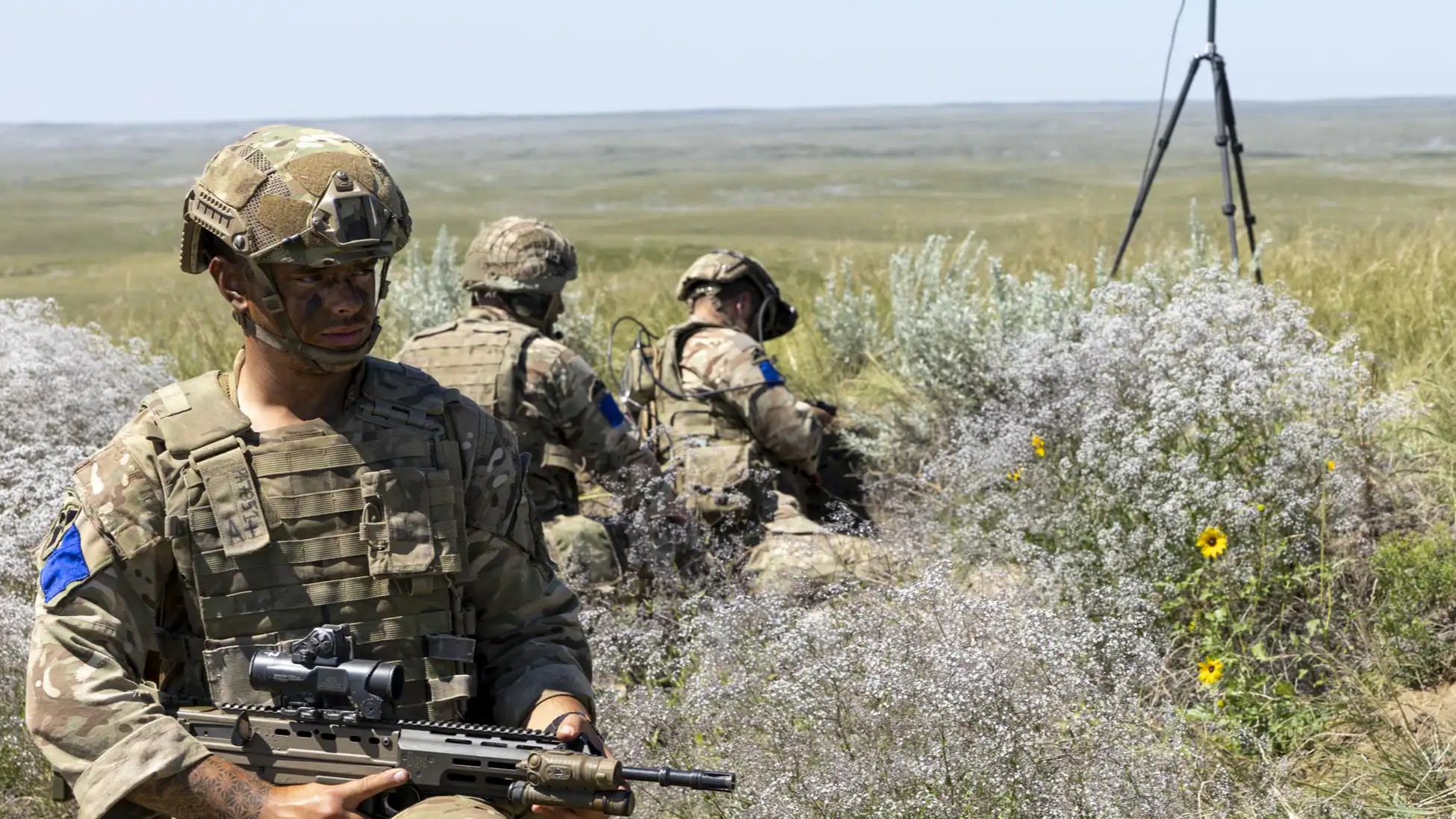
Nato has a defence spending goal for member states of 3.5% on core defence spending and 1.5% on defence-related expenditure by 2035.
Speaking about how the UK has "no opt-out" on the 5% target on defence spending, ACM Sir John said: "So, I was in the Baltic states a month or two ago discussing with one of them, which is already north of 5%. Excellent. And there are quite a few who are in the high 3-point somethings into the 4%. Excellent. The UK is behind them at the moment.
"The UK will have to show the increase in spending to get to the 5% figure by 2035."
The UK government outlined its plan to spend 2.7% of GDP by the end of the decade in the Defence Investment Plan last month.
There are historical differences in defence spending between the northern member states like Poland, Latvia and Finland, who have Putin's Russia on their doorstep, and the southern states like Belgium, Spain and Italy.
Prof Clarke used a football analogy to suggest that the UK is not doing as well as it thinks in terms of its defence spending. "Where are we? We're propping up the south. We are actually, we're among what I call the '2% south', the southern countries in Nato, who are just about making or just about over 2%. Now we're a bit over that [2.6%]," he explained.
"But, when you look down the list, it's as if Britain is, if you like, top of the second division. And we claim to be one of the leaders of the first division. Well, we're not."
Nato needs to get better every day
ACM Sir John has called for continuous improvement and readiness every day to respond to a variety of threats that Nato faces.
"Rather than looking at a day. My sense is we just need to be aiming to better every day, because the threat against us continues to change and morph, and trying to predict what it looks like in six, 12, 24 months," DSACEUR said.
"Yes, you can see some themes there, but trying to claim any great detail or insight on it, I think that's a bit of a fool's errand. What we have to do is make sure, as I said, we are ready every day. We are deterring threats every day as Nato."
So, to deal with the changing threat, member states' militaries need to innovate and adapt to combat it.
"And if I'm being really honest about it, there's some really good stuff being done, but you're also battling with a culture and a set of approaches, which has been honed over decades," ACM Sir John said.
"So, once again, we're in the territory of the hardest thing of getting the new idea into a military mind is getting the old idea out. But, actually, we have to, because that is the pace at which things are now operating."
You can listen to BFBS' Sitrep wherever you get your podcasts, or on BFBS Forces News YouTube channel.
Related topics
Join Our Newsletter