Starmer unveils long-range missile deal as he meets leaders at Nato summit

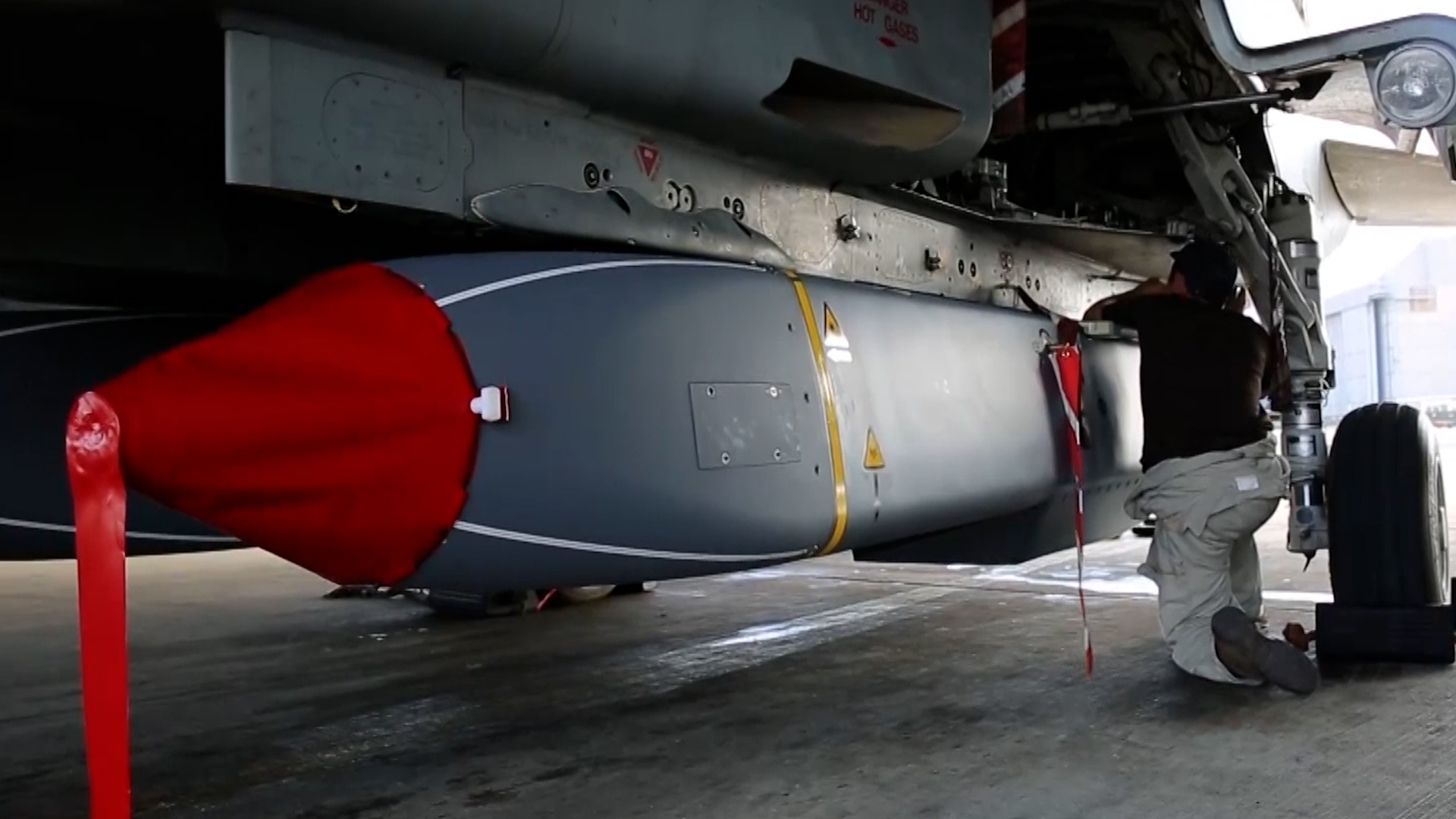
The UK is set to lead a multi-billion pound European drive to build the next generation of long-range missiles.
Prime Minister Sir Keir Starmer has unveiled a £37bn ($50bn) commitment alongside a dozen European allies to build weapons capable of striking targets up to 2,000km away with pinpoint accuracy.
The announcement was made before Sir Keir joined a meeting of Nato's North Atlantic Council in Ankara.
'Deep precision strike' missiles
The so-called "deep precision strike" missiles, including the British-made Storm Shadow, have proved crucial in the Ukraine war, allowing Kyiv to hit targets far beyond the frontline.
The European plan brings together several projects, including a joint UK-German effort to develop hypersonic long-range missiles and work with Italy and France on the Stratus missile. Baltic nations are also expected to participate.
"We are building the weapons of the future to keep the UK and Nato secure for decades to come, backed by billions of pounds and working with our closest European allies," Defence Secretary Dan Jarvis said.
The Defence Investment Plan (DIP), which was published last week, saw the government put £3bn towards deep precision strike weapons by 2030.
Officials have said that move would prevent duplication among allies, with nations working on different types of missiles.
Sir Keir said the UK was already working with allies to develop high-end missiles, but added this commitment would "allow for us to step our cooperation, bringing European allies together to ensure Nato remains safe and secure for years to come".
Sir Keir's last summit as PM
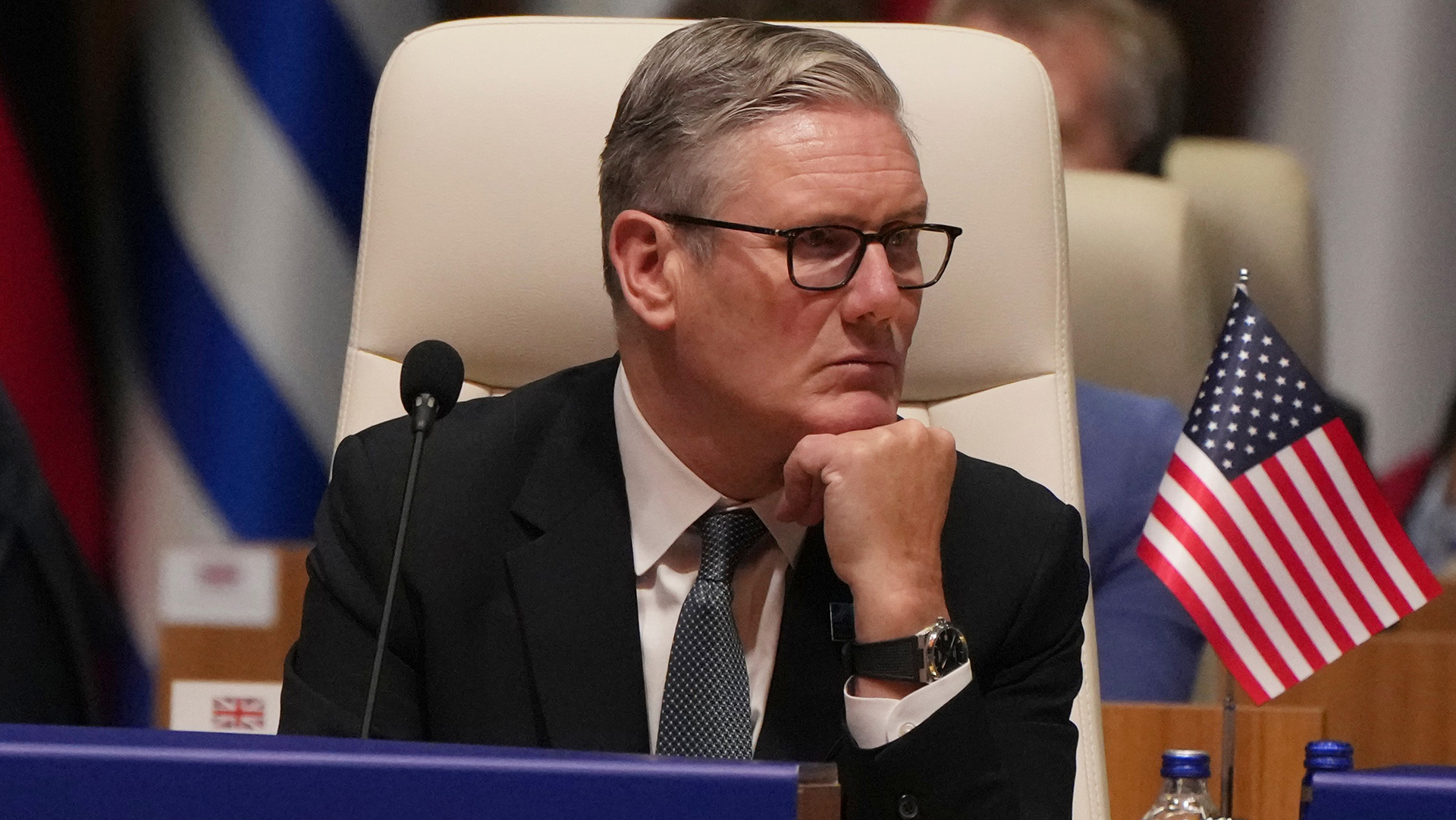
While the main part of the summit takes place, Sir Keir spent yesterday meeting fellow world leaders in what is likely to be his last major international engagement as Prime Minister.
In the British ambassador's residence in the Turkish capital, Sir Keir and his Dutch counterpart Rob Jetten signed a maritime partnership that will see the UK and the Netherlands cooperate on building amphibious transport ships.
As confirmed in the DIP, the agreement will see each country operate four ships that can carry troops, vehicles and equipment, including long-range drones.
After the main summit meeting, Sir Keir met Turkish president Recep Tayyip Erdogan to sign a defence cooperation agreement between the UK and Turkey.
'Ironclad' commitment to Article 5
The leaders and heads of state at the Nato Summit in Turkey have said in their communique that they have an "ironclad" commitment to Nato's Article 5.
Under the alliance's Article 5, an attack against one state is considered an attack against them all.
The leaders also revealed in the statement that they have committed over £37.4bn ($50bn) in new procurements, including new counter-drone capabilities and a new Airborne Warning and Control System.
"We are building the future: a stronger Europe in a stronger Nato – a modernised alliance. European allies and Canada, working with the United States, are assuming greater responsibility for the alliance's defence," the statement said.
"Nato's deterrence and defence rest on an appropriate mix of nuclear, conventional, and missile defence capabilities, complemented by space and cyber assets. We are committed to maintaining our combat advantage."
Meanwhile, on the Ukraine war, the leaders reaffirmed their support for Kyiv, by saying that the alliance has guaranteed £52.3bn ($70bn) to help with securing military equipment, assistance and training.
Related topics
Join Our Newsletter