The Defence Investment Plan: What's in, what's out and what it means for the Armed Forces

The main headline from the Defence Investment Plan (DIP), starting with the cash, is that defence is getting an extra £15bn over the next four years.
The figure is higher than the previous offer of £13.5bn, which led to John Healey quitting as Defence Secretary, but below the £28bn defence chiefs had reportedly requested.
The DIP covers the next 10 years, but only has costings for the next four.
It will mean spending 2.7% of GDP by the end of the decade.
It also includes plans to save £10.7bn between now and 2030.
What's in and what's out?
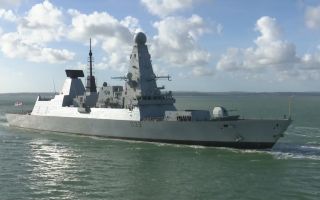
Well, the Type 83s, which were meant to replace the Type 45 destroyers, are out.
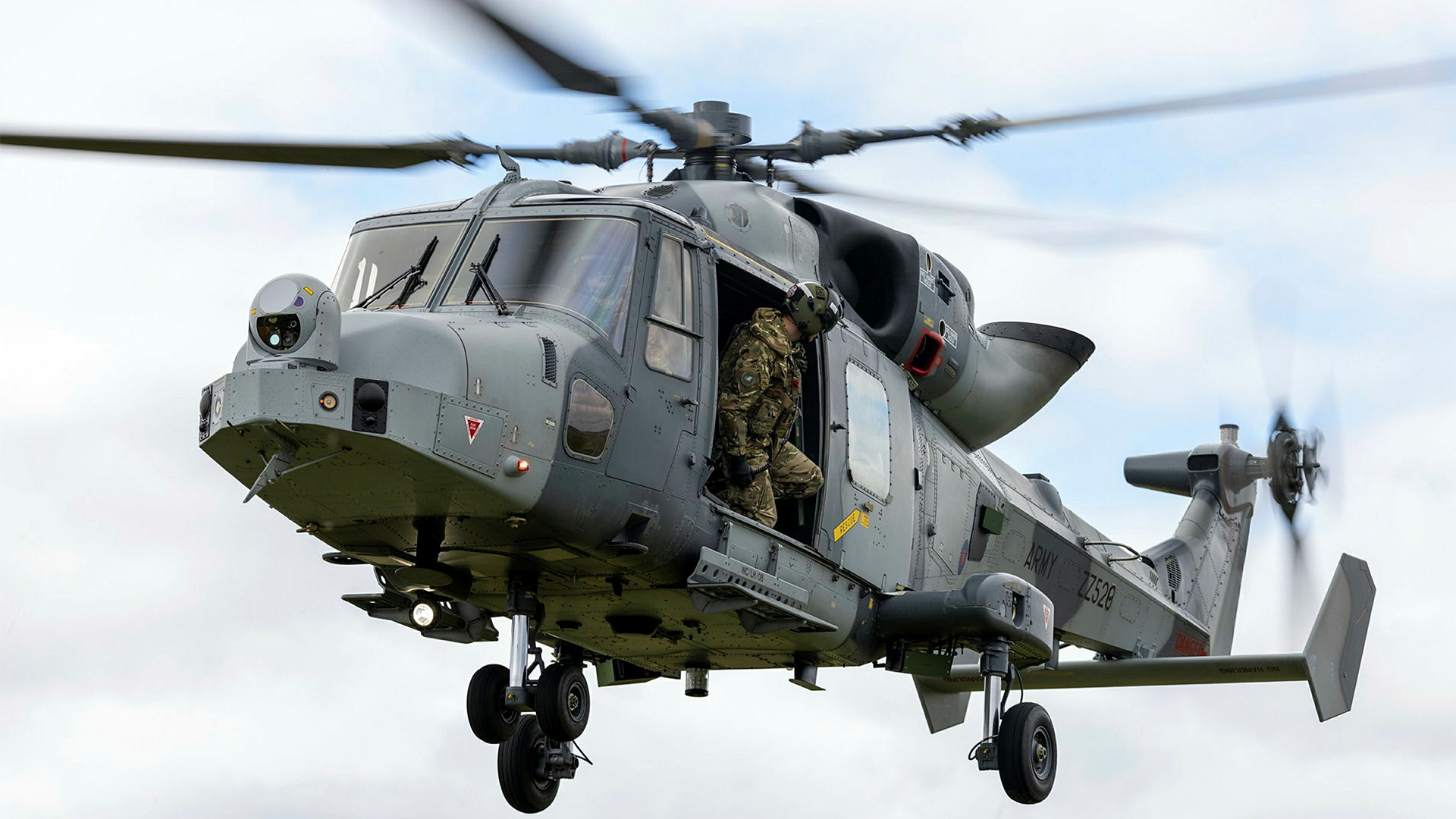
Army Wildcat helicopters will go, there will be a phased early retirement from 2027 and the oldest Chinooks Mk6As will also go as they reach maintenance milestones.
Storm Shadow missiles have played a vital role, the document says, but it explains we now need to pivot to the next generation of low-cost cruise missiles. So, Stratus missiles will be the future.
The narrowband satellite system Skynet 6 will not go ahead; instead, they will extend the life of Skynet 5.
They will make savings by reducing civil service workforce costs by at least 10% by 2030, and they will automate at least 20% of HR, finance, and commercial by July 2028 (recommended in SDR).
Whilst we do not have the precise details, I understand plans to replace the SA80 main service rifle underProject Grayburn are now funded.
What about housing?
Defence Readiness and Industry Minister Luke Pollard said restoring morale was a benchmark of success – and said the £9bn announced to tackle service housing problems remains.
But when you look at the document, it talks about refurbishing or entirely rebuilding 14,000 ailing SFA properties, which is scheduled for between 2030 and 2035.
BFBS Forces News is clarifying what will or won't happen in the meantime.
Learning the lessons from both Ukraine and Iran
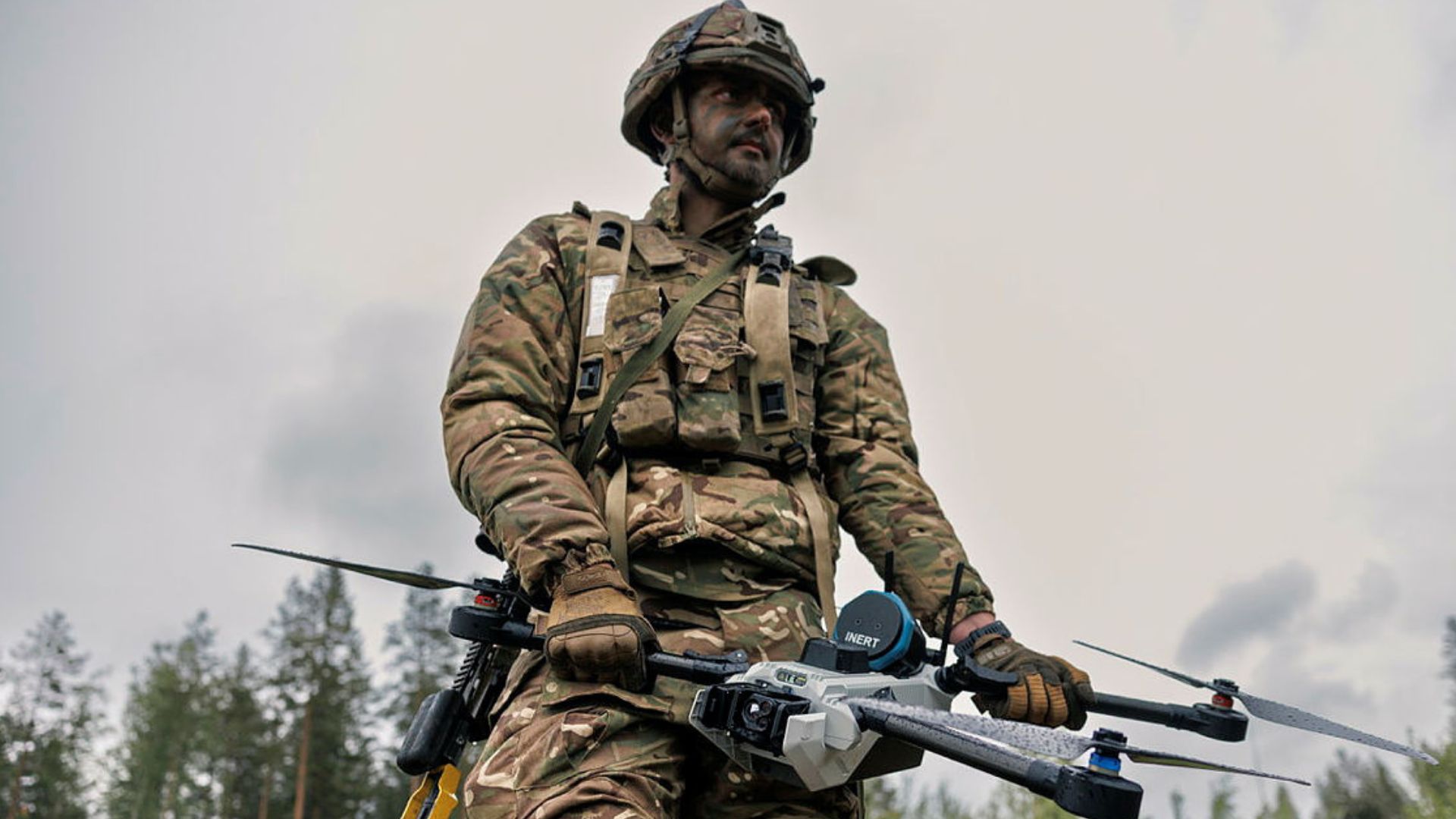
There will be more than £5bn of spending over the next four years to fund a "drone transformation" for the Armed Forces.
Some £650m will be spent on combat and surveillance drones for land forces.
There will also be funding for a Hybrid Navy, with smaller, autonomous vessels working alongside crewed ships.
More than £8bn for the Global Combat Air Programme to create a next-generation stealth fighter jet for the Royal Air Force in concert with Japan and Italy.
The new jet will also be supported by smaller autonomous"wingmen", invisible to enemy radar,
The investment in "renewing" the UK's nuclear deterrent would include spending on new Dreadnought submarines, a new sovereign warhead and 12 F-35A jets capable of carrying nuclear weapons.
The new Dreadnought submarines will see four boats replace the current Vanguard class from the 2030s, while Prime Minister Sir Keir Starmer announced plans to buy nuclear-capable jets at last year's Nato summit in The Hague.
Some of the money for the nuclear deterrent will also form part of a decade-long £26bn overhaul of naval bases at Faslane, Portsmouth and Devonport, dubbed Project Royal Oak.
Some £470m will be put aside to improve base security of military sites in the UK.
While there will be a 12% uplift for special forces over the next four years.
There are also plans to build at least six new munitions and energetics factories in this parliament.
Related topics
Join Our Newsletter