Shift in culture as UK swaps hierarchy for haste as it takes on Nato spec ops role
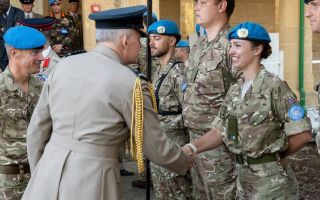
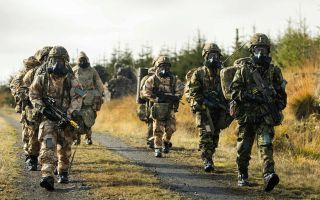
A joint force of Ranger Regiment soldiers, Royal Marines Commandos and RAF Regiment gunners has assumed leadership of Nato's special operations component within the Allied Reaction Force.
The official role ceremony marked the end of a two-year training and validation journey, preparing a multi-domain, specialist team of first-responders to provide the Supreme Allied Commander Europe with a range of options in a crisis.
Coordinated from a Wiltshire HQ, the elite personnel form land, maritime and air task groups that must respond and work seamlessly with one another.
Ideas first, rank second
This joint force structure, complemented by the nature of special operations, requires a goal-orientated approach that prioritises ideas and specialisms over the rank over those holding them.
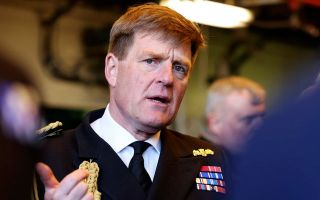
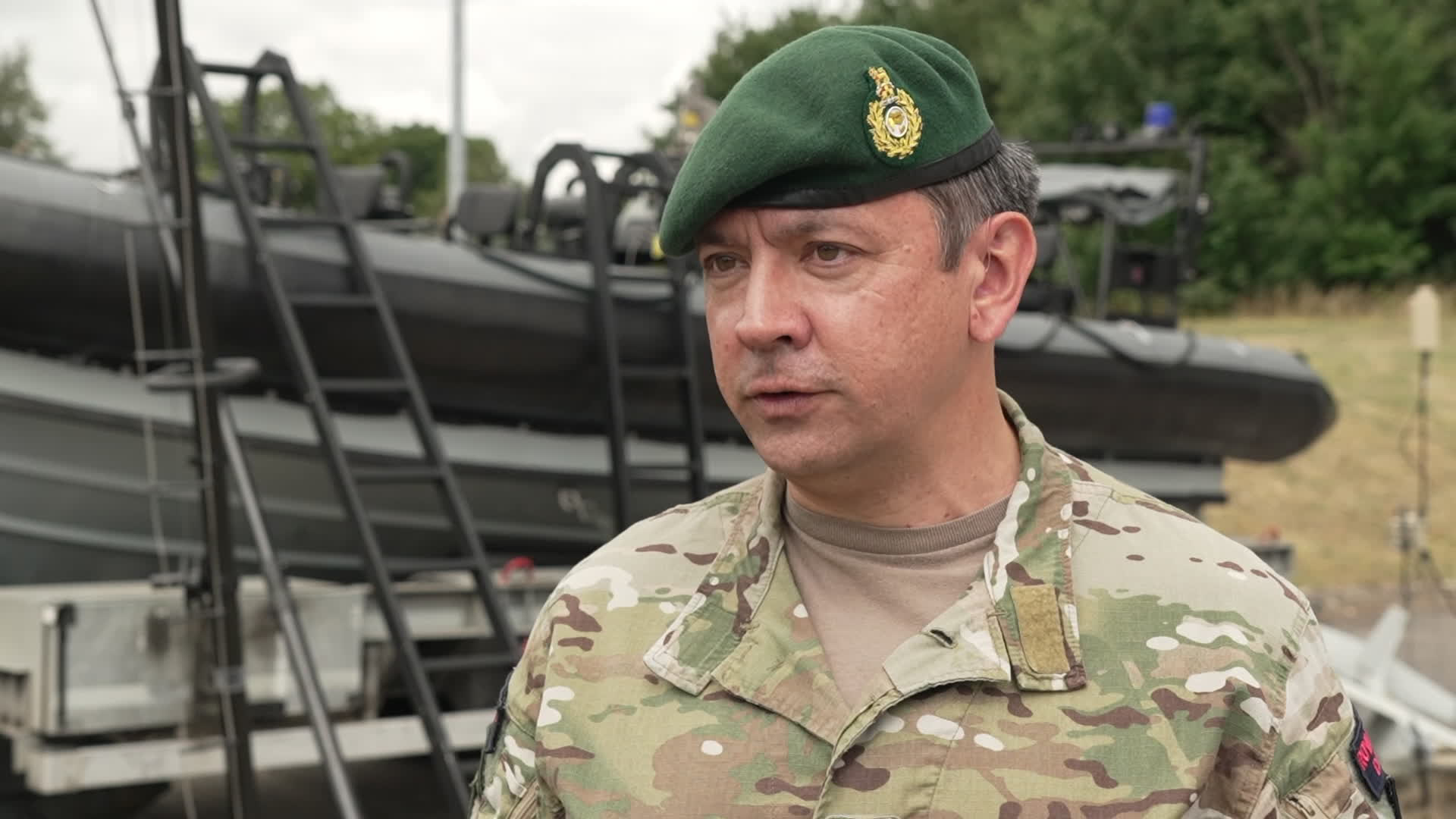
Colonel Phil O'Callaghan, Deputy Commander at the Special Operations Component Command, described the shift in culture.
"The beauty of what we've got here is that this is truly a joint force component," he said.
"We have every branch of the service here – Army, Navy, Air Force, we have Royal Marines, personnel from the Cyber and Specialist Operations Command and our civil servants as well.
"That diversity brings genuine strength to the organisation. But also, because we're a Special Operations component, we need to be very flat and very fast in our decision-making.
"Therefore, we need to empower our people, particularly the junior people, to have that confidence in their specialist ability and knowledge so they can stand up and speak directly to myself or the commander to get their point across at the time that is important, and in a timely manner."
Action at a moment's notice
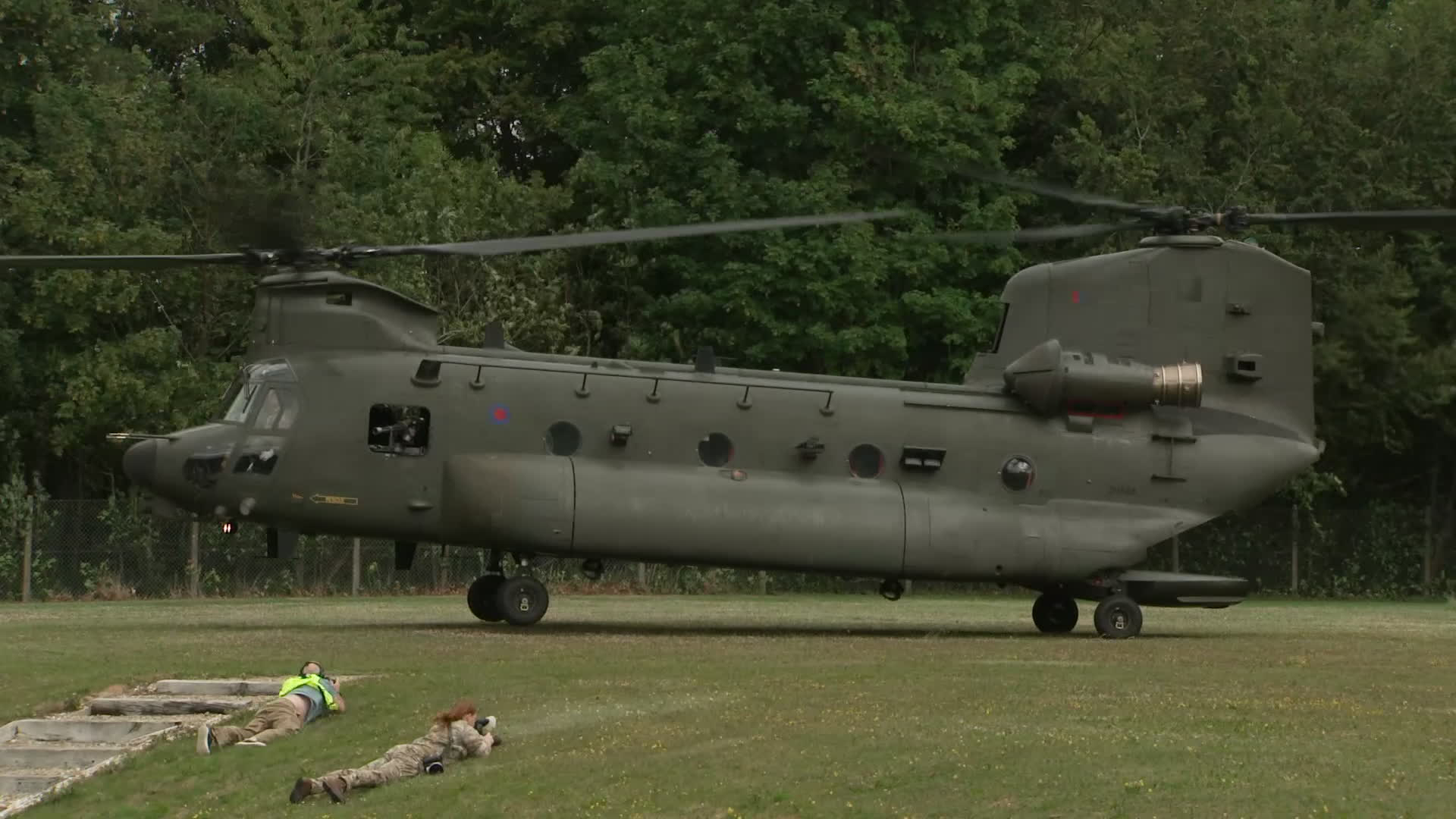
The SOCC's core capabilities include special reconnaissance and kinetic action at a moment's notice – earmarked as the "first in" component for Nato's Allied Reaction Force.
It also coordinates a Spanish Special Operations Land Task Group – a fourth prong to a multinational approach.
International cooperation requires another layer of integration.
"You have these 32 alliance partners who are convened around a common goal and a common aim, our collective security," explained Col O'Callaghan.
"That brings with it again a huge diversity of cultural backgrounds, language differences, but united by a common first Nato language of English, united by doctrine and also by purpose."
A new way of working
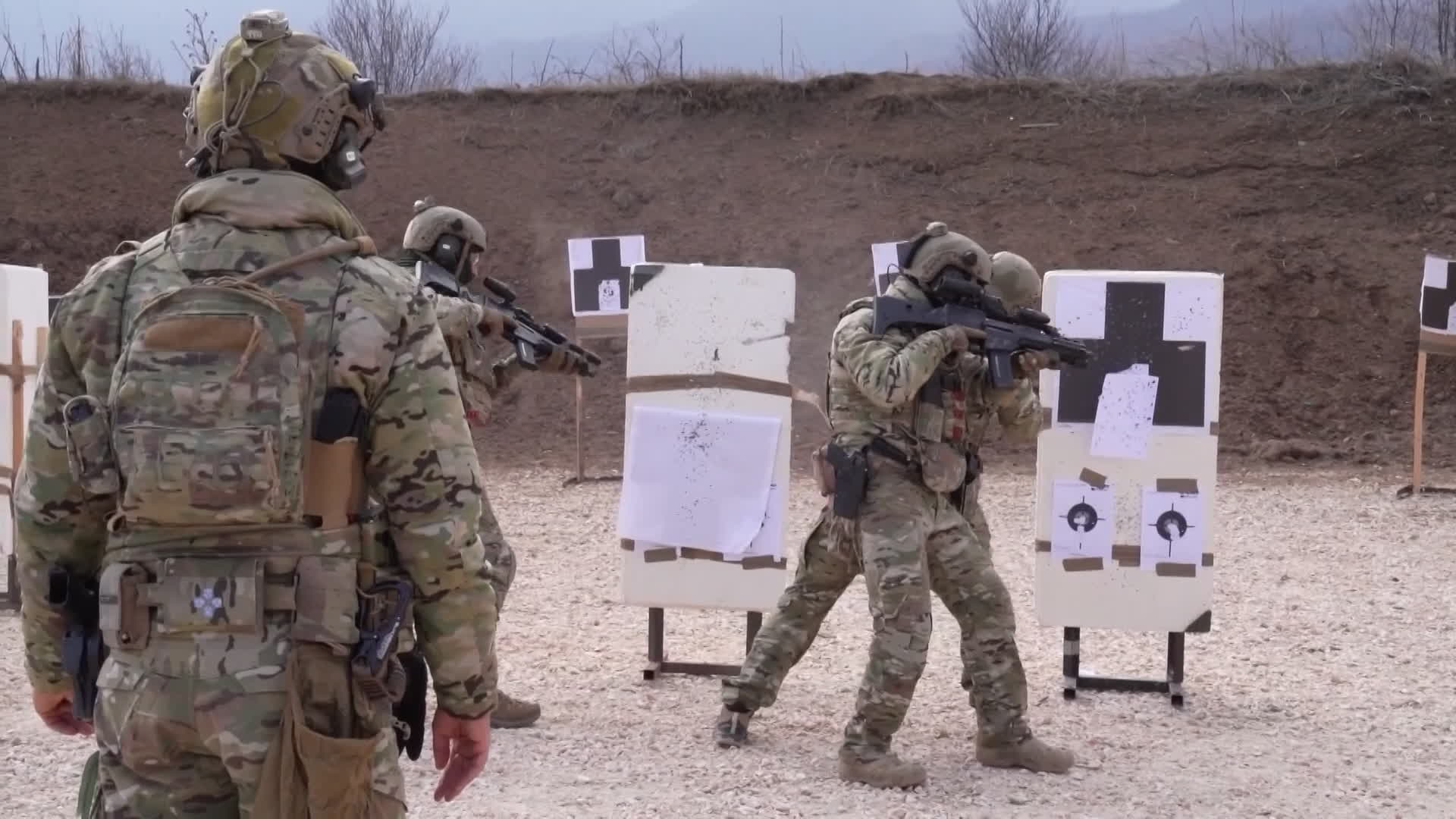
Looking more broadly to the wider UK Armed Forces, divided into services and ordered into a strict rank hierarchy, this flat structure adopted in the SOF command may provide insights into a new way of working.
As conventional units continue to adopt emerging technology, junior ranks are increasingly the ones with the expertise and transferable experience.
Drones and artificial intelligence form a hearty chunk of the modern security picture, and if younger personnel hold a larger chunk of the best ideas, the ease and speed of decision-making may prompt senior leadership to look beyond rank and role.
What works in joint service structures with blurred command chains and Special Operations Forces with a requirement for immediate impact, may begin to challenge the traditional British military structure that's proven so reliable to this point.
Related topics
Join Our Newsletter