What next for Op Interflex as Ukraine seeks to bring training back in house?
Ukrainian forces have been receiving training abroad over the past few years, notably Operation Interflex, but Kyiv now appears to want to carry it out within its own borders.
Colonel Yevhen Mezhivikin, a senior officer responsible for doctrine and training, was quoted as saying instructors from Western countries lacked modern combat experience.
And according to Ukrainian media, Col Mezhivikin said the initial proposal to move training back to Ukraine came from the UK.
Trainees or trainers?
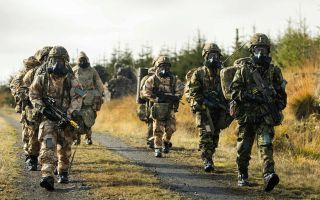
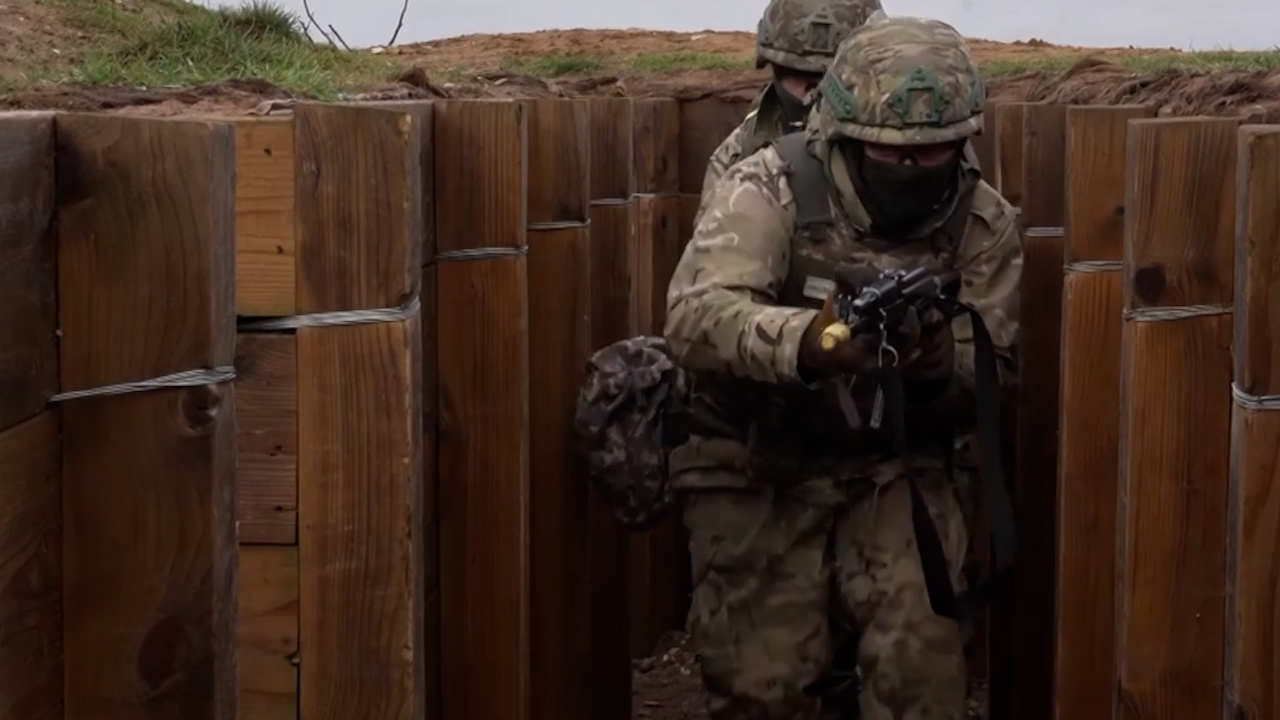
More than 60,000 Ukrainian soldiers have passed through Op Interflex, the UK-led infantry training programme based in the east of England.
The training programme has been updated over time, with more focus on drones and more experienced soldiers being taught how to operate as section or platoon commanders.
But after four years, many recruits now arrive in the UK already battle-hardened as Russia and Ukraine now have more experience of 21st-century warfare than any other nation.
Ukrainian commanders reportedly feel there's a growing disconnect between Western instructors – many with no experience of combat – and the realities of the frontline in Ukraine.
Legal restrictions in some host nations also mean training can't be adjusted fast enough to keep pace with the changing battlefield, they say.
There have also been issues with troops going AWOL during overseas courses. In one case, 1,700 soldiers from a Ukrainian brigade deserted in France.
Benefits outlined
Ukraine's General Staff emphasised that it was constantly working to improve training – including abroad.
However, Col Mezhivikin was quoted as saying: "The United Kingdom is the first country to propose moving all training to Ukraine and concentrating efforts on specific centres and areas of activity to avoid dispersing them."
Ukrainian media were quick to point out the benefits of bringing much of the training back "in-house", including the logistical savings in moving personnel to countries like the UK and back again.
Media outlet ua.news also said local training meant lessons learnt from the recent fighting in Kharkiv and Kupiansk could be more quickly taught and integrated.
However, some foreign training programmes look set to stay.
Ukrainian fixed-wing pilots hoping to fly the F-16 have been carrying out their basic flying training in the UK, while Ukrainian rotary-wing pilots have also been learning how to become helicopter instructors.
MOD responds to reports
In an article published on the Ukrainian state-owned website Ukrinform, the Ukrainian Armed Forces denied overseas training was being cut.
It said Ukrainian troops would continue to train in three European countries in 2026, one of which is understood to be the UK.
However, it did confirm that an increasing amount of training is being done inside Ukraine.
"In Ukraine, we can conduct training with intensive use of drones, electronic warfare systems, night shooting, and measures to strengthen psychological resilience without unnecessary complications,” Major Dmytro Lykhovii explained.
In a statement the UK MOD said British Army instructors deployed on Op Interflex had "combat experience drawn from a range of operational theatres".
"Our training offer to Ukraine continually evolves to reflect the needs and requirements of the Armed Forces of Ukraine, developing and offering new courses.
"Ukrainian personnel are currently training in the UK, with more arriving in the coming weeks and months, as we continue to support the Armed Forces of Ukraine to meet their evolving needs."
Join Our Newsletter