Ukraine is far scarier than anything I did in Afghanistan, says ex-Army officer
The fighting in Ukraine is brutal, but the defenders remain motivated and believe they can win – although they accept it will come at a huge cost, according to a former Army officer who's visited the frontline.
Andrew Fox, who served with The Royal Welsh and later The Parachute Regiment in a 16-year Army career, told BFBS Forces News that Ukraine was "far scarier than anything I did in Afghanistan".
Mr Fox, who left the Army in 2021 as a major and is now a researcher and defence commentator, explained how drone warfare had changed the way the war was being fought on both sides.
Drones in sky and on the ground
The former officer, who completed three tours in Afghanistan, likened drones to the threat faced by British troops in areas like Helmand.
He said of the fighting in Ukraine: "You've got a lot of drones in the sky, and the way to think about it from Afghanistan is there's IEDs, but they're flying and somebody is targeting you with them."
Mr Fox said the Russians had learned their lesson from the early days of the full-scale invasion and were no longer launching costly large-scale assaults, instead relying more heavily on small teams of soldiers.
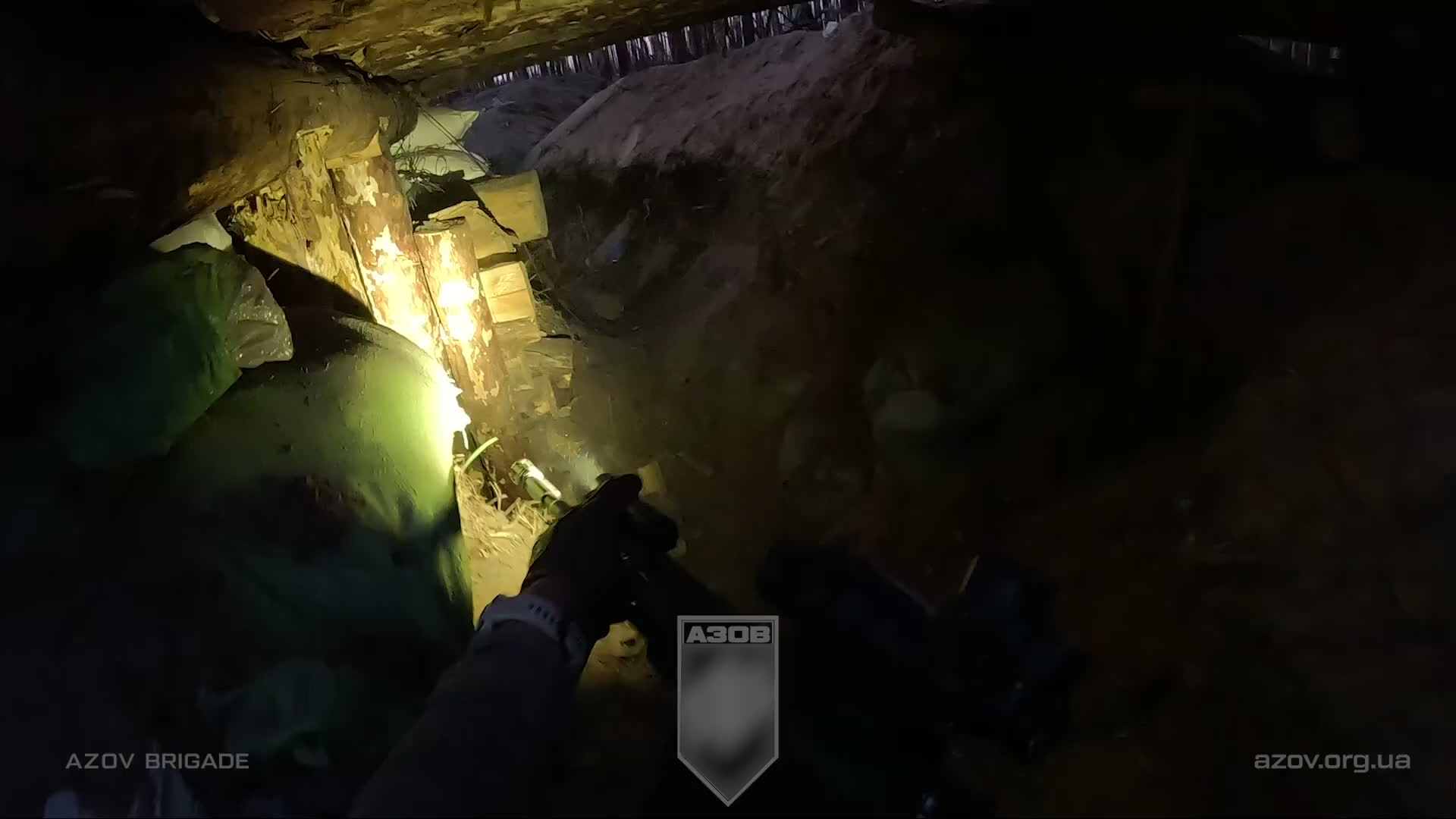
The Ukrainians were also adapting their tactics to counter the threat of drones, he said, by carrying out more operations at night – something the British Army is particularly good at.
Something Mr Fox said he wasn't used to seeing, however, was the use of ground drones armed with machine guns being remotely controlled to protect a unit's flanks.
Mass still vital
While individual action between the two sides is nowadays taking place with smaller numbers of soldiers, one lesson learned from the war, he pointed out, was the need for overall mass.
"I think mass is a huge lesson," Mr Fox explained. "You need that mass of soldiers.
"And we don't have that in the British Army, which means our alliances are really important. And obviously there's a period of flux in our alliances right now as well.
"So that's going to be a really tricky problem to surmount."
Pokrovsk a no-go area for non-combatants
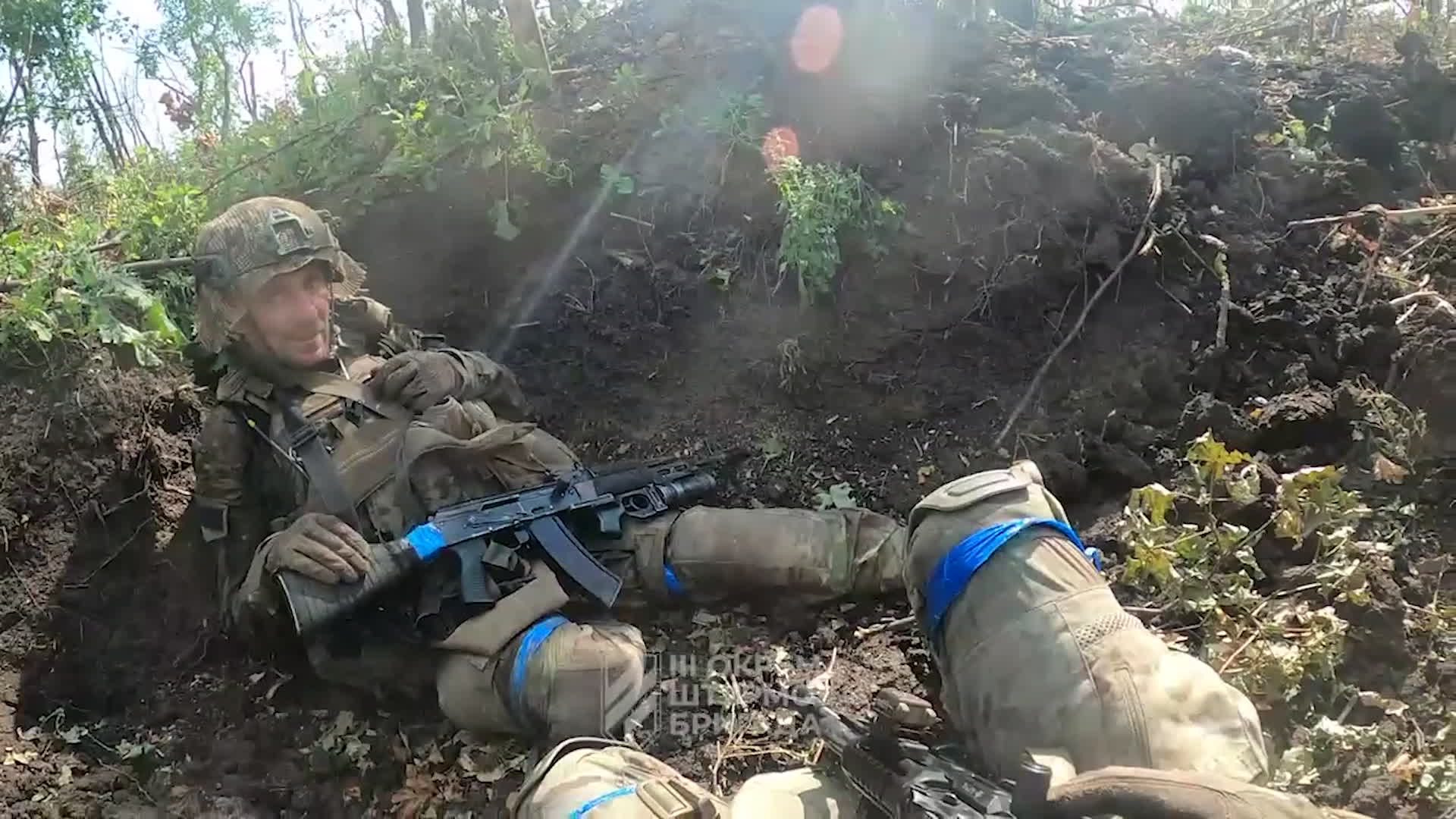
While Mr Fox got close to the fighting during his time in Ukraine, one place he didn't want to visit was the highly contested town of Pokrovsk.
"Obviously, it's a town that's become very symbolic of the war, particularly the last 12 months or so," he said.
"They've been grinding at this for years now. The area we got to wasn't quite this far forward - we didn't have a death wish. Without a gun, I don't think I'd want to go anywhere near that.
"But we were sort of 12k back from the front of Pokrovsk because you can't get any closer because the Russians have cut the supply lines.
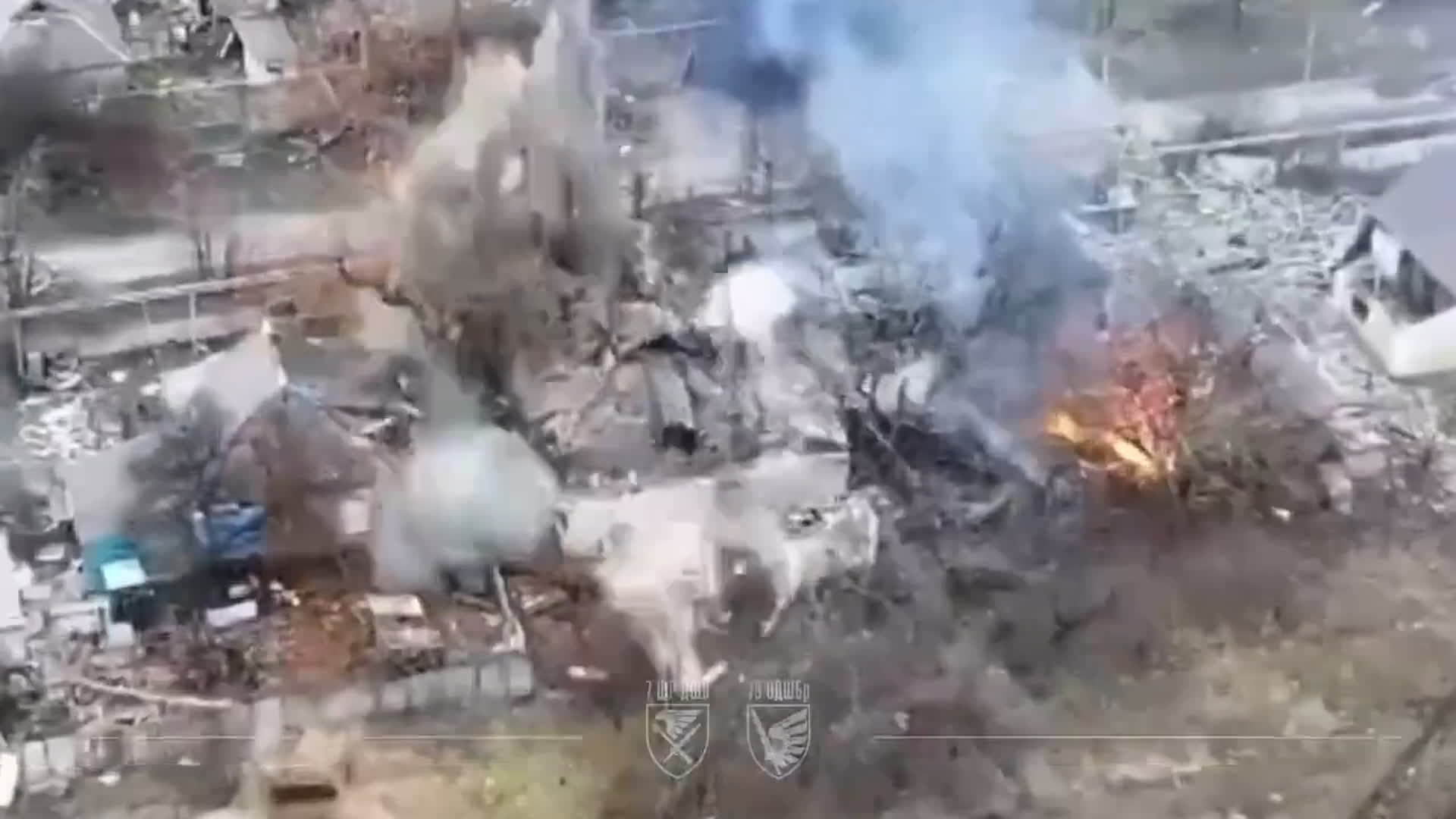
"The drones are everywhere. If you go further forward than that, then you're sucked into this kind of thing, which is not where you want to be as an independent observer."
No rotation
One key area which Mr Fox highlighted was the fact once Ukrainian soldiers are deployed, that is where they remain.
He said: "Once you're deployed forward in Ukraine, you're deployed forward. There's no going backwards and forwards between the rear areas and the forward areas.
"I've spoken to soldiers in Ukraine who've been on the front line almost three years solidly.
"And I asked one of them 'what's it like?' and he said 'I have two things to do every day, survive and kill Russians'.
"This is the most brutal, raw state and the endurance needed to stay on those frontlines with that period of time under that amount of strain, you know, is quite remarkable."
Join Our Newsletter