Hunting the hunters: Russia sets up shadowy military drone unit – so Ukraine hits back
The war in Ukraine is now dominated by drone warfare, with the frontline saturated with deadly UAVs.
While Ukraine has become a world leader in uncrewed aerial vehicle technology, Russia has been quick to copy its techniques and methods.
One Russian drone unit in particular has led this innovation, a shadowy group known as Rubicon.
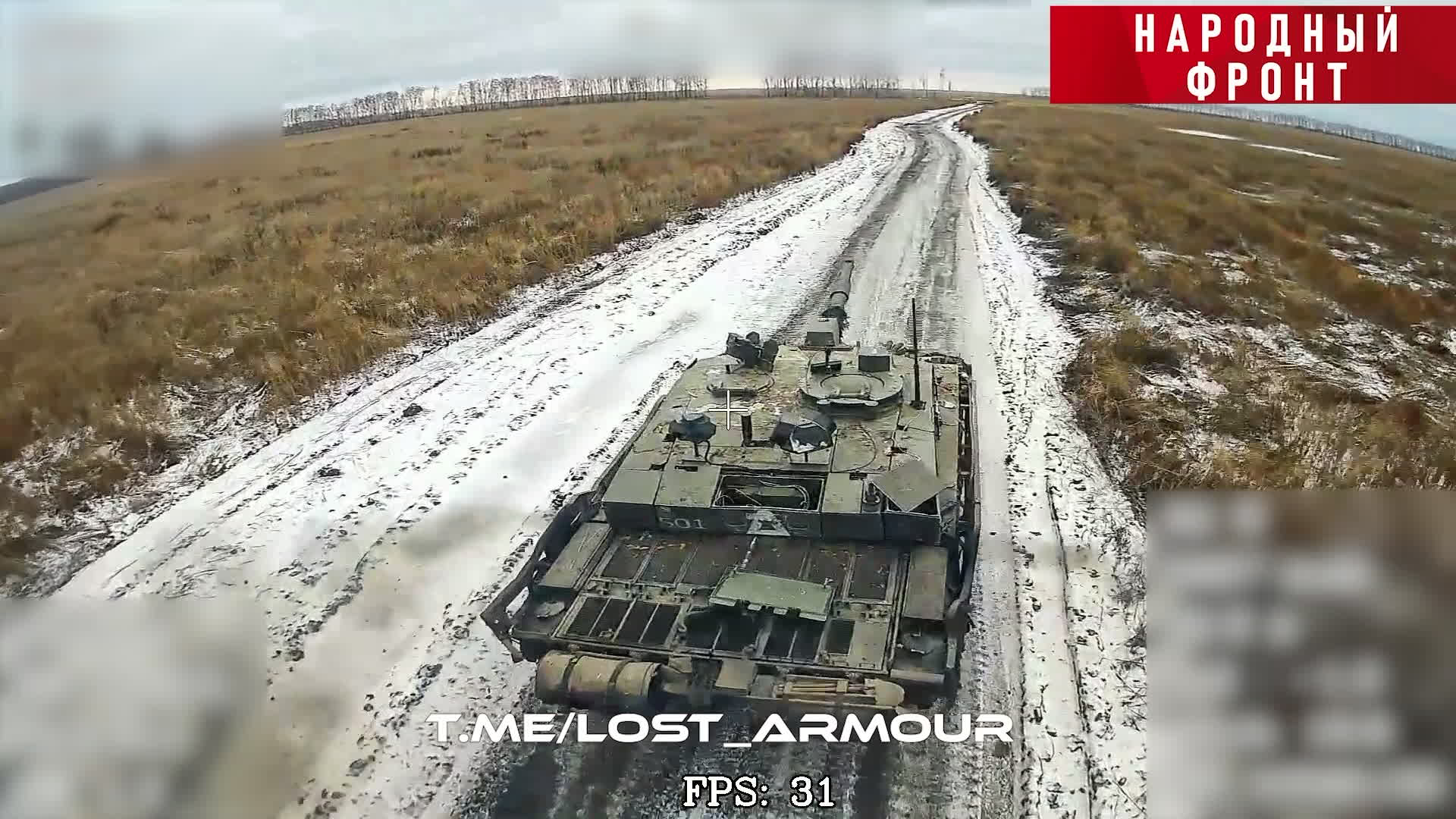
Russia's deadliest drone unit
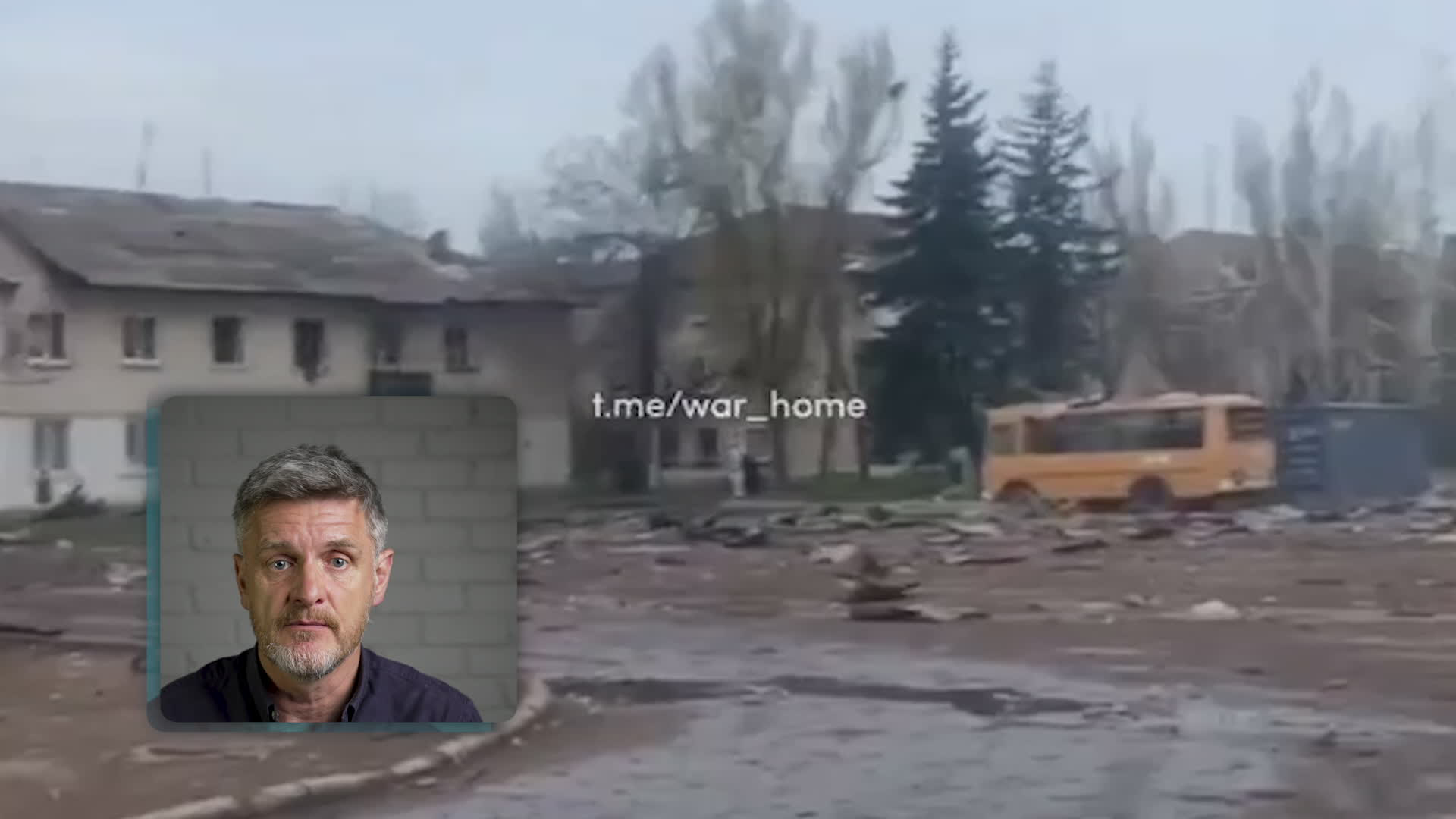
Rubicon recruits Russia's best drone pilots and answers to the Kremlin's top brass, and one person who's examined the unit is Ukrainian journalist Roman Pahulych.
He's spent a lot of time in the Donbas and other parts of the frontline. You may have seen this footage from a few years ago when a Russian artillery shell landed just a few feet away from him and his cameraman.
I talked to him about Rubicon, what it is and why it's feared.
Rubicon is actually the Rubicon Centre for Advanced Unmanned Technologies. It was set up in 2024 on the orders of defence minister Andrey Belousov and it's a big deal in Russia.
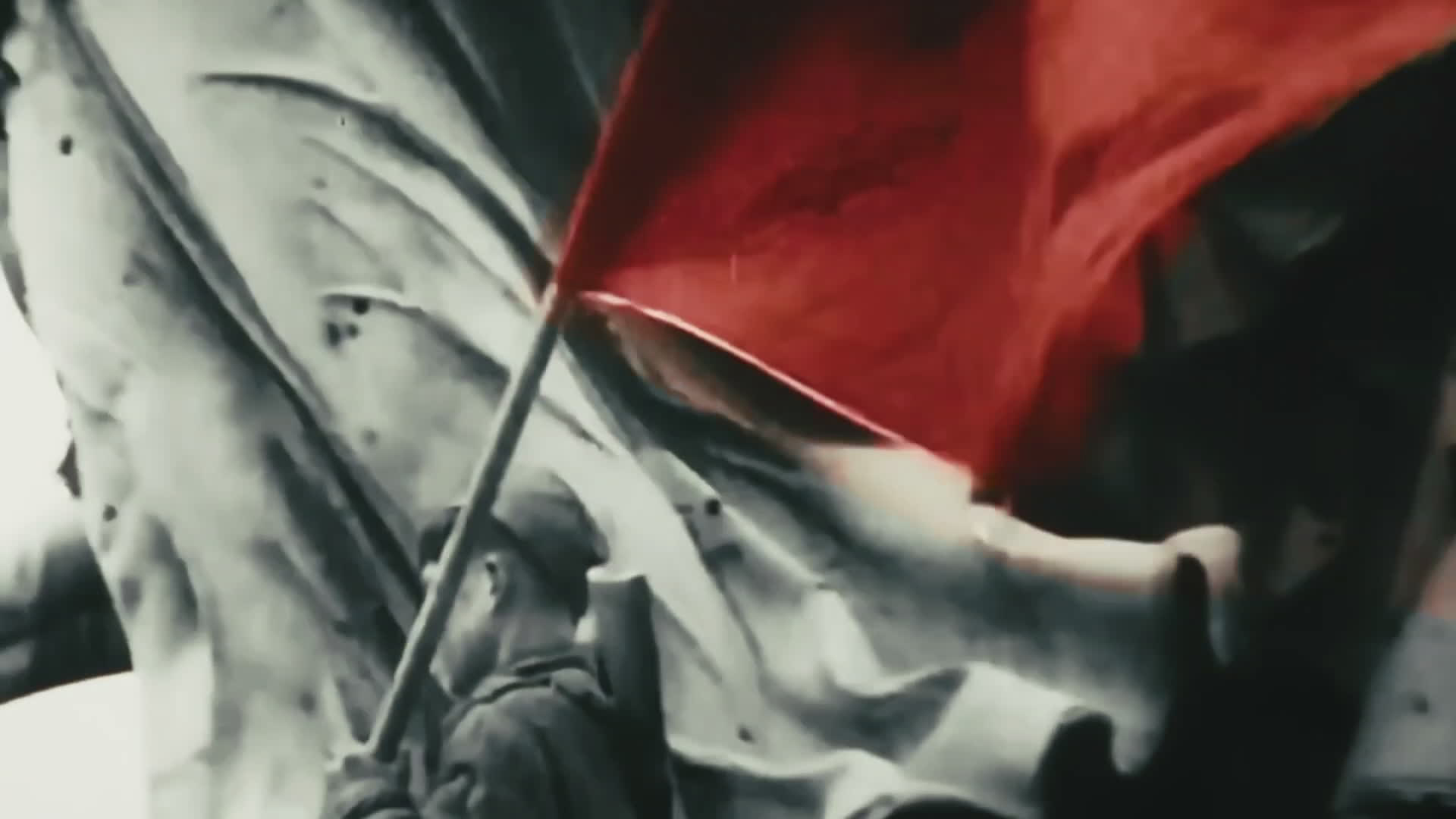
Russian media like the unit and Rubicon members put out loads of distinctive videos on social media, often trying to equate themselves to their former Soviet comrades who fought the Nazis in the Great Patriotic War.
The brightest and the best
A big part of Rubicon's remit is training, preparing Russian drone pilots for combat, but it also tests new kit as it comes into service.
Rubicon personnel are also deployed into areas with some of the fiercest fighting, places like Kostiantinyvka and Pokrovsk.
They have a reputation for being very methodical and effective in the way they work and they recruit a lot of coders, engineers and students from Russian technical universities.
It was Rubicon that helped push Ukrainian troops out of Kursk back in 2024, by constantly attacking their flanks and cutting off their supply lines to Sudzha.
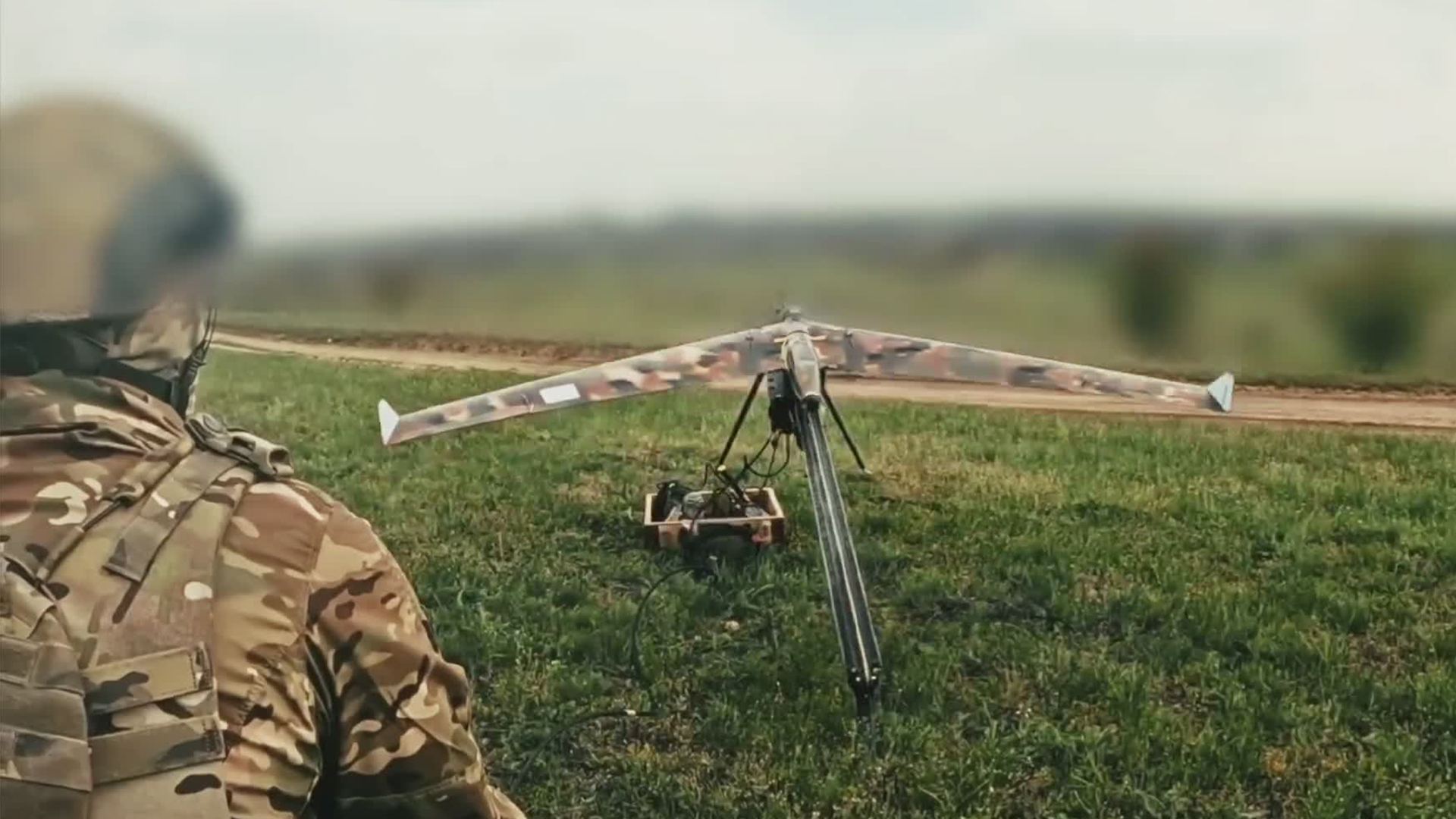
One of the unit's specialities is using the Lancet, a pretty fearsome loitering munition that the Russians have used to take out Ukrainian armour – including British-supplied Challenger tanks.
Rubicon personnel also fly a fibre-optic drone known as the Prince Vandal or KVN, which is actually made by the famous arms manufacturer Kalashnikov.
One unit, several roles
Rubicon is thought to be around 5,000 strong with different parts of it focusing on different things like aerial reconnaissance and counter-drone air defence.
One of the biggest is targeting Ukrainian drone operators by intercepting their signals and then hunting down their positions.
This is also the unit that Russia is using to test and develop its own AI drones, and Rubicon works closely with private defence manufacturers, essentially a copy of the way the Ukrainian military works.
Rubicon is often used as a quick reaction force that the Russians send to the most kinetic parts of the frontline.
One Russia-friendly website plots the number of successful kills it claims Rubicon are achieving, and for the first time last month said it was more than 1,000.
There are supposedly plans to expand Rubicon into a multi-domain force that can also work with USVs such as drone boats.
Ukraine striking back
So how is Ukraine countering this unit? Well there's been talk of Ukraine forming special units dedicated solely to hunting down Rubicon.
The Ukrainians recently carried out an attack near Makiivka, a coal mining town in Donetsk, which they claim destroyed a Rubicon base.
Ukrainian forces have found new momentum in the south of the country, and drones like the Hornet are helping them do that, using AI to hunt down Russian logistics vehicles.
Russia has to find an answer to this quickly, a way of countering this uptick in Ukrainian drone strikes.
And the unit that job is falling to, as Roman says, seems to be Rubicon.
Join Our Newsletter