British soldiers will march side-by-side with their French counterparts at the Bastille Day parade in Paris as Sir Keir Starmer visits the capital with other leaders from the Coalition of the Willing.
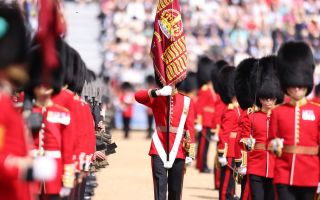
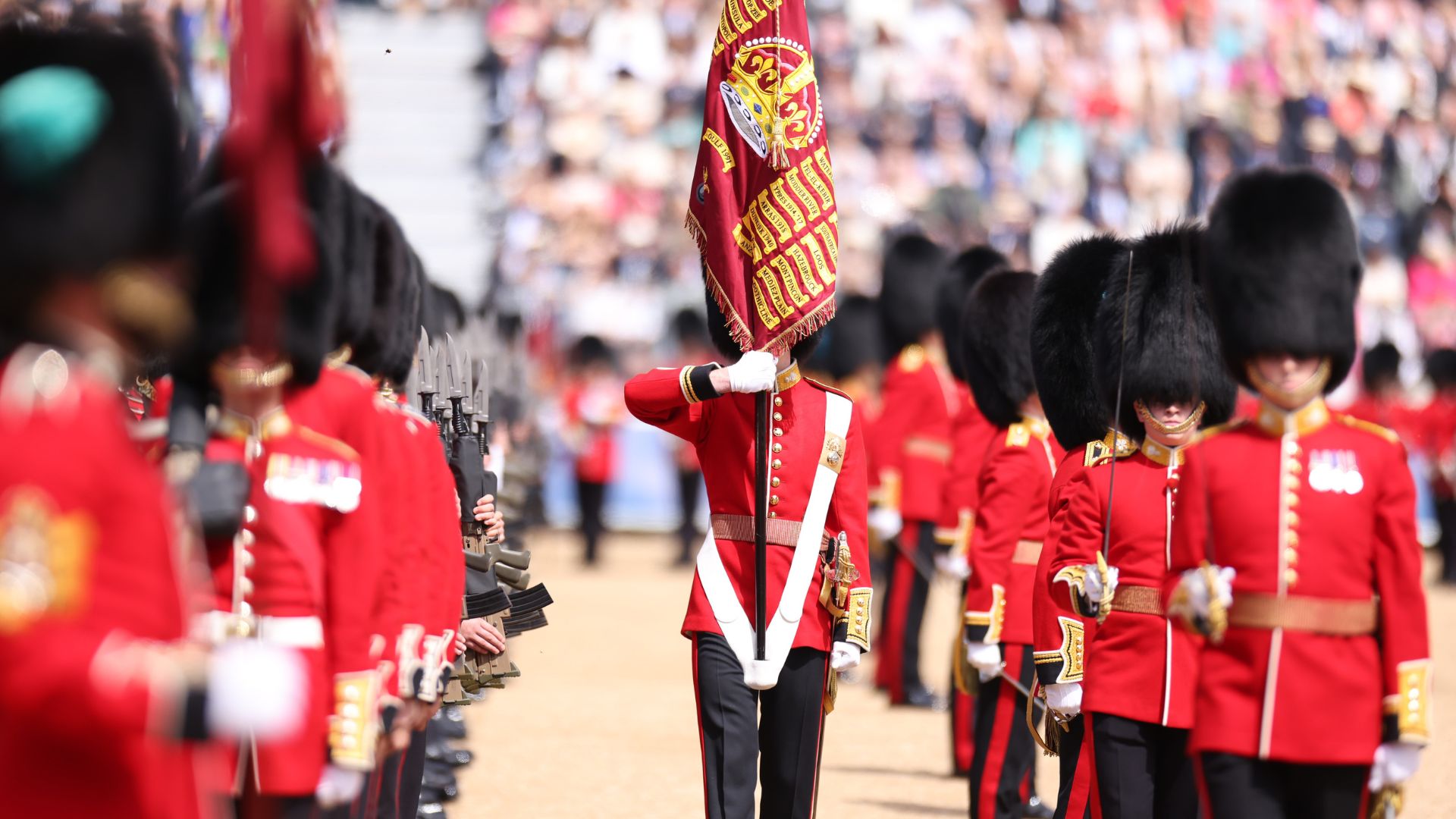
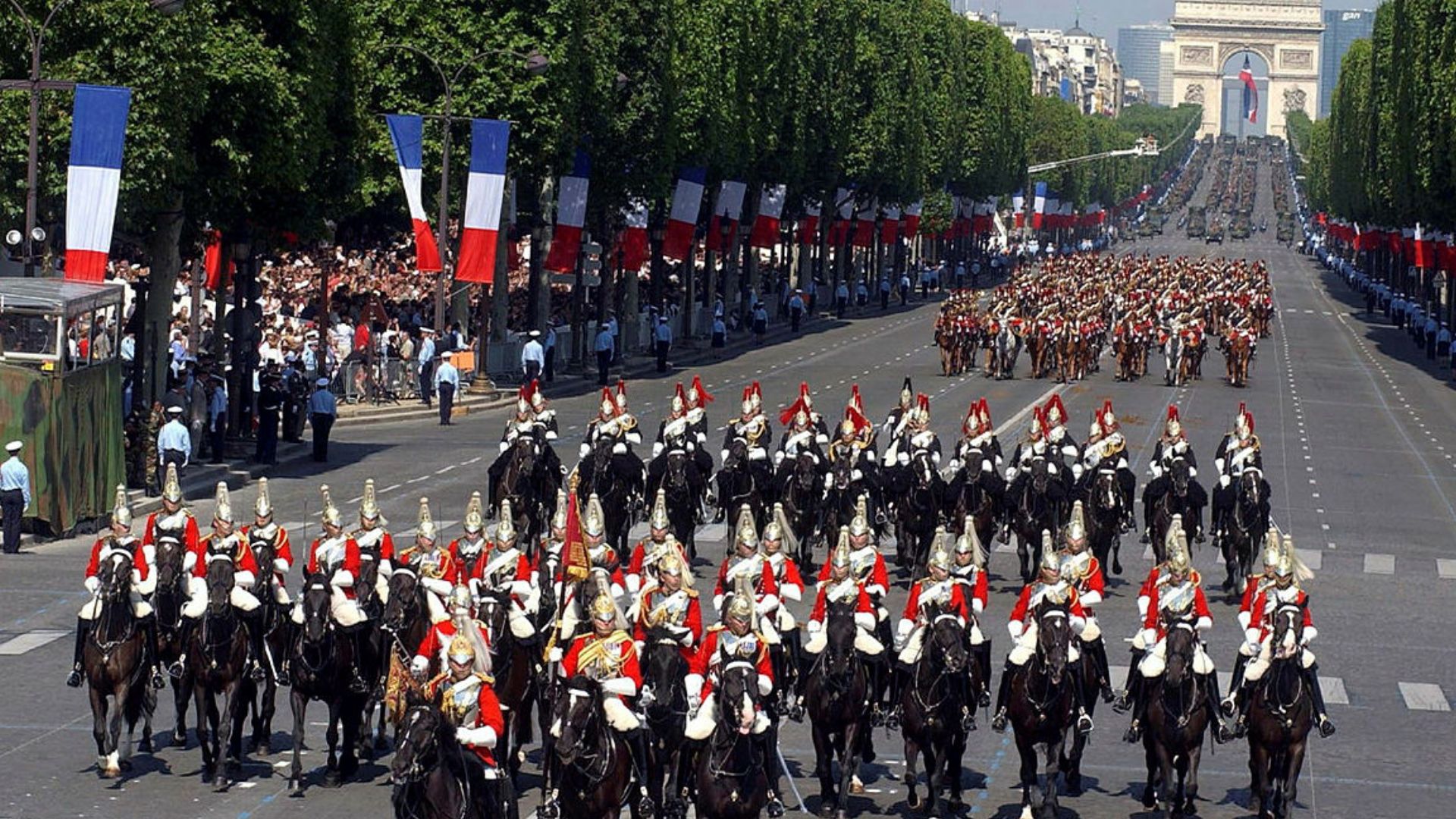
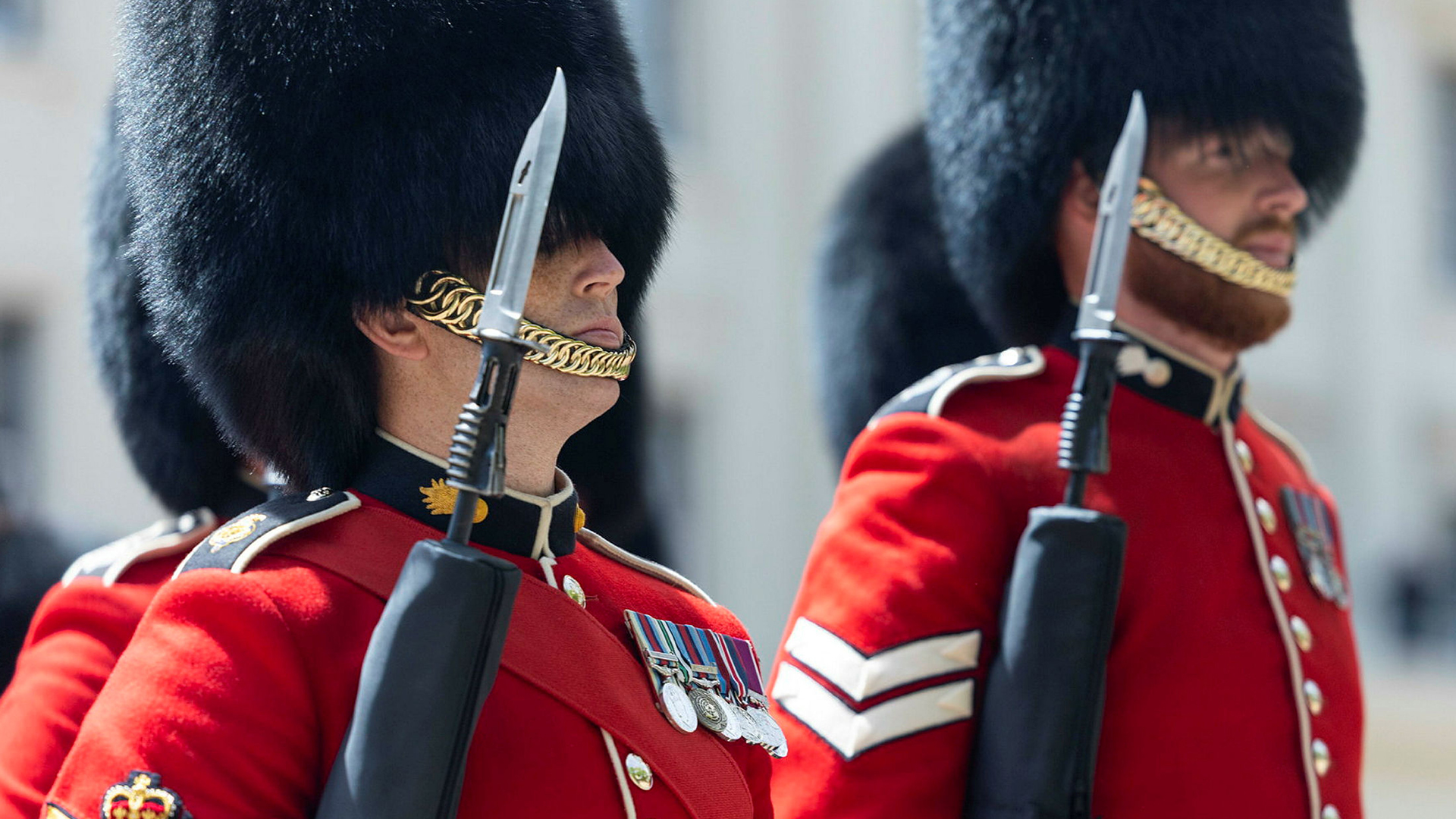
Soldiers from the Grenadier Guards will march with France's 1er Régiment de la Garde Républicaine for the first time since 2004, with the two regiments paired together under the Bonds of Friendship initiative.
Held on 14 July every year, the parade commemorates the first anniversary of the Storming of the Bastille in 1789, which served as a turning point in the French Revolution.
Joined in ceremony
Both regiments carry out ceremonial, protective and operational duties. The Grenadier Guards - the British Army's most senior infantry regiment - protects the Royal Palaces and deploys on operations, while the Garde Républicaine provides presidential escorts and guards 12 key sites in Paris.
This year, the guardsmen will parade alongside forces from nearly 30 nations, making it one of the most internationally significant Bastille Day celebrations in recent memory.
Alongside UK sailors, cadets and aviators, it will be the largest British contribution to the parade since 2004, when UK personnel led the march for the centenary of the Entente Cordiale, which helped pave the way for the strengthening of Anglo-French relations.
Longstanding exchange
Two officer cadets from Britannia Royal Naval College in Dartmouth will march with French navy cadets from the École Navale near Brest, highlighting the recently established twinning agreement between the colleges.
A Royal Navy exchange officer based at the École Navale will also take part, reflecting wider institutional links through the Royal Navy Personnel Exchange Programme.
Since the 2010 Lancaster House Treaty, which aimed to improve collective defence capability between the two nations, the programme has grown significantly, with 13 Royal Navy personnel now embedded across the French navy.
Other personnel train French submarine crews, work in aviation, personnel, support and operations headquarters, and advise the strategic policy office of the French navy's Chief of Staff.
French personnel hold reciprocal posts across the Royal Navy and wider UK defence.
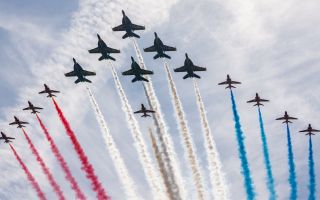
The parade will also feature a single RAF F-35 flying with French Rafales, while an RAF A400M Atlas will join two French A400Ms and a German A400M in formation.
British forces have appeared on the Champs-Élysées on only a handful of occasions, most notably in 1919 and 1939, making this a rare and historic moment in the two nations' shared military history.
Join Our Newsletter