France is to boost the size of its warhead capability and strengthen its cooperation with European allies, including the UK, French president Emmanuel Macron has said.
Delivering a speech at the Île Longue naval base in Brittany – home to France's nuclear-powered ballistic submarines – his words came amid an increased risk of global conflicts teetering on the edge of the nuclear threshold.
"The evolution of the defences of our competitors, the emergence of regional powers, the possibility of coordination between adversaries and the risks linked to proliferation… has led me to this conclusion: an enhancement of our arsenal is indispensable," he said.
Advanced deterrence
As of 2026, France has an estimated 290 nuclear warheads, constituting the world's fourth-largest nuclear arsenal after Russia, the US, and China.
However, in the future, President Macron said France will no longer disclose the number of its nuclear arsenal "contrary to what may have been the case in the past".
He said eight other European countries – the UK, Germany, Poland, the Netherlands, Belgium, Greece, Sweden and Denmark – had agreed to participate in a new "advanced deterrence" strategy.
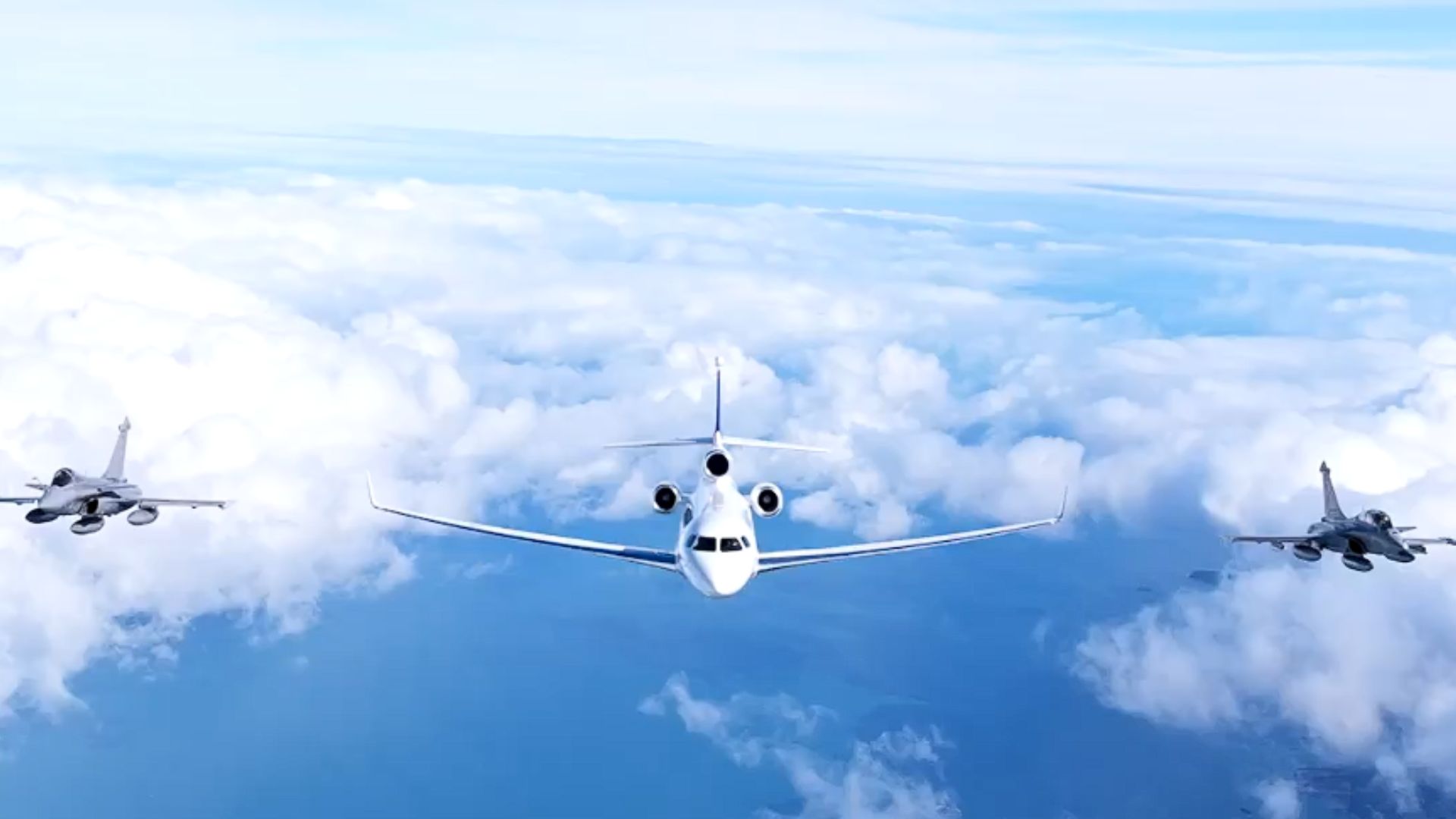
This, he said, would allow partner nations to take part in deterrence exercises alongside France's own nuclear force, the Force de Frappe, and host air bases where French nuclear-armed fighter jets could be stationed.
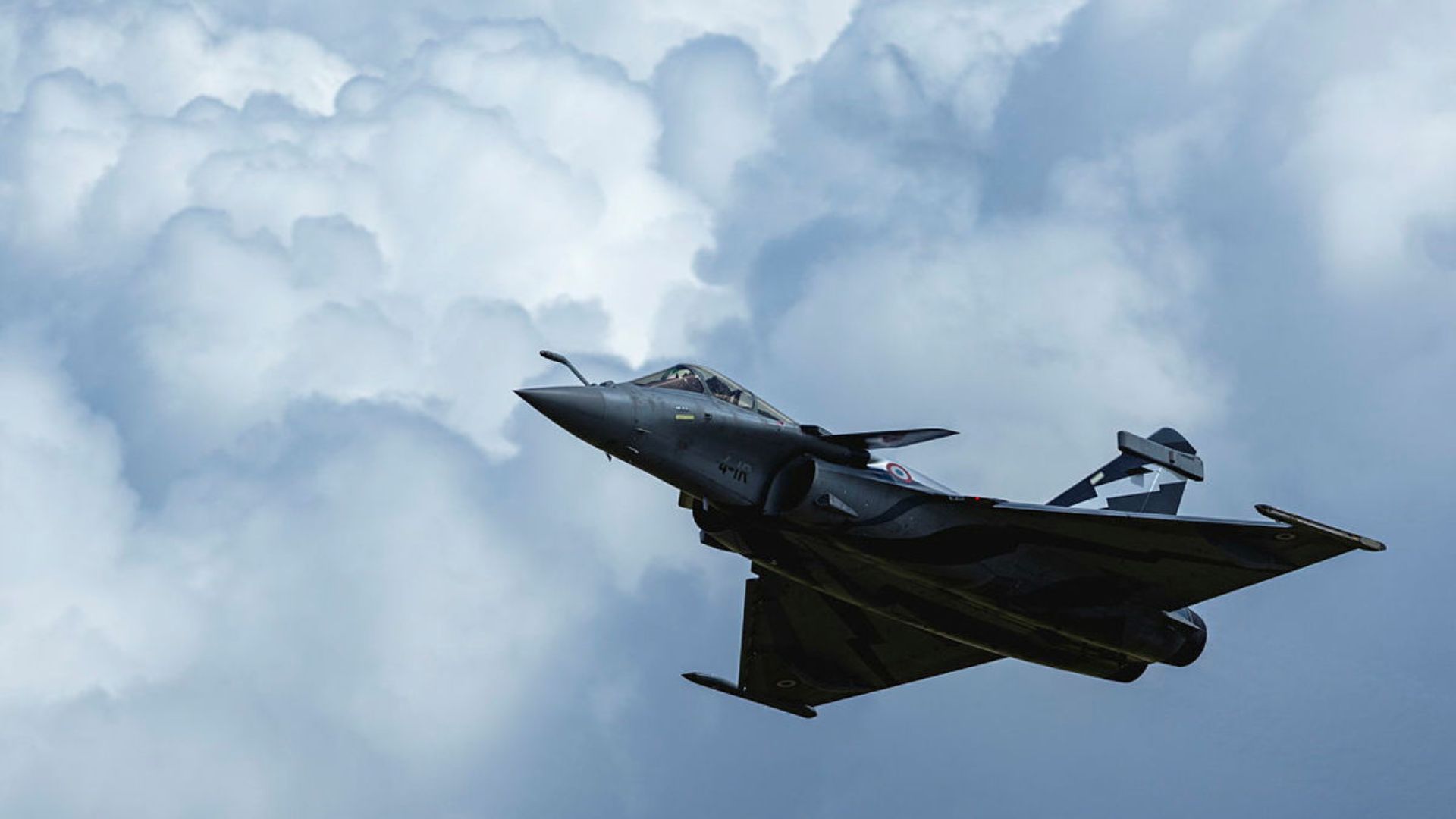
The spreading of France's Strategic Air Forces across European territory would "complicate the calculations of our adversaries", thereby reducing the risk that French nuclear capabilities could be neutralised in a single strike.
Partner countries would also collaborate on "auxiliary" capabilities like space-based alarm systems, air defence to shoot down incoming drones and missiles, and long-range missiles.
"This is a genuine strategic convergence between our countries, of a nature to give real depth to the deterrence of our continent," Mr Macron said.
He emphasised, however, that there would be no explicit "guarantee" for partner nations, and decision-making authority over the use of its nuclear weapons rests on France alone.
In a post on X, Polish Prime Minister Donald Tusk welcomed the decision, saying: "We are arming up together with our friends so that our enemies will never dare to attack us."
Franco-German cooperation
France already has a nuclear cooperation agreement with the UK under the Northwood Declaration and, shortly after President Macron's speech concluded, a joint declaration was signed with German Chancellor Friedrich Merz.
It announced a closer cooperation "in the field of deterrence", with the first steps underway this year.
These include German participation in French nuclear exercises, joint visits to strategic sites, and the development of capabilities with European partners.
"This Franco-German cooperation will add to, not substitute for, Nato's nuclear deterrence and Nato's nuclear sharing arrangements," a joint Macron-Merz declaration said.
"It aims at enhancing Europe's security as a whole."
Join Our Newsletter