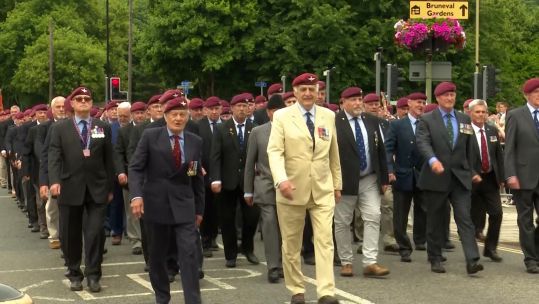
Falklands Parachute Regiment veterans march through Aldershot
Forty years on from the conflict, paratroopers were welcomed to the home of the Army.


Forty years on from the conflict, paratroopers were welcomed to the home of the Army.
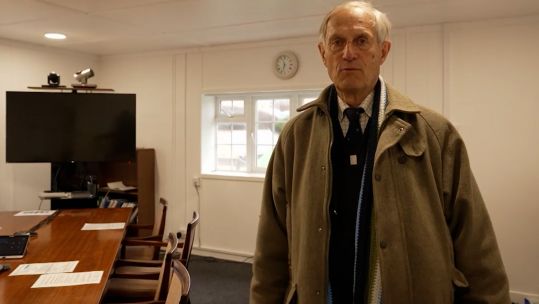
General Sir Michael Rose has spoken about the details behind the 1982 from the location itself for the first time.
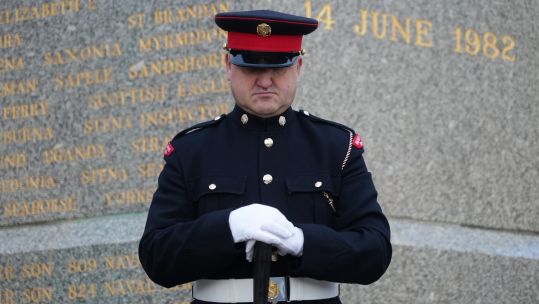
Held every year on 14 June, Liberation Day commemorates the end of the occupation of the islands by Argentina in 1982.
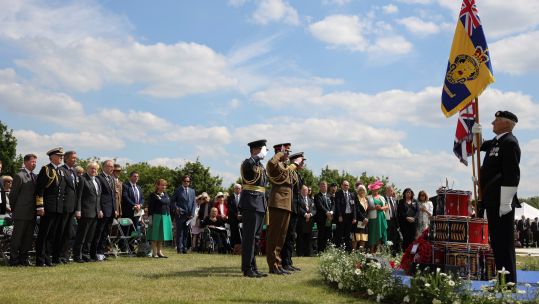
The Royal British Legion hosted the large-scale event at the National Memorial Arboretum – the focal point of commemoration in the UK.
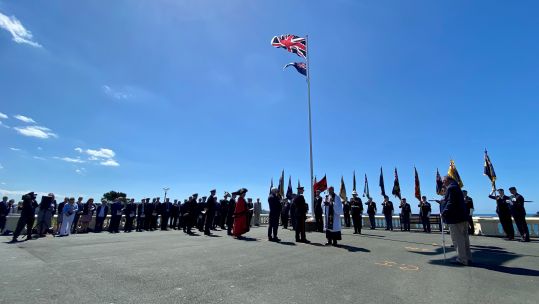
The flag of the Falklands Islands was raised over Plymouth Hoe and will remain in place until after Armed Forces Day.
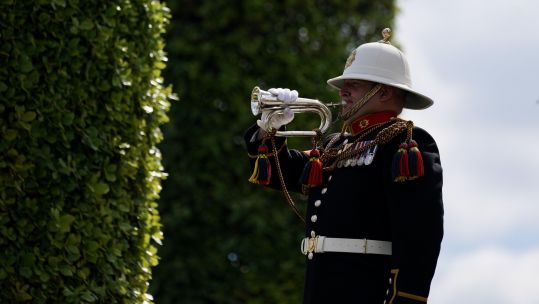
Events have marked the anniversary of the end of the Falklands War, with a centrepiece service at the National Memorial Arboretum.
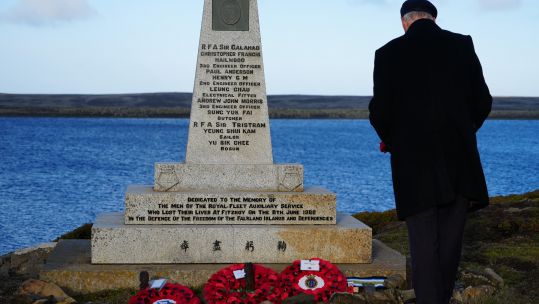
Events have taken place across the UK to mark the moment when, 40 years ago, the Falklands conflict ended with a British victory.
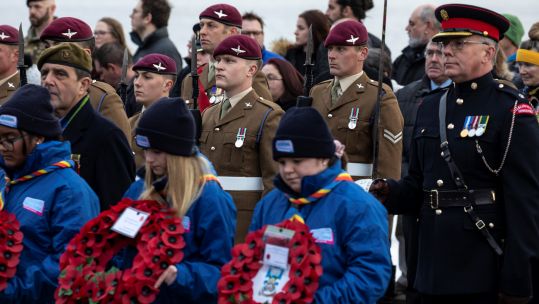
Liberation Day commemorates the end of the occupation of the Falkland Islands by Argentina in 1982.
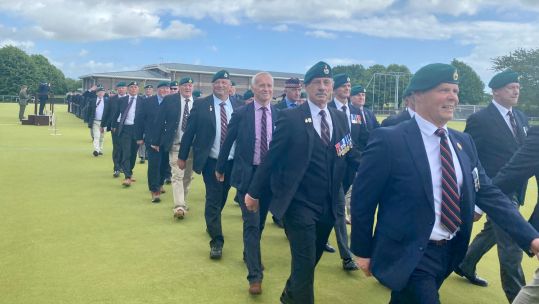
Forty years after the Falkland Islands' liberation, Royal Marines who were there in 1982 paid their respects.
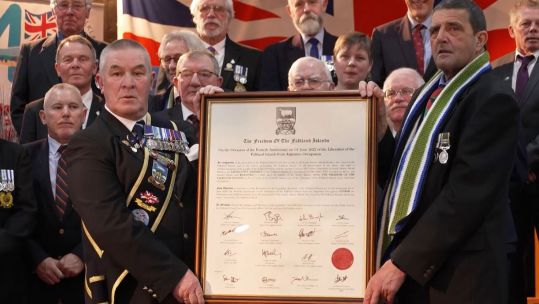
The residents have expressed their gratitude to those who fought to free the Falklands from Argentinian occupation.
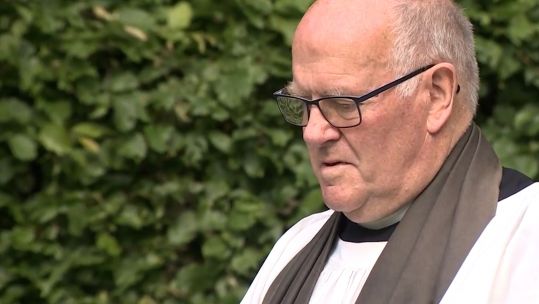
The Duke placed a rock brought from the South Atlantic onto a memorial to those lost in the conflict.
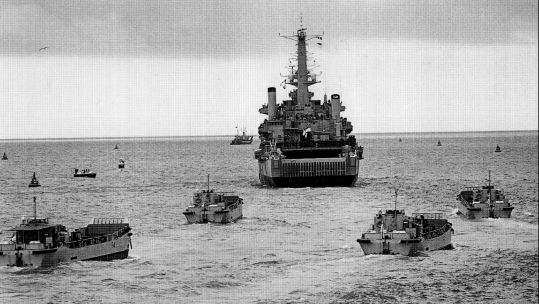
Six crewmen were killed when Landing Craft Foxtrot 4 was bombed on 8 June 1982.
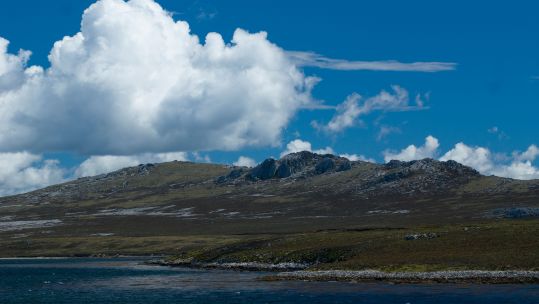
Following success at Goose Green, British Forces had two more Argentinian positions to take before reaching Port Stanley.
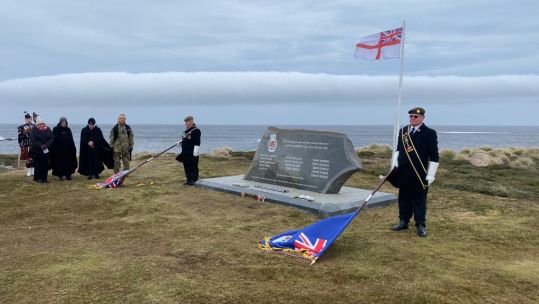
Fourteen sailors died when the ship was hit by an Exocet missile.
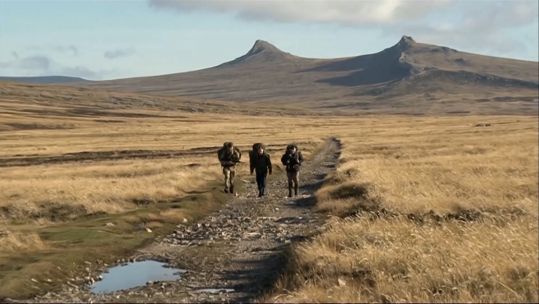
Forces News spoke to several men who were tasked with capturing one of the Two Sisters mountains.
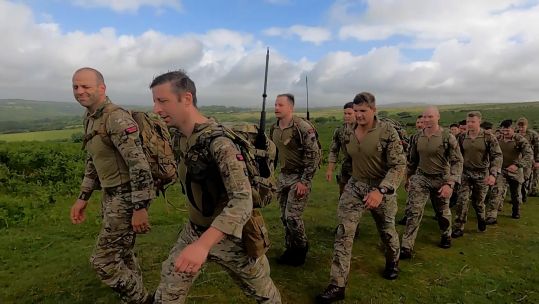
Marines from all over the country have also taken part in marching challenges, each marching 56 miles (90km) across three days.