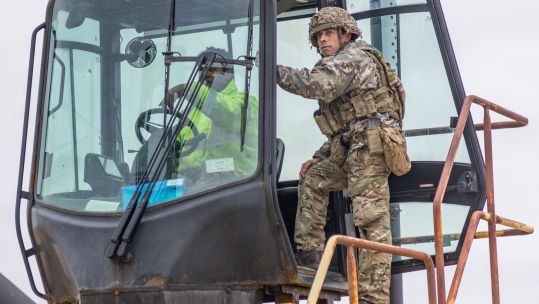
2 RIFLES take over from 3 Para in Falkland Islands
The Rifles personnel will serve on the Falkland Islands as the Roulement Infantry Company.


The Rifles personnel will serve on the Falkland Islands as the Roulement Infantry Company.
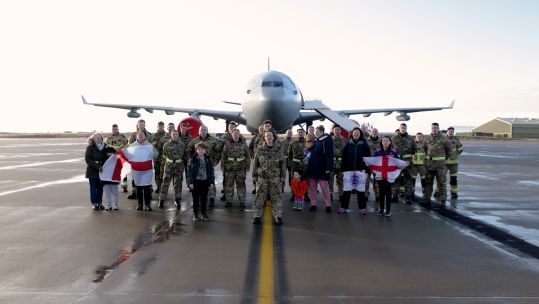
Serving personnel and their families overseas will be able to watch the match via BFBS TV.

The play tells the story of the war from the unique perspective of the islanders.
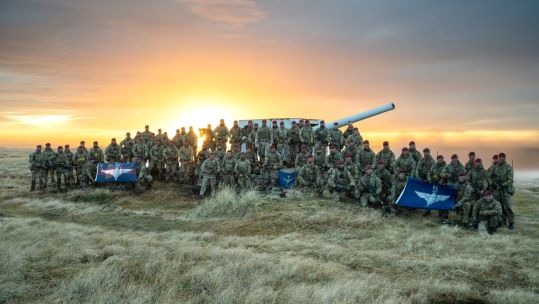
Ex Cape Bayonet involved the British Army, Royal Navy, Royal Air Force and Falkland Islands Defence Force.
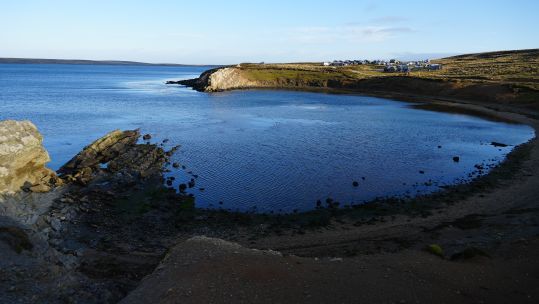
The UK had appeared to be battling with the European Union to reverse a decision to refer to the Falkland Islands as 'Islas Malvinas'.
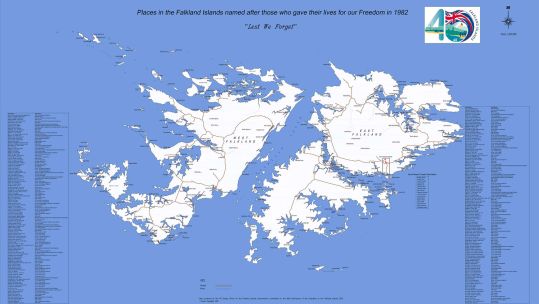
The names of 255 military personnel and three civilians will forever be remembered on the islands
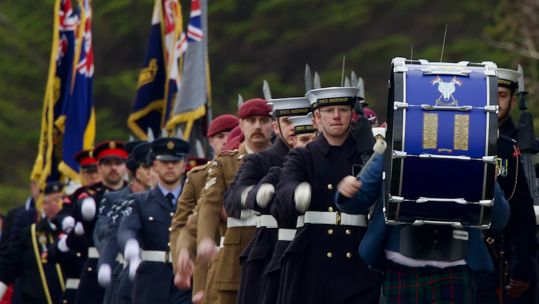
Held every year on 14 June, Liberation Day commemorates the end of the 74-day occupation of the islands by Argentina in 1982.
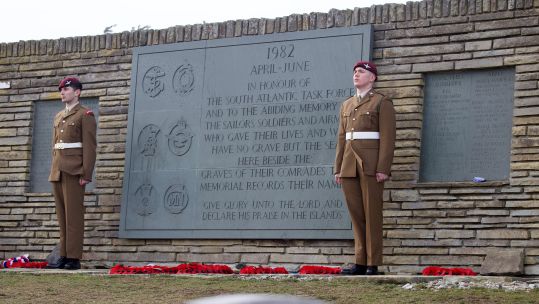
Members of the British military laid wreaths at the Blue Beach Military Cemetery.
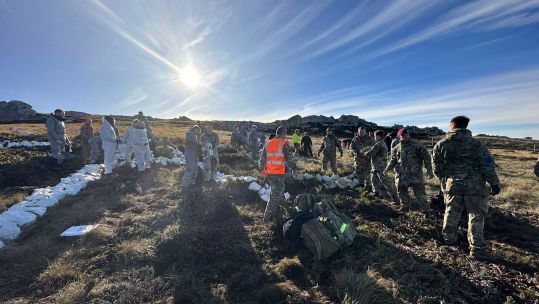
It is part of a long-standing tradition of the island to honour the warships that have patrolled the South Atlantic British territory.
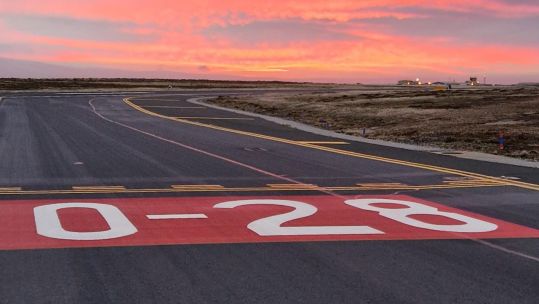
The work included repainting runway and taxiway markings in reflective paint, replacing airfield signage and coating the runway in bitumen.
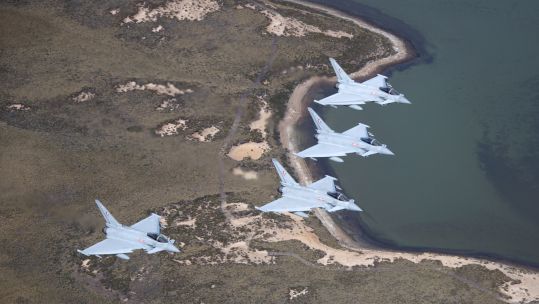
Four Typhoon FGR4 from 1435 Flight are poised 24/7 to intercept any unidentified aircraft around the Falkland Islands.
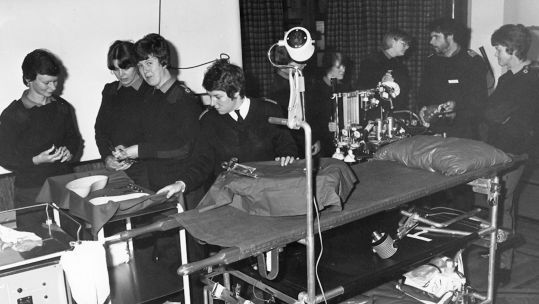
Only the most seriously injured troops were taken to the ship for treatment.
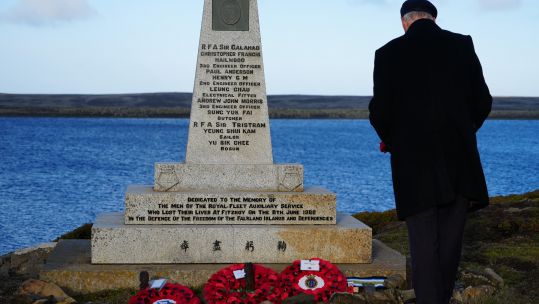
Argentina took control of the Falkland Islands on 2 April 1982.
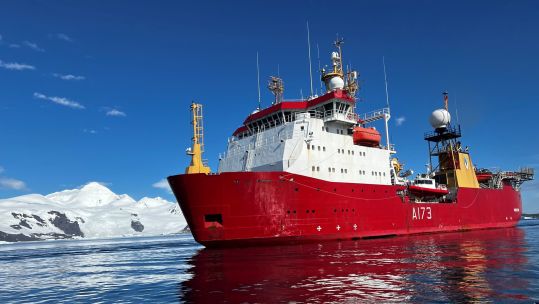
The Royal Navy's only ice patrol ship now faces a 6,000-mile journey back to the UK for maintenance and training.
Argentina has long claimed sovereignty over the islands it calls Las Malvinas, which were the centre of the bloody conflict in 1982.
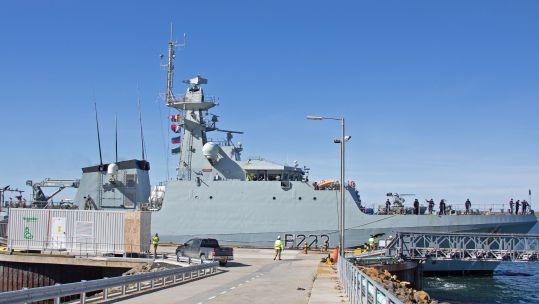
Medway’s task is to reassure British citizens that the UK is permanently on hand to provide support and assistance.