Could HMS Lancaster survive a Biscay storm? Decommissioning in Bahrain suggests not
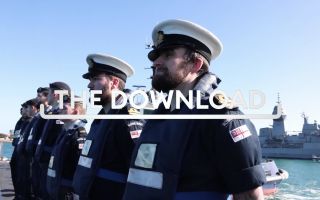
When the Royal Navy frigate HMS Lancaster made her final journey to Bahrain on Friday, she was welcomed by Fleet Commander (and her former Commanding Officer) Vice Admiral Steve Moorhouse, the Band of His Majesty's Royal Marines from HMS Collingwood, and a 34-gun salute as she entered port.
This tells us that this is a decision that has been some time in the making and planning, not something emerging from the result of an unforeseen incident.
Decommissioning the ship overseas, albeit in the well-found dockyard in Bahrain with the UK's Naval Support Facility on hand, presents some challenges.
The process of decommissioning a frigate
Firstly, it ties a number of sailors to the ship whilst the process of decommissioning is undertaken. Rather than conducting such duties in Portsmouth or Devonport, a proportion of the ships company will be needed to remain deployed in the Middle East to manage the preparation of the ship for handover and disposal.
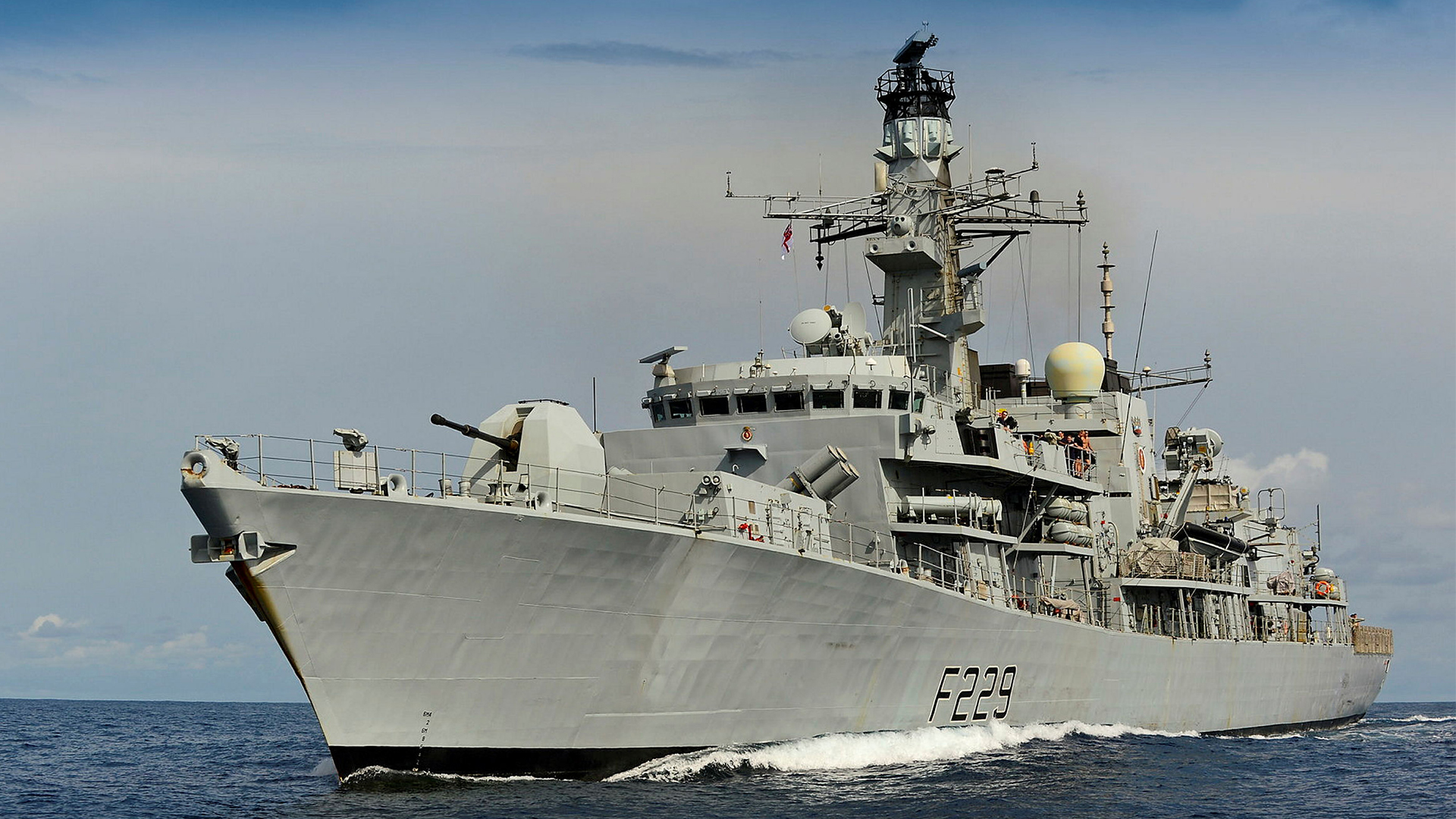
This will include the need to provide "care and protection" – that is to say, ensuring that the ship remains safe and secure, and responding to any incidents such as the outbreak of a fire.
Such responsibilities will not last forever and, at some point, she will be handed over to the disposal authorities for safekeeping ahead of being towed away for dismantling.
But that can't happen immediately. As an operational warship, she will have plenty of ammunition on board.
Now, I dare say that sensible risk has been taken against the amount of her ammunition holdings, but there will still be a significant number of complex weapons that will need to be offloaded and returned to the UK. This will include things such as Sea Ceptor missiles and Stingray torpedoes, in addition to high explosive shells for the 4.5in gun, pyrotechnics and so on.
This assumes that this has not already been done elsewhere, for example, at Duqm in Oman. For obvious reasons, if she had de-ammunitioned before the end of her operational life, the Navy would have kept this quiet!
Either way, there will be plenty of other stores and equipment to be removed – all of the electronic warfare equipment, communications devices, computers, servers and so on will need to be brought back to the UK.
Decommissioned warships are stripped of anything that could be classified or sensitive, or might prove useful as spares for ships remaining in service or those in build. All of this will need to be done by the appropriately qualified people travelling to Bahrain, and such equipment, including any explosives and classified stores, will be securely and safely shipped back to the UK.
Notwithstanding the winter weather at home, all of this would be easier to manage in Hampshire or Devon rather than Bahrain. So, why would the Royal Navy choose to decommission a ship so far from home, rather than bring her back to the UK?
Could she make the journey?
Admiral Moorhouse gives a clue in this video, stating that the Royal Navy will not seek to extend HMS Lancaster's certification and sail her back to the UK.
This means that she has been run right up to the end of her certification, and there isn't the flex left in that to bring her back to the UK. This might either be a time- or conditions-based limit.
Warships are periodically inspected in dry dock to ensure that they remain seaworthy and are compliant with all the necessary regulatory requirements. This is part of the Ministry of Defence's formal assurance process for safety and operational capability.
A key element of this is understanding what risks are being carried and to ensure that they are understood, managed, and explicitly accepted at the appropriate authority levels. Such things are actively managed and kept under constant review.
Given that it takes only about three weeks to get back from the Gulf to the UK, it seems astonishing that either she could not be released from her tasks in time to get her back for Christmas or that her certification could not be extended to allow for this.
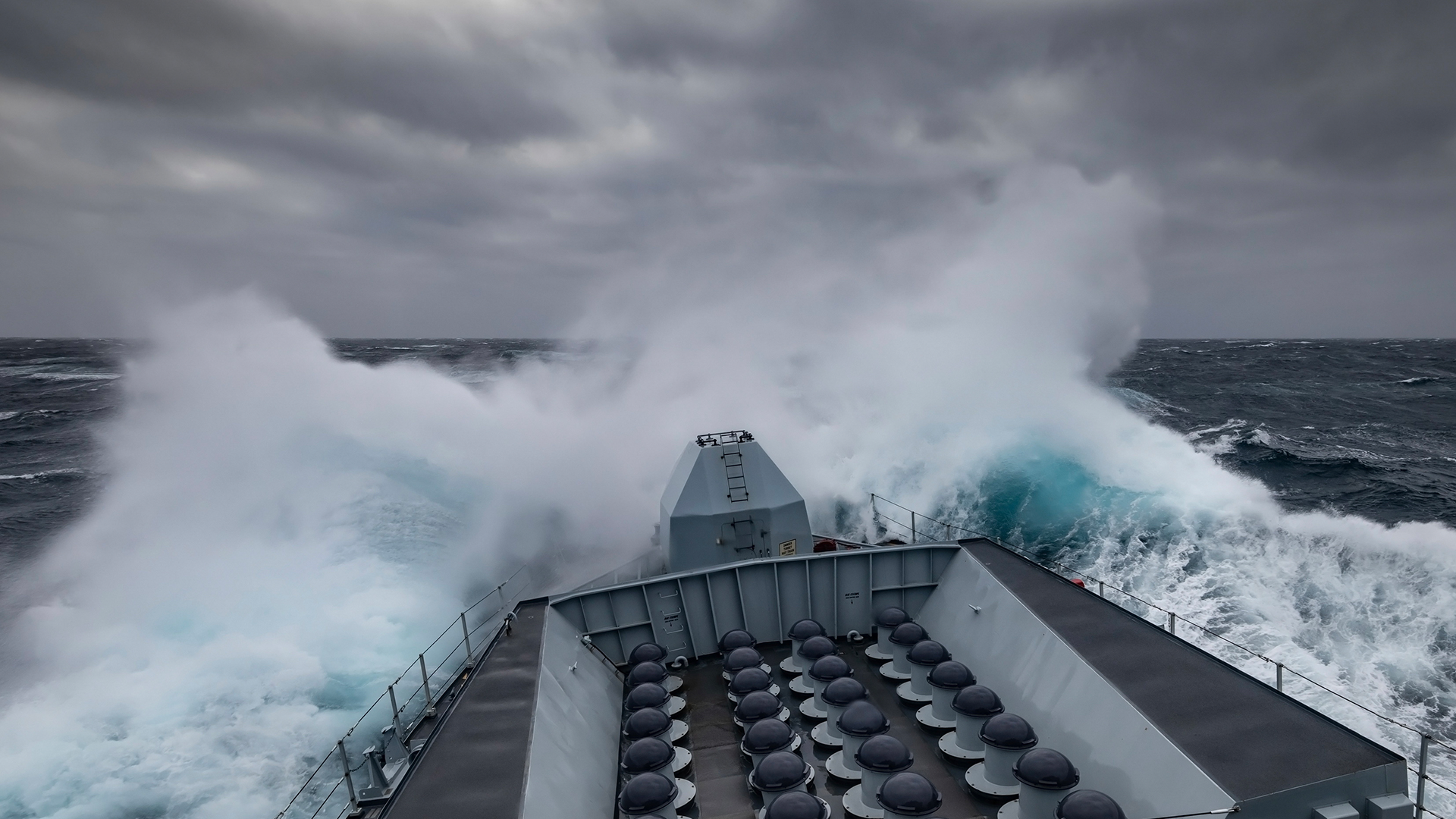
One inference that it is possible to draw, therefore, is that her material condition is not suitable for the sea conditions that she might encounter on a voyage home and that the risks of such a transit were beyond what it was practicable to mitigate, and therefore intolerable.
If indeed she was unsafe to operate in, say, a Biscay storm, then it is an entirely right and proper decision to decommission her in Bahrain. But, if that is so, then it speaks volumes as to the precarious state of the Royal Navy's frigate force.
Operational push comes at expense of lifespan
There are seven frigates left in commission with the Royal Navy, all of the Type 23 Duke class. They were originally designed to have an 18-year life but have been extended to nearly twice that.
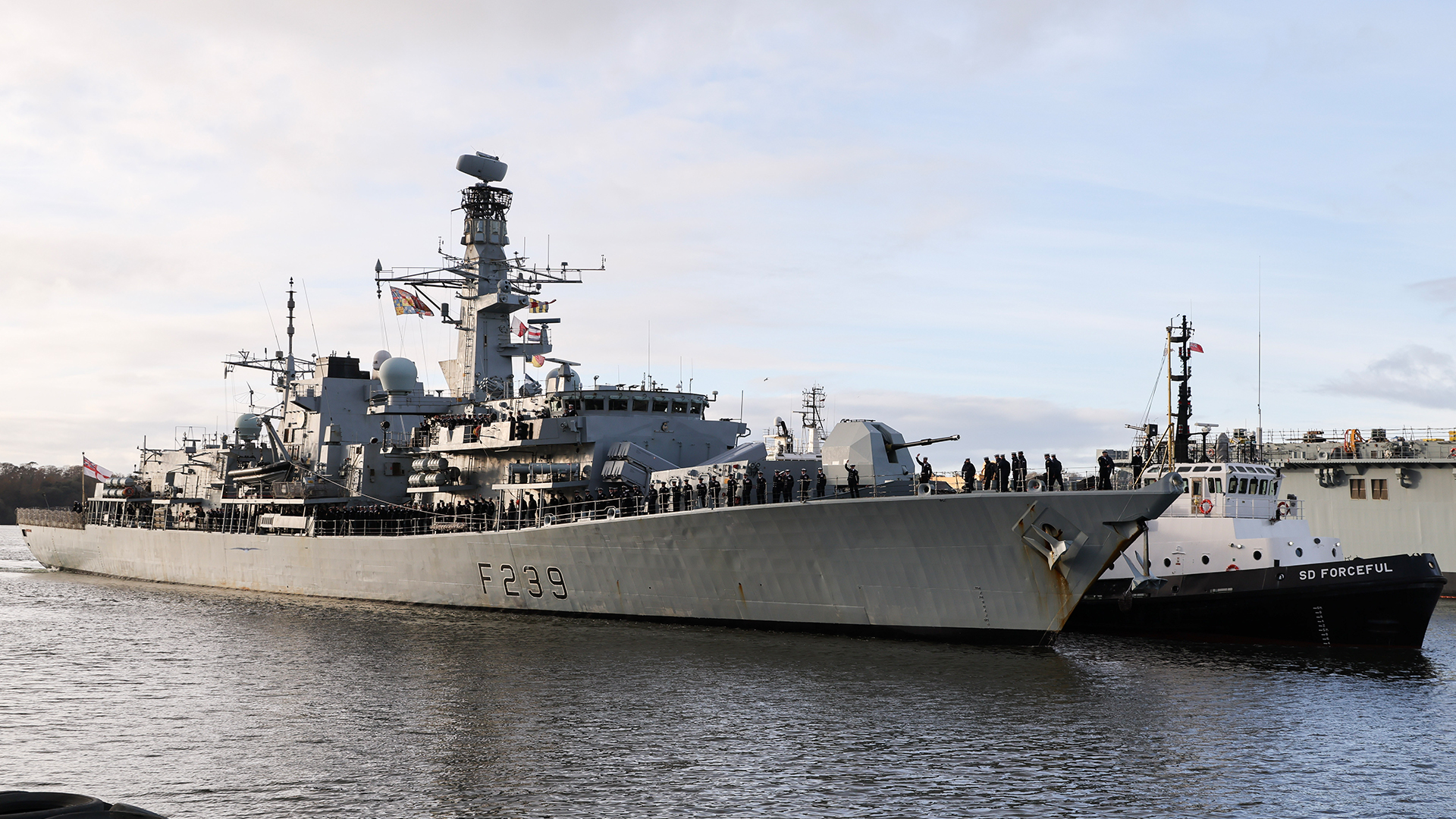
HMS Lancaster has served for 34 years. This matters because the hulls of the ship, and other structural elements, are built to meet the life of the ship. Of course, hulls can be patched and structural members replaced, but this takes time and money – and a lot of both has been spent keeping the Type 23s at sea in recent years.
Now, you might think that knowing all of this, the strategy would have been to nurse the ships through to the end of their lives and to eke out their service so that they could be operationally available for as long as possible.
But that has not been the Navy's strategy. As part of Navy transformation, there was a determination to improve the productivity of the Royal Navy, ie. get more availability – sea days – from the ships that we had.
A consequence of this has been to work these ships – and their crews – harder. Arguably, this has used up their remaining service life more quickly by wearing them out more rapidly.
The deployment of HMS Lancaster to the Middle East for three years, whilst rotating the crews, has been evidence of this.
That ships like her are now uneconomical to re-certify and, one assumes, unsafe to sail back to the UK, means that our frigate force is looking decidedly fragile.
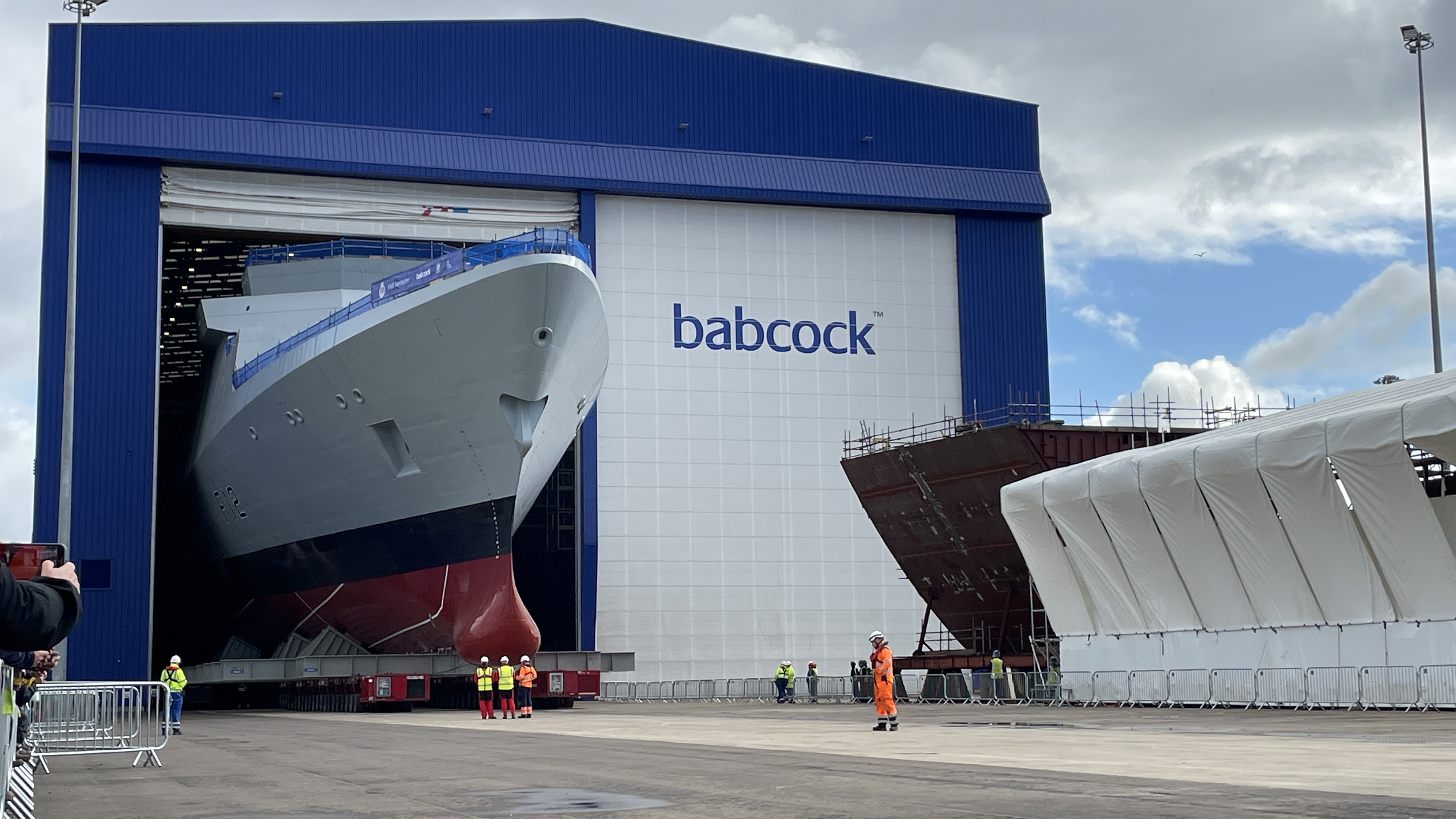
The replacement ships, the Type 26 and Type 31 classes of frigates are coming, but we were too late to find the money to start building them, and they are taking longer than they should to arrive.
There are lots of good reasons why this is so, but it doesn’t take away from the fact that they ships aren't yet in the fleet and we continue to struggle to retain the sailors to crew them in any case.
That is why, when the First Sea Lord gives his speech at the Sea Power Conference in London this coming week, we can expect a significant shift in strategy. Watch this space…
Join Our Newsletter