Russia's military plane crash and ejection seat failure expose the cracks in an ageing war machine

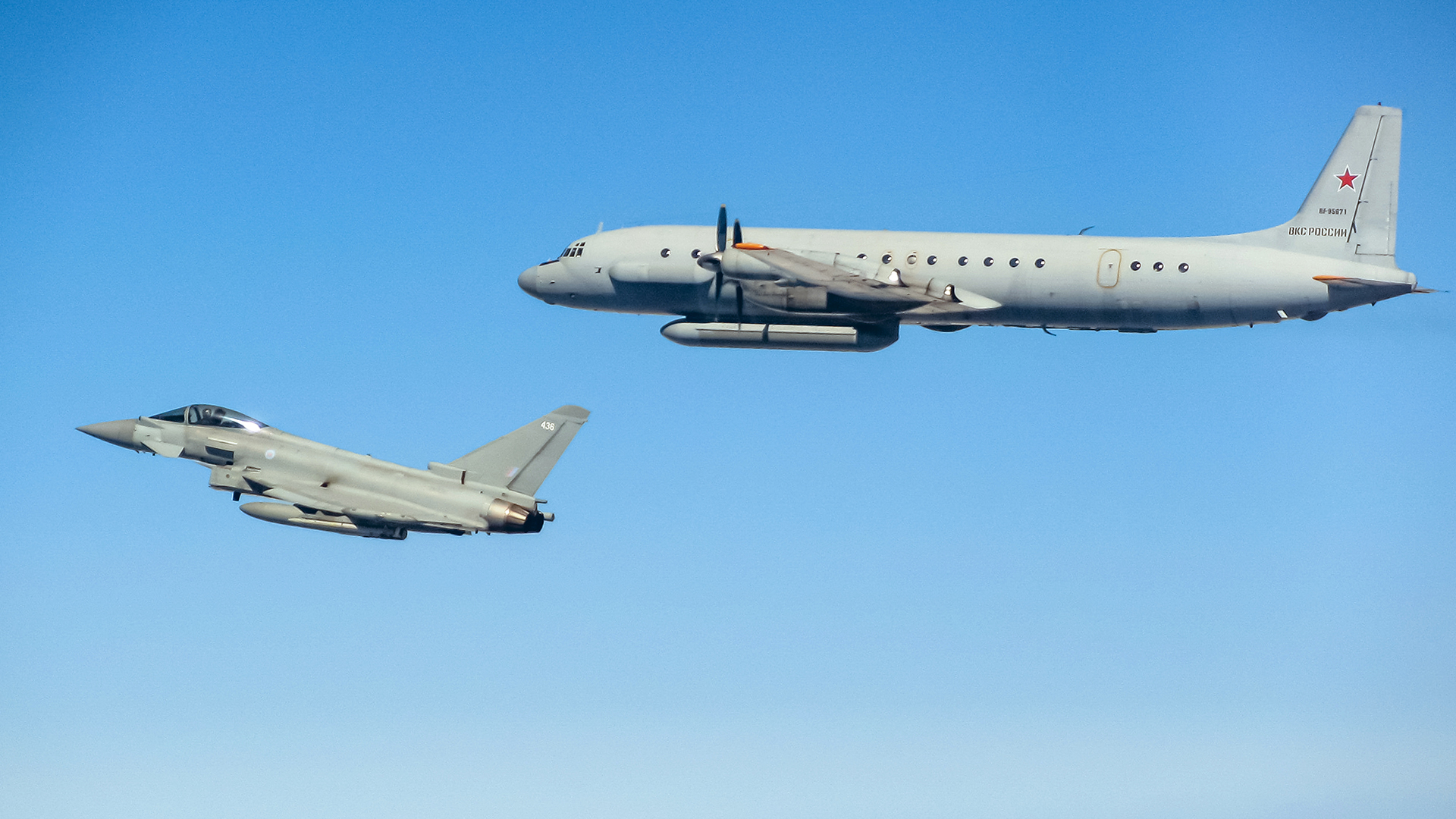
With Russia's full-scale invasion of Ukraine soon to enter its fourth year, the strain of international sanctions, the demands of war, and the continued reliance on ageing Soviet-era technology are becoming increasingly costly for Moscow.
This week, two separate incidents – a fatal ejection-seat malfunction and the crash of a military transport aircraft – have drawn renewed attention to the deteriorating state of its inventory.
Both reflect the broader challenges for Russia, now the most sanctioned country in the world, where restrictions on high-tech imports and a struggling arms industry are straining its ability to sustain its war on Ukraine.
Fatal mishaps
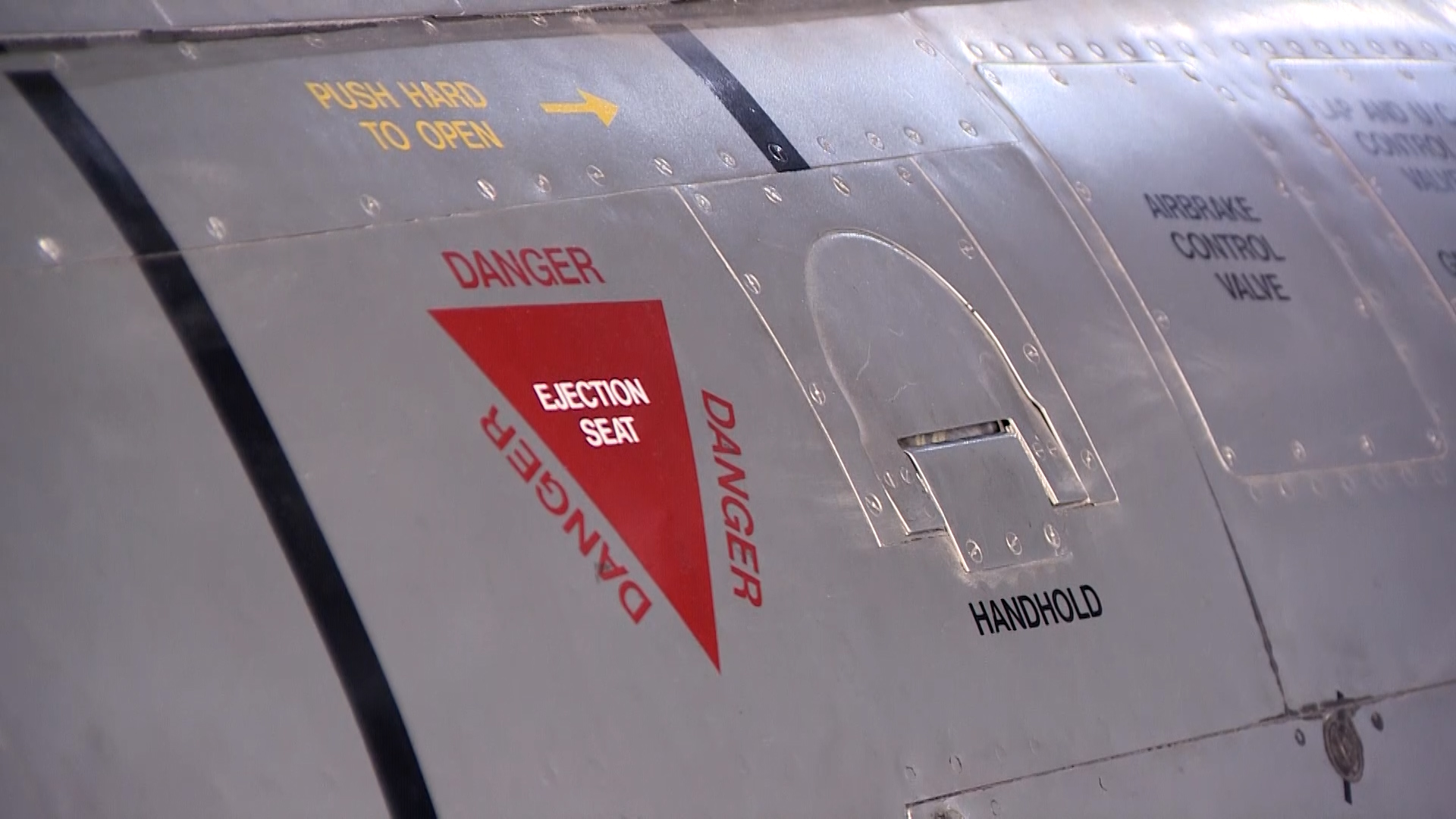
On 8 December, two Russian airmen were killed after being ejected from their aircraft while it was still inside the hangar, according to Russian defence blogger Ilya Tumanov, founder of the Telegram channel Fighterbomber.
"Yesterday, in one of the bomber aviation regiments, the ejection system was triggered on a plane standing in a shelter," he wrote. "The pilot and navigator sustained injuries incompatible with life."
The location of the incident and the type of aircraft involved remain unclear, but Tumanov said a state commission is currently investigating.
Ejection seat malfunctions are rare, and can stem from human error, technical faults, or ageing airframes – the latter exacerbated by the operational demands in Ukraine, and a challenge Russia is routinely contending with.
This would not be the first time the Russian Aerospace Forces (VVS) have faced similar fatal mishaps.
In 2021, three airmen were killed in Kaluga, 150km southwest of Moscow, when the ejection seat of a Tu-22M3 bomber – a Soviet-era aircraft last produced in 1993 – activated on the ground during pre-flight checks.
In the same year, a pilot and navigator were ejected from a Su-30SM fighter in Crimea while the aircraft was preparing for take-off.
Both the pilot and navigator survived, but a ground technician suffered burns from the blast.
Soviet-era technology: A perfect storm for failure
On 9 December, a day after the ejection seat mishap, an Antonov An-22 – known by its Nato reporting name 'Cock' and the last of a long obsolete military transport aircraft – crashed in the Ivanovo region, killing all seven crew members onboard.
The aircraft reportedly went down during a flight over Russian territory, although authorities have provided little detail on the circumstances of the crash.
First introduced into service in the 1960s, the An-22 remains the heaviest turboprop-powered aircraft ever built and is a crucial asset within Russia's military transport fleet.
With outdated technology and amid a transition to a modernised fleet, the An-22 was slated for frontline service by Russia in 2024, and, in fact, was reported out of use some 18 months ago.
Despite this, Moscow's continued reliance on Soviet-era aircraft to meet its operational needs carries significant risks.
A decades-old design, many of their assets have become heavy, slow and less reliable, and spare parts are increasingly scarce, making maintenance increasingly challenging.
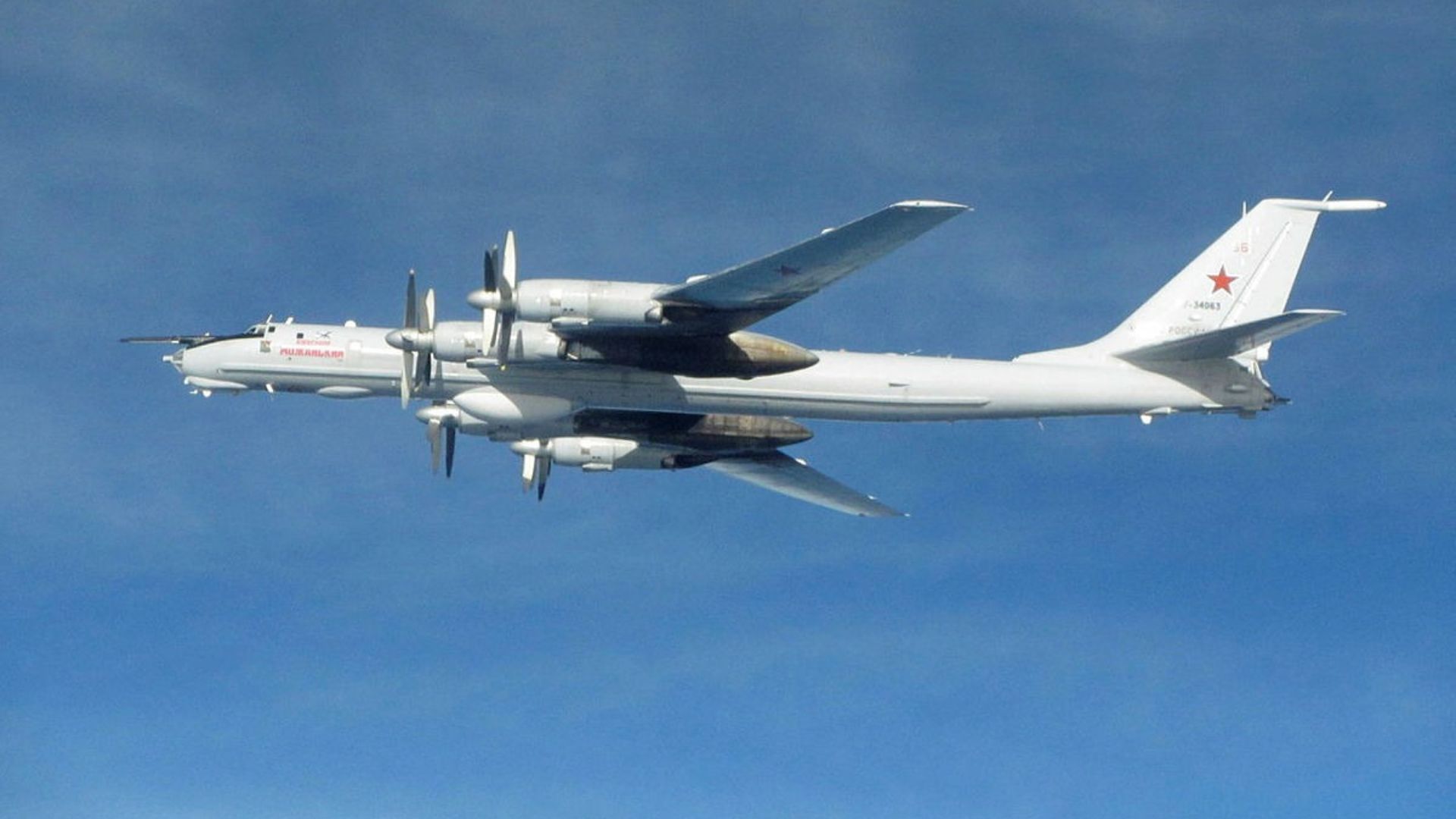
Aircraft such as the Russian Tupolev Tu-142 require constant upgrades to remain operationally relevant – a balancing act, as while modernisation is expensive, replacement is even more so, and ageing airframes now run the risk of similar incidents like those seen this week.
Join Our Newsletter