BATUK personnel allegedly engaged in rape, assault and child abandonment, report finds

A Kenyan departmental committee report on the conduct of the British Army Training Unit in Kenya (BATUK) has found that soldiers allegedly committed human rights violations, caused environmental degradation and lacked accountability for their actions.
The report, written following an inquiry overseen by the Departmental Committee on Defence, Intelligence and Foreign Relations at Kenya's National Assembly, revealed a "disturbing trend of sexual misconduct", including allegations of rape, assault and the abandonment of children fathered by soldiers.
The inquiry claimed that many victims of sexual violence reported that cases were dropped or mishandled by local authorities, meaning victims were unable to seek justice.
It comes after a former British soldier, Robert James Purkiss, who is accused of killing Agnes Wanjiru, told a court that he does not consent to his extradition to Kenya to stand trial for her murder last month.
A UK Ministry of Defence spokesperson said: "The UK highly values its defence relationship with Kenya, which delivers a broad programme of cooperation in training, education, and capability development to counter shared security threats together.
"We were grateful for the opportunity to submit evidence to Kenya's National Assembly Defence, Intelligence and Foreign Relations Committee's inquiry into conduct at the British Army Training Unit Kenya (BATUK), and note the publishing of the inquiry report today.
"We deeply regret the challenges which have arisen in relation to our defence presence in Kenya."
The inquiry report said that troops were regularly committing actions of "gross negligence" through their handling of unexploded ordnances, causing several civilian injuries and deaths.
After the incidents, it said that Kenyan workers, who were brought in to help with the clean-up, were not given protective equipment or proper training, thereby exposing themselves to harmful agents.

The report also suggested that British Army personnel were responsible for environmental degradation, such as the illegal dumping of military waste and toxic chemicals.
The committee highlighted an incident at Lolldaiga Hills four years ago, when a fire devastated more than 12,000 acres of vegetation, after it was lit by BATUK's live-fire drills. The fire led to toxic smoke, respiratory illnesses, the deaths of livestock and reported miscarriages.
Soldiers lacked accountability for their actions as the governance structures at BATUK are "insufficient", according to the committee.
Nairobi suggested that investigations into incidents such as the Lolldiaga fire were classified by the MOD or stalled through diplomatic channels.
"Our statement – offered in the spirit of cooperation to the committee – responded to the issues highlighted during the inquiry into BATUK, and outlined the actions taken to address the concerns raised," the MOD added.
"Where new allegations have come to light in the committee's report, we stand ready to investigate those under our jurisdiction fully once evidence is provided."
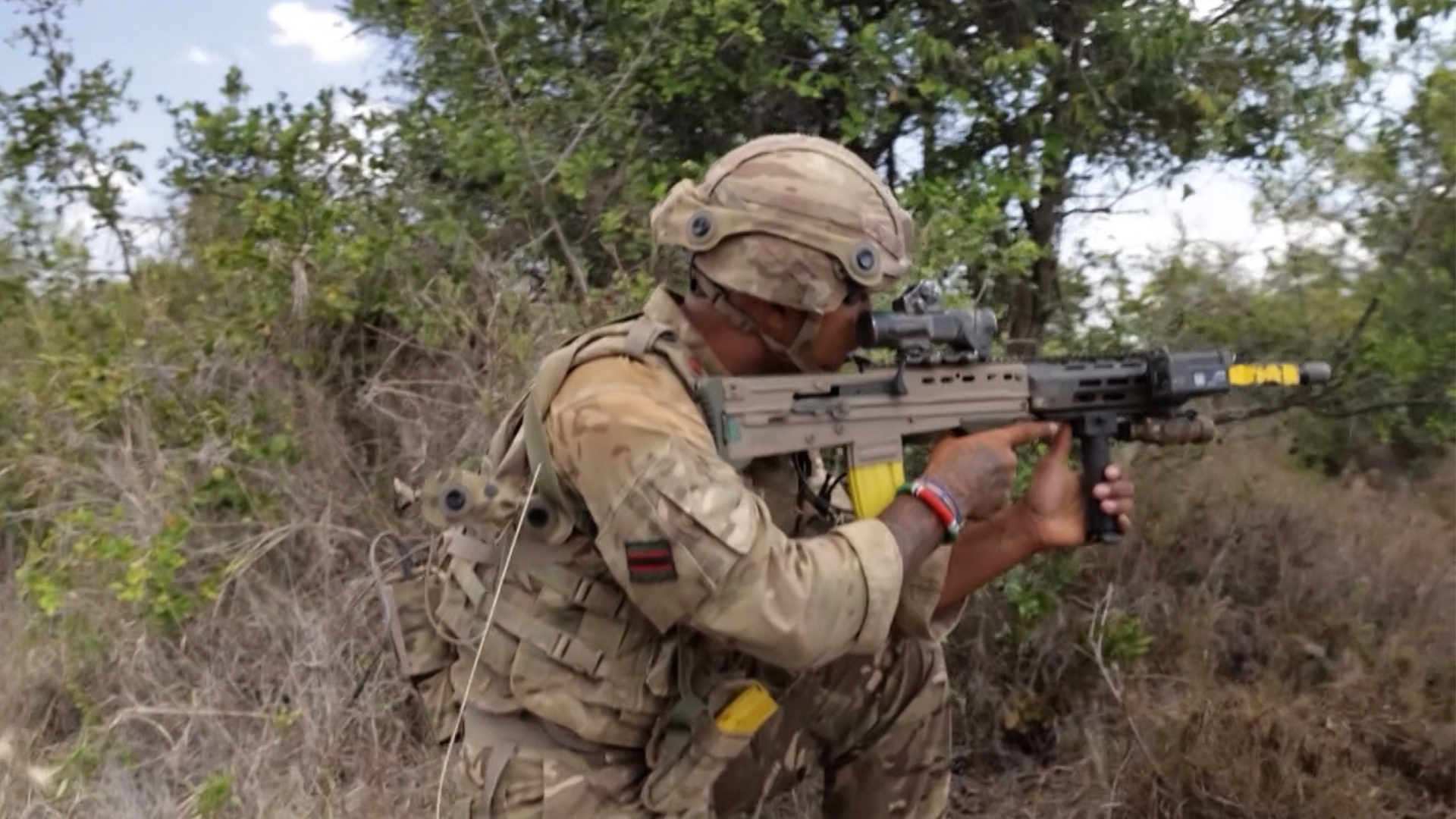
BATUK was founded in 2008, although the British Army has had a training base in some form in Kenya since 1963.
BATUK administers and facilitates British Army access to the large numbers of training areas made available by the Kenyan authorities.
Roughly 300 soldiers are now located at BATUK's main Nanyuki site, while there are more than 1,200 permanent staff, of which 79% are Kenyan, with more local staff hired for major training exercises.
Join Our Newsletter