BATUS: Army's Canada training area put back in the spotlight by Defence Investment Plan
The future of the British Army's biggest training base will depend on the outcome of the Defence Investment Plan, the Armed Forces Minister has told MPs.
In a written answer, Al Carns said the British Army Training Unit Suffield (Batus) "continues to be used for both training and experimentation activity."
The MOD's investment plan was supposed to be completed by autumn 2025, but is now likely to come out in spring this year.
- Troops celebrate 50 years of BATUS – the Army's largest training ground
- BATUS: Army's use of largest battleground has 'diminished'
- BATUS: Is it still needed?
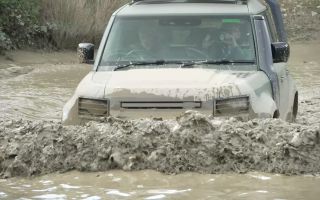
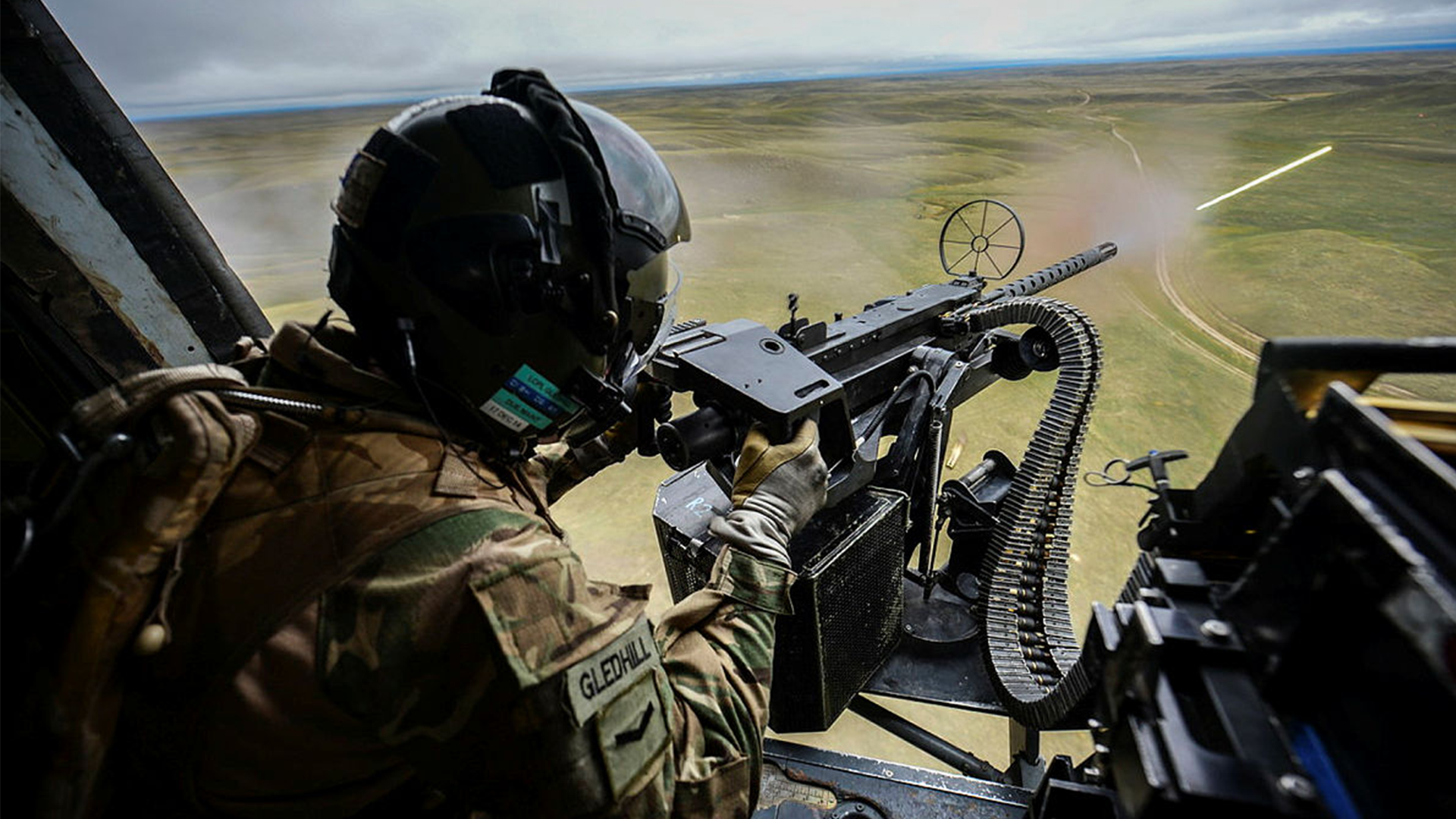
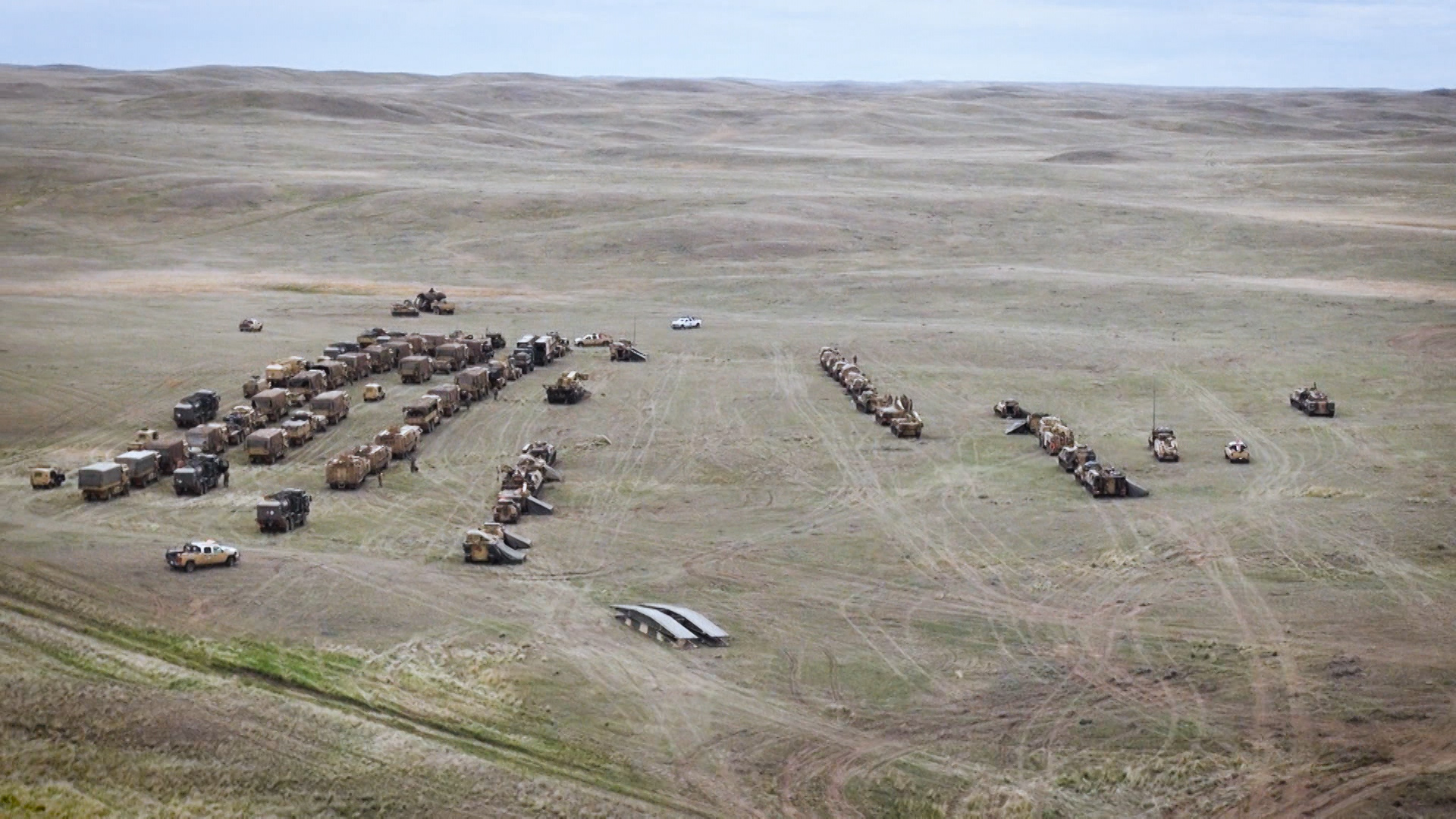
Batus is the Army's main armoured and live-fire training area overseas, based at Canadian Forces Base Suffield in Alberta.
The last decade, including the current year, has seen 18 training exercises take place at Batus, with activity dropping to zero during the Covid period (2020-21 and 2021-22) before returning to two exercises a year from 2022-23 onwards.
There is currently one exercise scheduled to take place next year.
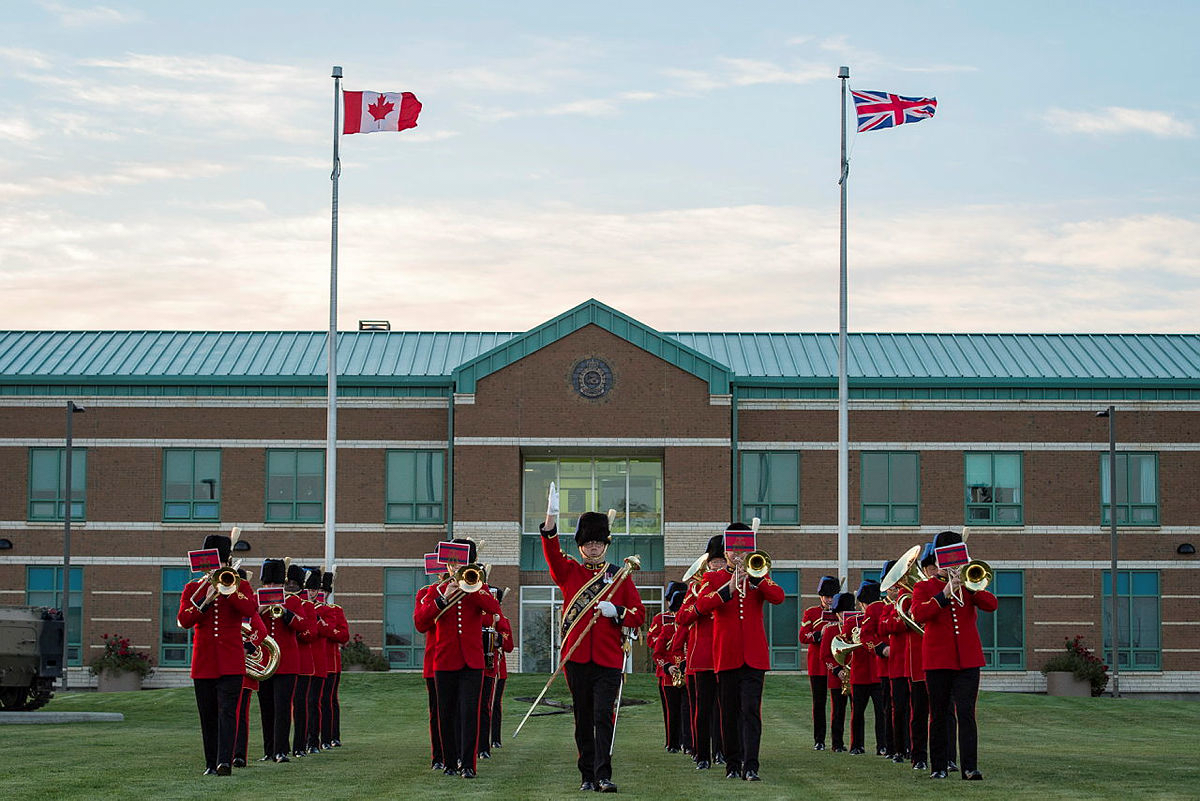
The Army's largest battleground
Batus covers around 2,700 square kilometres, which makes it about nine times the size of Salisbury Plain, the largest military training area in the UK.
The scale of the prairie training area allows units to practise high-intensity manoeuvres and live firing at a level that is difficult to replicate in the UK, with hundreds of permanent staff and additional deployed personnel supporting the rotations.
It is bigger than all other Army training areas combined, and British troops have been training there since 1972.
Scrutiny is not new
Questions about value for money at Batus have been raised in Parliament before.
In a debate in 2011, Conservative MP Gordon Henderson criticised the UK-Canada agreement, claiming the UK covers the majority of costs while Canada has significant control over how the facility is run, including staffing and procurement decisions.
He claimed the UK taxpayer paid "80% of all the costs" with Canada paying the remaining 20%.
Mr Henderson also raised concerns about Canadian economic pressures, noting the number of oil wells within the wider training area and the potential incentive for companies to push for access.
Canada versus the Middle East?
Batus was also put under renewed public scrutiny in 2021 amid reports that the Army could shift some training focus to the Middle East.
Then defence secretary Ben Wallace said that Batus would see "change" but "is not being closed", while noting interest in overseas "land hubs", including Oman.
At the time, a former senior commander told BFBS Forces News that the Army's use of Batus had "diminished", while arguing that training closer to where forces might fight could be more realistic, even as he acknowledged Batus still had value for live-fire training.
Since Russia's full-scale invasion of Ukraine in 2022, the focus has shifted from heat and desert conditions to armour, mass, and the brutal basics of land warfare.
For supporters of Batus, Canada's wide-open training space starts to look closer to the kind of war being fought in eastern Europe than the Middle East: big distances and the need to deploy firepower at scale.
While marking the unit's 50th anniversary in 2022, Major John Dunne put it plainly, saying the war in Ukraine had underlined "the importance of having that mechanised punch on the battlefield".
Join Our Newsletter