Jungle training back on track as Army's first two Jupiter helicopters arrive in Brunei

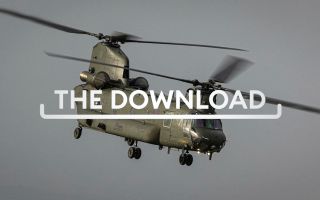
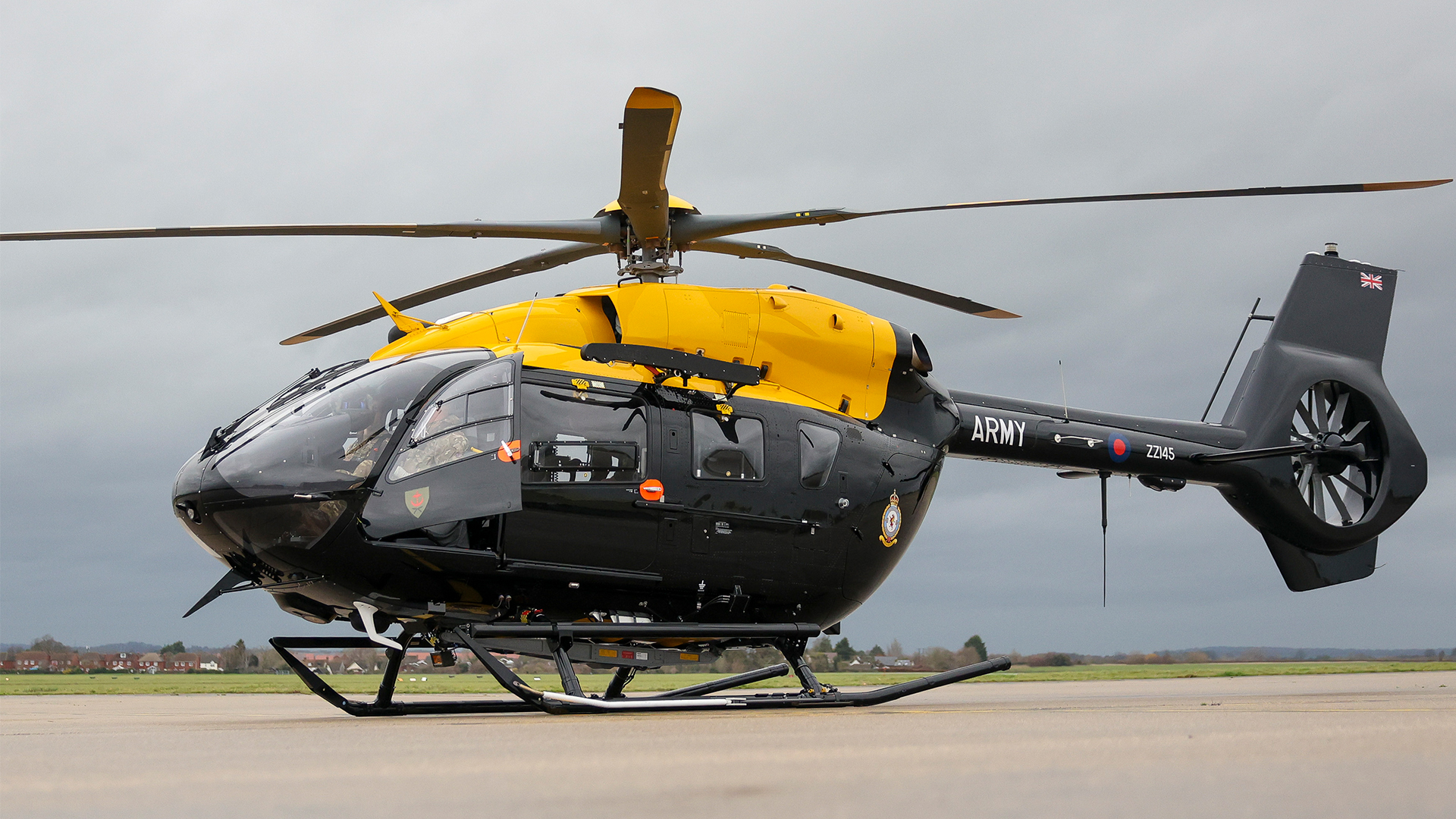
The Army Air Corps has taken delivery of two Jupiter HC2 helicopters in Brunei – with a third scheduled to be in service in the Asian nation by the end of the year.
The two aircraft now in Brunei will be used for jungle training, operated by 667 Squadron, to fulfil the requirements previously carried out by the Puma before the type was retired.
The Jupiter HC2s will be responsible for a wide range of essential tasks in Brunei's demanding jungle training environment.
- RAF bids a fond farewell to its Pumas as they take part in goodbye flypast
- Jupiter lands operational role in Cyprus and Brunei now Puma's been retired
- All change: RAF Jupiter helicopter to take on Puma's role in Cyprus and Brunei
These include medical evacuation, troop transport, underslung load tasks, firefighting, intelligence surveillance and reconnaissance, as well as general aviation support.
Six helis, two forces
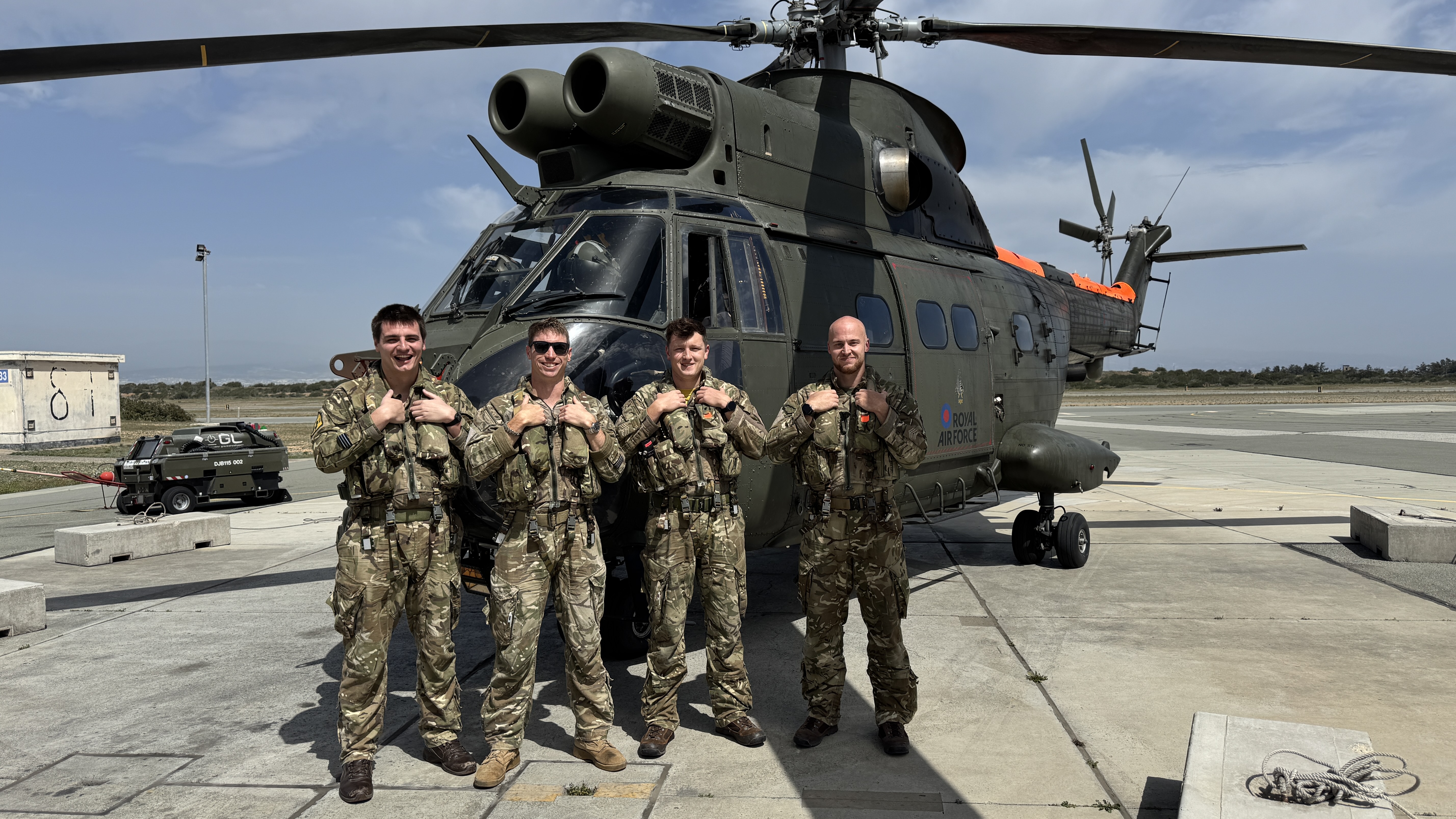
The AAC Jupiters in Brunei are part of a six-aircraft package being supplied to the Army and RAF under a £148m programme that will see the other three operate with the RAF's 84 Squadron in Cyprus.
The Jupiter HC2, which is known as the HT1 in RAF service, offers a more modern and reliable capability for operations.
Speedy delivery
The MOD praised the speed of the procurement, which took place in under two years.
Mark Langrill, from the National Armaments Director Group, said: "Getting these aircraft to Brunei on this timescale has taken genuine commitment from everyone involved – our MOD team, colleagues in the Army and RAF, and the team at Airbus Helicopters UK.
"We've demonstrated that accelerated acquisition can work, and we've done it in a way that delivers real capability to the frontline while supporting UK industry.
"Seeing these aircraft begin operational training is a proud moment for the whole programme."
Both the RAF and Army Air Corps flying the Jupiter means an increase in commonality, a reduction in complexity and an improvement in interoperability.
The aircrew in Brunei will now build on the experiences of those that have been operating the helicopters in the UK over the last four months.
Join Our Newsletter