Paras train in the jungles of Belize, proving that they're ready for anything

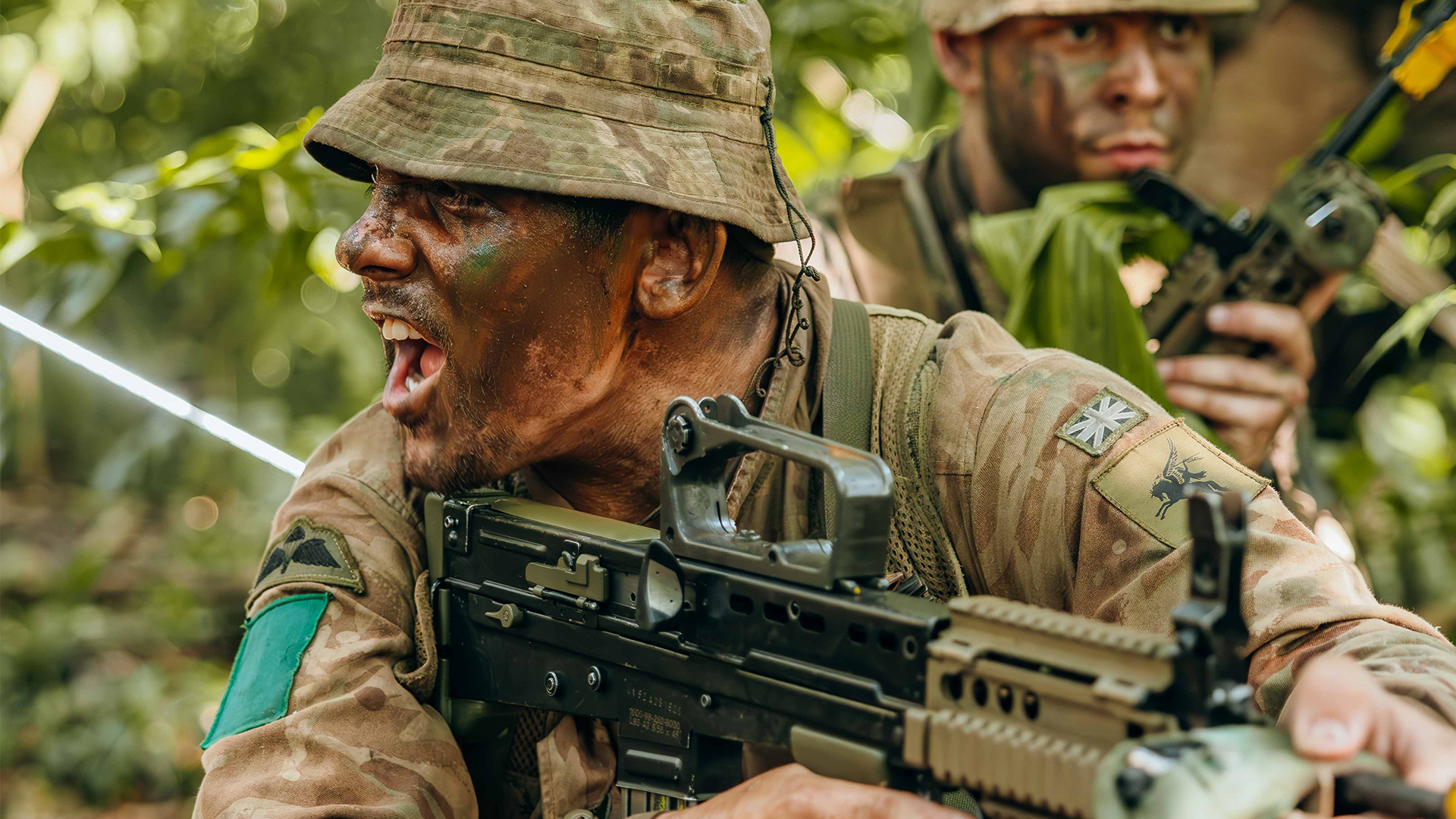
There's a saying in the Army that if you can fight and survive in the jungle then you can fight anywhere, and members of 3rd Battalion, the Parachute Regiment have been doing exactly that in Belize.
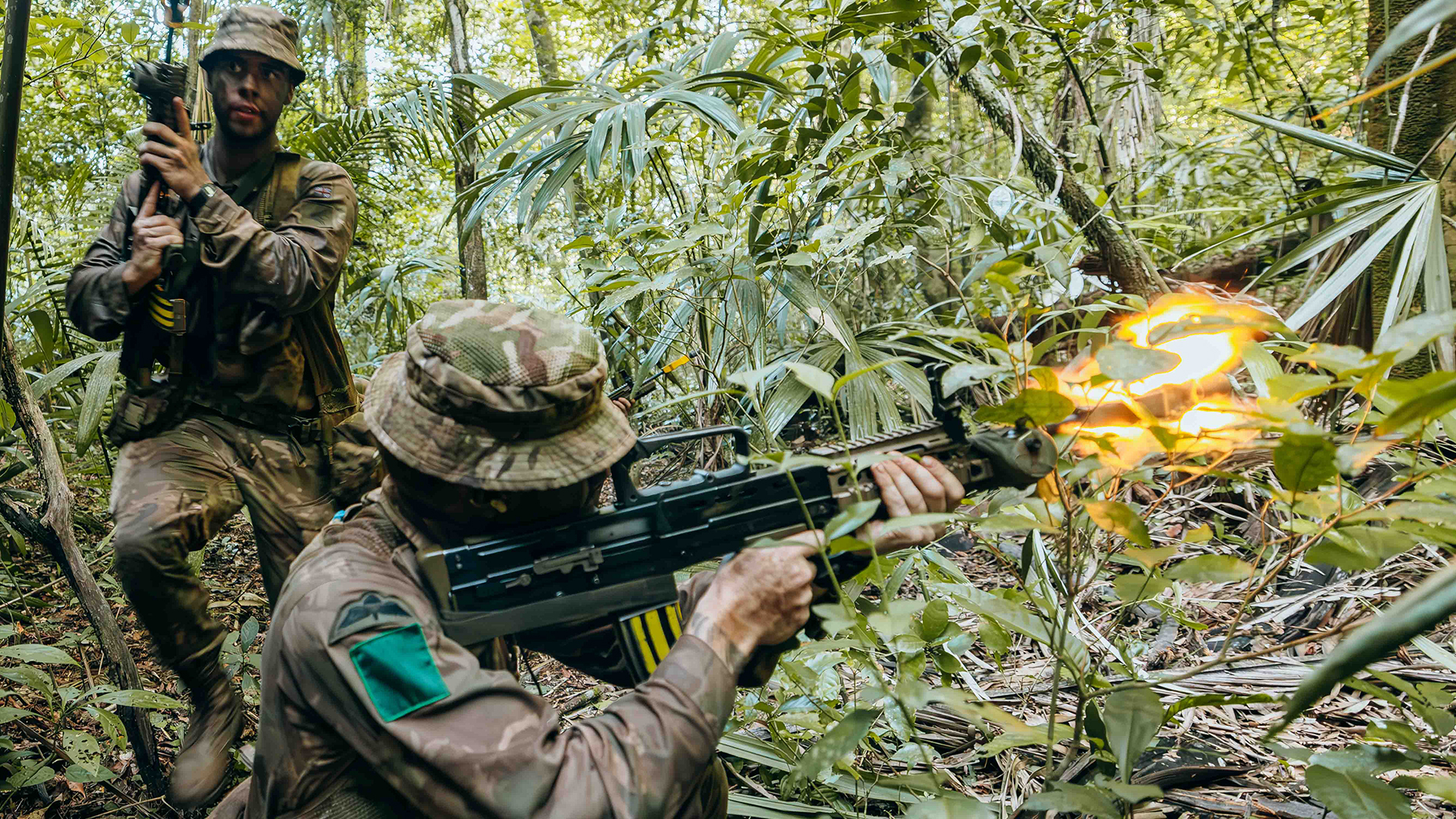
The paratroopers lived in the jungle throughout their month-long training, tackling the hot and humid environment, thick vegetation and wildlife on Exercise Mayan Cyclone.
The conditions made for uncomfortable living as well as difficulties with communication and navigation.
Survive, then fight
They started by learning basic survival skills such as how to build shelters and find water, before training on tactics and live-fire battle drills.
A seven-day simulated mission then put all the skills they had learned to the test.
Mayan Cyclone will ensure the Colchester-based paratroopers are ready to operate in any environment in their role serving with 16 Air Assault Brigade, the British Army's global response force.
Major Louis Maclaren, the Officer Commanding of B Company 3 Para, said the soldiers had learned more than the specifics of working in the jungle during their time in Belize.
Personal admin as vital as tactics
"Belize is the only place that the British Army regularly trains where a unit will spend a month unsupported in a hostile environment," Maj Maclaren explained.
"The jungle provides a genuine risk to life and brings friction that you must adapt to and overcome. That mindset is essential for airborne operations, where we are isolated by design and must rely on the equipment we have deployed with.
"Just being in the jungle quickly degrades people's health and fitness. Carrying and drinking enough water to stay hydrated is a challenge, small injuries are more likely to become infected, and your body is wet all the time.
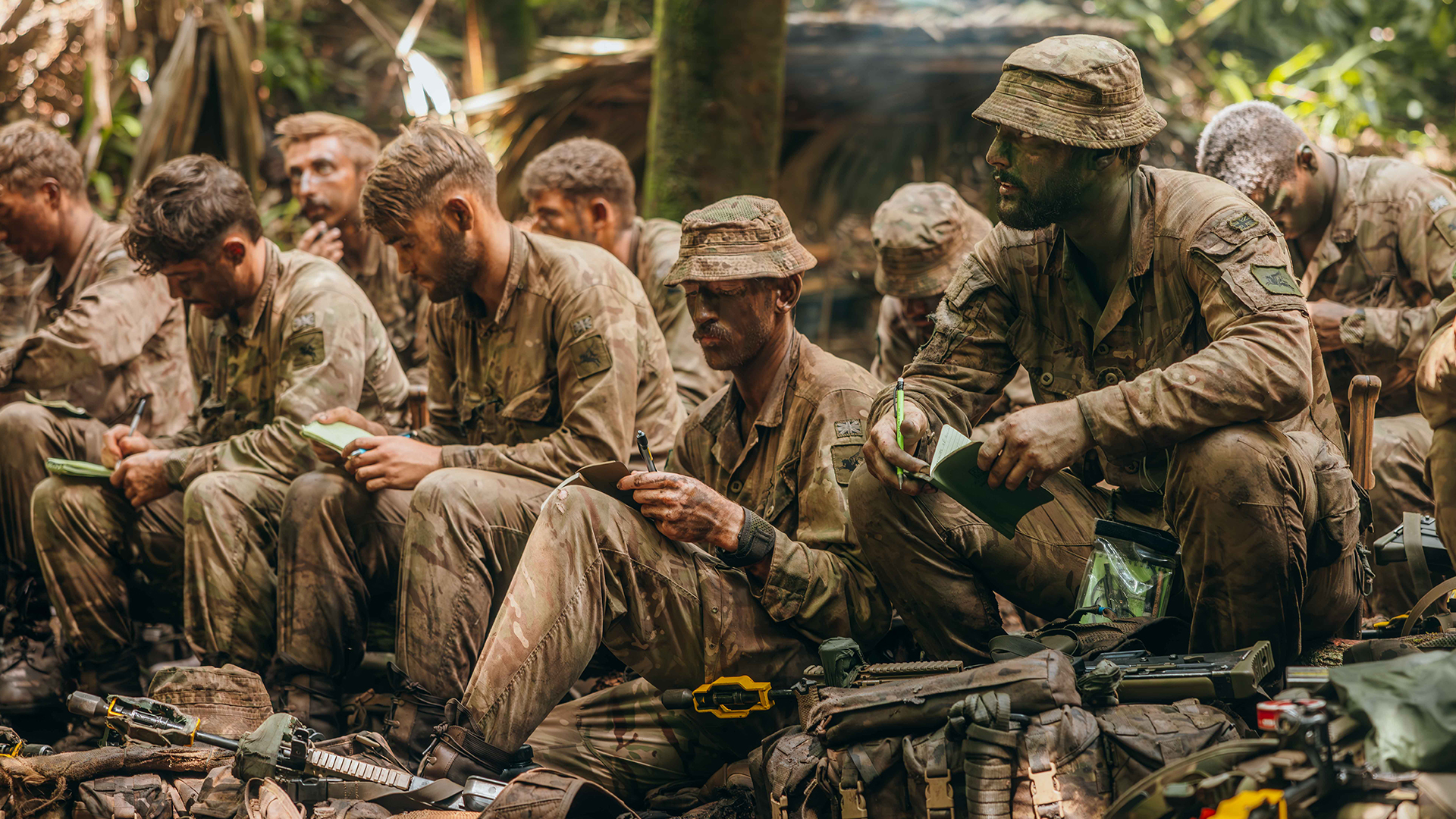
"Personal administration, which is the lowest level of a soldier's skills, need to be delivered at the highest level."
Jungle tests basic skills to the max
Lance Corporal Harry Stone pointed out that in the jungle "you have to do the basics times 10".
"You really have to look after yourself and your kit," he said. "You can’t get away with powdering your feet or cleaning your rifle once a day; you've got to keep on top of it all the time.
"As second-in-command of a section, I have to make sure that the more junior soldiers are looking after themselves as well."
Lance Corporal Jake Threlfall added: "Time management is much harder in the jungle because there's so much more to do. Looking after yourself and your kit needs more work than usual.
"The terrain is very undulating with dense trees, so it's hard to move quietly and quickly, and the heat and humidity takes it out of you."
Command and control
Some 170 soldiers from B and D Coy, 3 Para, supported by personnel from 23 Parachute Engineer Regiment and 7th Parachute Regiment Royal Horse Artillery, deployed on the exercise.
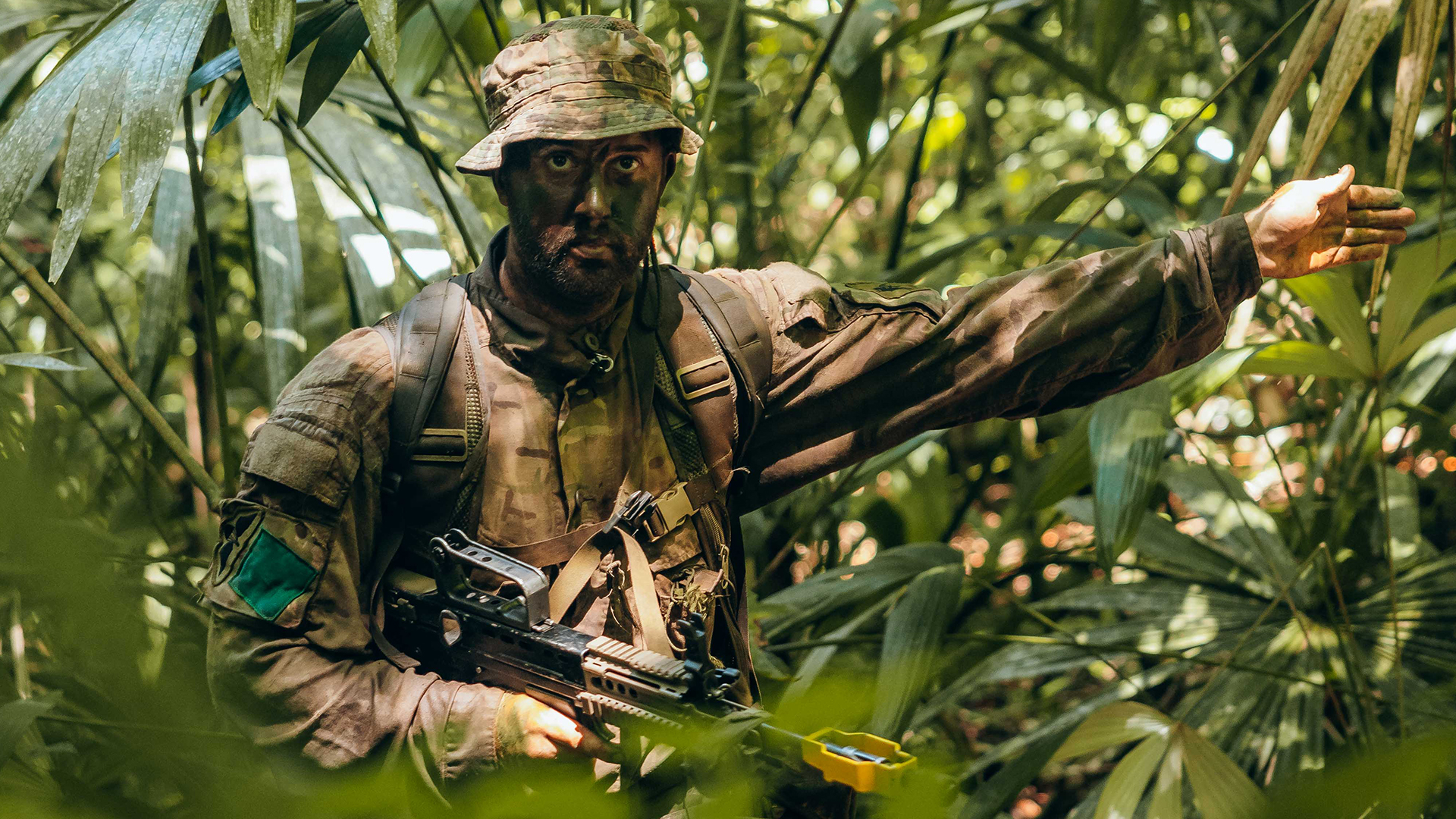
The thick vegetation of the jungle absorbs electronic signals, making radio communication harder and navigation by GPS unreliable.
"You can't be in constant radio communication with your platoons and know their positions at any time," said Maj Maclaren.
"You need to fix a rendezvous and trust that everyone will be there up to 36 hours later. You need to make sure that your intent and contingency plans are understood, because you can't be the puppet master.
"The jungle forces leaders at every level to take responsibility for their teams, and individuals to take responsibility for themselves.
"A soldier who can operate effectively in the jungle is better prepared for any mission, in any environment, against any enemy."
Join Our Newsletter