Standard sports bras fall short for women in British Army's basic training, study shows

Standard sports bras are failing to meet the physical demands placed on women during British Army basic training, a new study has found, prompting calls for fit-for-purpose military-specific designs.
Research led by the University of Portsmouth's Research Group in Breast Health, in partnership with the Army Recruit Health and Performance Research Team, is the first to systematically examine breast support needs for female tactical athletes.
It shows that while recent reforms have improved conditions, significant challenges remain.
In 2020, the Army introduced a professional sports bra fitting and issue service (BraFIS) after evidence revealed widespread discomfort and breast health issues among female recruits.
Since then, bra-related problems have dropped from 75% to 61%.
However, analysis of data from more than 300 recruits found that more than half still experienced at least one bra or breast-related issue during training.
The study, conducted between 2021 and 2023, concluded that current sports bras do not fully support the wide range of physically demanding tasks undertaken in basic training.
Researchers identified key design characteristics needed for tactical roles and recommended a selection of bras, rather than a single design, until a purpose-built solution is developed.
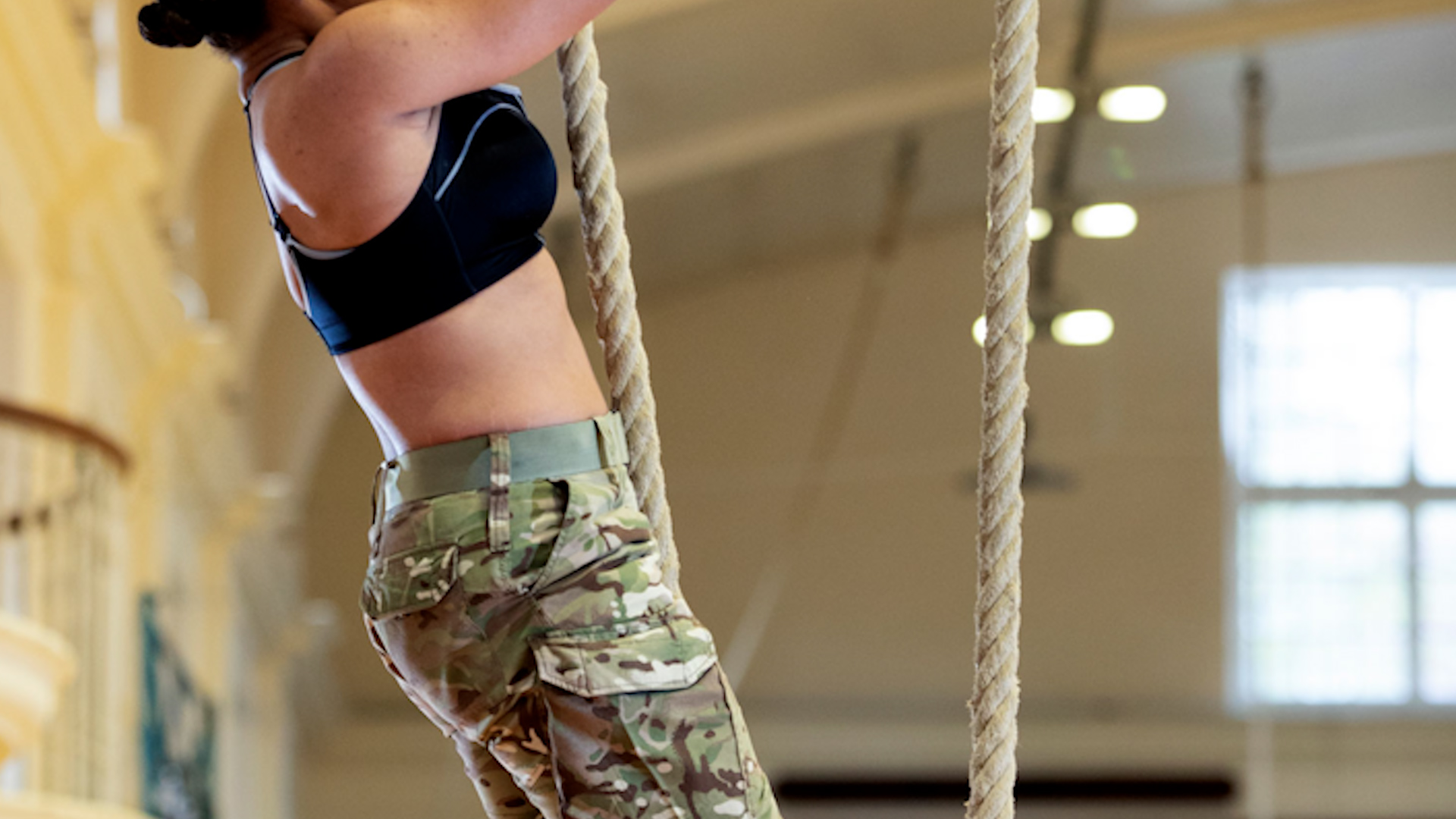
More than 96% of recruits wore issued bras during training, with almost half using them five or more days a week, highlighting strong engagement with the scheme.
The research has already led to policy changes within BraFIS, including second bra fittings during training to accommodate changes in breast size and the provision of additional bras to appropriately equip female recruits.
Dr Jenny Burbage, associate professor at the University of Portsmouth, said poorly fitting bras had affected comfort, confidence and performance for too long, adding that bras must be treated as essential equipment rather than an afterthought.
With the Army aiming for 30% female representation by 2030, researchers say tailored equipment will be critical.
Following the introduction of the BraFIS and evidence-based recommendations, the British Army now provides trained personnel with an annual £50 allowance for sports bras.
The Royal Navy has adopted a BraFIS and voucher model, while the Royal Air Force offers a dedicated voucher scheme.
Addressing known pressure points and comfort issues
Charly Rhodes, Director of Sports Brands at boobydoo, said: "As the official supplier and fitter of sports bras to British Army recruits, it's encouraging to see detailed, evidence-led research that reflects the real demands placed on women's bodies during military training.
"Studies like this help shine a light on the sustained physical demand, high impact and kit-related pressures placed on the breast – conditions that commercial sports bras aren't always designed to withstand.
"What's important to note is that this research was conducted between 2021 and 2023, and the findings were shared with suppliers some time ago, which meant we were able to act quickly on the learning – introducing new styles, refining our range and addressing known pressure points and comfort issues based on both the study and direct recruit feedback."
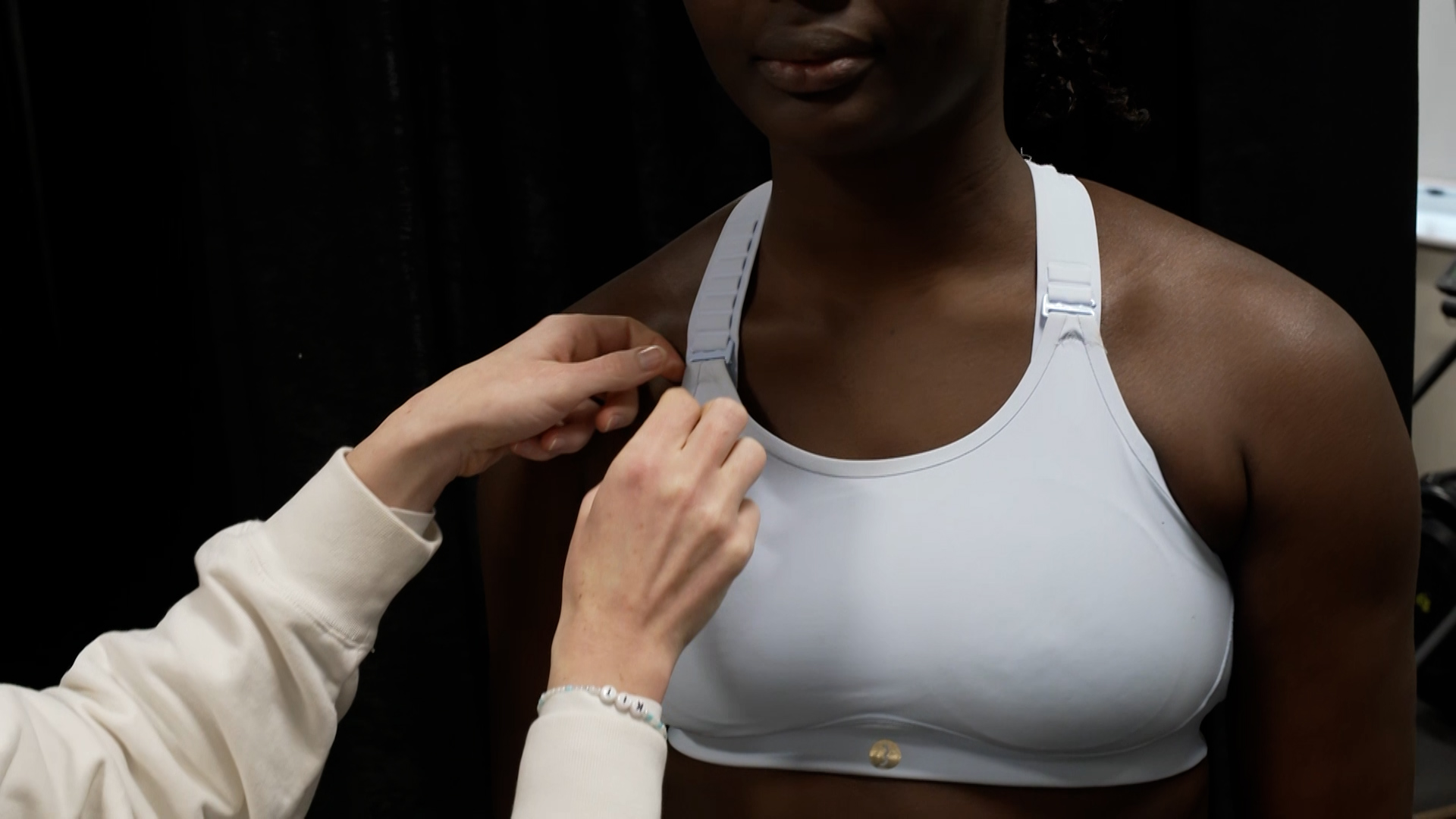
The boobydoo expert described the study, which explored four sports bras, as "a useful snapshot", but added: "In our own fittings, we often look across a wider selection of styles, as different designs work better for different individuals, body types and training needs. That variety is important in practice, where personal fit and comfort play such a central role."
Charly Rhodes went on: "Provision is another critical factor. Recruits are wearing sports bras daily, for long periods; even the best bra will struggle if it's worn continuously without adequate rotation.
"Choice and sizing remain key. Small, medium and large simply isn't effective. Research, including work from the University of Portsmouth, consistently shows that cup-sized bras deliver the most accurate fit and support. One style or one sizing system can't meet everyone's needs.
"This study is valuable because it highlights the limitations of current designs and provision, and gives the industry clear direction for future innovation."
Related topics
Join Our Newsletter