Bolster our capability or risk seeing Russia dominate GIUK Gap, warns former submariner
The UK needs to invest in a maritime capability two to three times what it currently has if it is to secure a vital gateway into the Atlantic Ocean from Russia, a former Royal Navy submarine captain has warned.
Ryan Ramsey – who spent more than 23 years in the service – has pointed to the lack of available assets and investment in defence as major concerns that could see Russia edge ahead in the region.
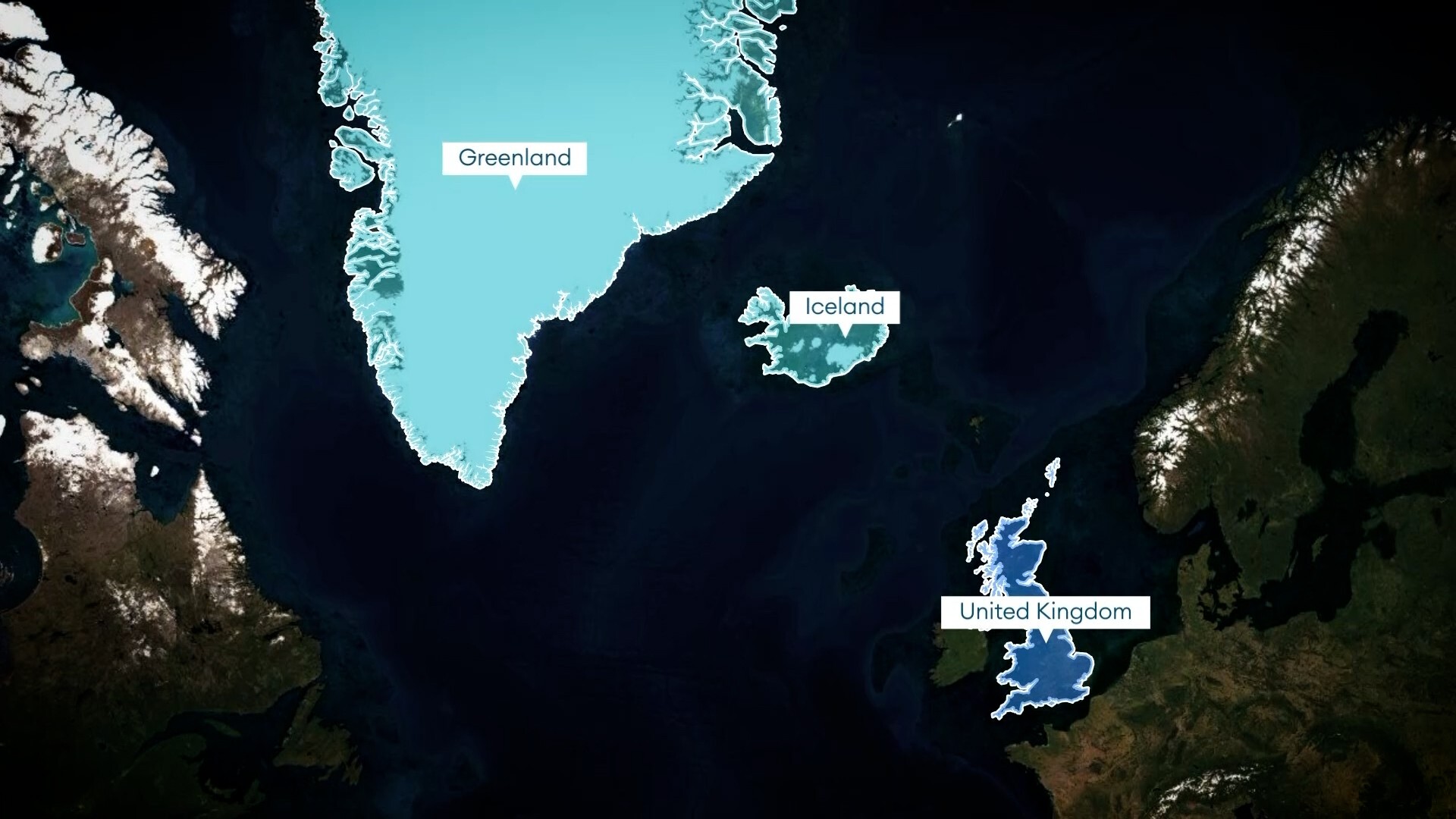
The Greenland-Iceland-UK Gap (GIUK Gap) has become an increasingly important naval choke point and it is feared that British forces have fallen behind their rivals in controlling the area.
The price of peace
He said: "Defending the Atlantic bastion is exceptionally difficult and there's a massive gap, and the Russians know that and they exploit it continuously as we're seeing with how they're operating.
"It's chronic underinvestment by successive governments in defence over not the last five, 10, 15 years – but the last 20, 25 – and that's the price of peace, interestingly.
"People get comfortable with peace, and they go 'why are we spending money on defence?'.
"But if you look through history, those that prepare for war generally have really good peace – and we haven't done that particularly – so there is a price, and the Russians are exploiting that.
More boats mean more risk from Russia
Russia has significantly invested in its submarine fleet, with more than 30 boats commissioned since the mid-2000s, including attack vessels such as the Yasen and Kilo-class attack subs.
"All the Russians have done since 2005 onwards is invest in more and more submarines, increasing the pace of build, increasing the pace of operations, increasing their operational tempo, and we haven't been able to match that," Mr Ramsey said.
"And now it's come to this crux point when finally we realise that there's a real problem we need to deal with it, and then how are we going to do that because the pace of build for an Astute class is ridiculously slow."
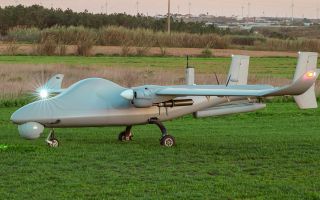
He added you have to look for other technologies to be able to do that, which is where aerial and underwater drones come in.
"I think you're talking about an increase in maritime capability of two to three times what we have right now," he said.
"Asset availability is the key thing with this. If you say you have seven Astutes, but three are in maintenance, one might be a sea, one's under training, that doesn't leave many left.
"And this is the same with ships. So towed array frigates, there are less and less of those.
"Destroyers we have aren't towed array-capable. They've got active sonar but they don't have towed array, so the anti-submarine capability is far less than it should.
"If it was for me, I'd be turning around and saying we had two, three times the amount of maritime patrol aircraft that we've ordered.
"We'd have three to four times the amount of submarines that we have and I'm not saying about having very expensive Astute-class submarines, but some other submarines that can do anti-submarine warfare with loads of drones that are available.
"And then of course, towed-array frigates, you'd need more of those."
Threat to critical infrastructure
As well as providing Russian vessels a gateway into the Atlantic Ocean, the GIUK Gap is also vital to the UK's way of life.
Deep-sea cables run through the area and have been put at increasing vulnerability due to mapping by Russian vessels.
Mr Ramsey said: "This is not about the deterrence getting detected, because they're not going to go around attacking the deterrent whilst we're not in a war state, but what they can do without any effect whatsoever is attack our critical national infrastructure.
"Ninety-nine per cent of all of our communications come through cables across the sea as opposed to by satellite. You cut that – you chop our economy – and it creates disaster.
"They've been doing it for years and years, but now they're increasing their capability, and they're coming closer to the Yantar [Russian surveillance vessel] operations, closer to the UK, and they're becoming more belligerent about the way they do it.
"They don't see that there's any opposition that goes with this and they can do what they want, and we need to get control of that to make sure that we protect ourselves.
"So if I was in government, I would genuinely be worried about this."
Join Our Newsletter