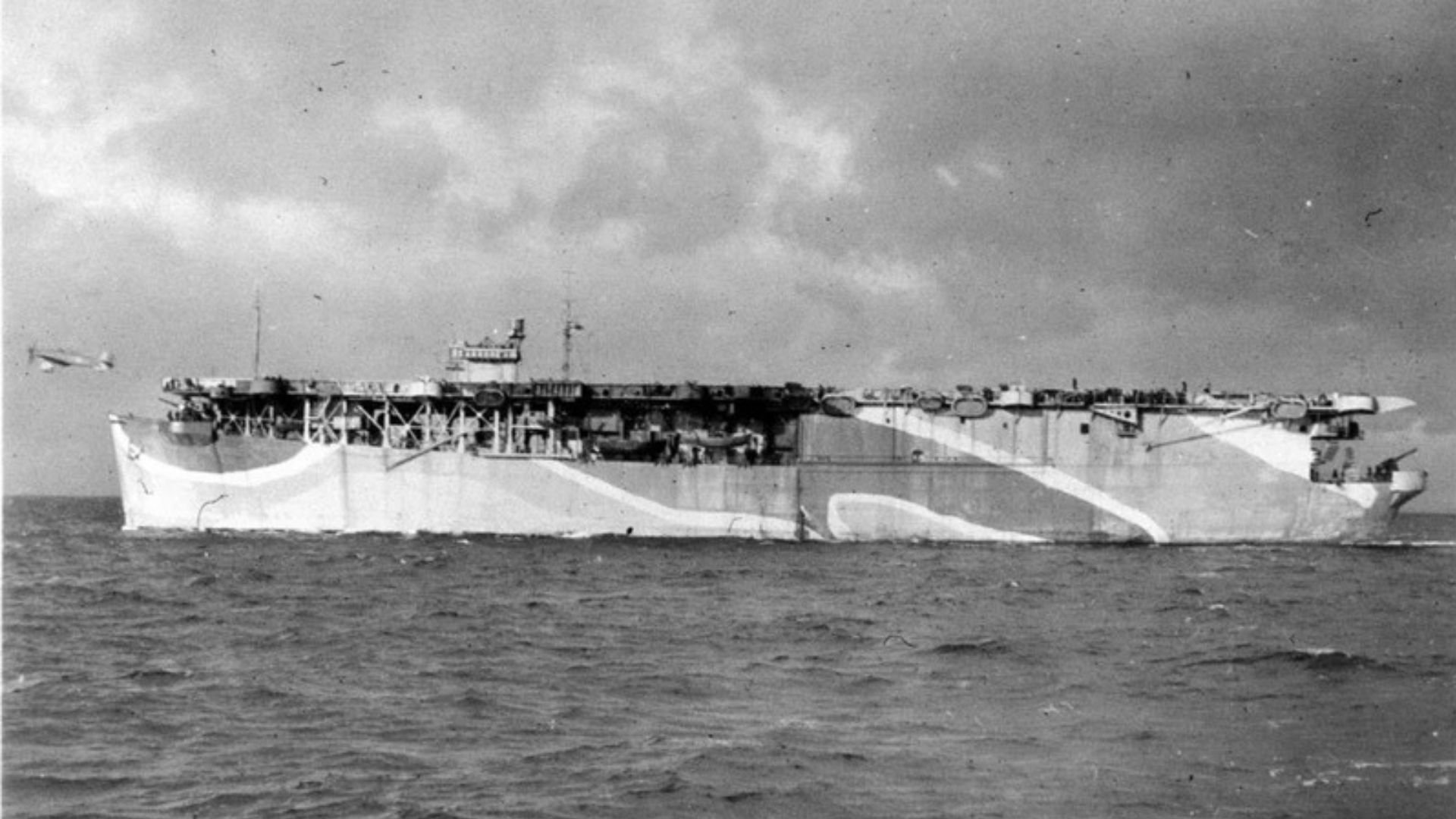
On 27 March 1943, the Royal Navy Avenger-class escort carrier HMS Dasher suffered a major unexplained internal explosion and sank in the Firth of Clyde, Scotland.
Of the 528 men on board, 379 lost their lives, making it the second-worst loss of a British warship in UK waters during the Second World War. There were only 149 survivors.
In her short life, HMS Dasher made a full contribution to the war effort – including participation in the Battle of the Atlantic and the invasion of North Africa under Operation Torch.
Just six weeks before the tragedy, she was tasked with escorting the Arctic Convoy JW 53, which included cruisers HMS Belfast, Cumberland and Scylla.
Eighty-three years on, it is this final duty that has now been formally recognised, after the MOD confirmed that those who served on board are eligible for the Arctic Star medal in honour of their service and sacrifice.
Honouring service north of the Arctic Circle
The Arctic Star was instituted in 2013, commemorating the dangerous Arctic Convoys that supplied the Soviet Union between 1939 and 1945 – described by then Prime Minister Winston Churchill as "the worst journey in the world".
Tasked with escorting Convoy JW53, her hull split during a violent storm, and she was forced to seek shelter in the northern lee of Iceland.
And now, the crew's heroism has been officially recognised, thanks in large part to a campaign by the families of those who paid the ultimate sacrifice.
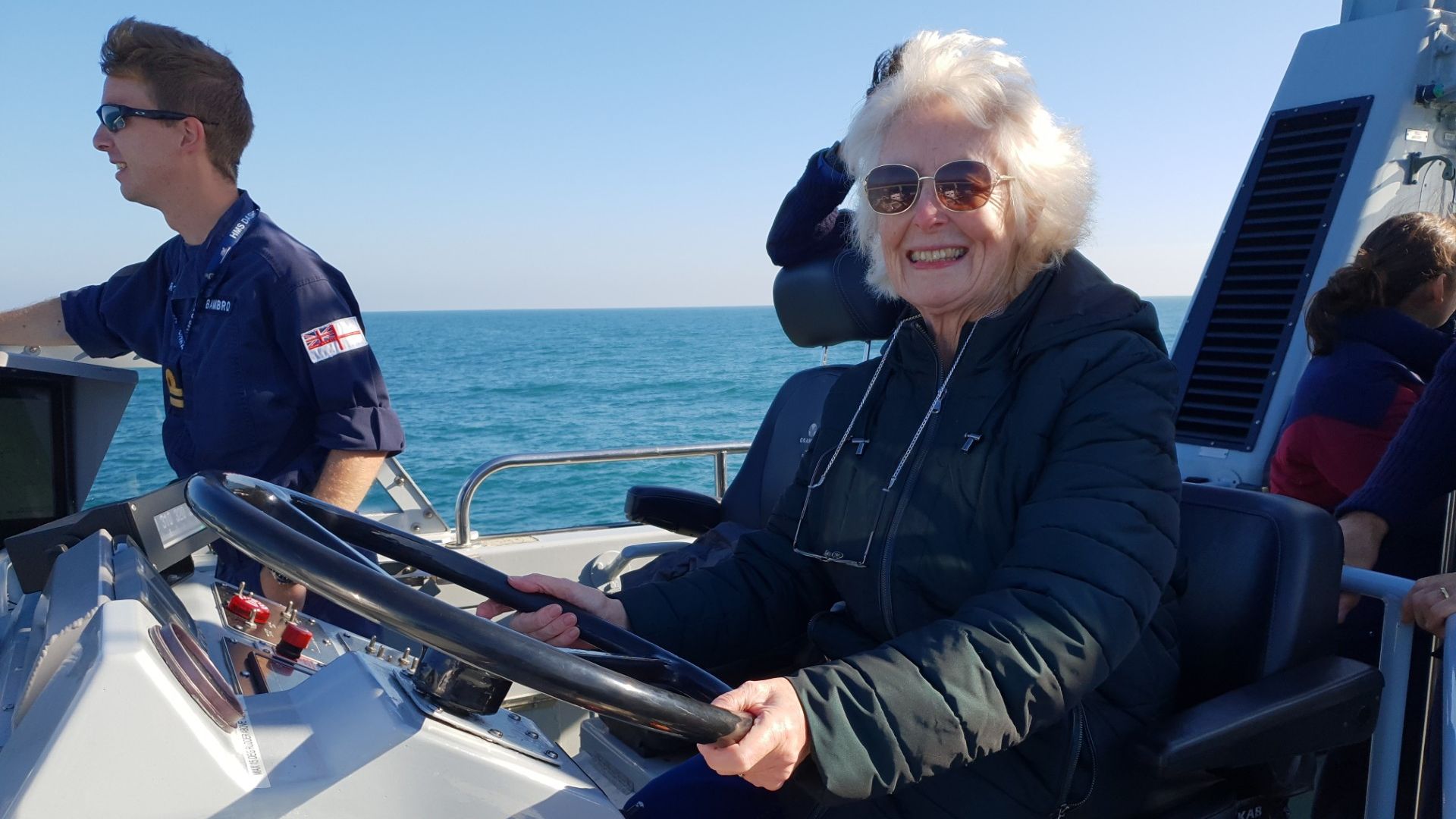
Dame Mary Richardson, the daughter of a lost Dasher sailor, George Arthur Habgood – who was the ship's butcher – spearheaded the campaign.
She said: "Although photographic evidence of that episode existed, establishing HMS Dasher's precise movements and position beyond doubt took some considerable time.
"This was only possible by working in diligent partnership with Honours and Ceremonial Branch. Now that qualification has been acknowledged, and the heroic service of these sailors and aviators can be officially recognised for their families."
Tragedy at sea
The sinking of HMS Dasher was long shrouded in secrecy, with news officially suppressed to protect British morale.
Originally built as a US passenger and cargo ship, the vessel was later converted into an escort carrier and commissioned into the Royal Navy as HMS Dasher in 1942.
Due to this conversion, the ship was not built to the same specifications and standards as typical Royal Navy or US Navy vessels, and problems with fuel storage and persistent leaks created major issues.
On the day of the explosion, HMS Dasher was conducting exercises with the ship's embarked Sea Hurricanes and Swordfish aircraft in the Fifth of Clyde, possibly in preparation for a strike against the German Bismarck-class battleship Tirpitz in Norway.
As she began to return to Greenock, an explosion occurred, followed by a second that lifted the ship 60ft into the air. Minutes later, it had sunk.
The cause remains unclear, although theories suggest sabotage, defective fuel valves, electrical sparks or a build-up of static electricity as possible causes.
A court of inquiry later concluded it was an accident caused by a "defect which could not have been detected".
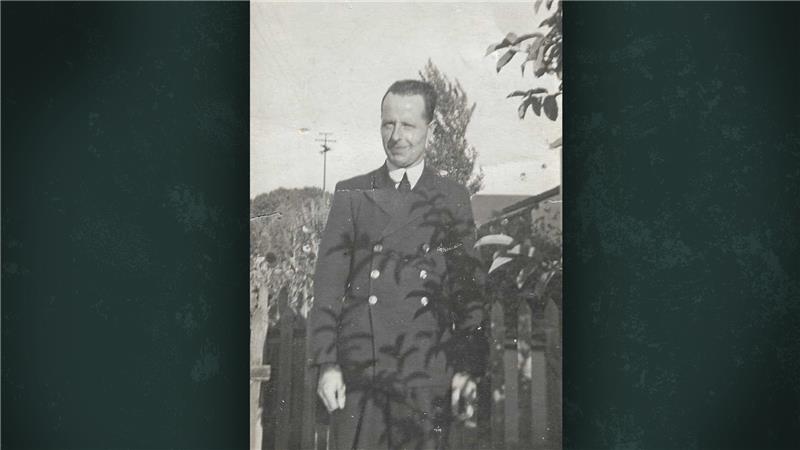
Families were never informed about the fate of their loved ones. Some bodies were never recovered, and many were buried anonymously or without proper identification.
Of the 379 lost sailors, only 23 are accounted for.
Dame Mary said: "Other than by relatives of the crew and communities in the Firth of Clyde, this loss goes largely unacknowledged, and some loved ones died never having been told the facts.
"There remain many unanswered questions about the disaster itself and why only 23 bodies were, apparently, recovered from a sinking close to shore on a fine spring Saturday afternoon.
"The search for evidence, or indeed further unmarked burials, that will bring an end to this mystery continues."
The researchers who helped secure the Arctic Star recognition are seeking any information – whether from family members of survivors, eyewitnesses, letters, or family stories – to aid in their ongoing quest for answers.
Relatives of HMS Dasher's crew who seek the Arctic Star on behalf of their kin can now apply to the MOD Medals Office, Room G36, Innsworth House, Imjin Barracks, Gloucester, GL3 1HW; email [email protected].
The application form may be found on the gov.uk website by searching "medal application".
Related topics
Join Our Newsletter