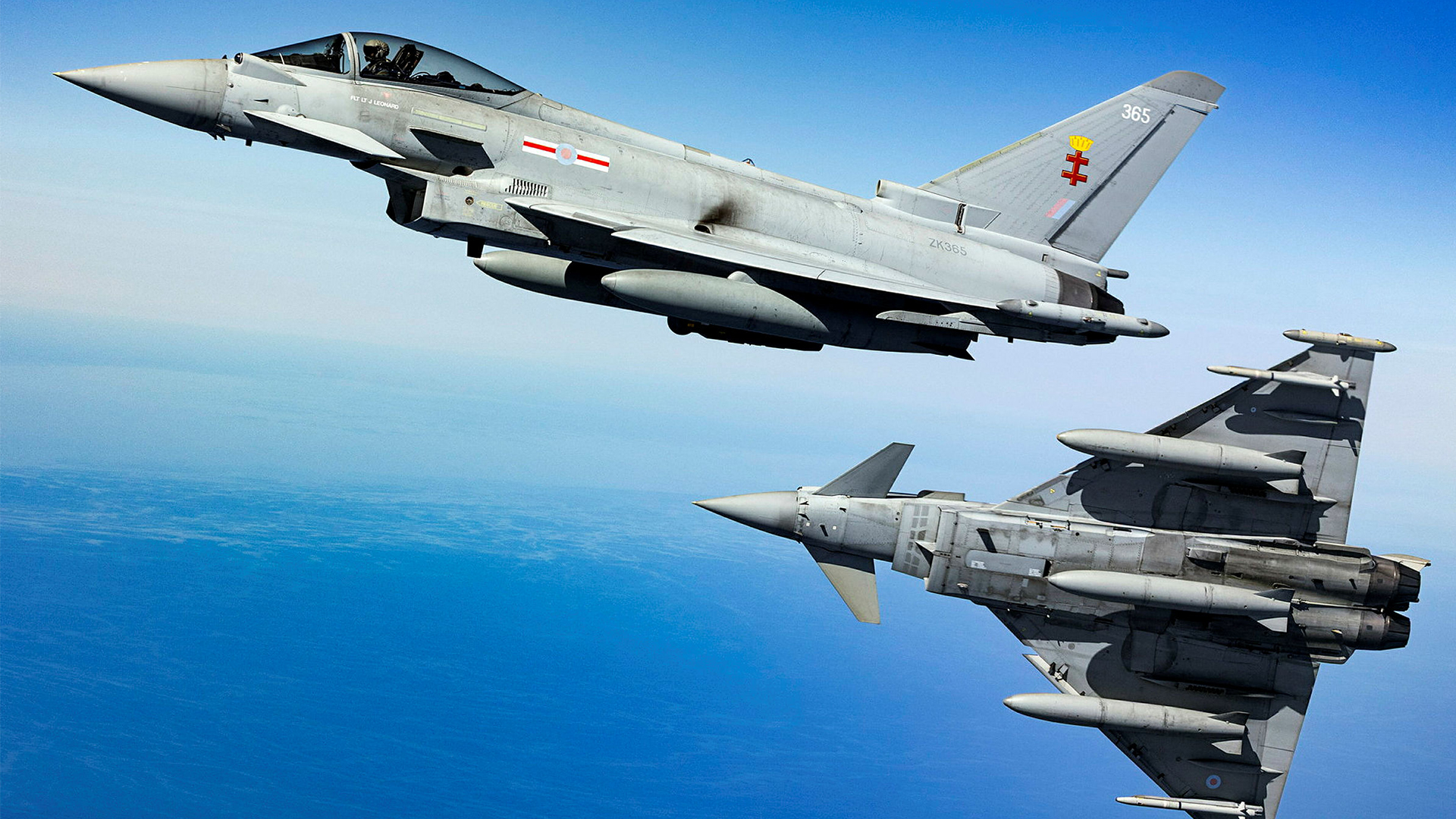
Thanks a million! Typhoons hit milestone number of flying hours across the globe

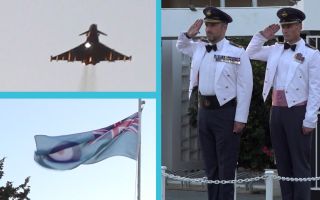
The Eurofighter Typhoon – a multi-role combat aircraft originally designed for the UK, Germany, Italy and Spain but also operated by several other nations – has now reached a collective total of one million flying hours.
The jet entered service in 2003, and nine nations currently fly the aircraft, with Turkey set to become the tenth.
It was originally designed for the air superiority role, but quickly found itself taking on a raft of others, such as air policing, joint patrol initiatives, combat operations and Quick Reaction Alert duties.
Valued for its versatility
With more than 600 Eurofighters built, the RAF used to be the main operator, with the latest variant being the FGR Mk4 – a highly agile and potent combat aircraft.
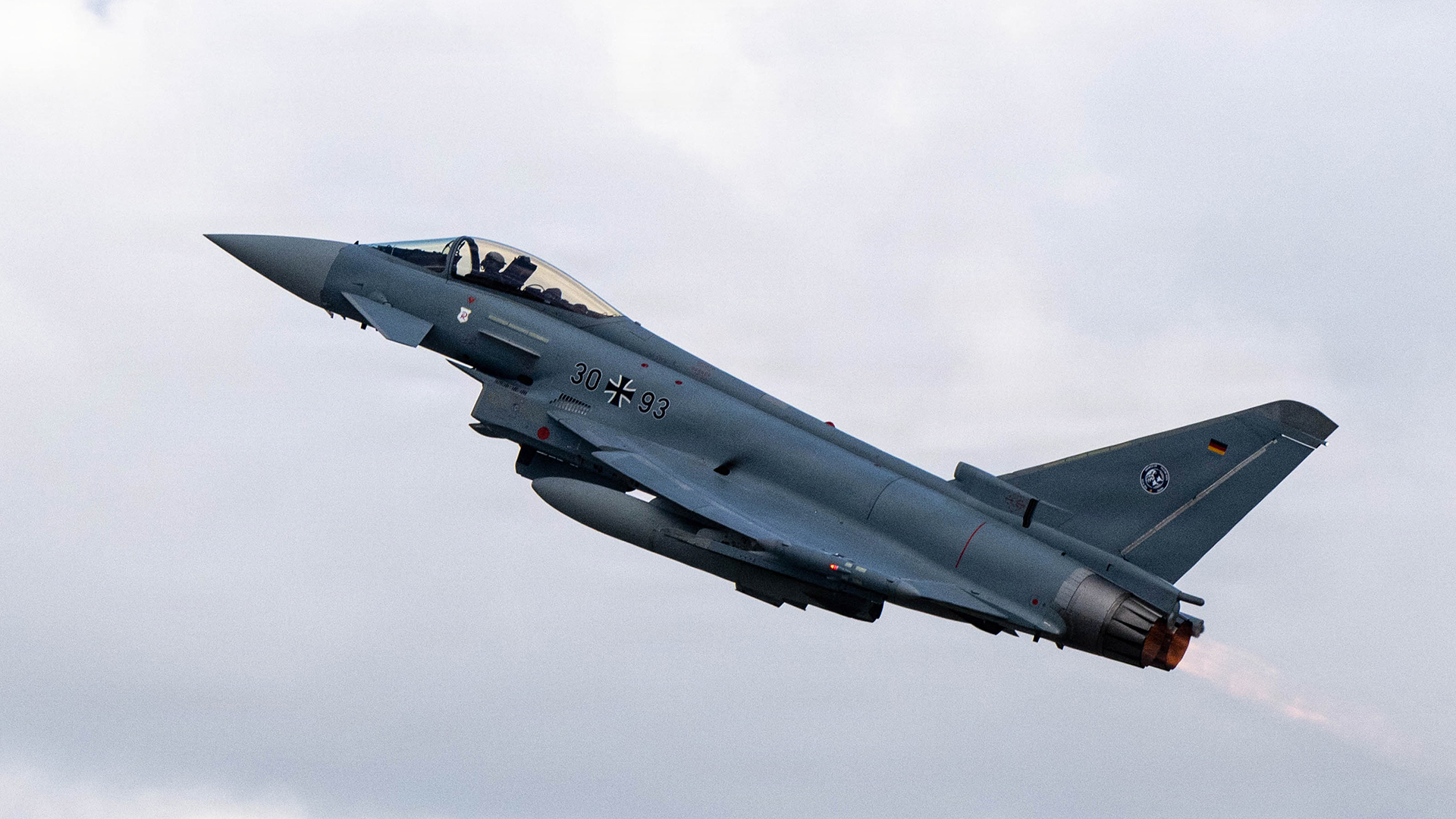
But the service has been retiring its older Typhoons, meaning the German air force is now the primary user.
Its distinctive delta wing configuration remains instantly recognisable in skies around the world, and the Typhoon is a popular visitor on the air show circuit too.
A matter of trust
"In the aircraft, you feel the performance the moment you advance the throttles," said one RAF Typhoon pilot. "Whether you're scrambling for QRA or supporting troops on the ground, the aircraft gives you confidence.
"It accelerates hard, it turns aggressively, and it manages an enormous amount of information for you. In demanding airspace, that trust between pilot and jet is everything."
That sentiment was echoed by Group Captain Andy Shaw, the Deputy UK Combat Air Force Commander, who said: "Typhoon is incredibly powerful.
"It carries a potent weapons payload, advanced sensors and datalinks, and delivers exactly what air forces need from a modern fast jet.
"With air policing and ground attack forming the bulk of Typhoon operations globally, speed and payload matter.
"A million flying hours is proof of Typhoon's continued relevance and effectiveness in Nato and beyond."
A vital role
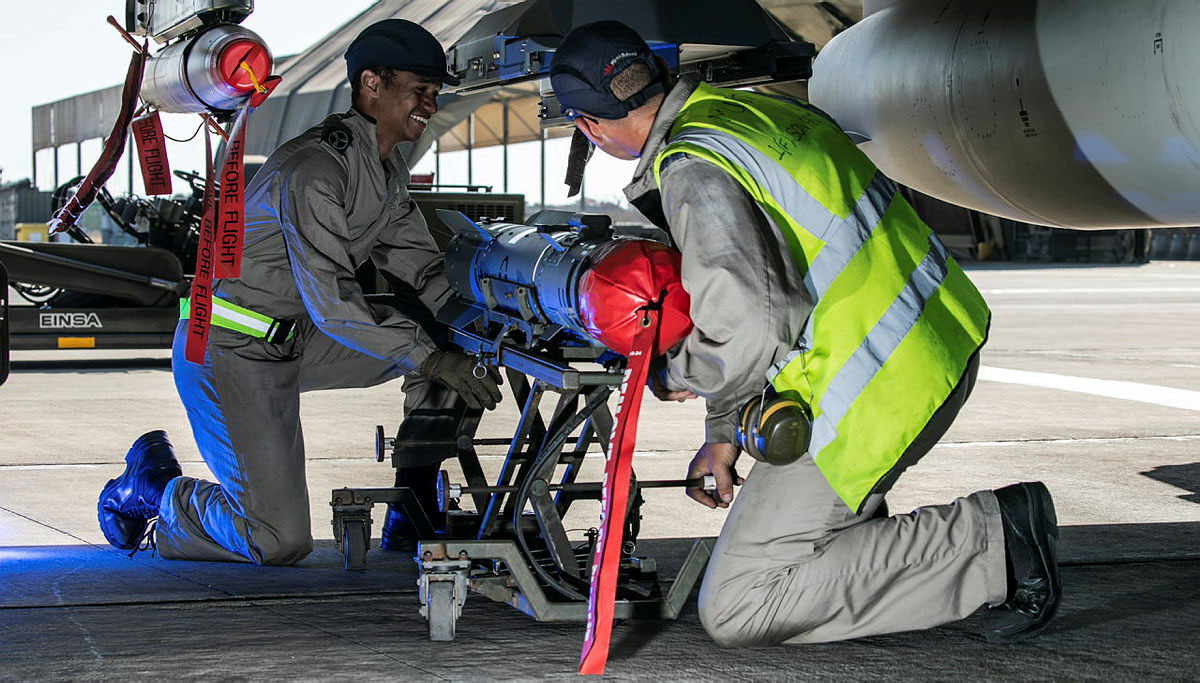
The Royal Air Force operates six frontline Typhoon squadrons. Four are based at RAF Lossiemouth and two at RAF Coningsby.
RAF Coningsby is also home to No 29 Squadron, responsible for Typhoon pilot training, No. 12 Sqn, a joint UK-Qatari squadron, and No. 41 Squadron, which leads Typhoon capability and tactics development.
The Typhoon first saw combat during the 2011 intervention in Libya. Since then, it has been almost continuously deployed on operations.
These include Operation Shader in Iraq and Syria, Operation Azotize for Baltic Air Policing, and Operation Biloxi for Southern Air Policing in Romania.
The aircraft continues to play a vital role in Quick Reaction Alert duties in the UK and the Falkland Islands, and RAF Typhoons recently deployed for defensive purposes in the Gulf and to Exercise Red Flag in the United States.
What's in a name?
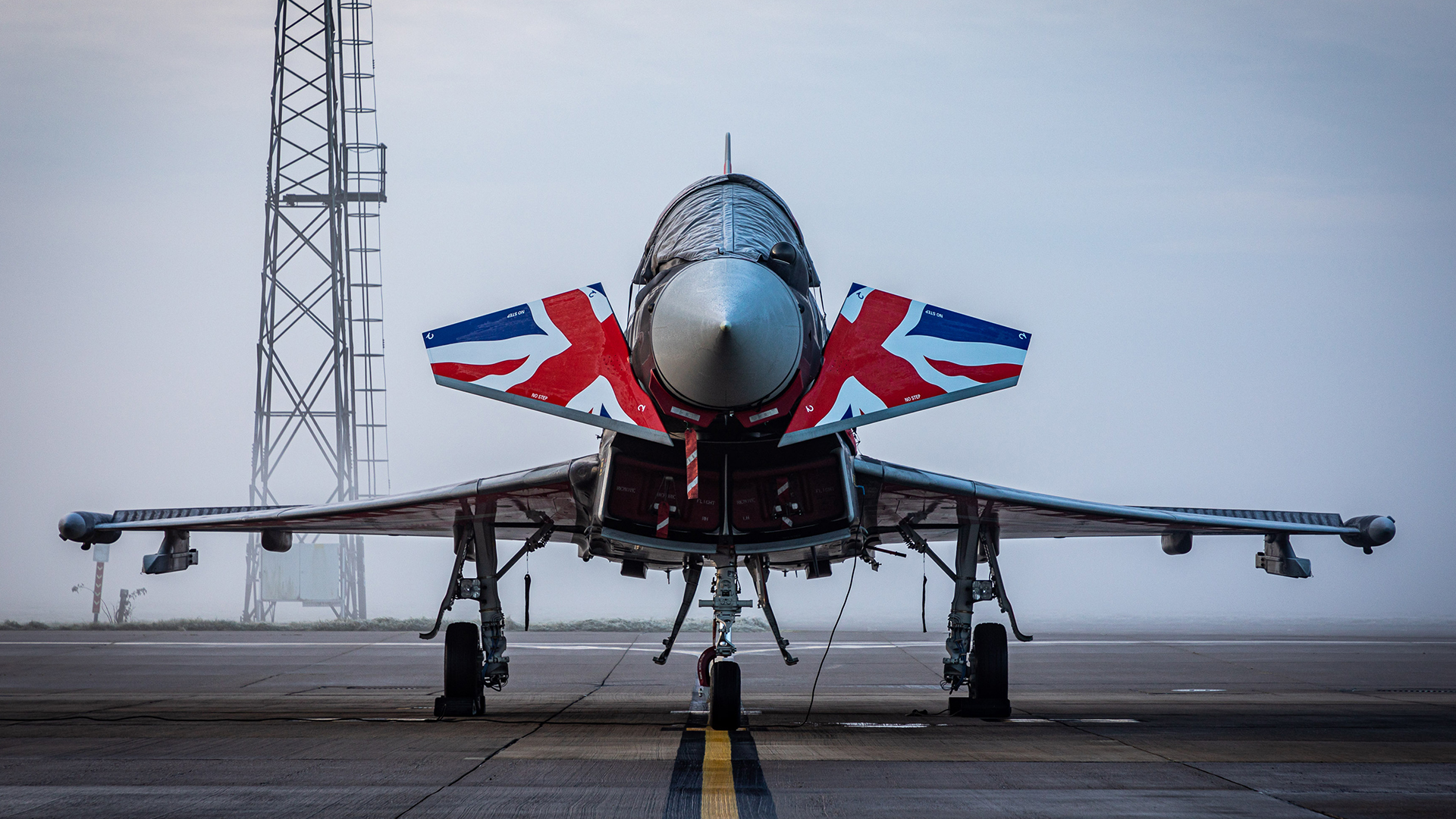
In RAF service, the aircraft is generally referred to as the Typhoon, although its official name is Eurofighter Typhoon.
The name does seem to vary from nation to nation, however, with the Luftwaffe tending to just refer to the aircraft as the Eurofighter.
While modern RAF aircraft names tend to reflect their WW2 counterparts, the Hawker Tornado, Hawker Typhoon and Hawker Tempest, Germany also had a Typhoon during the period – the Messerschmitt Bf 108 Taifun.
Like the RAF, the Italian and Spanish air forces, while also officially calling the jet the Eurofighter Typhoon, typically refer to it as just the Typhoon.
Join Our Newsletter