Govt pledged £9bn for Service Family Accommodation: Find out what that might mean

Nine billion pounds is not an insignificant amount of money – you could buy yourself two Queen Elizabeth-class aircraft carriers or, if you prefer, it's enough to give everybody in the UK a £320 Christmas bonus.
But it's also the amount of money the Government says it will invest in what it now calls "defence family housing" over the course of the next decade.
I've spent the last few weeks looking into the detail, and while the top-line figure and general overview of what the MOD will do in terms of delivery are encouraging, I've found there to be vagueness around the specifics of what precisely military personnel and their families will actually see materialise from such a large investment.
Let's take a look
The first thing to say is that over the past 18 months or so, there has been a genuine commitment from ministers to pledges made on military housing.
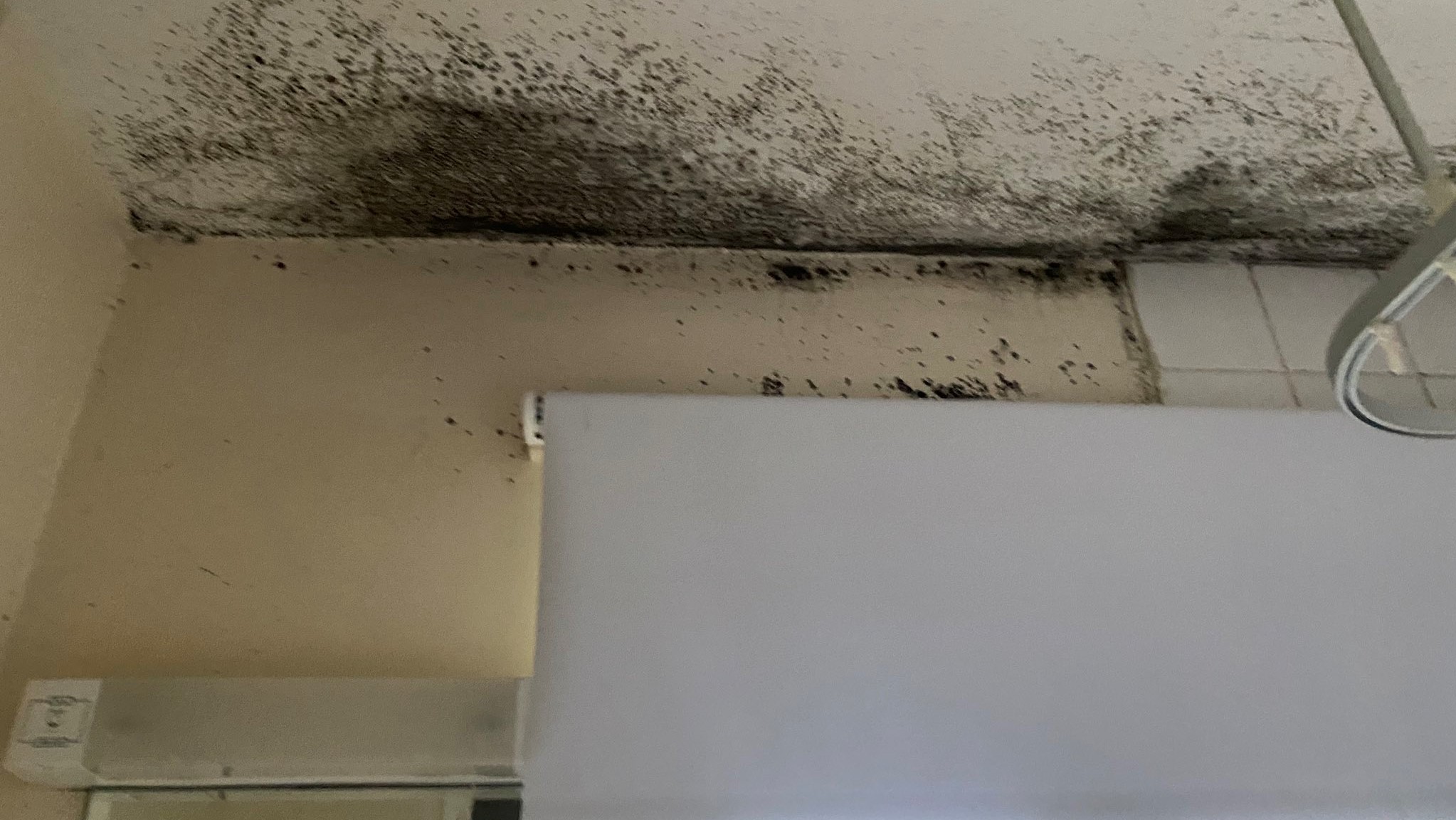
The general direction is one of significant improvement. Who can forget the horror show of daily videos on Fill Your Boots showing mouldy ceilings, faulty boilers or leaking roofs in people's homes?
These were all serious issues that rightly shamed those responsible for providing Service Family Accommodation.
Since Labour came to power, two major moments have occurred in the SFA space: the renationalisation of Service Family Accommodation and this recent £9bn announcement, partly funded, the MOD says, by money saved since military homes were brought back into public ownership.
Work done, but problems persist
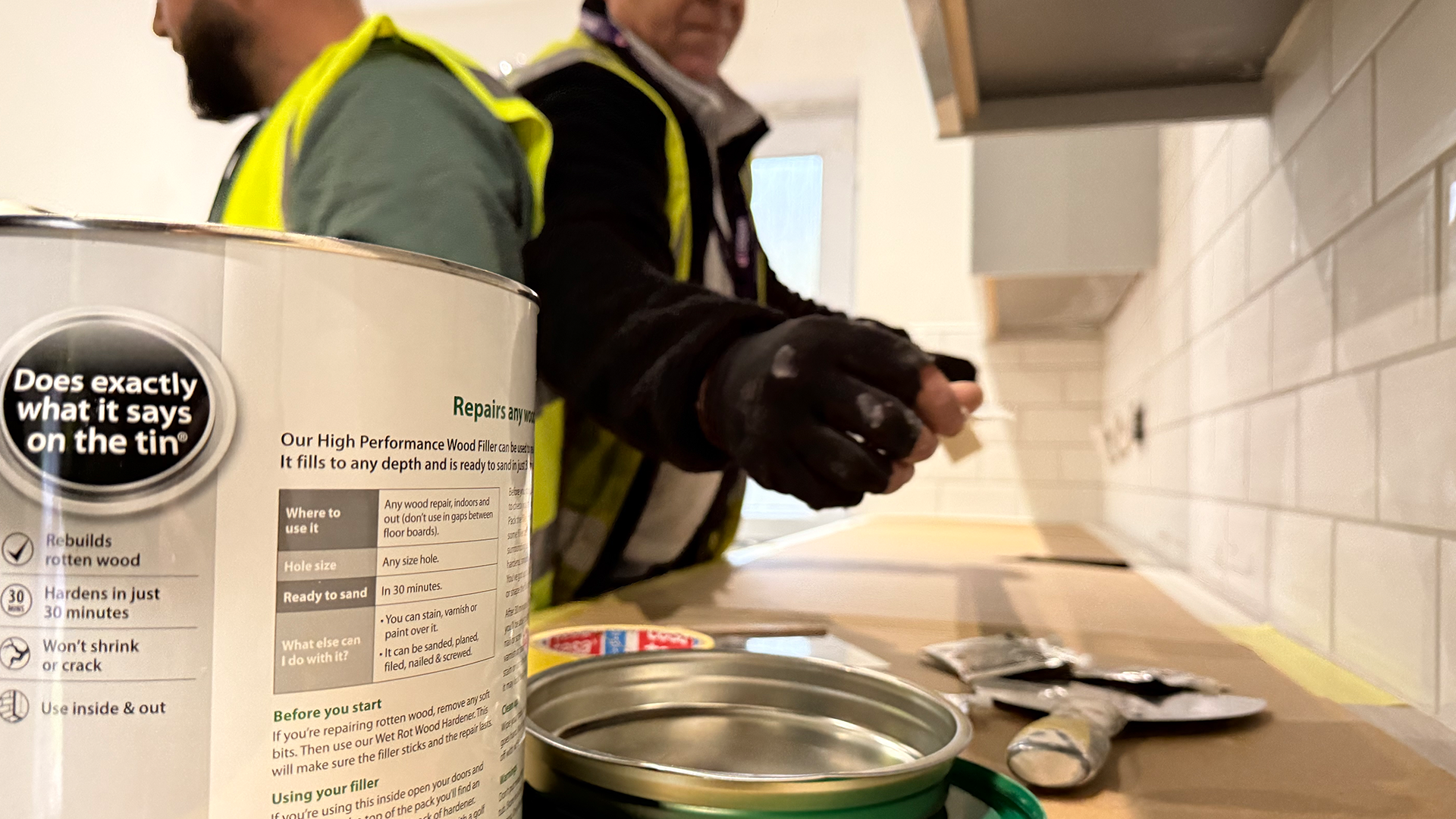
Earlier this year, the Government announced it would renovate or refurbish the worst 1,000 homes before the end of this year.
BFBS Forces News understands work has been carried out on a number of properties, and an announcement is due in the coming days on whether it succeeded in hitting its target.
It does seem the new Government has watched the last struggle on military accommodation – and knows just how fierce the backlash can be when it goes wrong.
However, BFBS Forces News has been approached by the wife of a serving person who lives in one of the homes that has recently been improved.
She told us that while her home feels brighter and fresher, some of the work was below standard and has caused new problems.
For example, she explained that while her fridge-freezer had been moved closer to the back door, it was placed in front of a light switch – meaning she can no longer turn on the light in her back garden.
The new space was also not big enough for the appliance, meaning the door can't be opened fully, and she's unable to access the freezer drawers.
While these may sound like small issues – and there were others she listed – they matter to tenants who have already been told they are living in some of the worst properties in the Armed Forces estate.
Let's hope these things are ironed out.

Where will the cash be spent?
From my discussions with the Defence Infrastructure Organisation (DIO) – and from the lengthy policy paper the MOD published alongside its announcement – we can say the £9bn will be spent across three main areas:
:: The refurbishment or renovation of almost all SFA properties
:: The establishment of the Defence Housing Service
:: The building of new homes on "surplus" MOD land
Here's what I learned these three elements mean for people serving in the Armed Forces.
Firstly, nine out of 10 military homes will receive some form of renovation. This could be minor – a few fixes here and there – or major, depending on the state of the property.
Of the 47,000 properties the MOD is responsible for, now owned again by the taxpayer following renationalisation, around 43,000 homes will be worked on.
DIO auditors have assessed that 14,000 of these will require what they describe as substantial refurbishment or replacement.
This will clearly cost a significant amount of money. But it remains unclear precisely how much of the £9bn will be spent on this element alone. The MOD says it cannot yet provide a figure.
Setting up and running the Defence Housing Service, effectively a nationwide housing authority solely for the Armed Forces, is also likely to account for a considerable portion of the £9bn.
It will need to employ staff ranging from directors and managers to housing inspectors and engineers, alongside buildings, offices, vehicles and other infrastructure.
But again, the MOD is currently unable to say exactly how much this will cost.
More housebuilding promised
The third element of the announcement is, perhaps unsurprisingly, the vaguest – but potentially the largest in terms of cost.
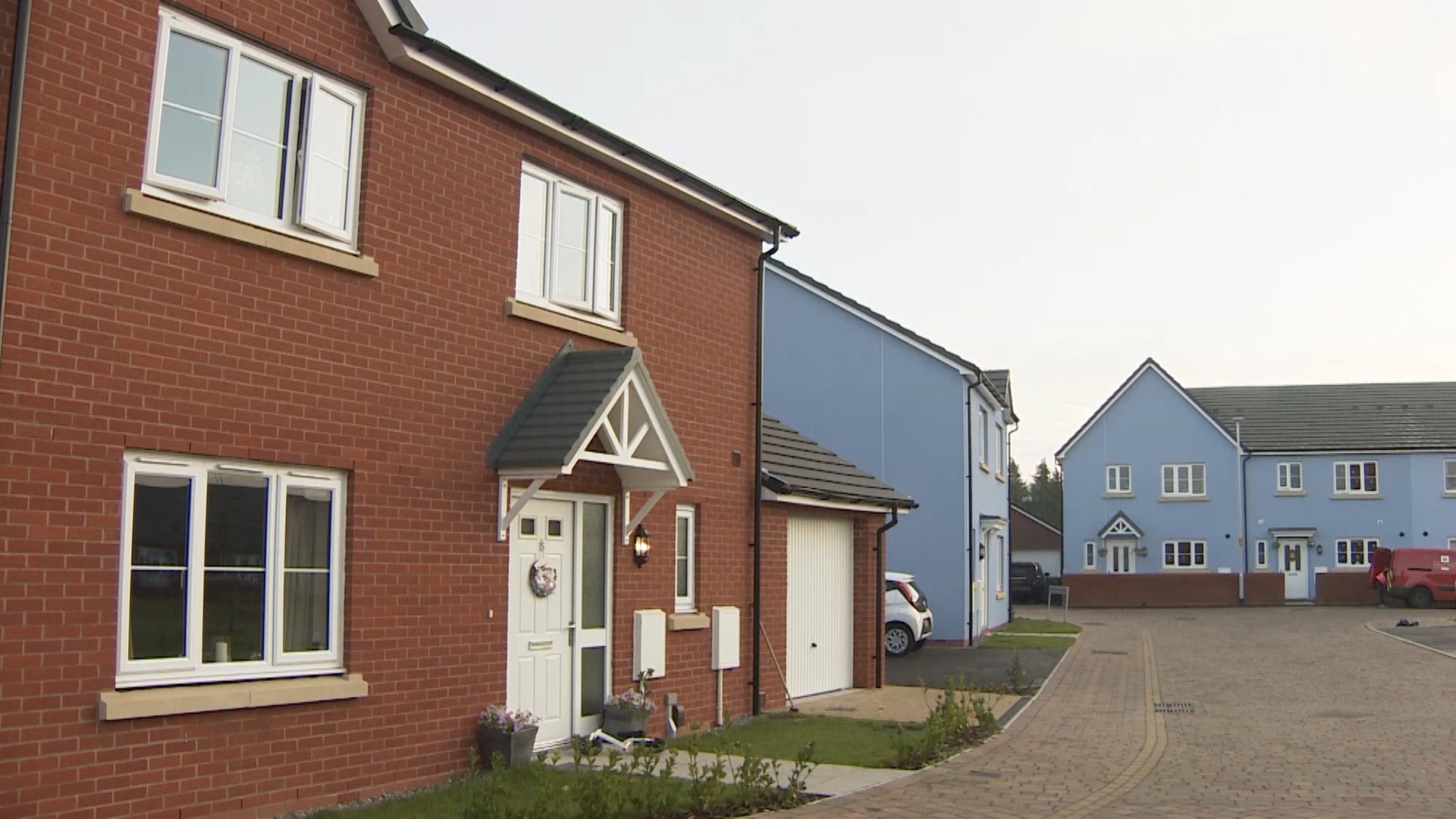
The Government says it will kickstart a new generation of housebuilding on what it describes as surplus defence land – essentially MOD land it no longer needs.
The Royal Engineers site in Ripon, North Yorkshire, has already been identified as one such location.
Military personnel will leave Ripon, be relocated to Catterick Garrison, and around 1,000 new homes will be built on the land that becomes available.
It is clear these properties will be available for purchase on the open market. The Government says it will prioritise access for serving personnel and veterans – but no specific affordability schemes have been announced.
As it stands, buyers would still need to be in a financial position to purchase.
Again, it is not yet known how much it will cost to release this land – if anything – or how much defence funding will ultimately be spent on building homes that are also available to civilians.
A call for more detail
To understand how all this has been received by those living in SFA, I spent half an hour speaking to Sophie Sparkes and Kirsha Fowler, presenters of the Pad Wives Assemble podcast.
They created the podcast to give fellow SFA tenants a voice, and to offer insight into what it's really like to live in military accommodation.
Both were optimistic about what the future could hold following this announcement, but also frustrated by the lack of detail.
"It's a step in the right direction, and there is hope – but I'm not going to trust it until I start seeing these changes," Sophie said.
She added that being able to put your own stamp on a house – including choosing warmer colours – can have a big impact on mental wellbeing.
Podcast co-host Kirsha said she too remained cautiously positive.
"Same as Sophie, until I see it, I'm remaining impartial because unless it's there in front of your eyes, you don't believe it," she said.
"It would be nice for families to know what the money is going on. It doesn't have to be point by point, but it would be nice if it wasn't quite so vague."
For those living in sub-standard service accommodation, it almost doesn’t matter how much money is spent – or exactly where. What matters is that their homes are finally put right.
On that front, one thing does appear clear: the MOD is – at last – making a genuine attempt to do just that.
Alongside the relaxation of rules around pets, decorating, or running small businesses from home, this shift is something that really matters to service families.
As Sophie and Kirsha put it, there is genuine optimism about the direction SFA is now heading, even if many wish there were fewer unanswered questions.
Related topics
Join Our Newsletter