The hunt for the next Alan Turing: The MOD's plan to survive a war in cyberspace

Highly paid and highly prized, there are some new faces in defence – new faces that we can't show you for security reasons.
These young cyber warriors are bringing their valuable skills to defend our nation's digital frontlines.
The MOD knows that if you can't defend yourself in cyberspace, it's game over.
Fast-tracking talent
Part of the plan to tackle this is by fast-tracking cyber experts who wouldn't normally have considered wearing a uniform.
They include IT technicians, software developers, computer scientists and hardware specialists.
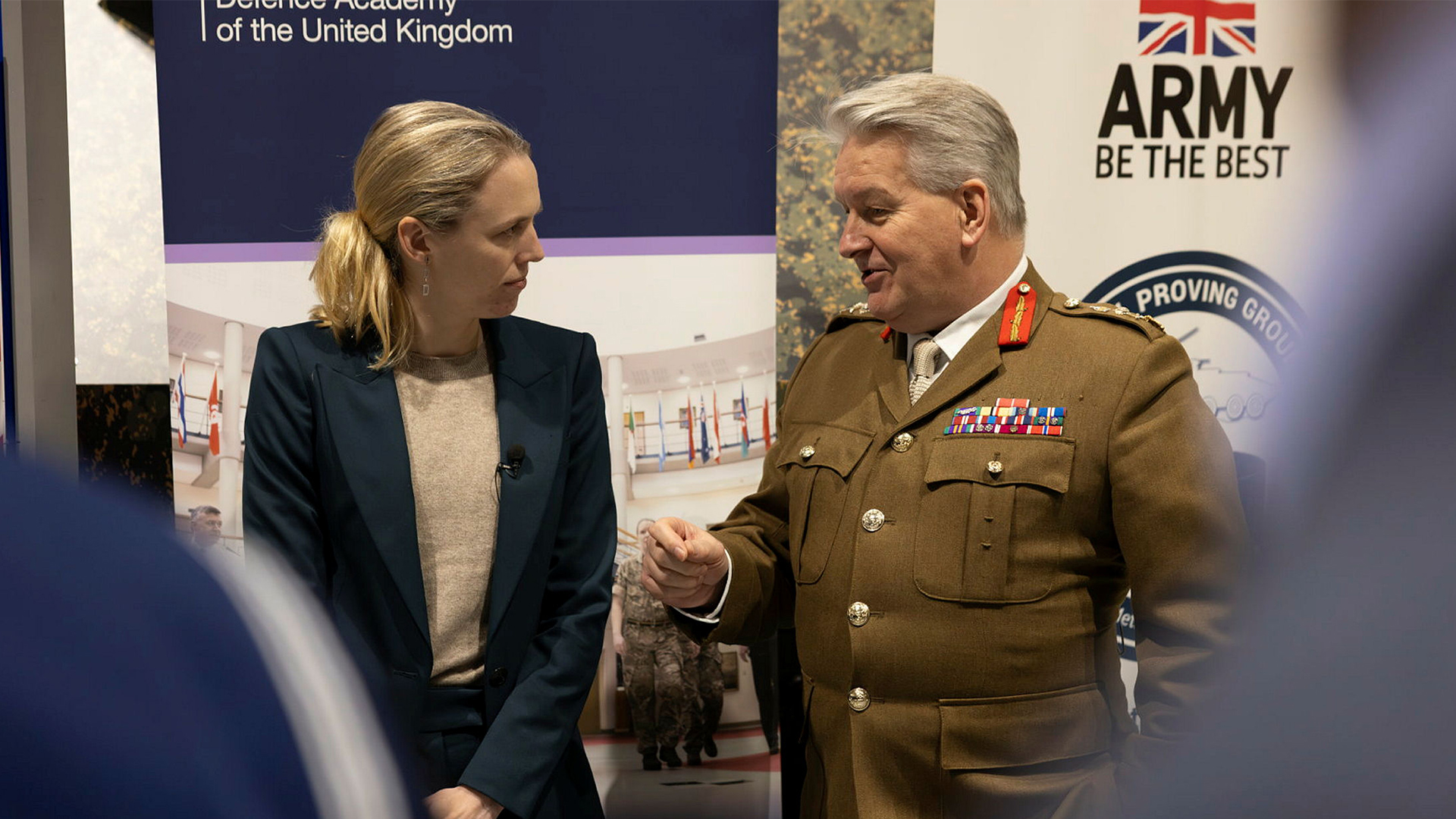
The first cohort of 26 young men, including several teenagers, was congratulated at their graduation at the Defence Academy in Shrivenham by the Commander of Cyber and Specialist Operations Command (CSOC), General Sir Jim Hockenhull.
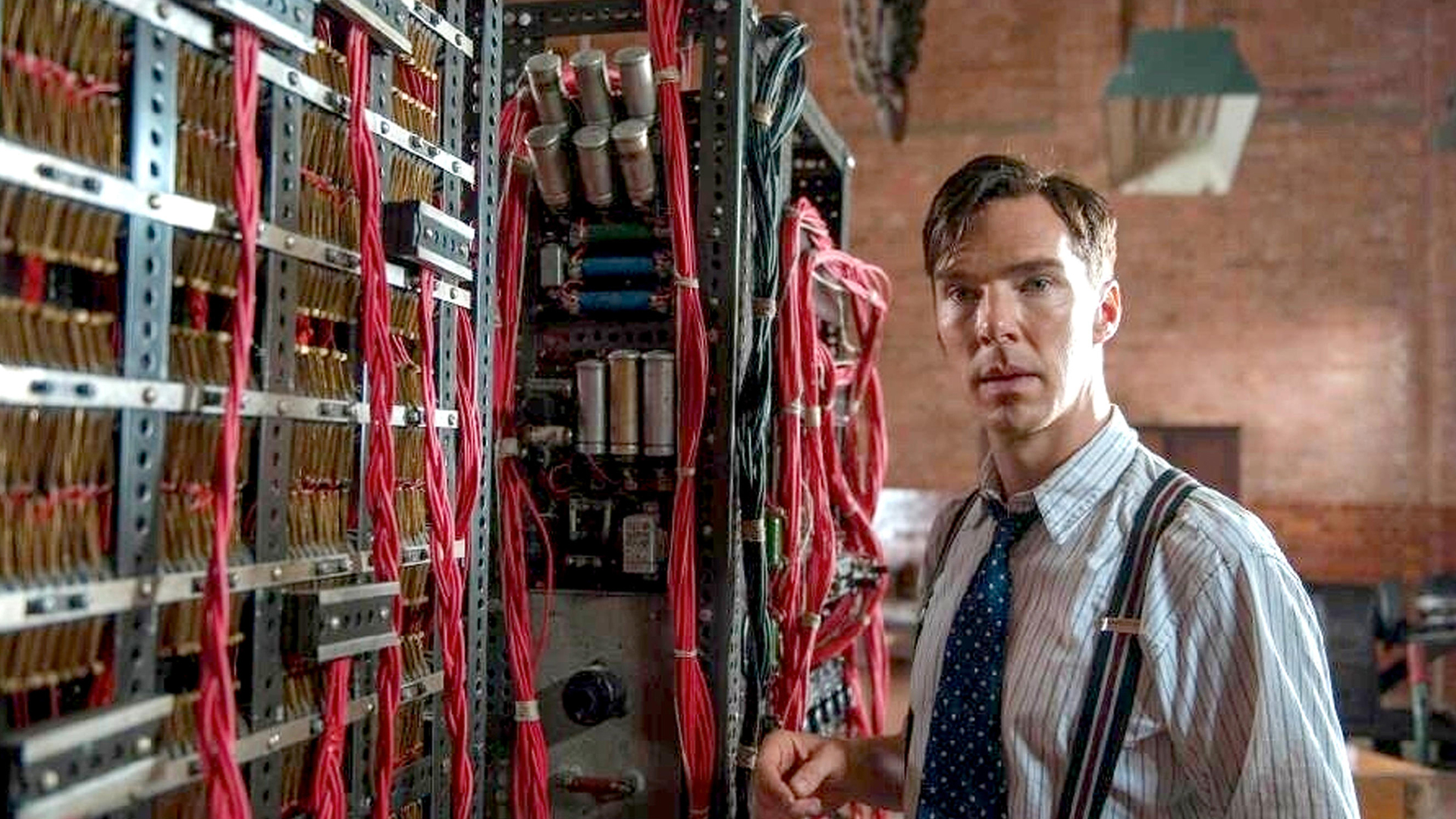
And Gen Sir Jim told me how he hoped the next Alan Turing, the famous WW2 codebreaker, might be among them.
"I think the great thing about these graduates is it really is showing we can attract a different type of people into our force," he said.
He pointed out how seeing the likes of Alan Turing serve the nation was a way of recognising how people from a variety of backgrounds could come and work in national security in the Second World War.
And he said this new cohort of cyber warriors was an important step in showing how the Armed Forces can be opened up to a wide variety of similarly talented people today.
The threat is real
There have been more than 90,000 cyber attacks on UK defence over the last two years alone.
So far in 2025, the UK has faced 18 major cyber incidents, categorised as "highly significant", with the potential to seriously affect essential services.
This is an almost 50% increase on the previous year and the third consecutive annual rise.
In the retail and car manufacturing sectors, society has felt the impact of when hackers win.
So in an attempt to bolster cyber defences, the MOD has changed recruitment rules.
The Cyber Direct Entry Scheme aims to bring in people you wouldn't expect to see in the military.
The art of seeing what others cannot
The MOD says it's well known that the cyber sector has a workforce including a substantial percentage of neurodivergent people.
It says it embraces neurodiversity and recognises that such people can often see what others cannot.
Starting salaries are more than £40,000, with the potential to earn up to an additional £25,000 in skills pay. This is in addition to pay increases from promotions and time served.
The entry route sees basic training reduced from 10 weeks to around one month, after which recruits undergo three months of specialist training.
The first graduates begin their military career as corporals in the RAF and leading hands in the Royal Navy.
After Phase 2 training, the cyber graduates will serve a minimum of three years, but will be expected to serve six while they develop their technical proficiency.

Army included next time
The next cohort is expected to include the Army, which the first did not, and is open to people aged 18-39.
Each graduate has had to undergo a high level of security clearance, known as developed vetting, before being allowed to take on these highly sensitive roles.
Some people questioned the decision to recruit outsiders, asking why these skills aren't already in-house – and concerns were raised about a lowering of standards.
There will be pressure on all of those new faces to prove their worth.
Will one of them become the next Alan Turing?
With the high levels of attacks on MOD systems every day, there'll be plenty of opportunities to try.
Related topics
Join Our Newsletter