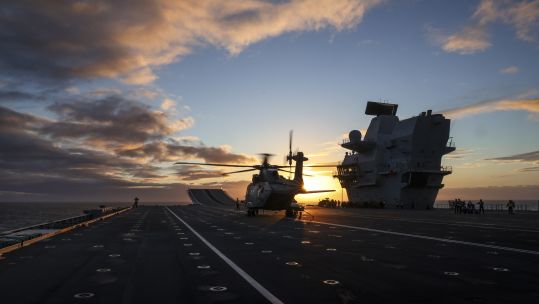
HMS Prince Of Wales Prepares For Frontline Operations With Aviation Trials
The aircraft carrier has been training with the RAF and Commando Helicopter Force as it works towards being declared operational.


The aircraft carrier has been training with the RAF and Commando Helicopter Force as it works towards being declared operational.
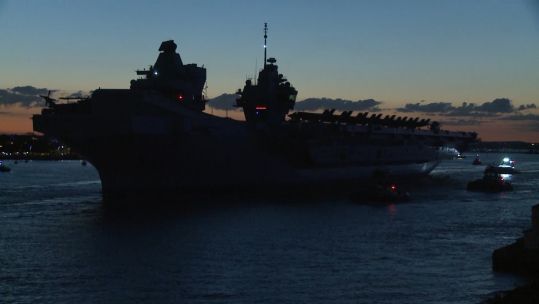
The Royal Navy aircraft carrier has left Portsmouth for the deployment after welcoming the Queen on board earlier.
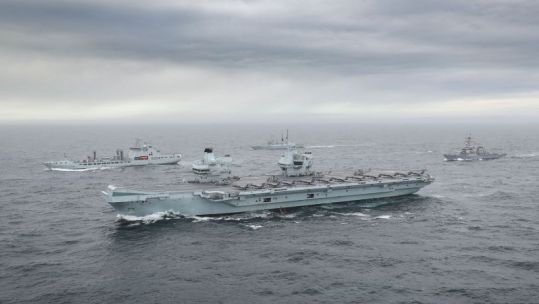
The formation has been described as the UK's largest "signal of maritime and air power" for a generation.
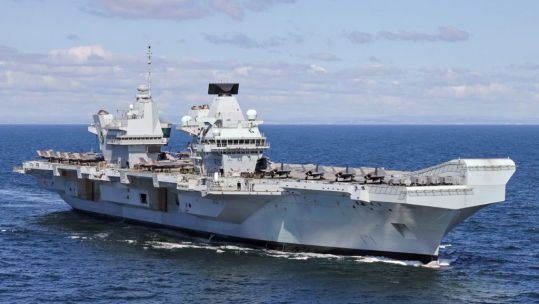
HMS Queen Elizabeth is getting ready to sail on her first operational deployment – but what jets will operate from her flight deck?
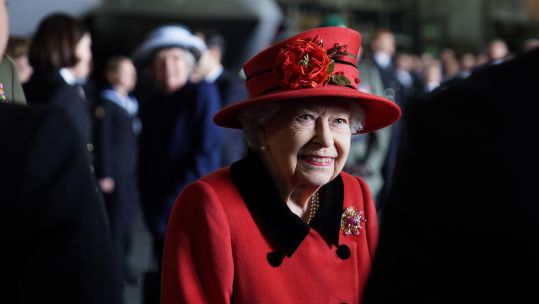
The Royal Navy aircraft carrier will soon leave Portsmouth and head on her maiden operational deployment.
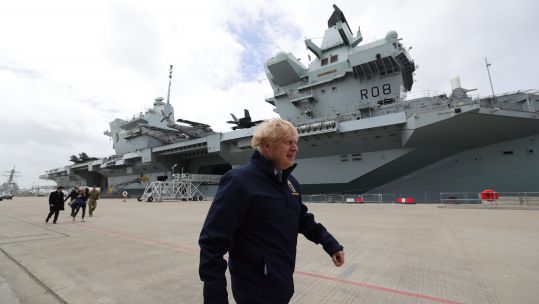
Boris Johnson also said the formation's deployment to the Far East would not be "confrontational".
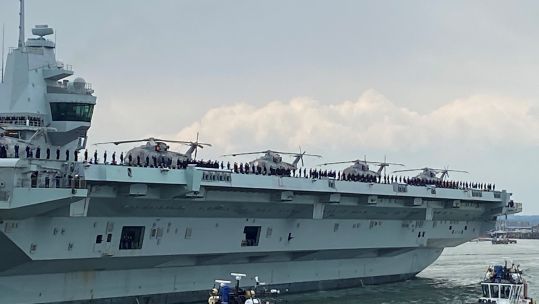
The Royal Navy's fleet flagship is now due to leave Portsmouth for her Carrier Strike Group 21 deployment on Saturday evening.
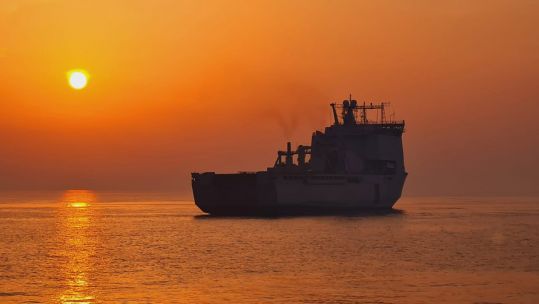
The Defence Secretary has launched the competition for companies to build vessels that will support task groups around the world.
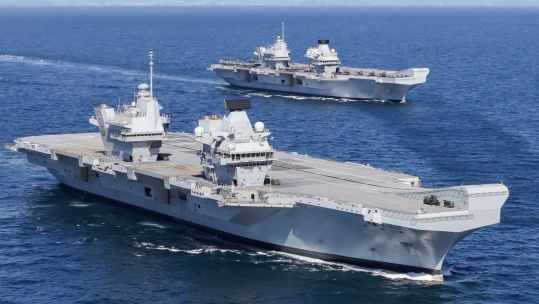
HMS Queen Elizabeth met up with HMS Prince of Wales off the coast of the UK, following her participation in Exercise Strike Warrior 21.
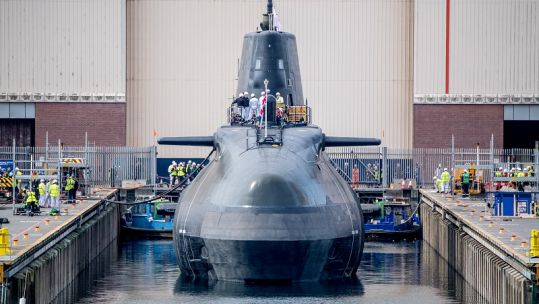
The fifth of the Royal Navy's Astute-class submarines was lowered into the water in Barrow during a delicate two-day operation.
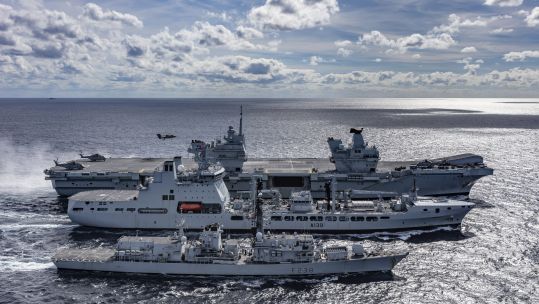
Plans for an evolving Royal Navy feature uncrewed, underwater systems.
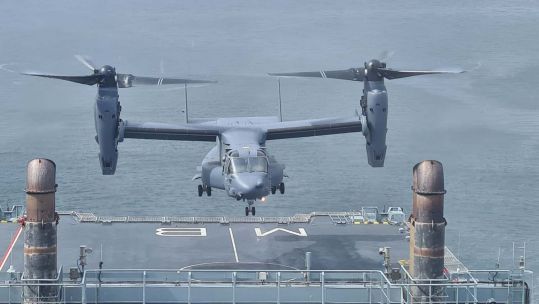
The Osprey can fly higher, further and faster than a helicopter and with its tiltrotor design, can land in and take off from tight spots.
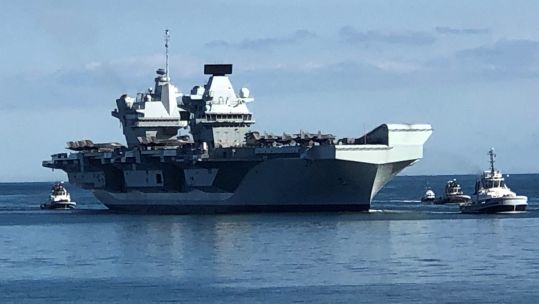
The ship entered the city with F-35Bs on her flight deck for the first time, before the Carrier Strike Group 21 deployment.
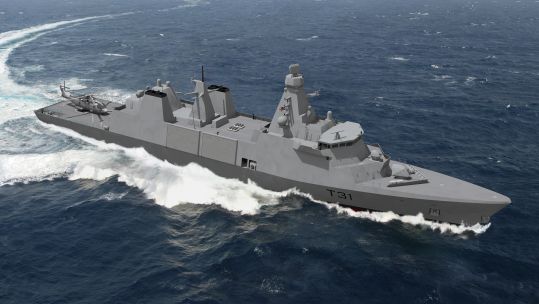
The five new vessels will be named after famous former ships and submarines from the Royal Navy's past.
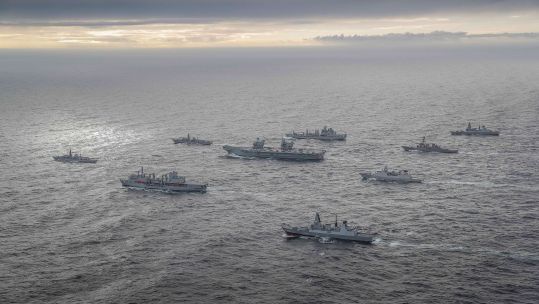
HMS Kent is currently taking part in Exercise Strike Warrior - the last workout before the Carrier Strike Group 21 deployment.
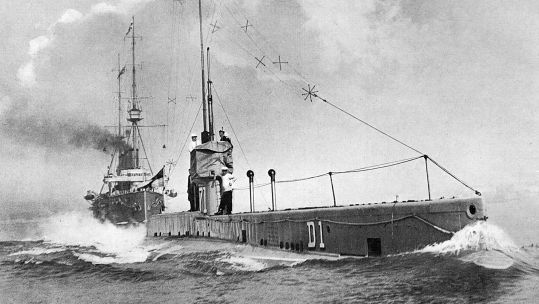
The submarine was used as a target for Royal Navy training exercises after it was decommissioned and scuttled off the Dartmouth coast.