Op Spiderweb: Most audacious covert mission of Ukraine war that nearly went very wrong
It remains the most audacious covert mission of the entire Ukraine War – swarms of armed quadcopters, smuggled deep into Russia on the back of lorries, and then unleashed against key Russian airfields.
Operation Spiderweb took place on 1 June and put dozens of Russia's precious strategic bombers out of action.
Now, an investigation by the Wall Street Journal (WSJ) has uncovered fascinating details of how Ukraine's Security Services (SBU) pulled it off – and how it nearly went disastrously wrong.
- 'Uncanny' parallels between Ukraine's Op Spiderweb and SAS missions during WW2
- Caught in the web: How Operation Spiderweb cost the Russian air force dearly
- Exercise Sky Shield: Patriot missiles light up Kuwait's skies in counter-drone drill
According to the WSJ, the mission took 18 months to plan, and only a small handful of people knew the full details.
Initially, the SBU intended to smuggle the drones into Russia through a network of agents and then launch them from secluded areas near key airfields.
But the SBU, in consultation with President Zelensky, decided that method would not do enough damage.
So, another, far more complex, Trojan horse-style plan was hatched.
The investigation reveals how the Ukrainian Security Services quietly built an underground logistics network inside Russia to carry out the assault.
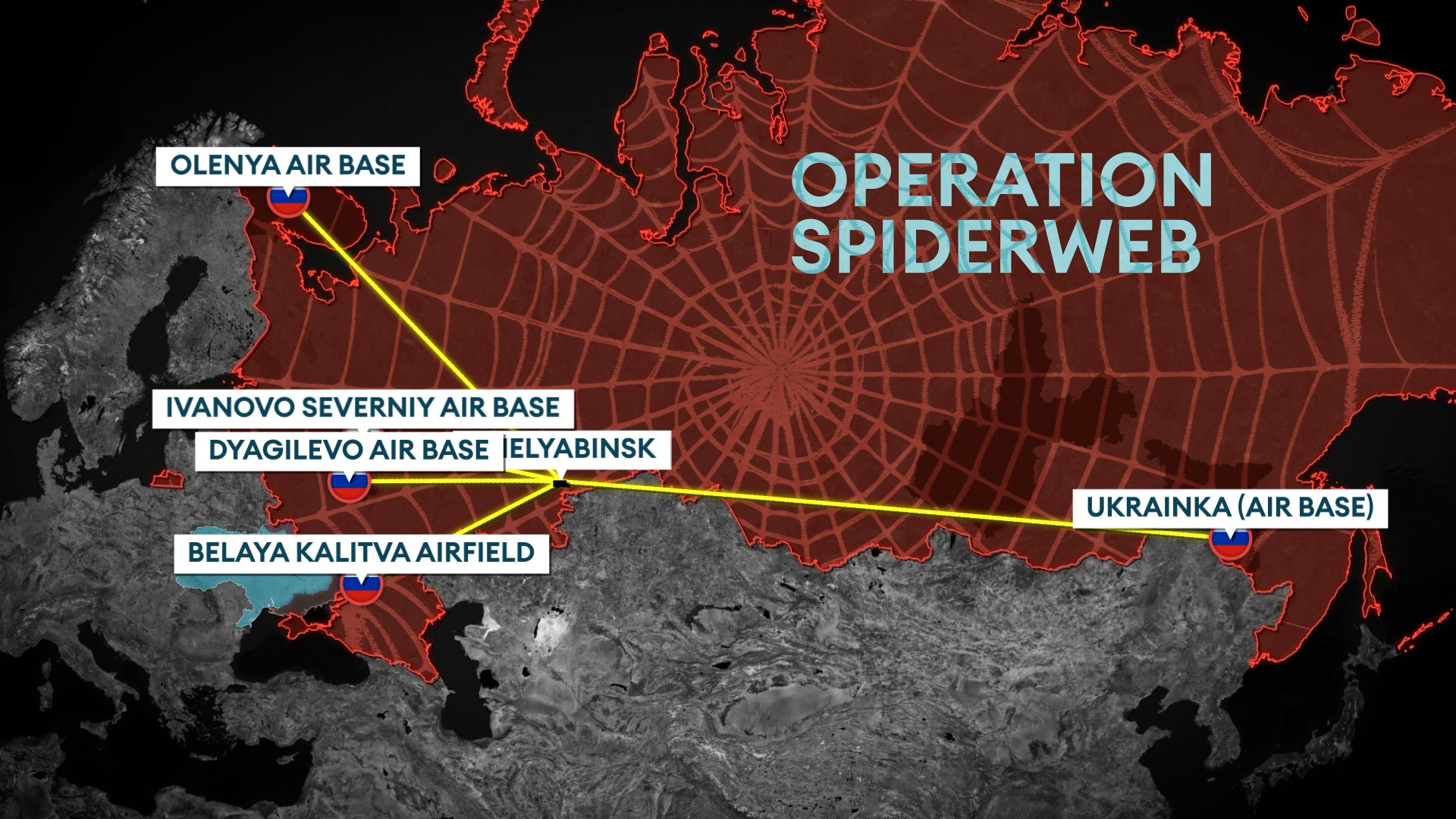
The mission relied heavily on a Ukrainian husband-and-wife team, Artem and Kateryna Tymofeyev, who had been living in Chelyabinsk, Russia.
After being vetted in the Western Ukrainian city of Lviv, including through polygraph testing, the DJ and his tattoo artist wife were tasked with establishing front companies, renting warehouses, and helping the SBU move equipment across Russia without raising suspicion.
The WSJ report reveals how the couple assembled 150 FPV drones and eight disguised launch cabins – wooden structures fitted with remotely controlled opening roofs.
Hidden inside the roof space of each cabin were dozens of armed drones fitted with long-range communications links and warheads able to puncture aircraft fuel tanks.
Each cabin was also fitted with batteries and solar panels to maintain communications and keep the drones charged.
Over 18 months, the Tymofeyevs bought vehicles, recruited unwitting truck drivers, and planned the routes they would take to their targets.
The investigation also reveals how SBU handlers secretly screened all the drivers to make sure none of them had connections to the Russian security services.
As well as audacity, the operation also had unprecedented reach, spanning five Russian Oblasts across five time zones.
One of the targets, Belaya Air Base in Eastern Siberia, is 2,700 miles from Ukraine.
On the day of the attack, five trucks positioned just a few miles from key Russian bomber bases activated their launch cabins remotely.
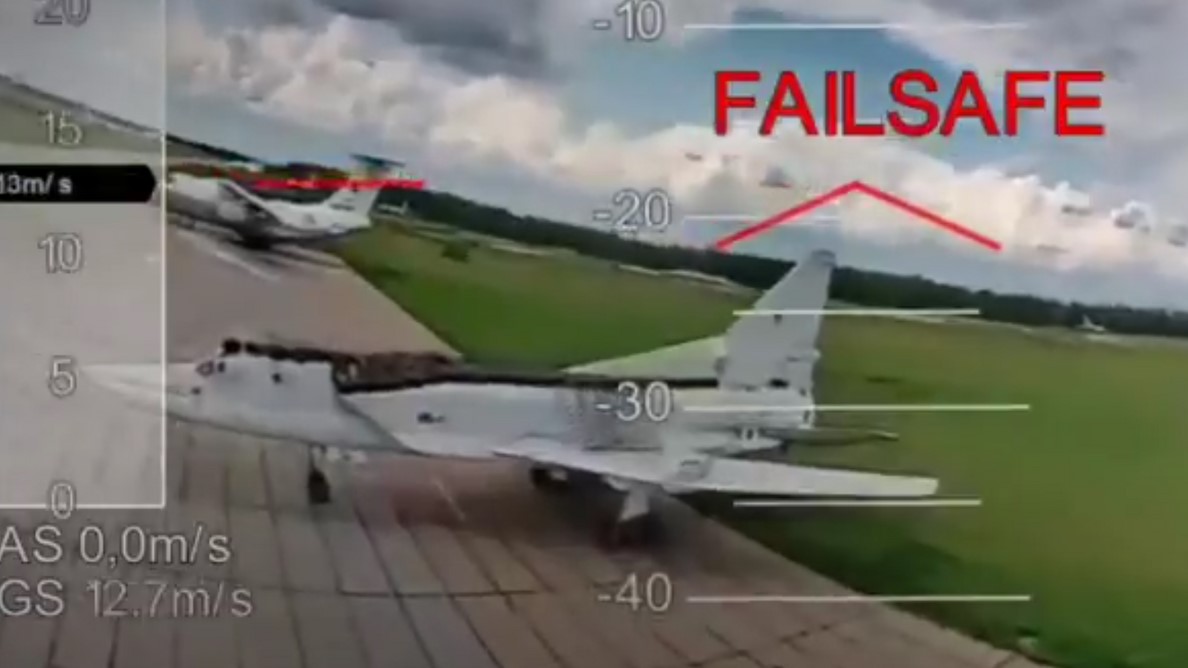
The WSJ report says 117 drones took off simultaneously, guided remotely by some of Ukraine's best, combat-tested drone pilots.
They had trained for months, flying drones all day to develop endurance and muscle memory.
The report says the pilots were only told their target at the very last minute.
They were also shown plans of the Russian aircraft, highlighting the weak spots they should try to hit for maximum effect.
The investigation also reveals how the operation was nearly rumbled several times.
On one occasion, a driver noticed a cabin roof shift and discovered the drones inside.
In shock, he phoned Tymofeyev, who, with help from the head of the SBU, Vasyl Maluku, came up with a cover story.
The driver was told the cabins were hunting shelters, and the drones were simply there to monitor wildlife.
Luckily for the SBU, the explosives hidden inside each drone were not visible, and the driver accepted the story, even repairing the roof with the help of a local tractor driver.
On another occasion, a driver complained of electrical problems inside one of the cabins on the back of his lorry.
Soon afterwards, he stopped taking calls.
The SBU later learned that a fire and explosion had destroyed the cabin and killed the driver.
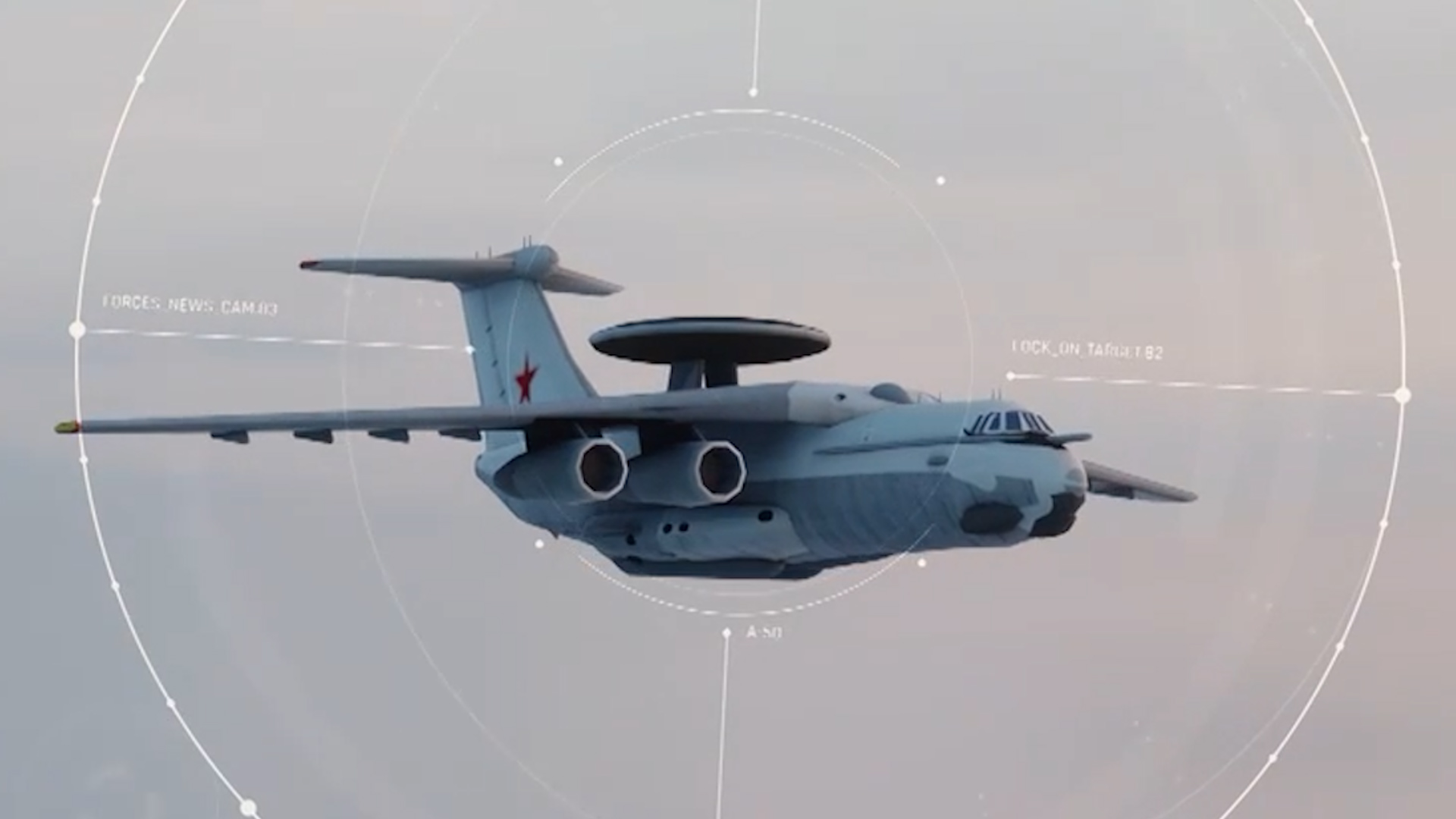
Ukrainian officials told the WSJ the strike destroyed or damaged about 41 aircraft, including strategic bombers and A-50 early-warning planes.
The figure is hard to verify, but if true, it represents more than a third of Russia's long-range cruise-missile bombers, worth an estimated $7bn.
Four days before the attack, says the WSJ report, the Tymofeyevs crossed the border into Kazakhstan in a hired Toyota van pretending to be tourists. In the back were their prized possessions: their cat and a Shih Tzu dog.
Satellite imagery from the time shows multiple burned aircraft at sites such as Irkutsk and Murmansk, marking out Spiderweb as one of Ukraine's most significant deep-strike operations of the war.
Related topics
Join Our Newsletter