Helicopter emergency? Russian helis have an ejection seat – find out why RAF ones don't
Did you know that the Russian armed forces have the world's only helicopters that are fitted with ejection seats?
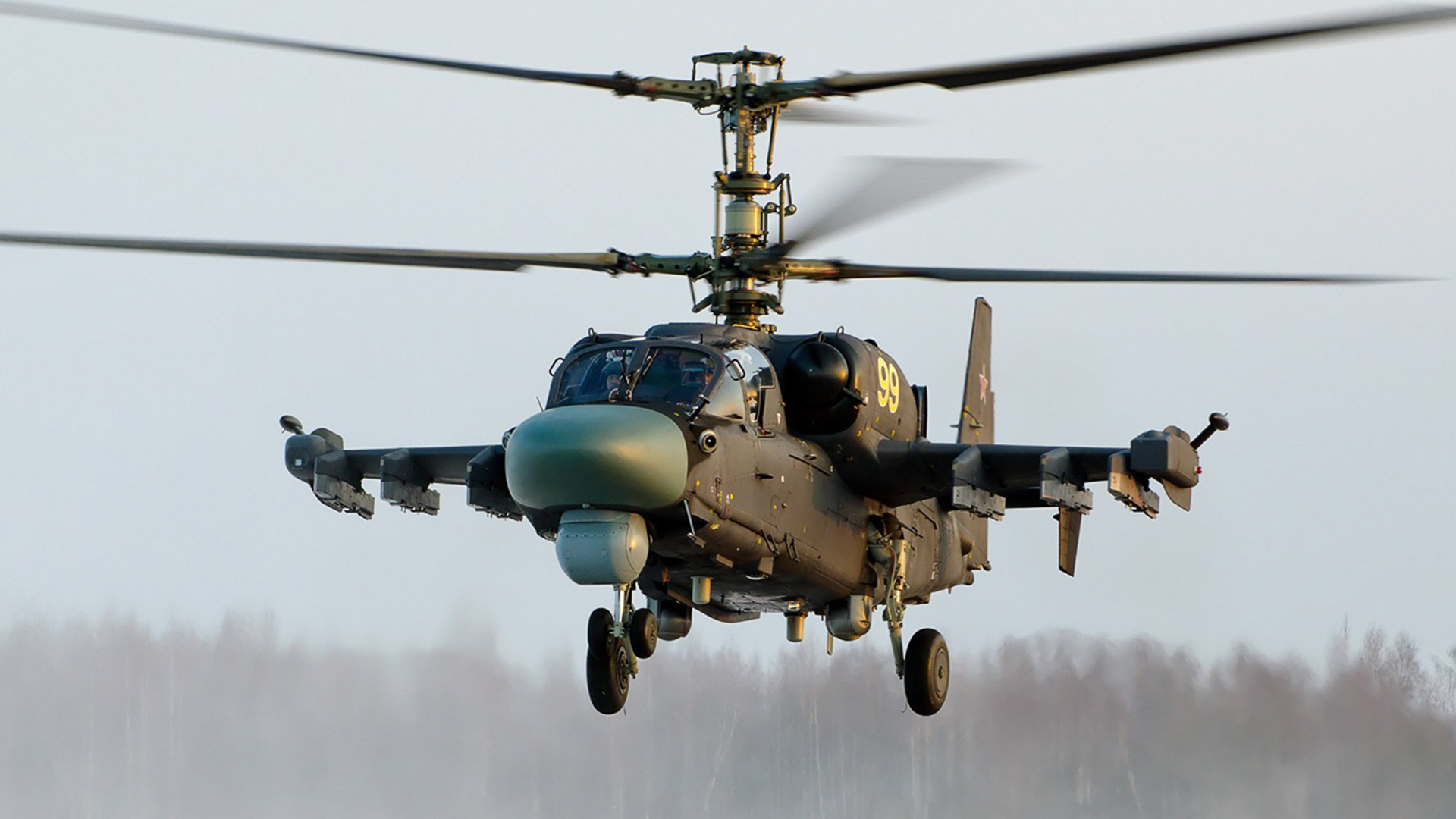
The Kamov Ka-50 Black Shark and Ka-52 Alligator are fitted with ejection seats, making them arguably the rarest in any military.
While they sound fictional, they're very much real – with at least one successful ejection having taken place in the war in Ukraine.
Never before has a helicopter had an ejection seat until the Russian armed forces adopted the single-seat attack helicopter in 1995 – the Ka-50 Black Shark and, later, the two-seat variant, the Ka-52 Alligator.
They work by blasting away the rotor blades with explosive charges in the rotor disc, and the canopy is jettisoned before the ejection seat deploys.
The two attack helicopters are fitted with the Zvezda K-37 Helicopter Extraction System.
In action in Ukraine
The Ka-52 Alligator can hit targets up to 10km away and has been nicknamed "Putin's vulture". It is described as Russia's equivalent to the AH-64 Apache.
The Ka-52 has seen action in the Ukraine-Russia war. It's a long-range, all-weather attack helicopter, which can strike both ground and air targets.
The Alligator also carries intelligent systems on board, including night vision and a range of protection systems that can jam electronics, detect lasers or warn of approaching missiles, which makes it hard to counter.
Then, of course, if they were to be hit, the crew have the ability to eject from the aircraft.
However, numerous Ka-52s have been lost in Ukraine and there's only been one documented case of a successful ejection - so maybe the system isn't all it's cracked up to be in practice.
Would you like this helicopter?
RAF crews - along with the rest of the world - have not adopted the ejection seat system, instead having their own protocols to help them land a helicopter safely in an emergency.
"It would be interesting to see, but I wouldn't want to be a part of it," said Sergeant Charles Pearce, a rear crew member from 60 Squadron. "I'd rather go with the procedures that we have in place that clearly work."
In the event of an emergency landing, crews strap in and adopt the brace position until getting the all clear to evacuate.
If the door is jammed shut, they can pop out the window in the side.
Once out of the helicopter, they have to be mindful of any spinning rotors, including the tail rotor at the back of the aircraft.
Rear crew instructor Petty Officer Ash White explained how they would land a helicopter if they lost engine power.
"The pilots can do something called autorotation, where they use the force of the aircraft descending to actually maintain rotation in the blades," he said.
"Then, right at the bottom of the descend they can alter the pitch of the blade, create lift and essentially bring us to a nice safe conclusion on the ground without crashing."
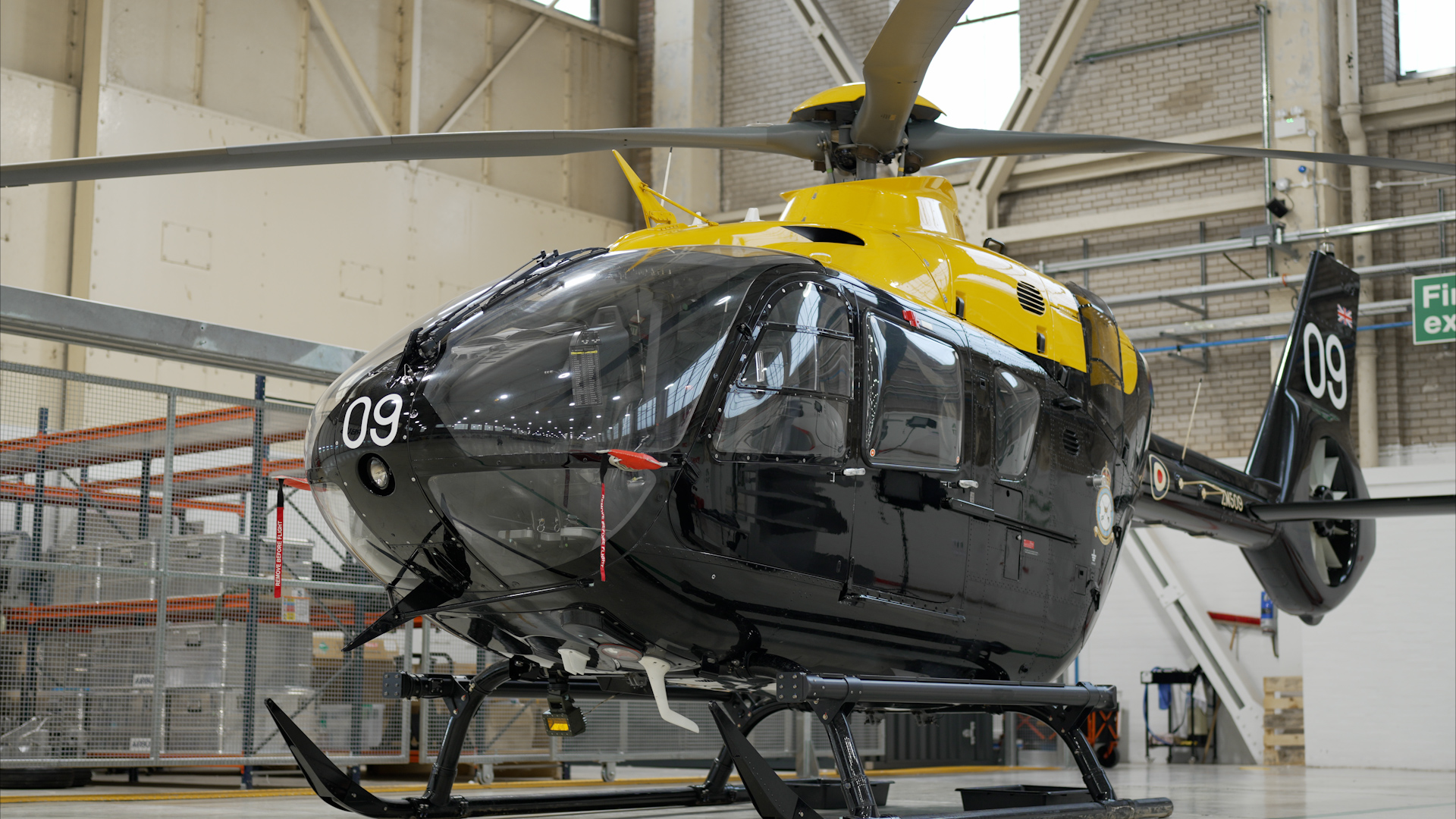
These are some of the fundamental safety protocols that are taught at RAF Shawbury's No.1 Flying Training School.
It's here that a pilot or crew member receives their first training on the HT1 Juno helicopter – a lightweight twin-engine helicopter that can be easily adapted to suit a range of training across the services.
Sgt Pearce has just graduated from the school and will be operating Chinooks with his next unit.
He explained how confident he is going to his new unit with the training he's had, saying: "We practise emergencies all the time to make sure we're well prepared.
"Everything we're taught through our training pipeline is that safety is paramount. All the stuff that we do here on the Juno sets us up as a really good foundation for future aircraft types."
Sgt Pearce will head to RAF Benson, where he will receive more training on the Chinook.
Join Our Newsletter