Trust your gut: How one soldier transformed his military skills into civilian success

How I Got Here is an ongoing series from BFBS Forces News, focusing on the transition from the military to civvy street. We've spoken to veterans whose military careers have come to an end, either by choice or through a life-altering event. As people who have been there and done that, they offer invaluable advice for those considering leaving or who need some support right now.
Unlike many teenagers, Alex Barrett knew what he wanted to do with his life at a young age.
Determined to travel the world, avoid getting into debt and get paid to keep fit, Mr Barrett decided at 15 and seven months that a career in the Royal Marines was the perfect fit.
However, fate decided otherwise, and a quick step on the weighing scales put him on a path to joining the British Army as he wasn't yet heavy enough.
When you speak with Mr Barrett, he is friendly, honest about his shortcomings, ambitious and clearly willing to put in the effort, saying: "I think you have to earn your stripes, regardless of what you've done in the past."
Today he works in Tech Sales for a global IT reseller – a competitive environment in which he thrives – but how did he get here, and what advice would he give others thinking of leaving the military or those currently transitioning to civvy street?
A new experience
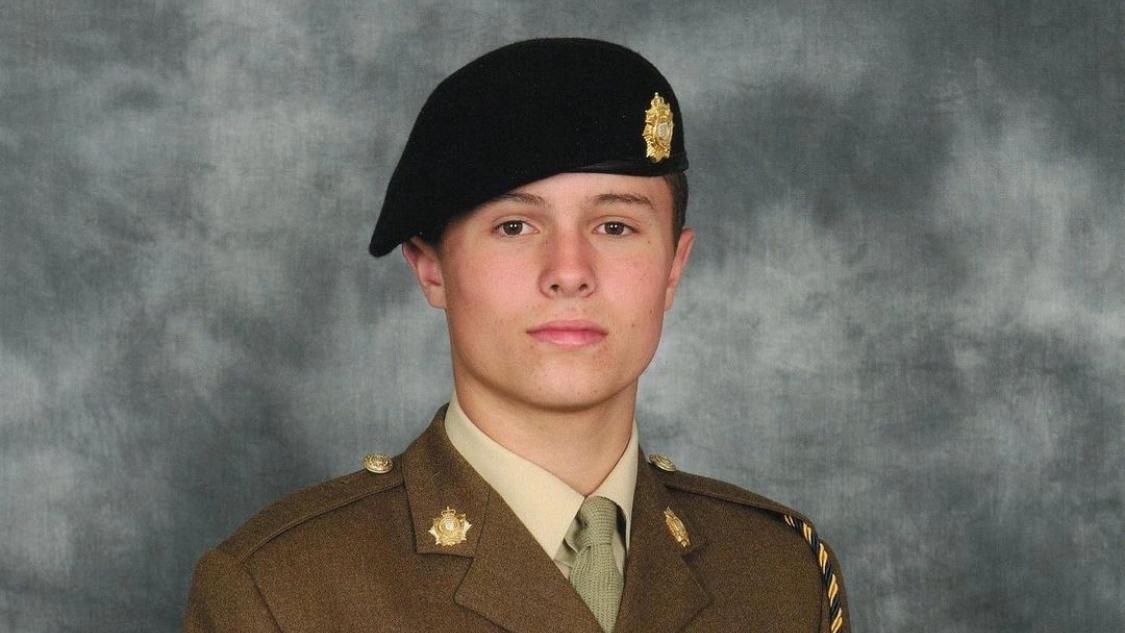
Mr Barrett went through basic training with the intention of becoming an ammunition technician but, much to his disappointment, he didn't pass – something he'd never experienced before.
He said: "I failed that because I'm nowhere near smart enough to be someone in bomb disposal.
"So that was my first hurdle at life – I actually failed something."
Now in his early 30s, Mr Barrett reflects on decisions made in his youth, viewing them through the perspective of an adult eager to learn from past mistakes.
Before he joined the military, just like so many young people, he thought being a soldier was going to be just like playing Call Of Duty.
He said: "I had this idea of what being a soldier was like, even though it's obviously nothing like Call of Duty.
"You've got a clean a rifle every time you shoot it for one."
From rookie to well‑travelled PTI
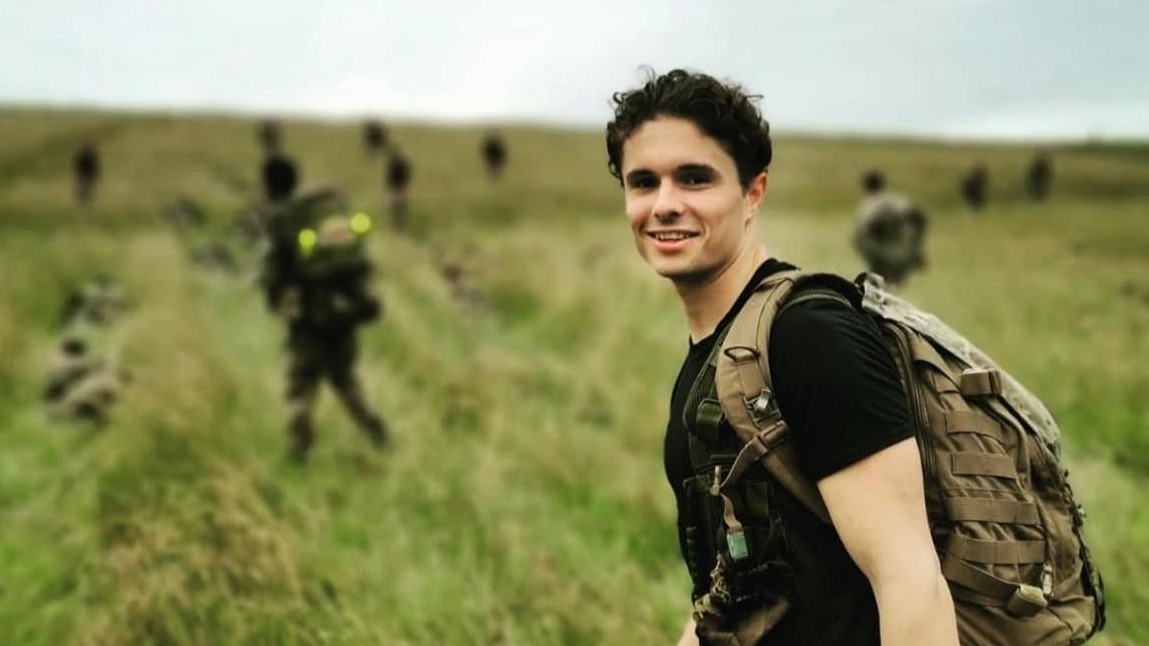
Eventually, Mr Barrett joined the Royal Logistic Corps as a Movement Controller because it gave him the best chance of seeing the world.
Before he'd even begun his reckonable service, the young soldier went to Germany and found himself being watched – but for good reason – unlike his counterparts he was too young to drink.
He said: "When I got there at 17, in the guard room they had a photo of my face, because I couldn't be out the barracks between 12 midnight and 8am because I was underage."
From then he did fulfill his ambition of seeing the world, traveling to the Falkland Islands, Afghanistan, Qatar, Kuwait, Jordan, Bahrain, Dubai, Europe and America.
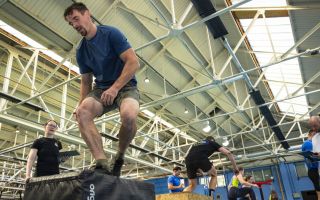
By the age of 24, Mr Barrett was a corporal and ready for his next challenge – becoming a Physical Training Instructor (PTI) at the Army Training Centre at Pirbright.
He describes the time he spent training recruits as the best three years of his career.
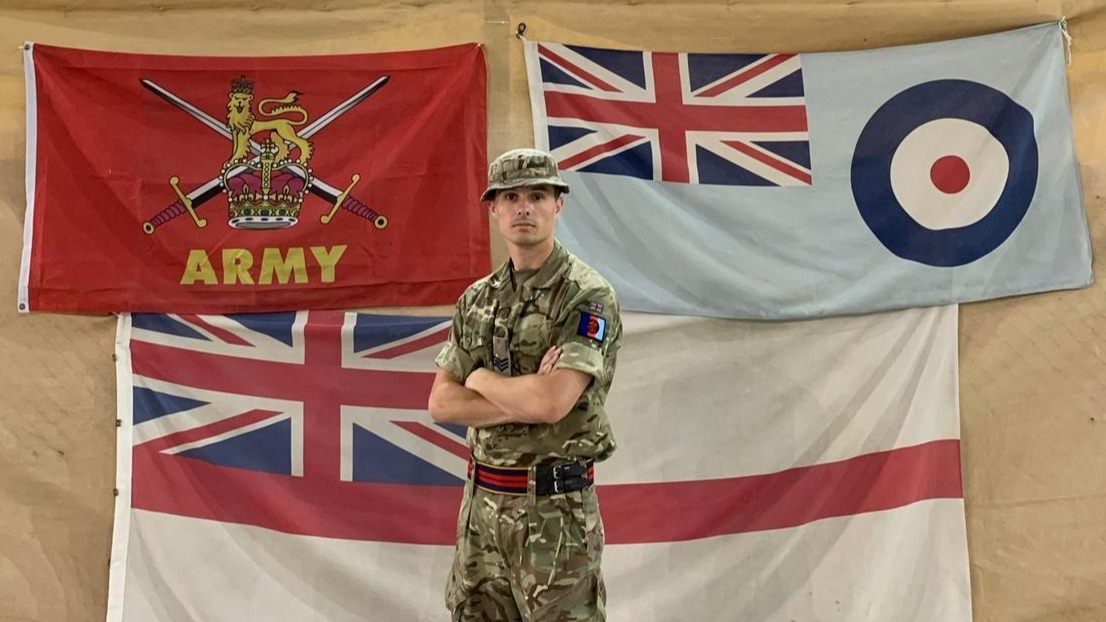
He was able to develop skills he'd already acquired during his service such as leadership, being comfortable with large crowds and a focus on keeping fit that he has brought into his civilian life
But also, as he jokingly says: "I think... people do the PTI course because it gets you off a lot of the s*** jobs."
Seven clicks to freedom
After 11 years of service, Mr Barrett decided he was up for a new challenge.
By 26, he had reached the goal he'd set for himself by becoming a sergeant and, inspired by his childhood friend's success in civilian careers, wondered if he should stay and continue to work his way up the ranks or focus on achieving a new goal on civvy street.
His final tour took place during the height of the Covid restrictions, meaning that during his first seven weeks, he isolated for five of them.
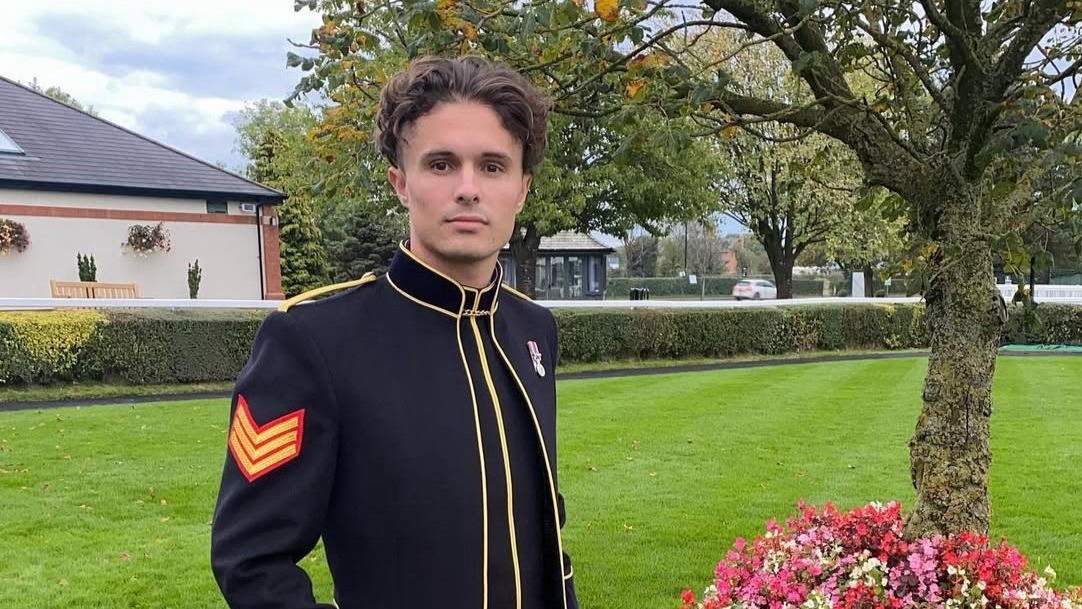
He said: "I actually signed off and hit the seven clicks on the JPA when I was in Bahrain.
"That was when I was like, I'm not doing this anymore. After this tour, I think I've figured it out. I want to leave."
He spent the next 12 months – the average time between officially confirming you want to leave the Armed Forces and your last day – on tour and then on leave during which time he says he didn't take advantage of the Career Transition Partnership resettlement package which, in hindsight, he considers to be "silly" and "very lazy" of him.
But, he says, he already had a clear idea of what he wanted to do, had a great network of civilian friends plus a willingness to start from the bottom and learn a new trade.
However, he knew it was a gamble to go from a very secure and rewarding career with the British Army, but weighing the pros and cons felt strongly it was the right choice.
He said: "You have to take these gambles if you feel like it's right and it's the right time to go, you should trust your gut."
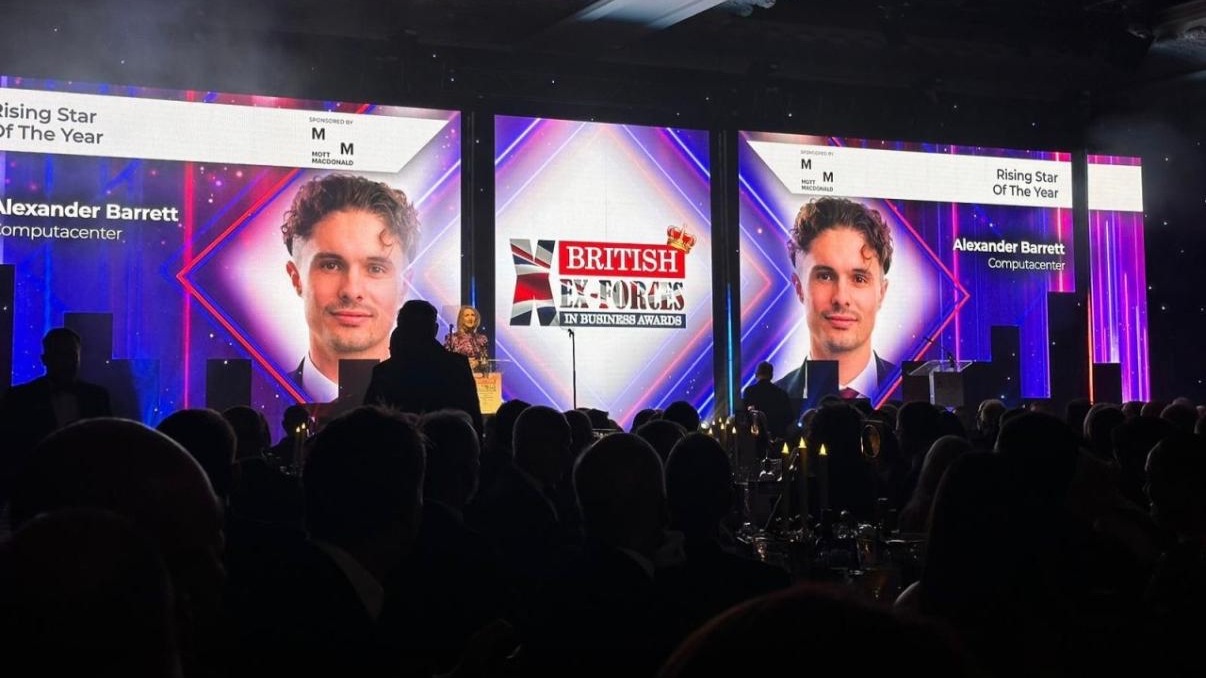
Lean on your support network
He recognises that he didn't do this in a vacuum.
Knowing the power of a strong network of people who will encourage and offer advice, he reached out to friends – both civilian and military – something he recommends those who wish to leave the Armed Forces do as soon as possible.
He said: "It was very important that I had that network, which a lot of people don't have in the military, and I think that's where... they'll struggle because I had a really good network outside the military.
"And if people don't, then I would recommend that they try and get a network outside the military because you meet so many people."
As the old saying goes, it's not what you know but who you know.
Net Social
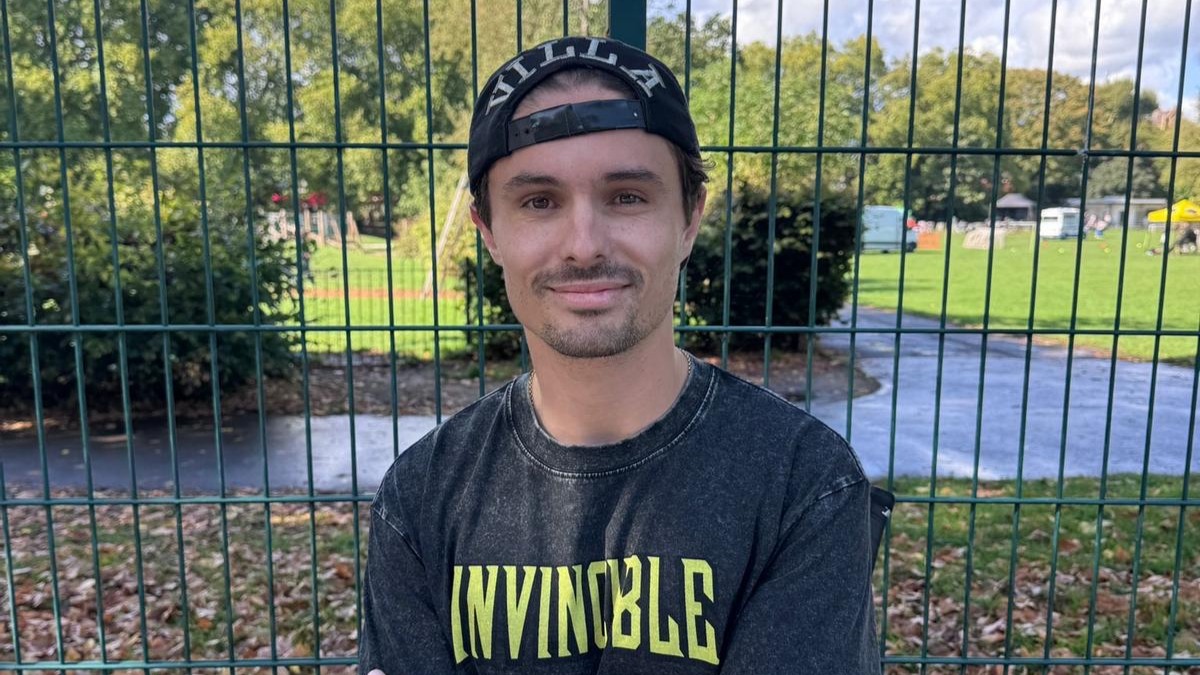
One way he has continued to expand his network is by joining Net Social, a tennis community founded by Monique Pace and Nadia Ionescu-Blower in 2024, which helped him get back to what he loved before joining the military.
As a child, Mr Barrett played tennis for nine years, but while he was a soldier only managed to play one match.
Joining Net Socials and quickly volunteering to run some of the sessions has given the veteran the same feeling he had when he was a PTI.
Like many veterans, he misses elements of his military career, so finding Net Socials has helped to fill that gap in his life.
He said: "I kind of missed that whole element of being an instructor.
"It's dealing with civilians now and not soldiers, so it's completely different, but the format is very similar."
Top tips for success on civvy street
Mr Barrett has some simple advice sure to help anyone thinking of leaving the service start on the right foot.
- Networking is crucial – "LinkedIn is very good for that. I've connected with a lot of my old Army pals that are now looking for civilian jobs."
- Look the part – "If I'm going for an interview, I always wear a suit and tie. I will show up and keep that standard for myself."
- Be prepared – "A notebook and pen is always in my bag. I've always got the kit with me."
- Time keeping – "Five minutes before, the Army drills into everyone, right? If you're not five minutes before, you're late. I still have that."
Related topics
Join Our Newsletter