
MPs vote to lift the ban on future Troubles-era claims as legacy law overhaul continues
MPs have backed a Government move to remove the Legacy Act's conditional immunity scheme and lift the ban on future civil claims linked to the Troubles, after courts found parts of the 2023 law incompatible with human rights obligations.
The Commons approved a Government remedial order by 373 votes to 106, stripping out the 2023 Act's conditional immunity provisions and removing the bar on new civil claims.
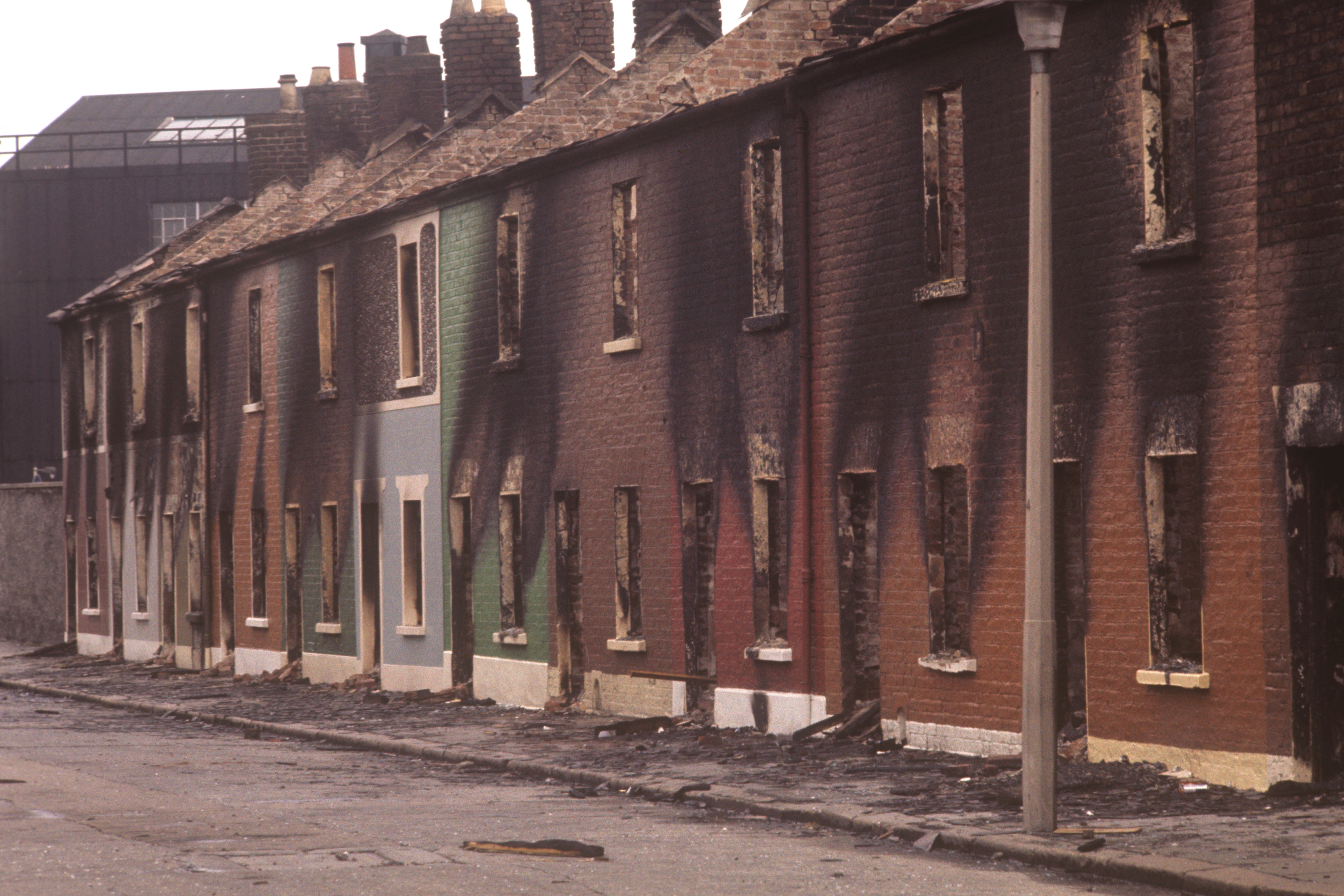
The legislation, which was introduced under the Conservatives, imposed a ban on inquests and civil actions related to the Troubles, while offering conditional amnesties for those accused of crimes during the conflict.
Northern Ireland Secretary Hilary Benn told MPs the 2023 Act had "fundamentally failed" because it was incompatible with the UK's human rights obligations.
He said: "One of the main reasons for the failure of the Legacy Act was its attempt to grant immunity, including to terrorists who murdered in cold blood soldiers and civilians in Northern Ireland and in towns and cities across England.
"Now, it probably, in fairness, seemed reassuring to veterans, it was almost certainly reassuring to terrorists who had committed those acts.
"But it was a false promise, and it protected no one."
He added: "The Government is clear that these repeals need to happen as quickly as possible.
"Why? Because we need to provide clarity on immunity to build trust amongst victims, survivors and indeed veterans in the independent commission.
"Because while immunity remains on the statute book, it will be harder for them to obtain the confidence of some victims and survivors."
Shadow Northern Ireland Secretary Alex Burghart argued the remedial order was a "continuation of the Troubles by other means" and said it was time to draw a line under the past.
Democratic Unionist Party leader Gavin Robinson said: "I believe he is bringing this remedial order in wrongly. I think he is attaching to these issues a level of undue haste."
He also raised budget concerns, asking where additional funding would come from if more Troubles-era civil actions resume.
Timeline: the past three years of legislative change
2023: The Northern Ireland Troubles (Legacy and Reconciliation) Act received Royal Assent, introducing a new legacy framework and a conditional immunity scheme tied to cooperation with a truth recovery process.
2024: The High Court in Belfast ruled parts of the Act were incompatible with the European Convention on Human Rights. The then-Conservative government began the process of appealing the decision, but Labour ministers dropped the appeal after the 2024 general election.
2026: MPs voted to remove the conditional immunity measure and lift the bar on future civil claims through a remedial order, which now needs approval in the House of Lords.

What happens next?
The remedial order must also be approved by the House of Lords before the legal changes take effect.
Labour is progressing a wider legacy bill through Parliament to repeal and replace the 2023 Act.
This will include the creation of a new legacy commission out of the Independent Commission for Reconciliation and Information Recovery (ICRIR), with independent oversight, alongside a package of protections for veterans.
Related topics
Join Our Newsletter