Arnhem: 82 years since Monty's ambitious operation that went a bridge too far
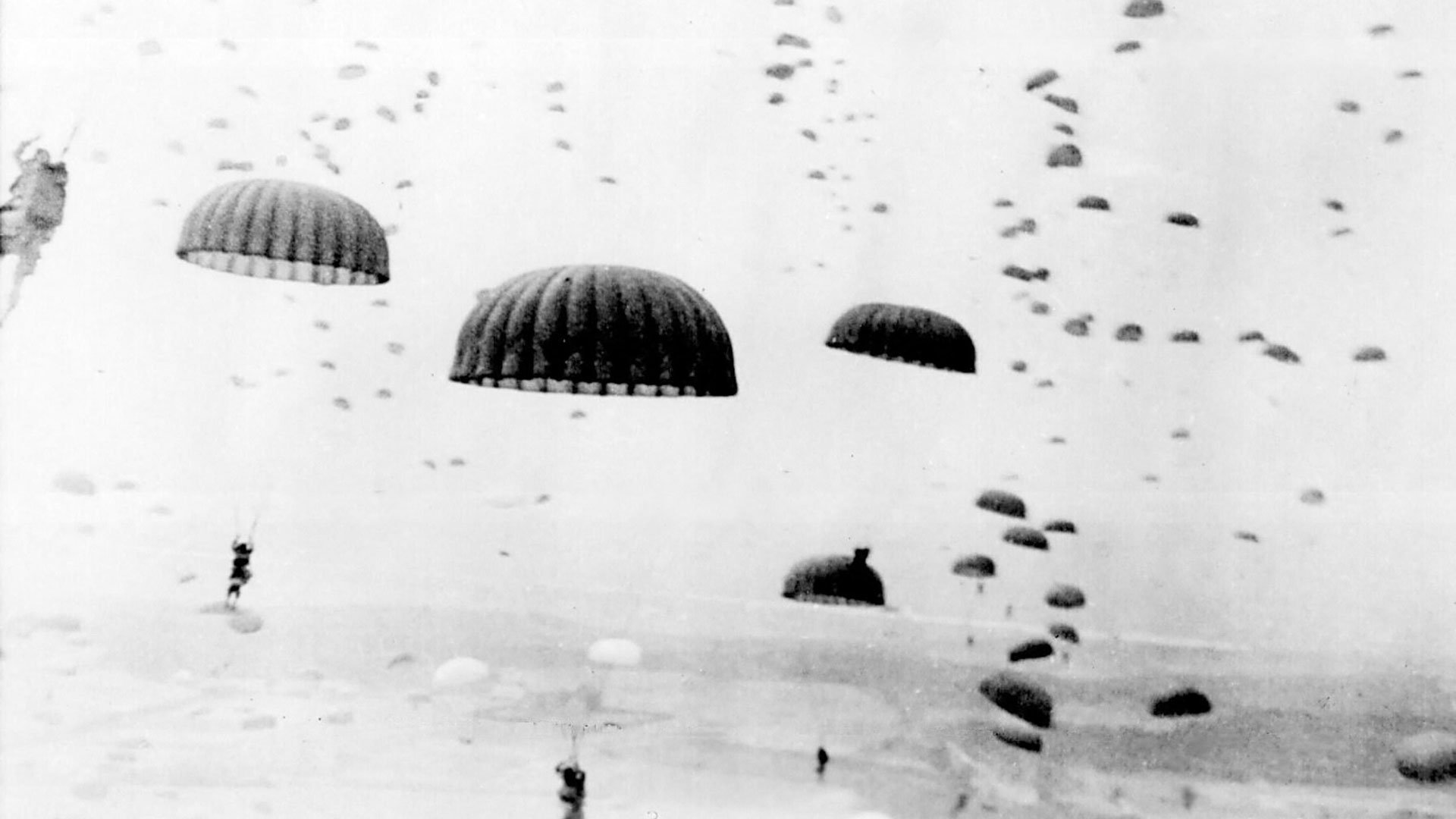
On 17 September 1944, the Allied airborne assault in the Netherlands began as part of Operation Market Garden - ending in an attempt to capture the bridge at Arnhem.
The objective was to secure the bridge over the Rhine ahead of an Allied invasion of Germany, but after a battle lasting until 27 September, the attempt failed.
Today marks the 82nd anniversary of one of the largest airborne operations in history, one which could have changed the entire outlook of the Second World War.
- Black Tuesday: Al Murray delves into the pivotal day during Op Market Garden
- Battle of Arnhem: The airborne operation that really was a bridge too far
- A beret too far? Did famous drop zone scene in A Bridge Too Far actually happen?
The scheme was the brainchild of Field Marshal Bernard Montgomery, hatched shortly after his success in the D-Day Landings.
The concept was one of a narrow thrust punching deep through the German lines.
It was to be a two-pronged approach, with the elements "Market" and "Garden" dealing with airborne and land advances respectively.
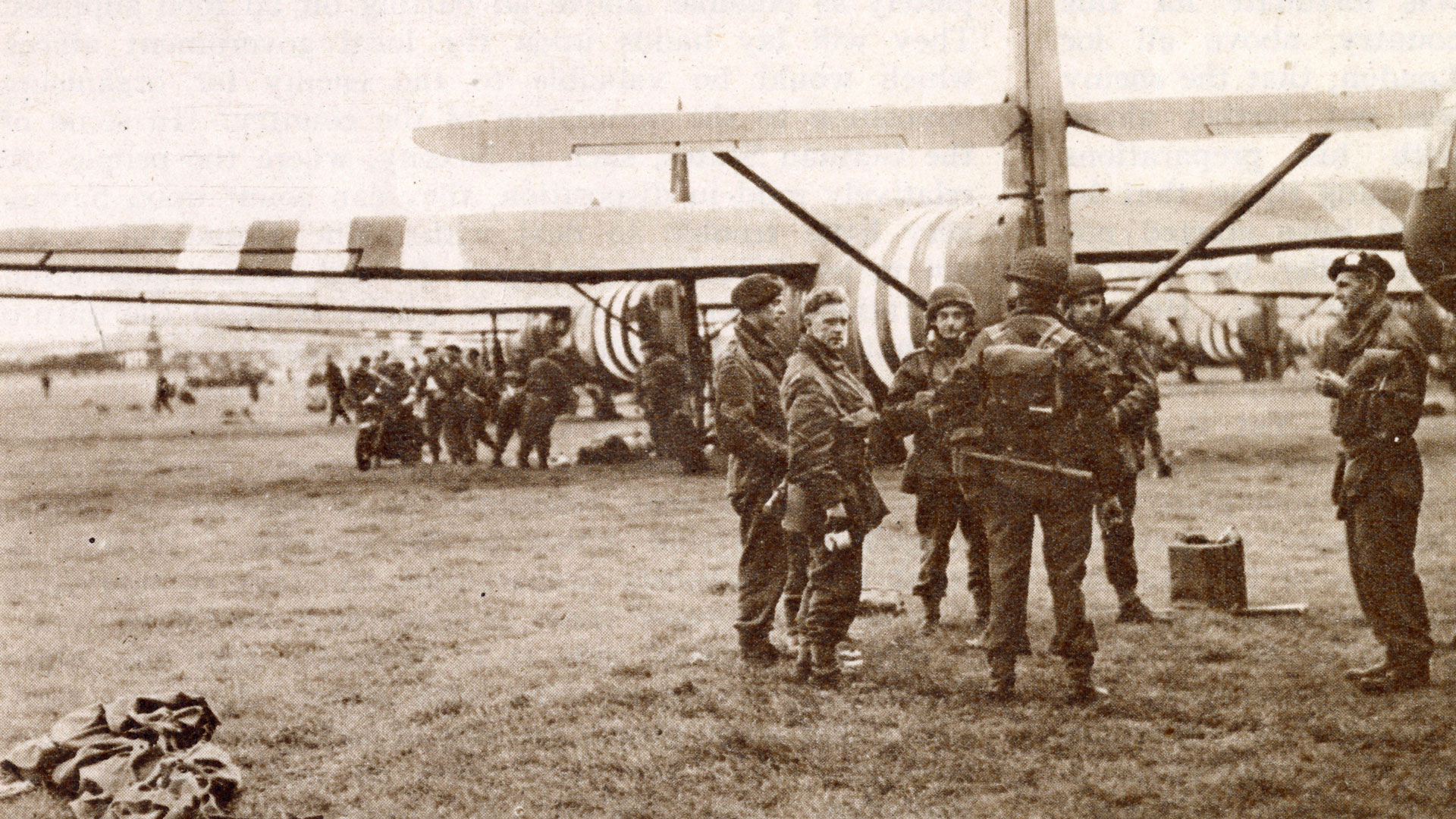
As part of Market, 30,000 British and American troops of the First Allied Airborne Army were brought in behind enemy lines, variously transported by glider and dropped by parachute, to seize strategic bridges in the Netherlands under Nazi occupation.
The main bridges were at Eindhoven, Nijmegen and Arnhem.
The aim was to allow land forces to then move over the bridges and create an invasion route into northern Germany, a pincer movement around the Ruhr industrial area – a critical centre of Nazi war production.
Among the land forces, troops of General Horrocks' XXX Corps would begin on the start line at the Dutch-Belgian border and advance across the captured bridges – linking up with the Airborne and finally meeting in Arnhem.
In doing so, it was hoped the advance would help to bring about an end to the war by late 1944.
The reality of Operation Market Garden proved somewhat different.
It began well enough.
On 17 September 1944, 1,500 British and American aircraft and 500 gliders flew over enemy lines.
By just after 1400 hours, some 20,000 combat troops, 511 vehicles, 330 artillery pieces and 590 tons of equipment had been safely landed.
But then, as XXX Corps approached, the first nine tanks were quickly picked off and the Germans were able to organise defences against the closer airborne troops.
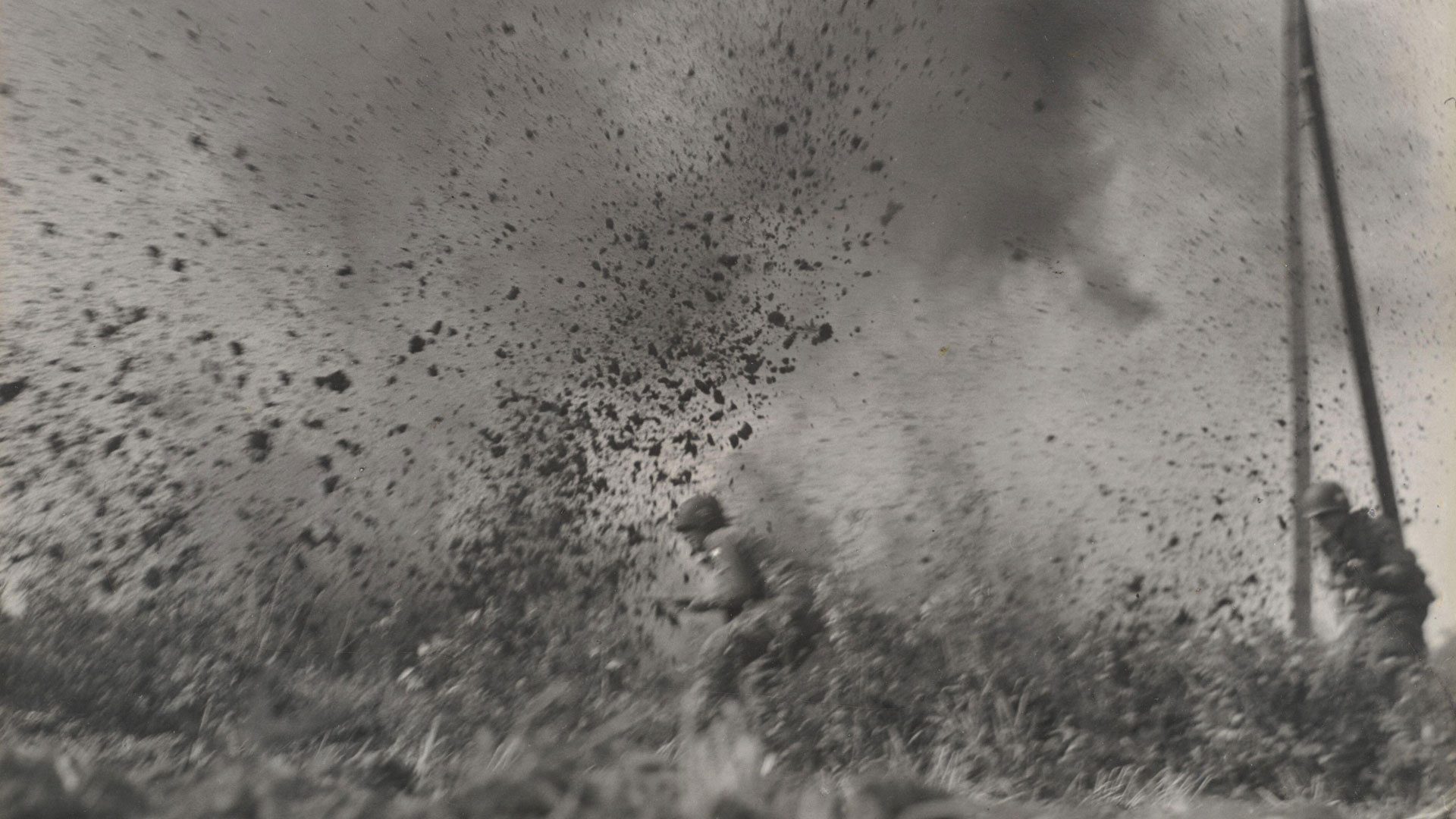
Some Dutch cities were liberated, including Eindhoven, however the operation was halted at the River Rhine and ultimately failed to meet its main objective.
Some of the problems included a shortage of transport aircraft and poor weather, which made it impossible to land all the troops on the same day and also made re-supply more difficult.
Airborne troops at Arnhem were dropped far from their target as these were the only practical drop zones available.
One end of the bridge was held by 2nd Parachute Battalion and supporting troops - until they could hold out no more.
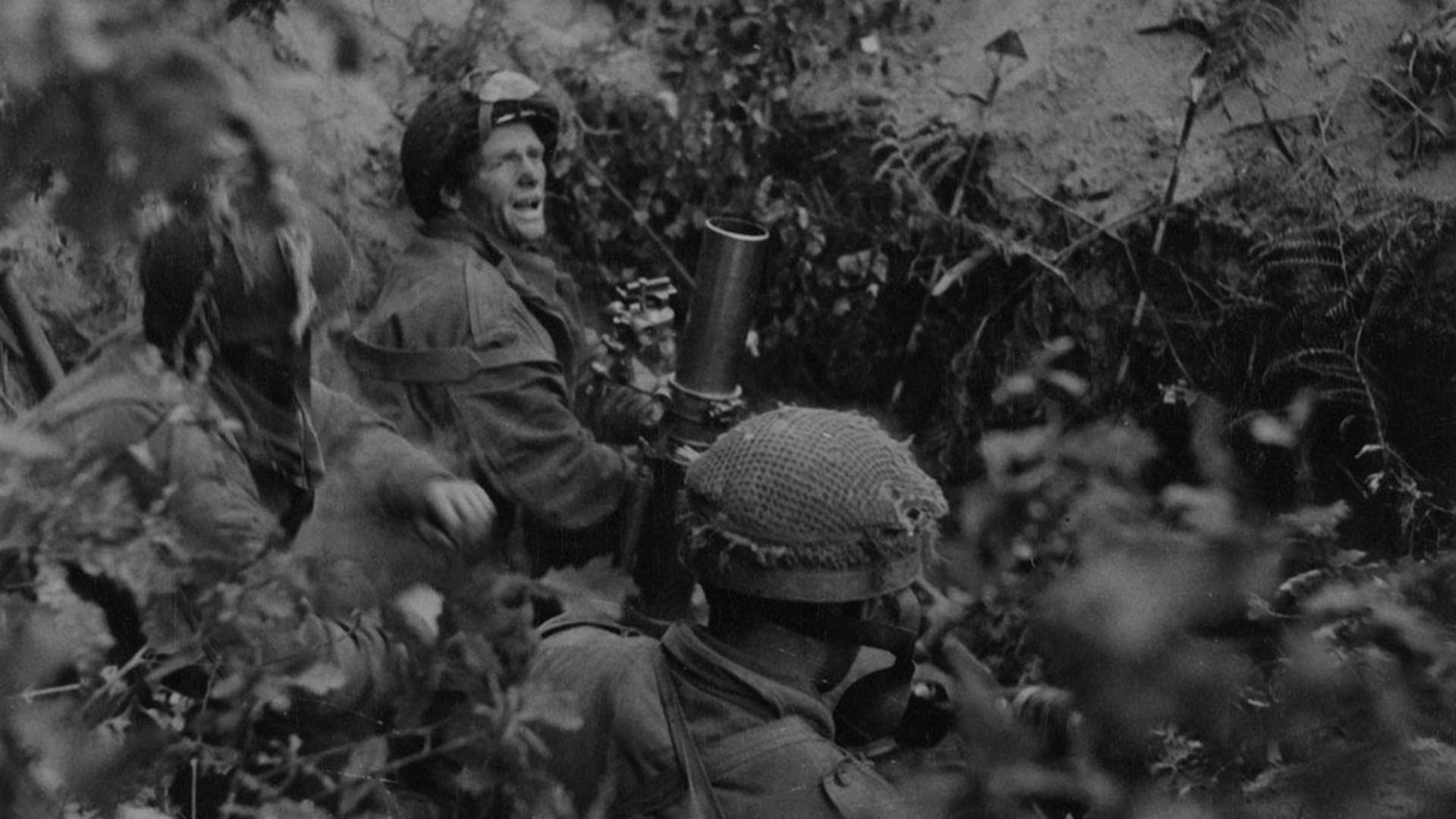
Despite desperate attempts, the rest of 1st Airborne Division could not reach them and they were pushed into a perimeter around the suburb of Oosterbeek until evacuation.
More than 12,000 men had been dropped on Arnhem, but only about 2,000 made it back across the Rhine.
The ground advance initially did well as XXX Corps battled through Eindhoven, but stalled at the Son Bridge and later Nijmegen Bridge, as American Airborne forces had failed to take these according to schedule.
While Nijmegen was later captured in a daring river assault by US Airborne troops supported by the Guards Armoured Division, the "Driel Dash" took XXX Corps to the Lower Rhine, Arnhem itself remained elusive and Market Garden ended in stalemate with 17,000 casualties.
Join Our Newsletter