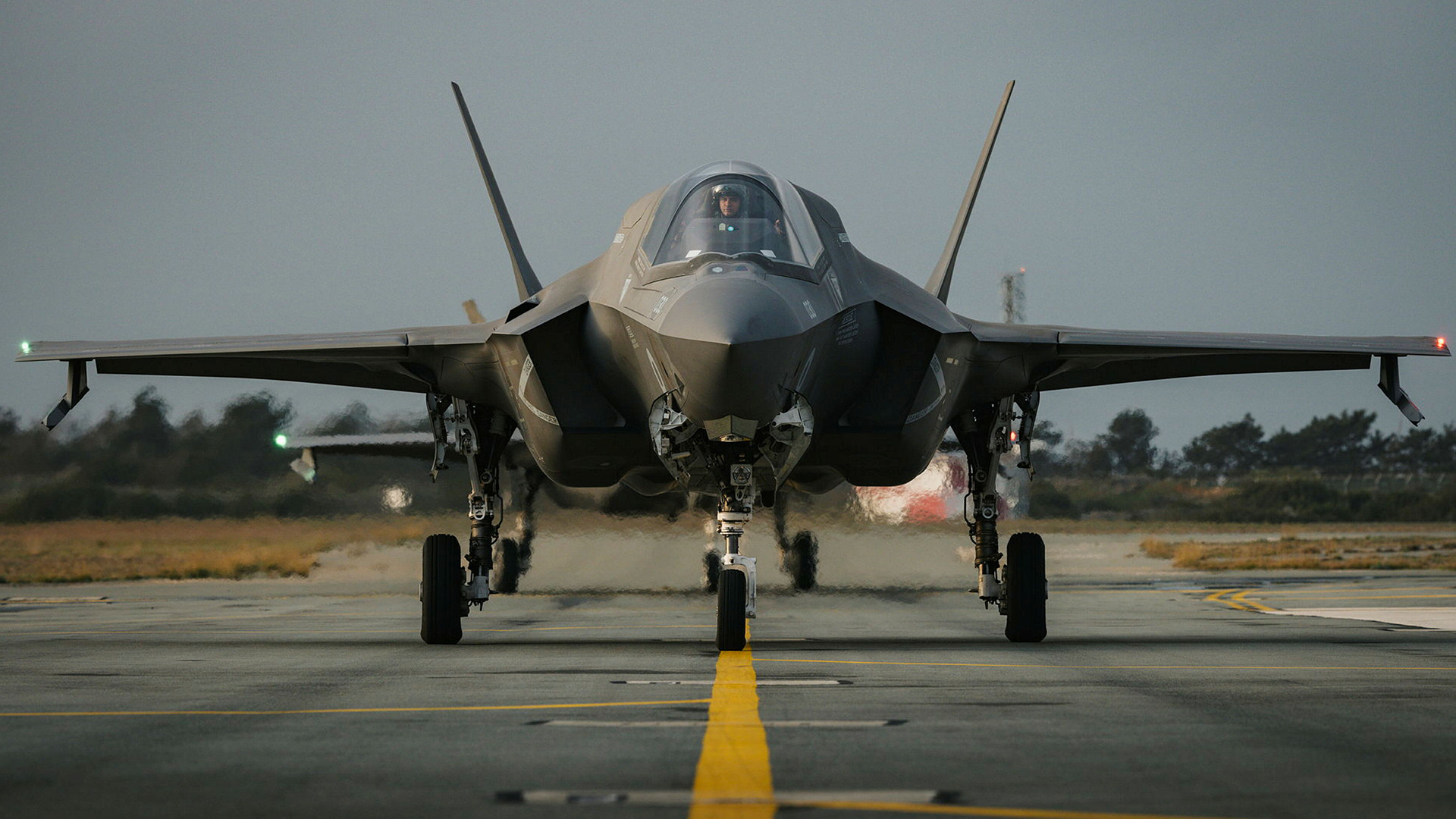
Last week, an F-35 pilot achieved the UK's first combat shoot-down of drones, successfully intercepting and destroying two during an operation over Jordan.
It came just days after the hangar at RAF Akrotiri was struck by a kamikaze drone believed to be from either Iran or its Lebanese proxy, Hezbollah and as the US-Israeli offensive under Operation Epic Fury continues to gain momentum.
An incredible feat, and one worthy for the history books. But such is the nature of 617 Squadron, comprised of both RAF and Royal Navy pilots, who have a long and distinguished history dating back to the Second World War.
BFBS Forces News takes a deeper look at the squadron, or as they are more famously known: The Dambusters.
After me, the flood
Formed at RAF Scampton in 1943, the unit was first established with a single purpose: to carry out Operation Chastise, better known as the Dambusters Raid.
The squadron, led under the command of 24-year-old Wing Commander Guy Gibson – who Winston Churchill would later describe as "one of the most splendid of all our fighting men" – launched daring night raids on the dams nestled within the heart of Germany's industrial district.
The Möhne, Eder, and Sorpe dams were key Allied targets because they supplied water and hydroelectric power to the Ruhr's industrial region. Destroying them would disrupt German industry, infrastructure, and transport networks that directly supported the Nazi war effort.
But these dams were fortified, with reinforced concrete structures protected by underwater torpedo nets, making standard aerial bombing or torpedo attacks useless.
An audacious plan demanded an equally audacious way of thinking.
Enter the bouncing bomb. Designed by Sir Barnes Neville Wallis, the 4,200kg munition was engineered to skip across the surface of the water, leap over the torpedo nets and strike the dam wall directly.
One hundred and thirty-three aircrew in 19 Lancasters took off in three waves to bomb the dams, unleashing massive floods that swept through the valleys below, leaving devastation in their wake.
It was this daring raid, and in honour of those affectionately known as the Dambusters, that led to the adoption of the 617 squadron's name and insignia.
The squadron badge depicts a bursting dam alongside the motto "Après moi, le déluge," translated as "After me, the flood" – a double entendre referencing the phrase attributed to Madame de Pompadour after France's defeat at the Battle of Rossbach during the Seven Years' War.
Wing Commander Gibson would later become a recipient of the Victoria Cross for his involvement in the raid.
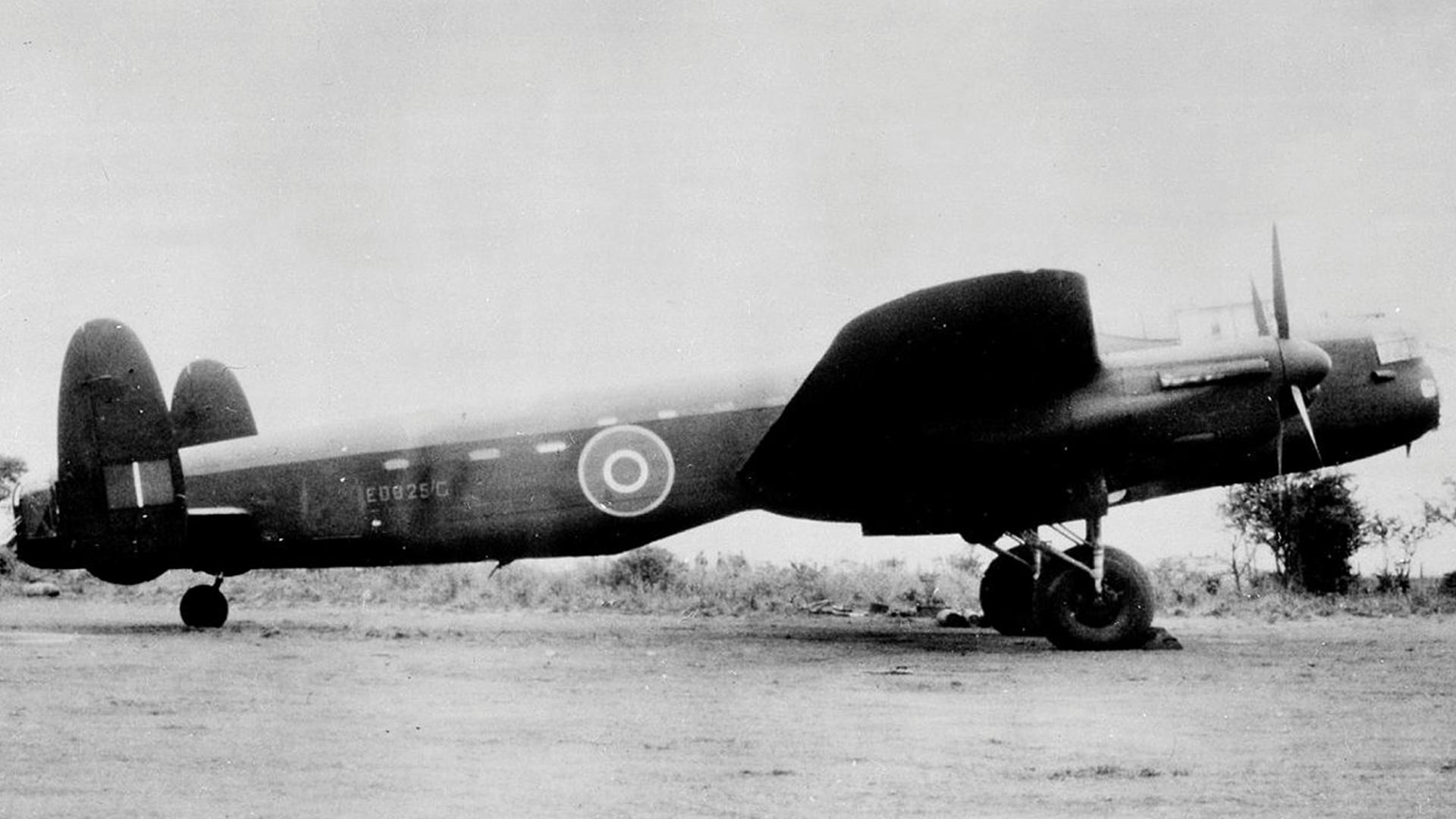
A year later, in 1944, and now flying out of RAF Woodhall Spa, 617 Squadron began dropping the 12,000lb Tallboy and, later, 22,000lb Grand Slam bombs in the latter stages of the Second World War on heavily fortified German targets.
In November, an air raid under the name Operation Catechism was conducted near Tromsø, Norway.
The target? The German battleship Tirpitz, known as the Lonely Queen of the North. Heavily protected by anti-aircraft batteries, submarine nets, and artificial smoke screens, it had survived more than a dozen Allied attacks and was a persistent threat to Arctic Convoys.
Sir Wallis' ingenuity would manifest itself once again. The Tallboy earthquake bomb, designed to penetrate thick concrete before detonating underground, created massive shock waves that weakened target foundations.
The attack used 32 Lancaster bombers from the elite 9 and 617 squadrons, which unleashed these bombs. Two were direct hits, and the Tirpitz capsized in minutes.
The success allowed the British Home Fleet to reassign resources to the Pacific theatre.
Home to new age of stealth fighters
In the decades that followed, active combat saw them fly missions over Malaya during the Malayan Emergency, deployed to the Gulf during the campaign to liberate Kuwait from Iraqi invasion in 1991, and to Afghanistan under Op Herrick.
Disbanded in 2014, it was re-formed in 2016, in preparation to become the UK's first frontline Lockheed Martin F-35B Lightning unit, with 809 Naval Air Squadron standing up in 2023 as the second frontline unit.
In 2018, four of these supersonic stealth strike fighters landed at RAF Marham, their new home, after flying non-stop across the Atlantic from the US Marine Corps Air Station in Beaufort, South Carolina, with the support of air-to-air refuelling.
Just a year later, these fifth-generation fighters were put through their paces, deploying to RAF Akotiri for Operation Shader sorties and subsequent training alongside Israeli and Italian F-35s.
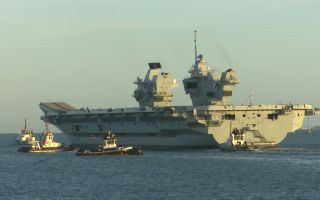
They later embarked operationally aboard HMS Queen Elizabeth for the first time in 2021, alongside US Marine Corps F-35Bs, in preparation for the ship's deployment as part of the Carrier Strike Group.
History made
And the historic firsts don't just apply to their aircraft.
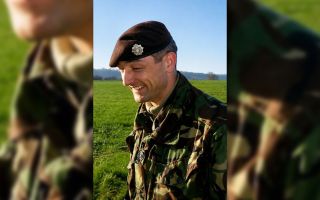
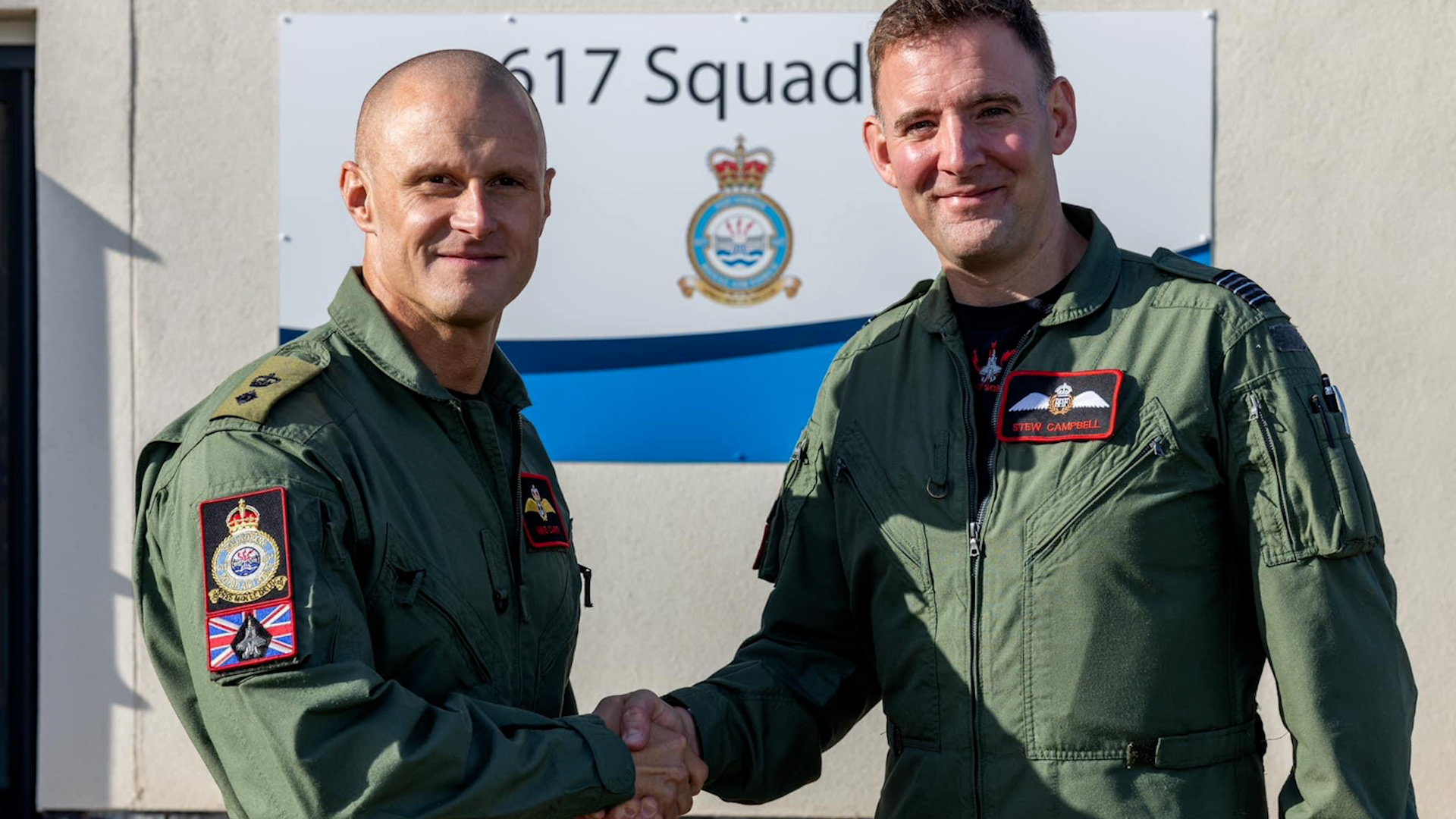
In 2024, British military aviation history was made when Lieutenant Colonel Mike Carty became the first Royal Marine to take command of a fast jet squadron.
After duties as a conventional commando at the beginning of his Royal Marine career, Lt Col Carty was selected for flying training and, a few years later, was flying Harrier GR9s from the decks of HMS Illustrious and Ark Royal.
For good measure, he also mastered the US Marine Corps' version of the jump jet, flew with Marine Fighter Attack Squadron 211 and was awarded the US Navy Air Medal when deployed on Operation Inherent Resolve – the US-led coalition in Iraq and Syria to combat the Islamic State of Iraq and Syria (ISIS).
More recently, F-35s scrambled at a moment's notice in response to a drone strike at RAF Akrotiri – a familiar sense of intensity for Lt Col Carty, who has flown on previous operations in Afghanistan, Iraq and Syria.
"For us it moved at pace," he said. "I briefed the squadron… on a Monday morning. By Thursday evening, they were on coaches heading to RAF Brize Norton."
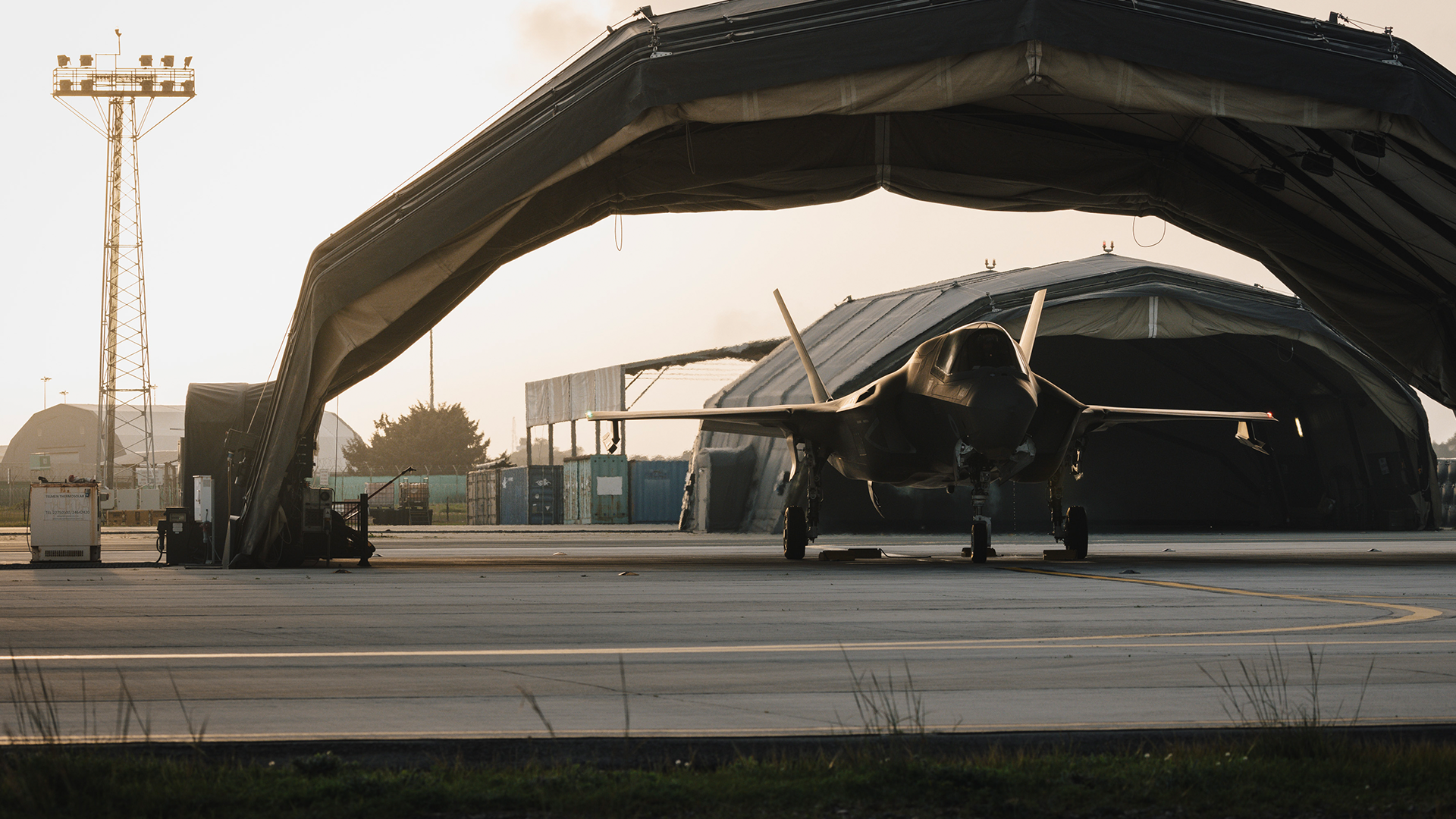
Now operating routinely from RAF Akrotiri, the squadron is flying regular defensive counter-air patrols alongside RAF Typhoons and allied nations, maintaining readiness to respond to emerging threats. So far, the unit has flown more than 220 hours on the deployment.
For the personnel of 617 Squadron, carrying decades of distinguished history, the ethos remains clear.
"The Combat Air Force delivers a highly agile, survivable and lethal capability that can respond rapidly at home or overseas. We are carrying out a vital role here at RAF Akrotiri to protect UK personnel and our regional partners," Lt Col Carty said.
"This is what we joined to do – and we're proving that F-35B and the wider Combat Air Force are fundamental to UK defence."
Join Our Newsletter