How Can Irwin Mitchell Help You With Noise-Induced Hearing Loss?
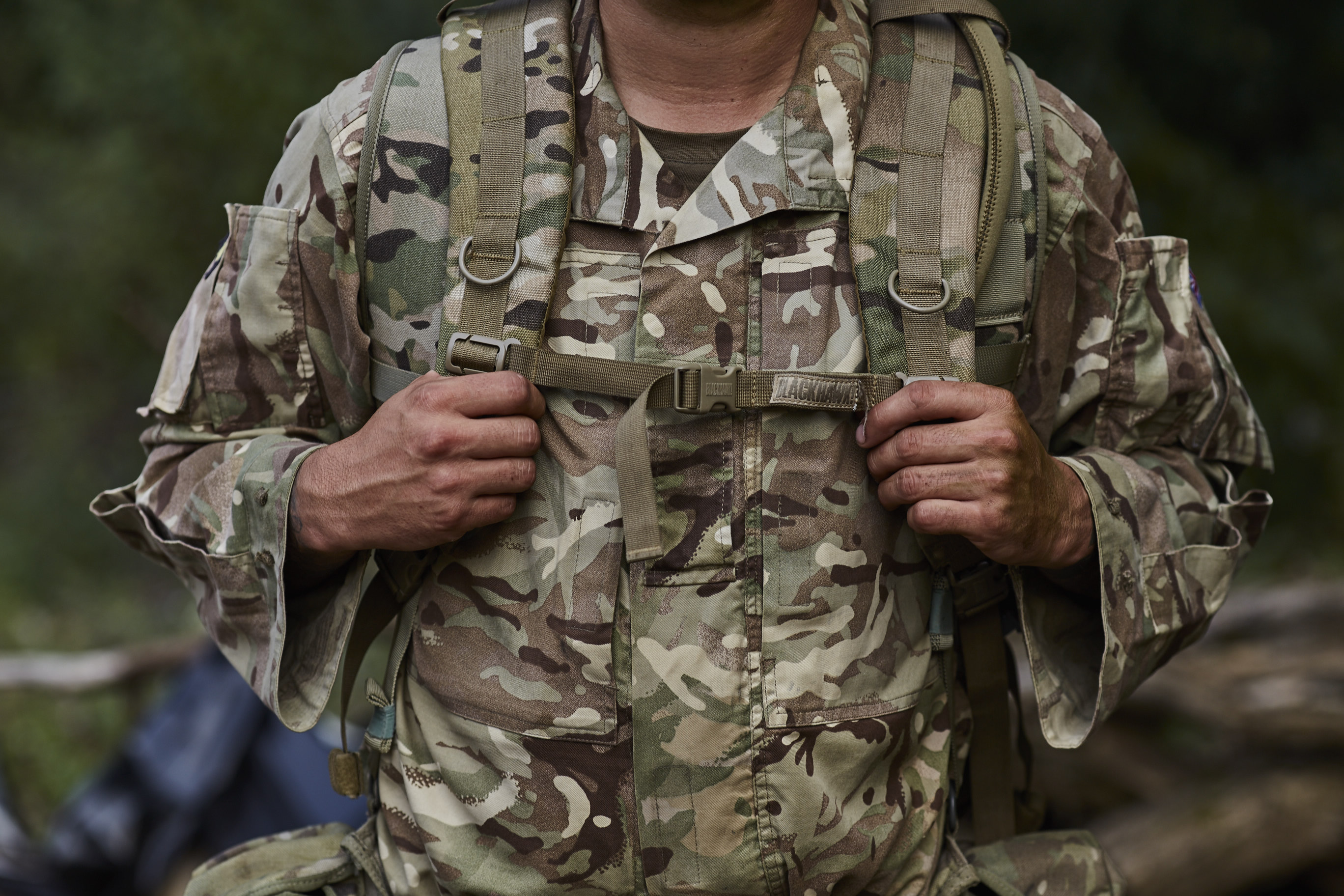
Serving in the Armed Forces could sometimes mean working in noisy environments and loud noise can be known to cause permanent damage to hearing.
This could especially be the case if safety equipment, that can offer protections against noise damage, was not being worn in moments when they are exposed to particularly loud sounds.
Noise-Induced Hearing Loss (NIHL) affects many people who have worked in a noisy environment without the right hearing protection or training from their employer - a consideration that does not only apply to industrial, commercial sectors.
Caring For Their Clients
Irwin Mitchell is a law firm that offers legal and wealth management services.
Established in Sheffield in 1912, the legal and financial advisors have a dedicated military injury team.
Carol Purang is a Senior Associate in that team and specialises in noise-induced hearing loss, plus bullying and harassment claims.
The clients Irwin Mitchell acts for and their circumstances are all unique, reflecting the varied roles that employment in the Armed Forces brings.
They are frequently instructed by serving personal and veterans who may have been exposed to hazardous and damaging levels of noise in various roles.
The Military of Defence (MOD) spends significant sums of money providing personal protective equipment but if a serviceman or woman does suffer damage to their hearing, if for instance, a procedure was not correctly followed, the result could be devastating and possibly mean a lost career in the Armed Forces.
Ben’s Story
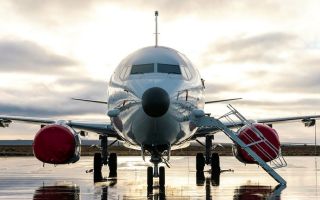
One person Carol has helped is Ben, a fast jet pilot. Ben was working for a third-party aerospace company flying fast jets overseas.
As a result of technical issues in the cockpit, he now suffers from sustained noise-induced hearing loss, tinnitus and hyperacusis – an increased sensitivity to noise.
Prior to flying fast jets, Ben had flown in the Royal Air Force for 16 years before being seconded abroad. He was chosen as one of a select few to introduce a new type of specialised aircraft but unfortunately, all did not go as planned and he suffered lasting damage to his hearing.
After Ben’s first flight in the aircraft, he found that he was experiencing ringing in his ears.
During the next flight, he noticed an excessively loud screeching noise in the cockpit of the aircraft which varied depending on the speed and altitude of the aircraft. As a result, Ben opted to wear ear plugs for his subsequent flights.
However, he noticed that, when wearing these ear plugs, he found it difficult to hear important pieces of information, such as flight warnings, air traffic instructions and communication from others in the aircraft.
He also found that his ears continued to ring after flights, even when he wore ear plugs. At this stage, Ben formally raised the issue with his employer having already repeatedly discussing his concerns.

Ben was instructed to continue flying the aircraft, with noise reduction technology fitted to his helmet. This technology was installed after another pilot had formally complained about the noise. Over the following weeks and months, it seemed increasingly clear that the noise level within the aircraft cockpit was excessive despite the safety equipment.
During this period, the ringing in Ben’s ears worsened and, while he sought medical advice, he continued flying the aircraft. It was not until Ben was sent back to the UK in order to obtain advice from a specialist, that he was told he was showing early signs of excessive noise exposure. At a subsequent appointment, he was told he should not expose himself to the noise again, but by this point, he had flown the aircraft 44 times.
Ben now suffers from permanent severe tinnitus, hyperacusis and NIHL. This has significantly impacted his quality of life. He finds it affects his social and family life. He also suffers from significant difficulties as a result of his day to day symptoms which are often debilitating.
Ben lost his fast jet flying status in May 2017 as a result of his diagnosis and changed paths to work as a flight simulation instructor, however decided to leave two years later to pursue his passion for flying by piloting civilian planes.
He retrained as a commercial airline pilot using his own funds in order to mitigate his losses, given the reduction in salary this meant. However, following the devastating effect of the pandemic on the airline industry, Ben is no longer working so is enjoying more time with his wife and family.
Irwin Mitchell is proud to have supported Ben after the service he has given to his country. In January 2020 his former employer admitted liability for the permanent hearing loss he continues to live with. Ben is thankful he now has the answers he longed for and can use the funds secured to support himself and his family following the loss of his career.
Supporting Serving Personnel And Veterans With NIHL
By supporting those with NIHL, Irwin Mitchell helps many serving and ex-service personal who experience noise-induced hearing loss arising from everything from weapons fire to machinery and aircraft.
Irwin Mitchell recommends contacting a solicitor specialising in the area as soon as you realise your hearing loss could be linked to your current or former employment with the MOD as there are strict time limits for bringing claims in the civil courts of three years.
In certain situations, a claim under the Armed Forces Compensation Scheme (AFCS) - which compensates for any injury, illness or death which was caused by service on or after April 6, 2005 - is the best option if no negligence can be established, or where the three-year statutory limitation period has expired. However, a claim through the civil courts is more likely to result in significantly higher awards of damages, especially for noise claims, due to the courts taking account of financial losses and heads of damage that are not provided for under the AFCS.
Many of those who instruct Irwin Mitchell perceive their injury to be a minor one. However, it often transpires that it is significant enough to result in a medical downgrade and often, can ultimately result in a medical discharge. Of course, this does not replace your lost military career but hopefully goes some way to helping you rebuild your civilian and personal life, including retraining for an alternative career.
If you think you or a family member has experienced NIHL as a result of serving in the Armed Forces, contact Irwin Mitchell’s Military Injury team to find out more.
0370 1500 100
Or Irwin Mitchell can call you back at a time of your choice.
Join Our Newsletter