Army blames Ajax safety incident on armoured vehicle not being operated properly

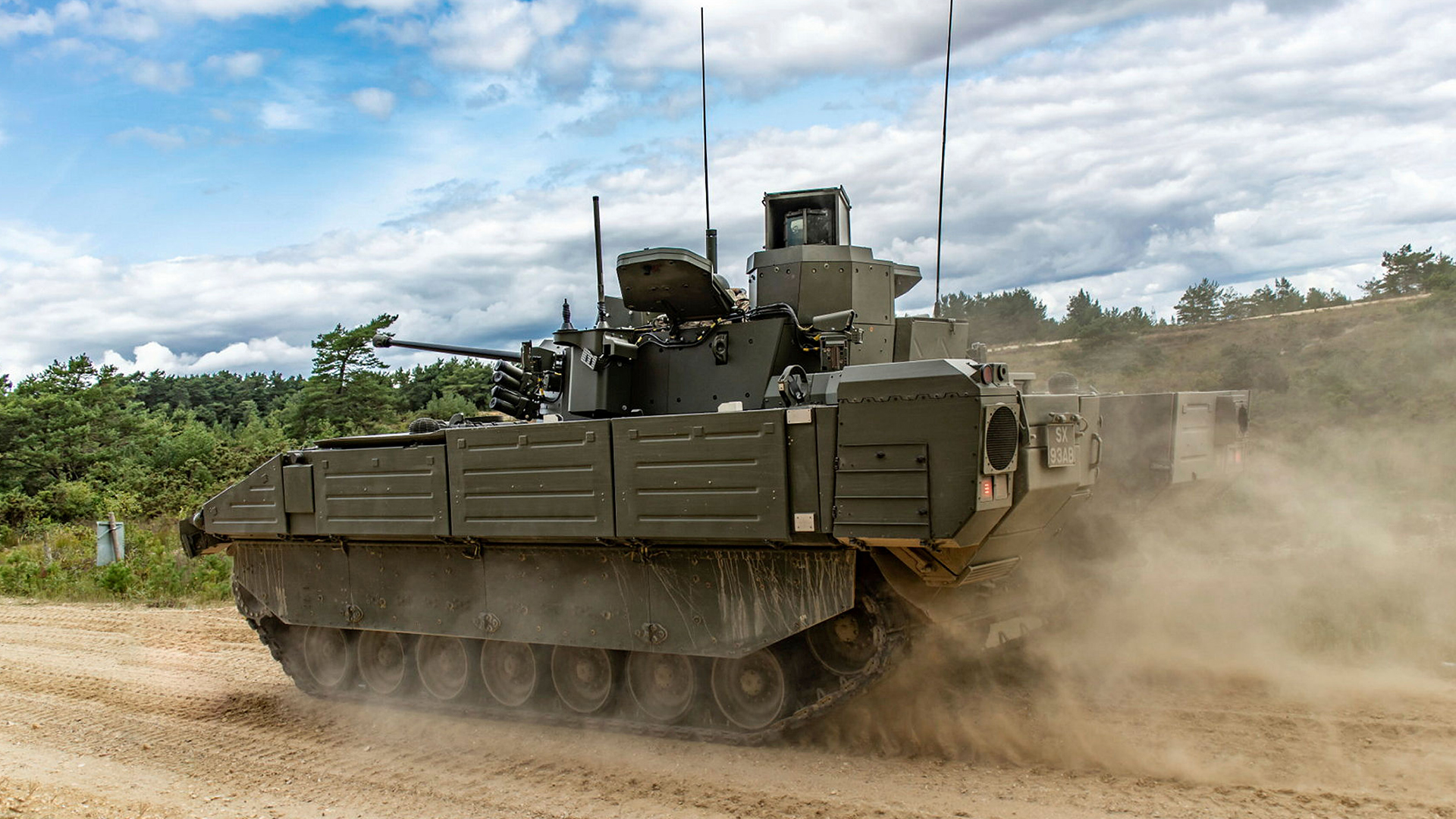
An incident that left more than 30 soldiers ill after operating Ajax was down to the vehicles not being operated or maintained properly, a senior officer has insisted.
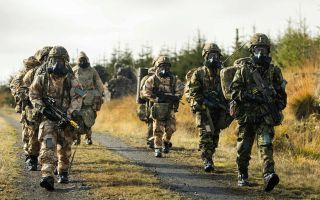
The MOD paused testing of the armoured fighting vehicle amid reports of soldiers vomiting and shaking following training on Exercise Titan Storm last year.
But Lieutenant General Anna-Lee Reilly said the Army's investigation team reported that when Ajax is operated as designed it presents no safety concerns.
A troubled programme
Ajax had originally been due to enter service in 2017, but the £6.3bn programme has been fraught with problems and significant delays.
Several safety investigations are underway after the incident last year.
Lt Gen Reilly, Director Strategic Capability, Engagement and Operations, Defence Equipment & Support, said: "The soldiers had been out on it for a prolonged period of time.
"Clearly, we had a situation where the platform wasn't operated and maintained within the specification it should have been, and that led to the incident.
"We know now, because we've done all of the research, that within that, if it is operated within those standards and within those specifications, it is safe – that's what we are being told by the Army safety investigation team, that's what's been reported.
"What we now need to do is make sure that platform is always operated within that – and in the meantime make sure that we are developing the platform to get to Ajax 2 so we can make these improvements and make a more comfortable ride, back to safety as sacrosanct, but we can also improve the lived experience of our soldiers in the back of that platform."
No wilful ignorance
Lt Gen Reilly was giving evidence to the Public Accounts Committee in Parliament, where Lincoln Jopp, an MP who is a former Army officer, asked her: "So the commanders on the exercise were either ignorant of or chose to ignore the operating parameters of the vehicle?"
She responded: "As you're travelling cross-country, the tension of track and things alter over time.
"It was a very long exercise, and the soldiers were on the platforms for a long period of time, so it wasn't wilful ignorance as you might suggest, but it is part of operating on armour.
"Now that we are aware of that, and we're tracking that, we can get to a position whereby we now know what instructions we can give our soldiers to do. Checks every time they stop the vehicle and that sort of thing."
Get it back in action – or risk skill fade
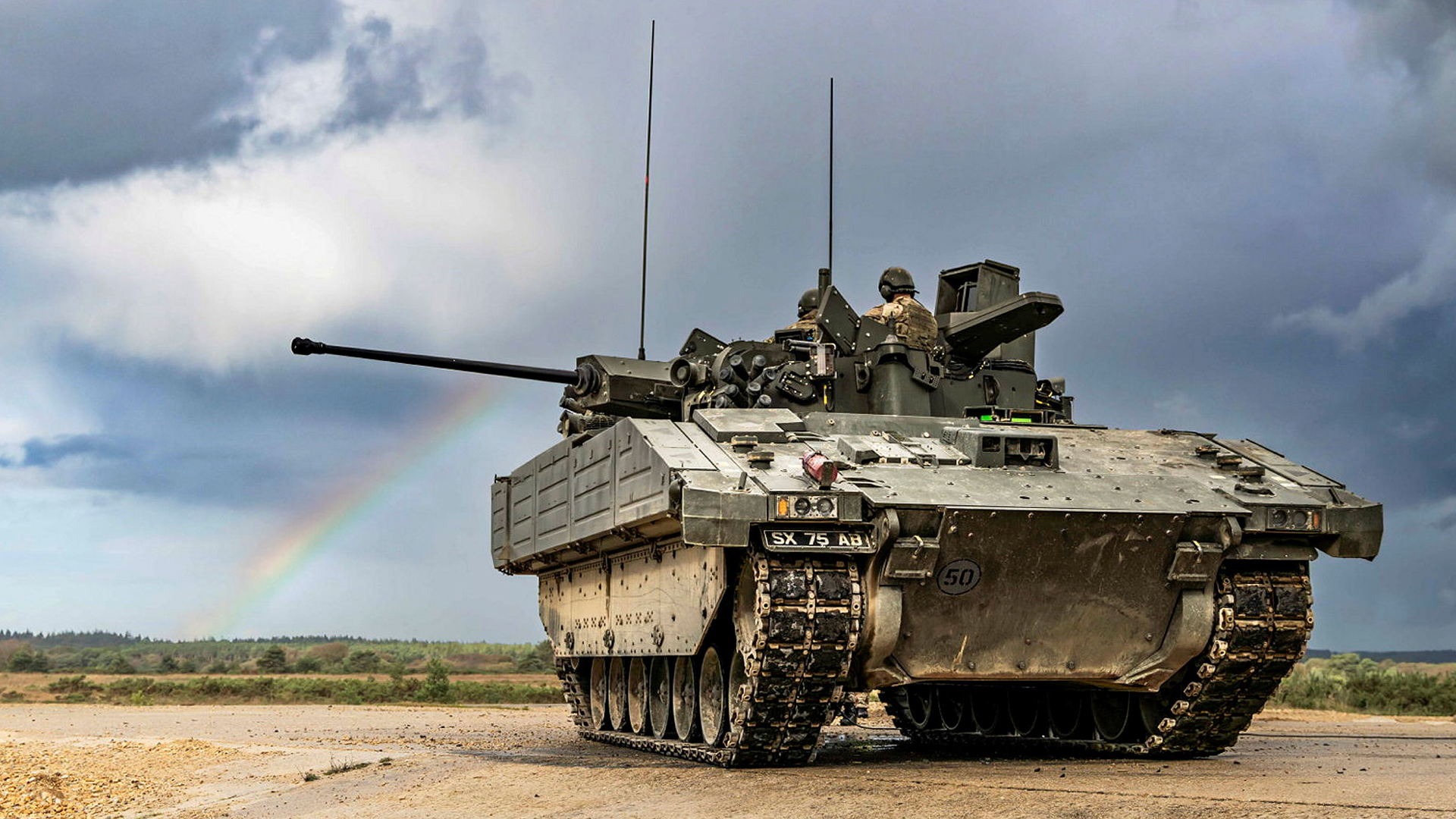
Lt Gen Reilly said she wanted to see soldiers back on Ajax as quickly as possible, because skills like these can be lost.
"We haven't operated like that because of our campaigning years in Iraq and Afghanistan for a really, really long time," she pointed out.
"And these are skills, and that's why we are really keen to get our soldiers back on those platforms as quickly as possible, because they lose the skill set of operating on armour.
"It is a skill set. We need to keep it current, and therefore we need to get them back on the platform as quickly as possible."
The chair of the Public Accounts Committee, Sir Geoffrey Clifton Brown, said: "Well, I've heard those answers. It will be interesting to see whether you are able to overcome the problems or not.
"What we can't afford to do is put any more of our soldiers at risk with hearing and vibration problems."
Related topics
Join Our Newsletter