All you need to know about RLC and how it keeps British Army fighting worldwide
The Royal Logistic Corps (RLC) is the British Army's largest corps, providing the logistical support needed to keep troops supplied, equipped and able to operate around the world.
From moving ammunition and fuel to transporting equipment, running ports and providing specialist support, the RLC plays a vital role in sustaining the Army on operations and exercises.
- Princess Royal presents medal to officer during her visit to Royal Logistic Corps
- A man, a horse and a gun: Why horsepower could give the Army a tactical advantage
- Ten-mile march, seven tests and a fight with a best friend: What it took to pass P Company
What does the RLC do?
The RLC provides a huge range of logistical capabilities to the British Army.
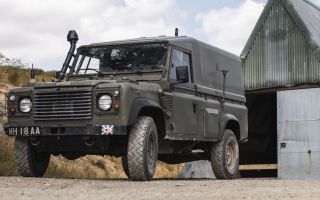
Its personnel are responsible for moving and supplying everything from ammunition, fuel, food and water to vehicles, equipment and spare parts.
The corps operates across land, sea and air and supports the Army both in the UK and overseas. It also works closely with the Navy, RAF, Special Forces, Intelligence Services and other government departments.
More than 40% of the RLC are detached and 'enable' the Army to function wherever they are in the world. Every military exercise or operation will require an element of the RLC whether that is by the provision of food, equipment, logistics or other specialised functions.
The basic principle is simple: getting the right equipment and supplies to the right place at the right time.

When was the RLC formed?
The Royal Logistic Corps, the largest corps in the Army, was formed on 5 April 1993 through the amalgamation of five organisations following the Options for Change review:
- Royal Corps of Transport
- Royal Army Ordnance Corps
- Royal Pioneer Corps
- Army Catering Corps
- Royal Engineers Postal and Courier Service
Although the RLC itself was formed in 1993, its history stretches back much further through its predecessor organisations and their service around the world.
What is the RLC motto?
The RLC motto is "We Sustain", derived from the Army Catering Corps.
It reflects the corps' central role in keeping the Army supplied and operational.
Who is the RLC's Colonel-in-Chief?
The Princess Royal, Princess Anne, is Colonel-in-Chief of the Royal Logistic Corps.
She has maintained a close association with the corps, regularly visiting RLC units and personnel.
In 2026, she visited 13 Air Assault Support Regiment RLC in Colchester, where she presented a General Service Medal to an Army officer following his deployment to Somalia.
She has also visited other RLC units and attended significant Corps events, including the RLC's 30th anniversary celebrations in 2023.
What trades are in the RLC?
There is a preconception amongst many that the RLCs' main trades are chefs, drivers and stores but, in fact, it has the most variety of jobs in the Army, including the smallest trade of Army Photographer.
The RLC offers a wide variety of specialist careers, including:
- Ammunition Technician
- Chef
- Driver
- Driver Air Despatcher
- Driver Communication Specialist
- Logistic Specialist (Supply)
- Marine Engineer
- Mariner
- Movement Controller
- Petroleum Operator
- Photographer
- Port Operator
- Postal and Courier Operator
- Systems Analyst
- Tank Transporter
- Vehicle Support Specialist
These roles mean RLC personnel can work everywhere from supply chains and fuel distribution to ports, aviation and ammunition facilities.

What is the cap badge of the RLC?
It is made up of the cap badges of the forming corps, including the laurel and garter band from the Royal Engineers, Indian star from the Royal Corps of Transport, the centre shield from the Royal Army Ordnance Corps and the crossed axes from the Royal Pioneer Corps.
How important is the RLC?
The RLC is the largest corps in the British Army, with Regular, Reserve and specialist units providing a broad range of capabilities.
Its work extends far beyond the traditional image of military drivers and supply personnel.
RLC soldiers provide specialist expertise in areas including ammunition, transport, maritime operations, aviation supply, catering, fuel, movement control and logistics.
In a major conflict, these capabilities would be essential to maintaining the Army's ability to fight over an extended period.
What does logistics look like on operations?
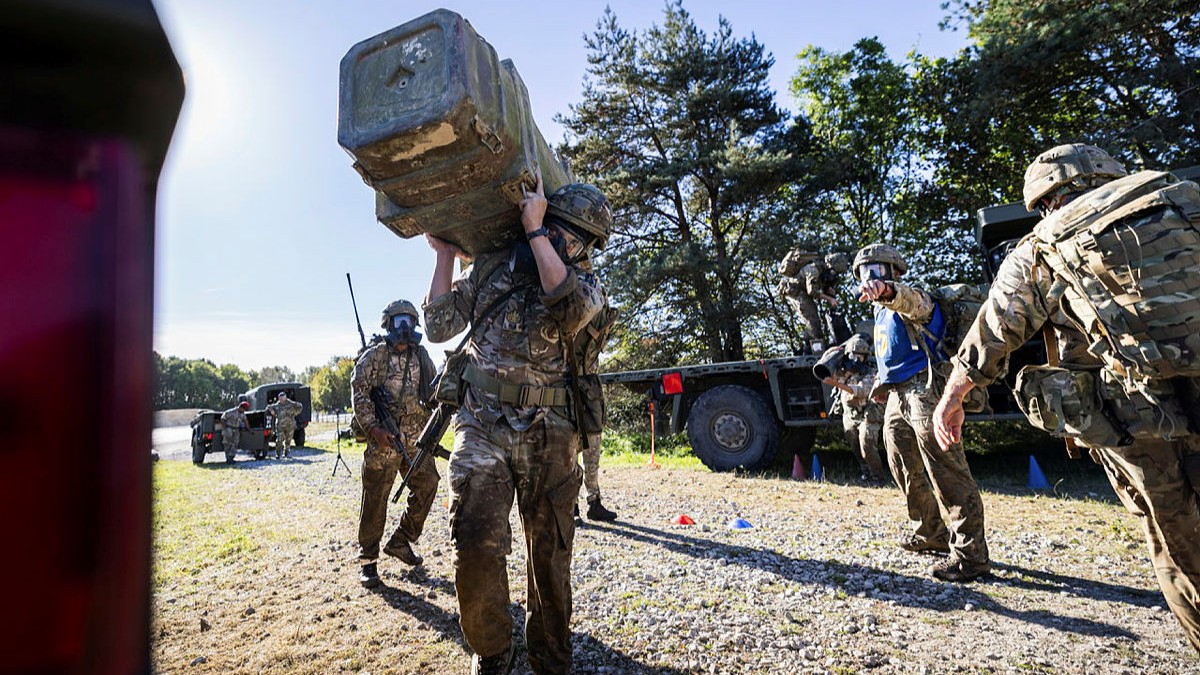
Logistics can involve moving enormous quantities of equipment and supplies across long distances.
RLC personnel can transport ammunition, fuel, food, water, vehicle parts and other equipment to troops operating far from their main bases.
During major exercises and deployments, they may have to move supplies through multiple stages of a supply chain before they reach the soldiers who need them.
That means planning, coordination and accurate tracking are just as important as the physical movement of the supplies.
The RLC has specialist maritime and port capabilities, as well as personnel trained to support the movement of equipment and supplies by air.

Where is the RLC based?
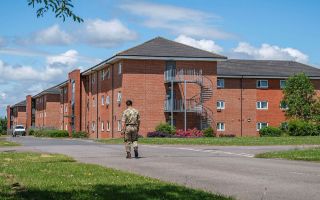
The RLC has units and personnel based across the UK.
Its headquarters have historically been associated with Princess Royal Barracks, Deepcut, while the corps has also established its headquarters at Worthy Down in Winchester as part of its relocation.
Its individual regiments and specialist units are distributed across the country according to their operational and training roles.
What about sport in the RLC?
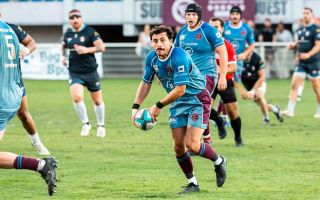
The RLC has a strong reputation for sports performance and every year Army champions are crowned in several sports.
It has elite sportsmen and women competing in boxing, triathlon, rowing, netball, orienteering, cycling, karate, fencing, equestrian and Nordic skiing.
Did you know?
The RLC has its own museum and also a memorial at the Royal British Legion National Remembrance Gardens in Staffordshire, preserving the history of the corps and the organisations from which it was formed.
The corps also produces The Sustainer, its own magazine.
Its personnel have served in conflicts and operations around the world, reflecting the fact that logistics has always been fundamental to military operations.
Celebrities and the RLC
The RLC and its predecessor organisations have counted some famous names among their ranks.
Football legend Sir Bobby Charlton completed his National Service with the Royal Army Ordnance Corps, one of the organisations that later became part of the RLC.
Charlton was able to continue playing for Manchester United during his National Service, including at weekends.
Actor Sir Roger Moore, best known for playing James Bond, was commissioned into the Royal Army Service Corps as a second lieutenant in 1946.
The RASC was another predecessor of today's RLC.
Neither man therefore served in the RLC itself, which was not formed until 1993, but both are part of the wider military history inherited by the corps.
Dame Kelly Holmes was a sergeant in the Army and served with 17 Port & Maritime Regiment, a regiment of the RLC.
Why does the RLC matter?
An army cannot fight without logistics.
Every tank needs fuel, every soldier needs food and water, vehicles need spare parts and combat units need ammunition.
The RLC provides the people and specialist skills needed to keep those supplies moving.
Related topics
Join Our Newsletter