Good news for the forces, with more trained personnel staying and more people joining

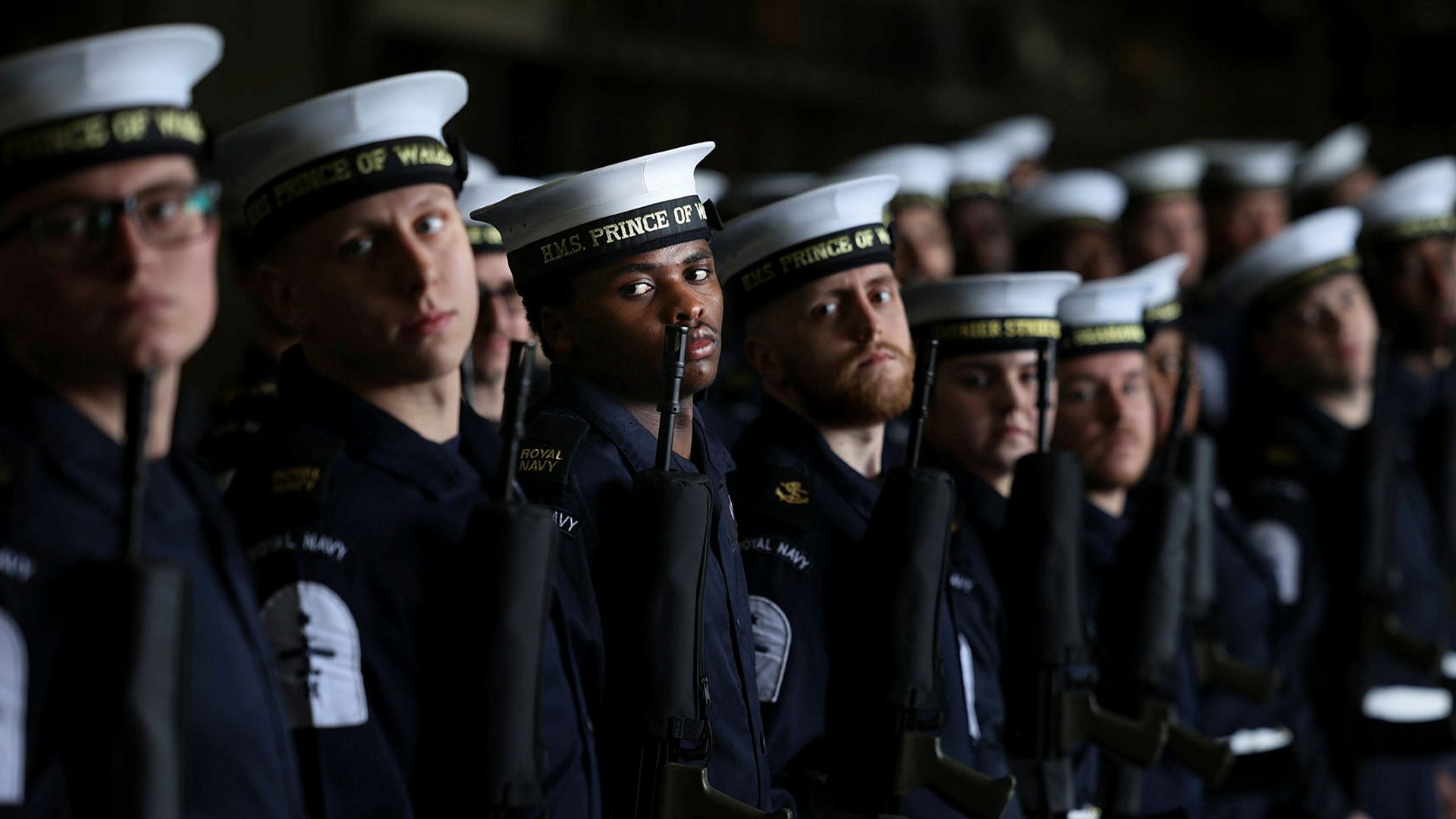
More people joined the regular Armed Forces than left for the fourth quarter in a row, new figures have revealed – the longest run of its kind in five years.
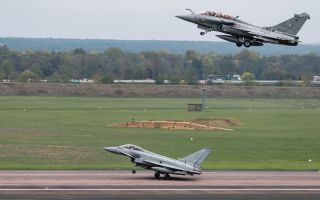
Meanwhile, trained strength rose for a third consecutive quarter, with more personnel available for operations and humanitarian support.
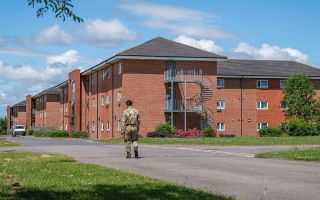
The Ministry of Defence put the improvement down to pay rises, £9bn funding to improve forces housing and a range of recruitment and retention reforms since 2024.
A good time to join
The figures mean more people have joined the Armed Forces than left for an entire year.
Regular strength increased across all three services over the past year, with the Royal Navy and Royal Marines up 440, the Army up 170 and the Royal Air Force up 840.
"There has never been a better or more important time to join our Armed Forces," said Defence Secretary Wes Streeting.
"Those serving and joining up now can be certain of increased investment in defence and our people. That means better equipment, better housing and better support for them and their families.
"I am determined that serving our nation gives people the skills and opportunities to thrive during their service and beyond, no matter their background."
The stats also show other improvements, including:
:: The number of full-time military personnel available to support defence operations rose by 1,450 since 1 July 2025
:: The number of fully trained personnel available to support operations increased for the third consecutive quarter, including the first increase in Army trade-trained strength since early 2022, alongside continued growth in the Royal Navy and RAF
:: Intake has increased steadily while outflow has continued to decline since late 2023, helping drive a net gain of 1,460 personnel in the year to 30 June 2026
More measures pledged
The Government says it will continue to improve recruitment and retention through a range of measures, such as:
:: More money in the pockets of service personnel, delivering a cumulative 14.1% pay rise since July 2024 and ensuring every full-time member of the Armed Forces earns at least the National Living Wage
:: Better homes for service families, with more than £7bn being invested in military housing this Parliament, the biggest renewal of forces accommodation in a generation
:: Improved recruitment practices, with the scrapping of more than 100 recruitment policies
:: These included rules that blocked applicants with hay fever, eczema, acne or fully healed injuries
:: Introducing novel entry routes into the military, such as the Cyber Direct Entry Scheme for high-demand specialist roles
Related topics
Join Our Newsletter