Parachute Regiment battalion set to lose jump status as SDR recommendations bite

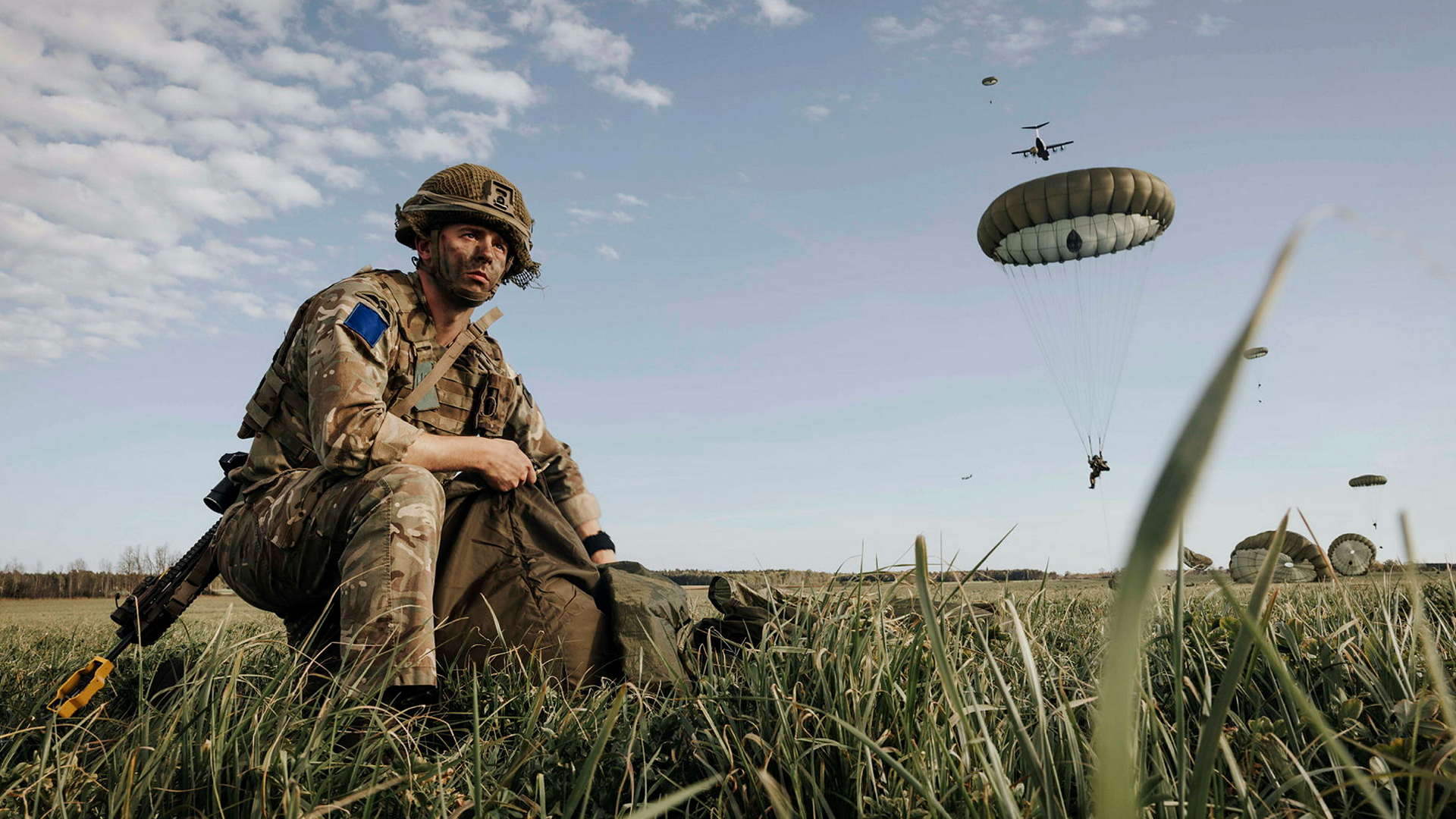
One of the Parachute Regiment's two battalions that make up part of the Army's rapid response formation are to lose their jump status, an MP has revealed.
Ben Obese-Jecty, the Conservative MP for Huntingdon and a former infantry officer, said he had been informed that only one of the battalions would keep its parachute status.
He said on X: "After rumours that the Parachute Regiment was going to lose the ability to deploy by parachute, the Government has now confirmed to me that only one of the two battalions will be paratroopers.
Erosion of the capability
"So either 2 Para or 3 Para will no longer earn their para wings or receive jump pay.
"Sad times to see the erosion of the capability, but a signal of the cuts to come as Labour scrabbles around to find the cash to fund its Defence Investment Plan."
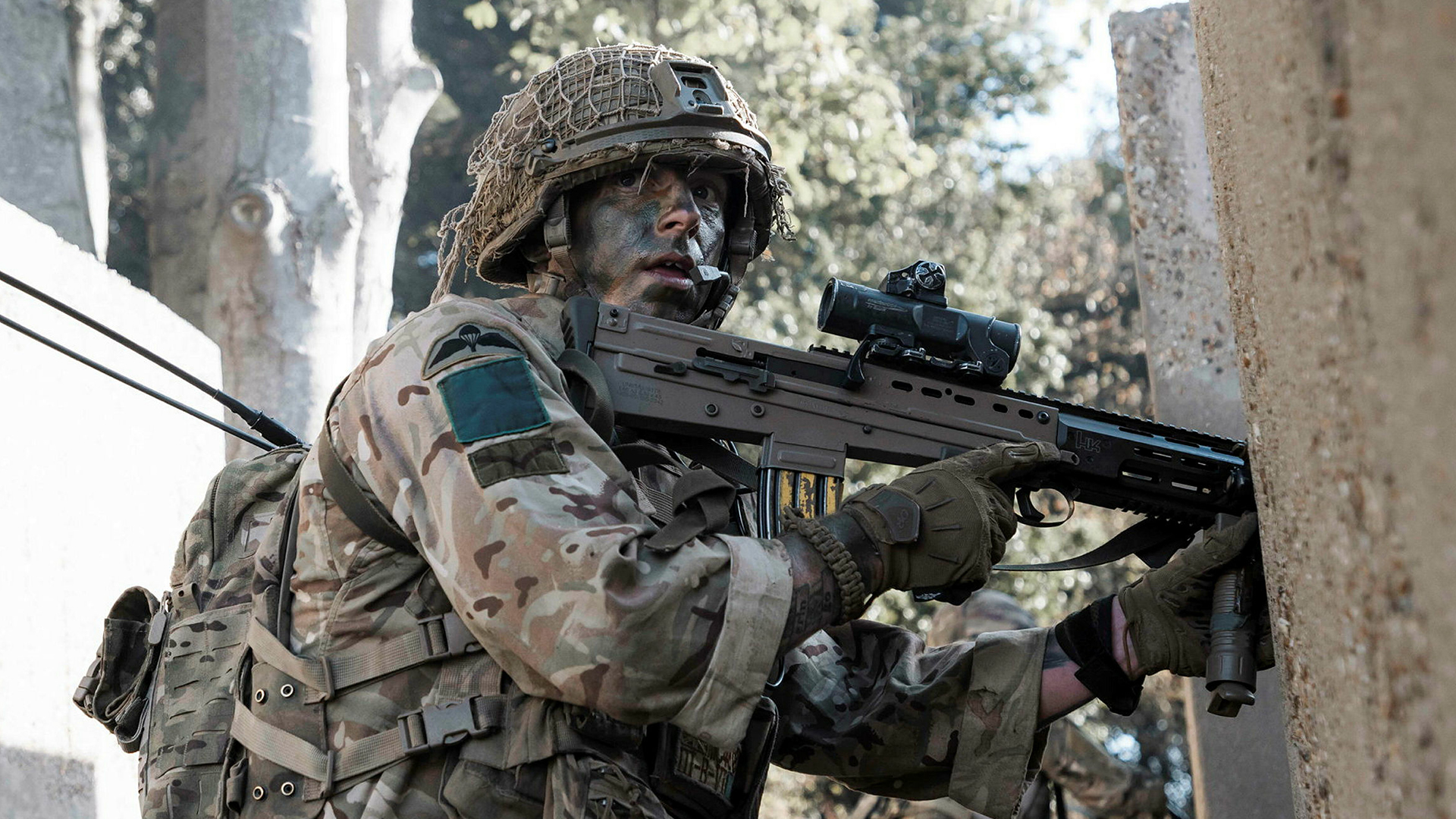
The Parachute Regiment – the airborne infantry regiment of the British Army – is comprised of three regular battalions.
But only 2 Para or 3 Para will be affected as 1st Battalion is permanently under the command of the Director Special Forces in the Special Forces Support Group, while the other battalions are the parachute infantry component of 16 Air Assault Brigade Combat Team.
Cuts proposed in Strategic Defence Review
Mr Obese-Jecty suggested the move was intended to save money, having been mentioned in last year's Strategic Defence Review.
The 2025 SDR stated that the UK would retain an airborne parachute capability – but recommended this be focused on specialist troops and a single battalion.
The size and role of parachute soldiers was discussed as far back as the SDR from 1998, which pointed out how operational realities had changed, with the need for large-scale parachute drops being less likely.
The last major drop involving paratroops was Suez in 1956, since when air insertion by helicopter has become more common.
The SDR therefore concluded that some roles within 16 Air Assault Brigade did not require active jump status.
Potential negative impact
Mr Obese-Jecty had asked Defence Secretary John Healey what assessment he had made of the potential negative impact of removing parachute infantry deployment as a capability.
Armed Forces Minister Al Carns, answering on Mr Healey's behalf, said: "The Strategic Defence Review (SDR) considered all aspects of Defence, including military parachuting capabilities.
"The SDR recommended that airborne parachute capability and capacity should remain focused on specialists and a single battalion group.
"The Government accepted the recommendations of the SDR in full and will publish the Defence Investment Plan as soon as possible to set out the plan for its implementation."
P Company
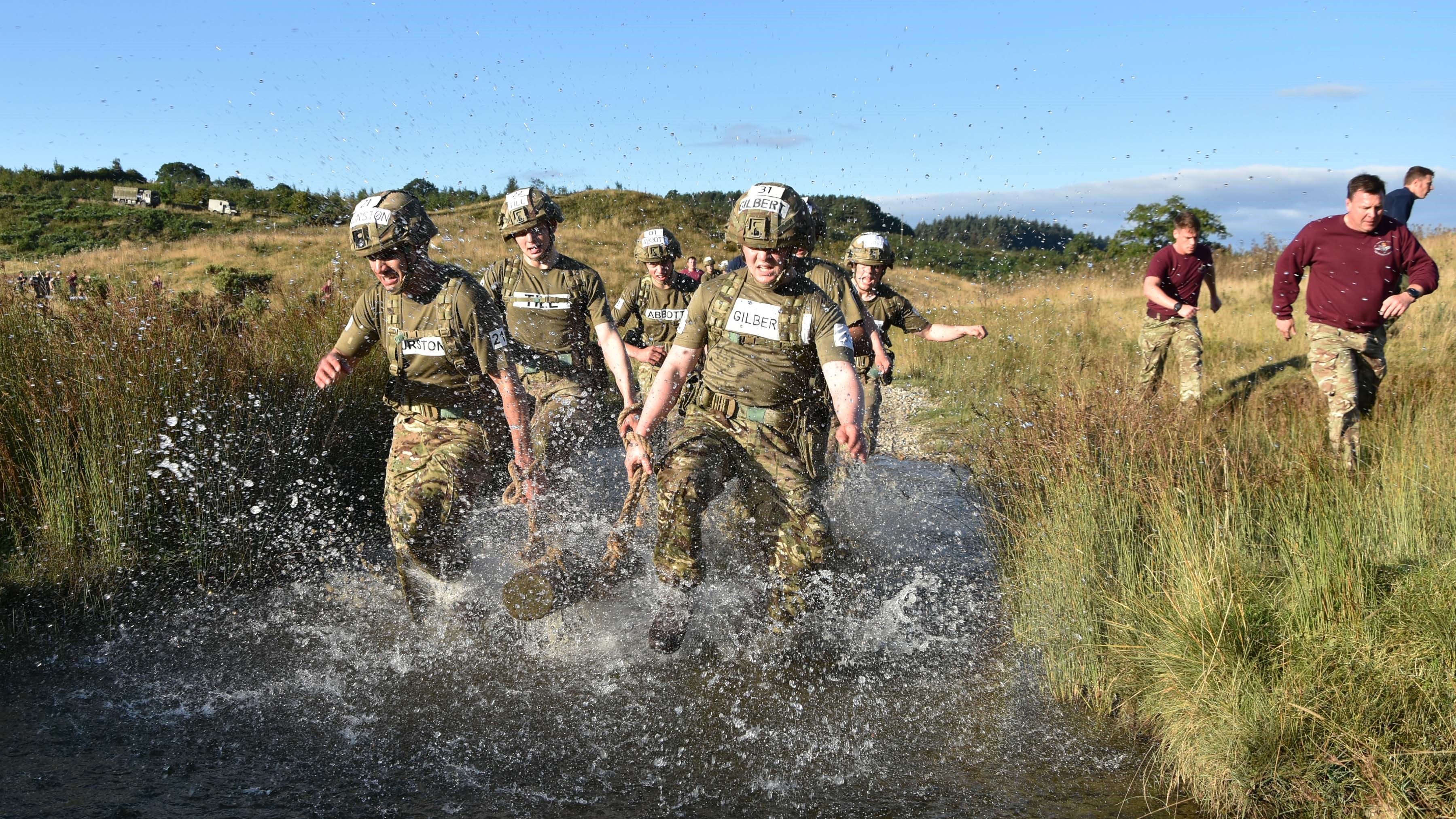
At the moment, personnel wanting to join the Parachute Regiment must undertake P Company.
Pegasus Company is a pre-parachute selection course with a strong emphasis on physical and mental fitness and endurance.
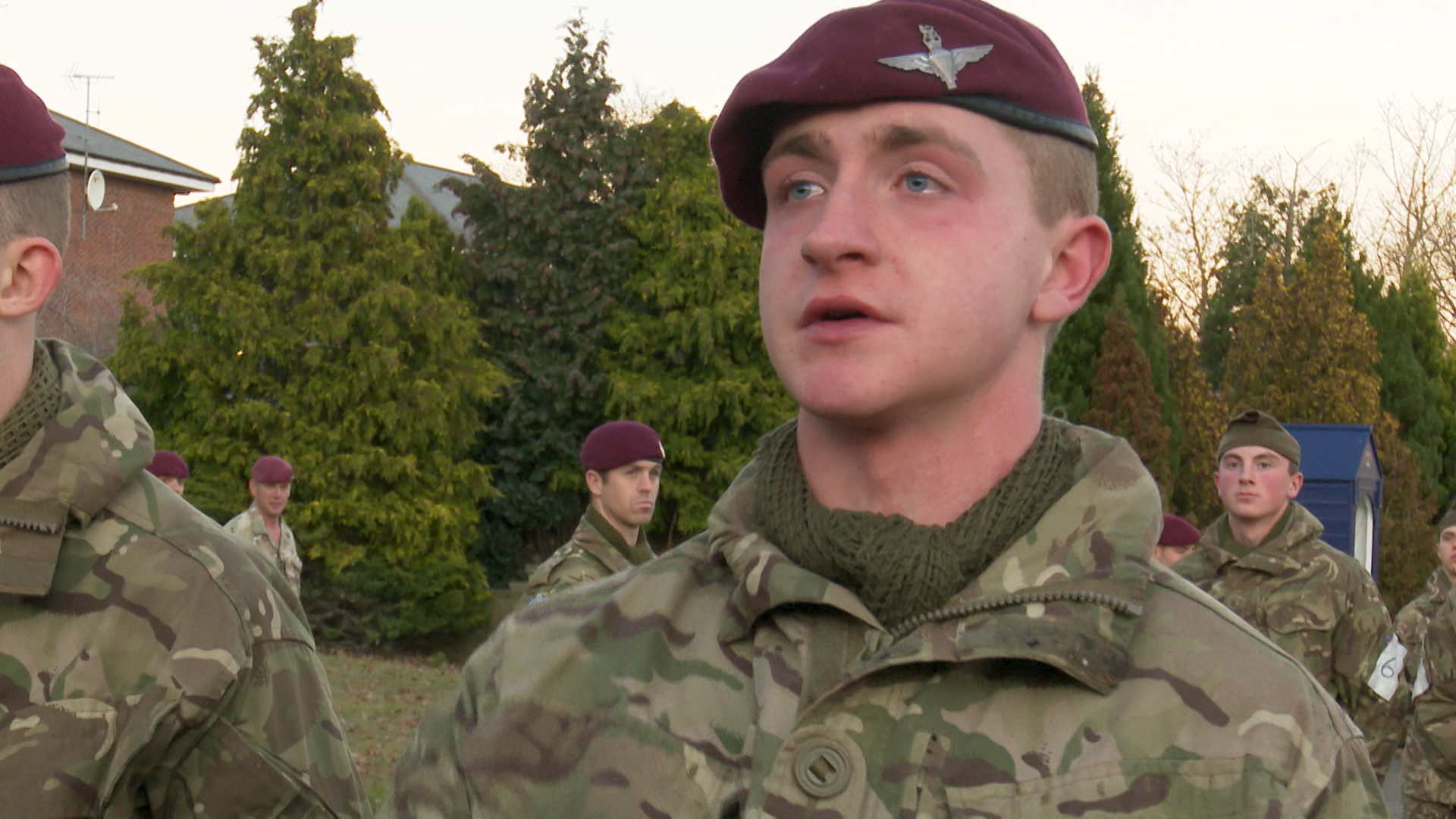
Those who pass then go to RAF Brize Norton to take the Basic Parachute Course, after which they are awarded their wings.
In addition to having earned the right to wear the wings, the soldiers also qualify for additional "jump" pay.
It is currently unclear how the MOD and the Army intend to stream recruits into the parachute-capable battalion.
Combat-proven
Both 2 and 3 Para are based at Merville Barracks in Colchester – a modern, purpose-built barracks for 16 Air Assault Brigade, which is also home to Artillery, Medics, Signallers and Logisticians as well as 16 Brigade Combat Team Headquarters.
Paratroopers are trained to conduct a range of missions, from prevention and pre-emption tasks to complex, high-intensity warfighting.
According to the regiment, its watchwords are professionalism, resilience, discipline, versatility, courage and self-reliance.
Its more recent deployments include the Falklands, Sierra Leone, Kosovo, Macedonia, Iraq and Afghanistan.
Mr Obese-Jecty has first-hand knowledge and experience of being an infanteer, having served in The Duke of Wellington's Regiment and then The Royal Yorkshire Regiment following its amalgamation.
Clarification: Following our initial reporting, the Ministry of Defence released a statement denying Mr Obese-Jecty's claim that a para battalion would lose their wings and jump pay. Read our follow-up story here.
Join Our Newsletter