After 286 days at sea, USS Abraham Lincoln on first port break of nine-month deployment
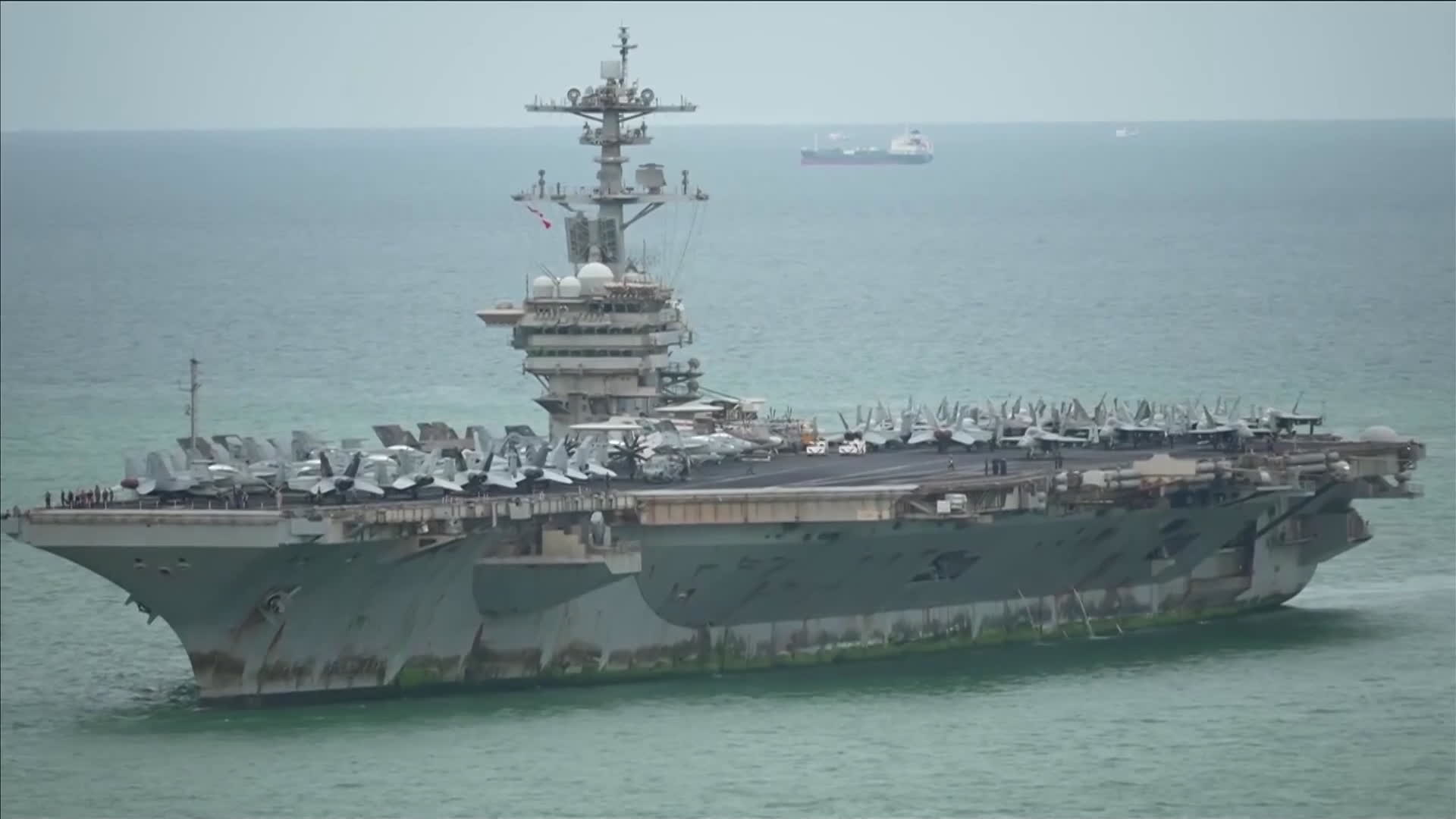
The crew of USS Abraham Lincoln has arrived in Thailand for their first full port stop since deploying nine months ago, after a record-breaking stretch at sea that prompted growing concern over the welfare of those on board.
The nuclear-powered aircraft carrier docked at Laem Chabang, with around 5,000 sailors and marines expected to spend several days ashore before the ship continues its journey home to California.
The deployment, which began in November, has included 286 days at sea – much of it spent in the Middle East, where the carrier was involved in combat operations against Iran.
- Russia tipped to lose its only carrier as repair and refit work on Admiral Kuznetsov is halted
- China's aircraft launch using electromagnetic catapult: What it means for aircraft carriers
- Prince vs President: How does US's newest carrier stack up against Royal Navy's flagship
Sailors and their families have reported declining morale and concerns over mental health, alongside food and water shortages, disrupted mail and problems with laundry during the deployment.
Those concerns were raised directly with senior US Navy leaders at town hall meetings in August, including one attended by around 200 family members in San Diego, where relatives voiced fears about mental health and the risk of self-harm among personnel aboard the carrier.
Acting Secretary of the Navy Hung Cao said no meals had been missed and calls home had sometimes been restricted because of the operational threat.
He also acknowledged the strain on the personnel, saying they were "pushed to their limits".
Aircraft carriers generally enter port every 30 to 45 days for replenishment, maintenance and crew rest.
By early July, the carrier had spent 207 consecutive days at sea, passing the previous modern US carrier record of 206 days set by USS Dwight D Eisenhower during the Covid-19 pandemic.
From the Pacific to nearly seven months of combat operations
USS Abraham Lincoln left San Diego on 21 November 2025 for what the Navy described as routine operations.
It had been expected to return in May, but the deployment was extended as the carrier was kept in the Middle East because of the US-Israeli war against Iran.
The strike group eventually spent nearly seven months in the US Central Command area, conducting combat operations in support of Operation Epic Fury and taking part in the naval blockade of Iran.
By 14 August, the USS Abraham Lincoln had spent 200 days in a combat zone, while aircraft from the carrier had flown more than 10,000 sorties and dropped around 1.5 million pounds of ordnance.
USS George Washington arrived in the Arabian Sea last month to relieve the carrier, allowing USS Abraham Lincoln to begin heading east towards its home port in San Diego.
Shore leave in Pattaya
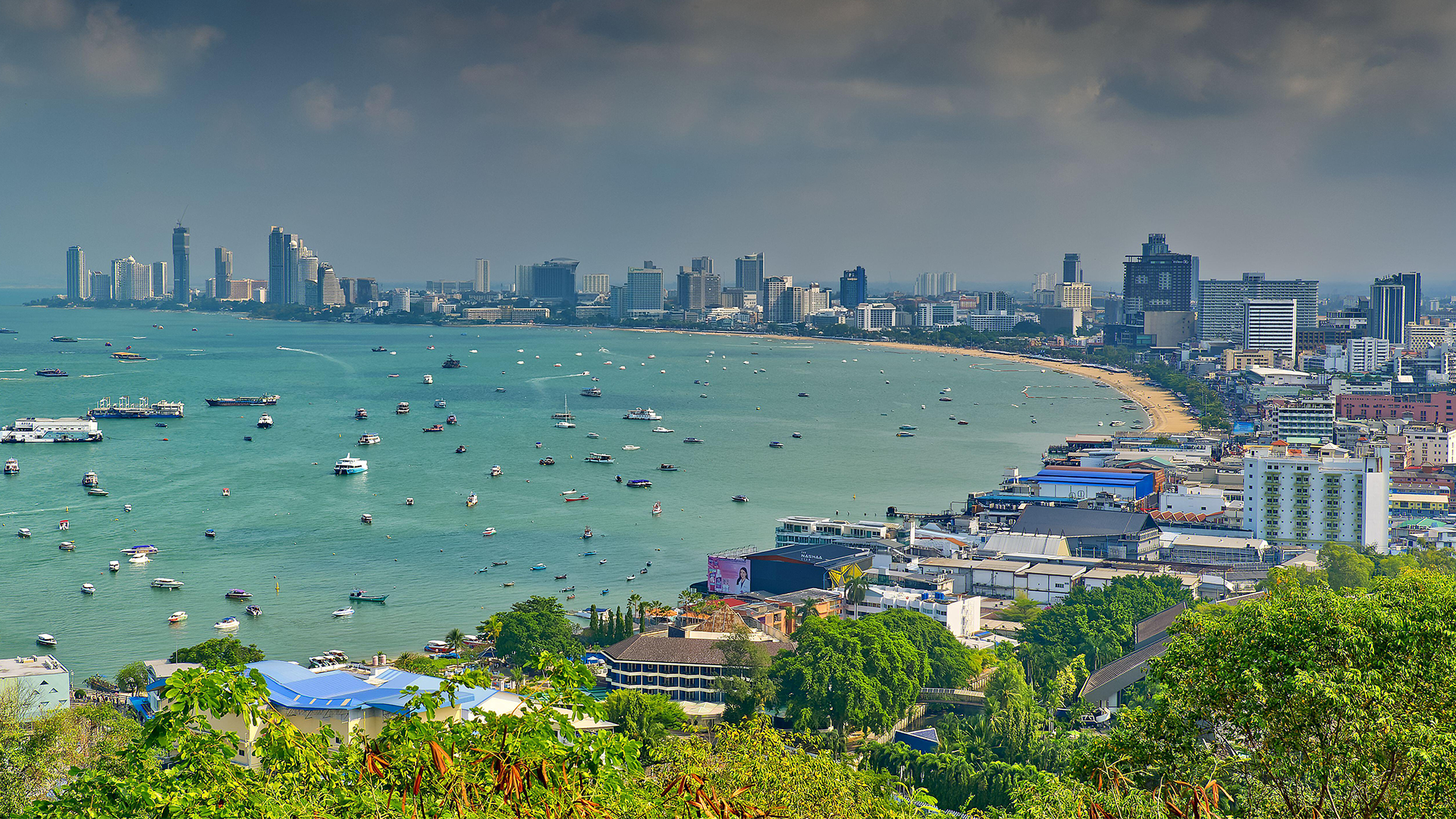
Many of the personnel coming ashore are expected to travel to Pattaya, the resort city less than an hour from Laem Chabang.
Authorities in Pattaya have increased security ahead of the influx, while some areas and activities have been placed off limits to US military personnel under American military regulations.
Pattaya's ties to the US military were forged during the Vietnam War, when American servicemen began travelling to the then-small fishing village for rest and recreation.
By 1969, around 48,000 US military personnel were stationed in Thailand.
Nearby U-Tapao airfield became a major B-52 base, with 51 of the bombers based there by 1971.
The flow of American personnel through the area helped drive Pattaya's rapid transformation into a resort city.
Its nightlife remains a major part of the city's tourism industry, although Pattaya has also spent years trying to broaden its appeal beyond its long-standing reputation for sex tourism.
For businesses there, the arrival of thousands of sailors and marines is expected to provide a welcome burst of spending.
Related topics
Join Our Newsletter